For cinephiles and tech-savvy viewers, the convenience of streaming has long been accepted as a fair trade-off for the loss of physical permanence. However, that unspoken contract was dealt a jarring blow a few weeks ago when subscribers to Prime Video discovered that The Vast of Night—the acclaimed 2019 directorial debut of Andrew Patterson—had abruptly vanished from the platform.
In a digital landscape where content is expected to be accessible at the click of a button, the disappearance of a film is rarely a permanent affair. Yet, The Vast of Night is not your average title. It is an Amazon Studios production, a “Prime Original” that, until its removal, was theoretically anchored to the service in perpetuity. Even more concerning, the film never received a traditional physical media release. When it was pulled from Amazon, it effectively ceased to exist in the legal, consumer-facing market. It was a digital ghost, leaving fans and archivists to wonder how a corporate-backed project could simply be erased from the internet without so much as a press release.
A Case Study in Digital Erasure
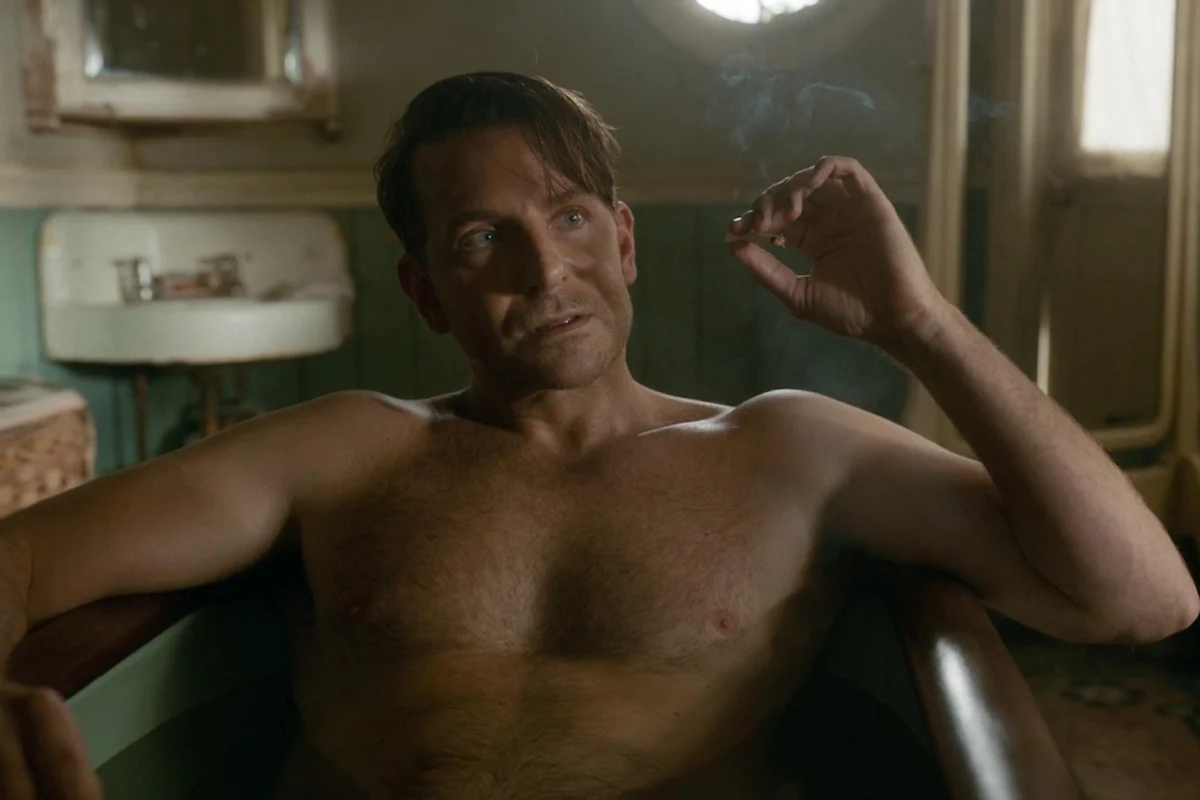
The disappearance of The Vast of Night occurred during a particularly ironic window: Andrew Patterson is currently enjoying a surge in critical relevance as his latest feature, The Rivals of Amziah King, begins to capture the attention of festivals and critics.
Typically, when a streaming service removes a title, it is a matter of licensing: a contract expires, the rights revert to the studio, or the platform decides the cost of hosting the title outweighs its viewership metrics. But for a film produced by the streaming platform itself, the disappearance represents a fundamental failure in the "ownership" model of modern entertainment.
When the film vanished, the silence from Amazon was deafening. Queries sent to the studio regarding the status of the film were met with no reply, fueling speculation that this was yet another casualty of corporate cost-cutting measures, similar to the "tax write-down" purges seen at Warner Bros. Discovery. For a film that was lauded as a masterpiece of lo-fi science fiction and a triumph of independent ingenuity, its sudden absence was a sobering reminder that on the internet, your library is essentially on loan.
The Resolution: A Glimmer of Hope for Creators
After weeks of public outcry and investigative frustration, a breakthrough emerged. C. Robert Cargill, the acclaimed writer and filmmaker, took to social media to provide the clarity the public had been seeking. Through his discussions with Patterson, it was revealed that the director had successfully negotiated the rights back from Amazon.
This development is both a relief and a revelation. It marks a rare instance where an independent creator has managed to wrestle control of their work back from a major streaming conglomerate. According to reports, Patterson is currently in active negotiations with new distribution partners. The goal is two-fold: to return the film to a streaming platform and, perhaps more importantly, to finally provide the film with a physical media release—a move that would ensure its preservation against future digital whims.
While there is no concrete timeline for when The Vast of Night will return to our screens, the fact that the creator is steering the ship is an encouraging precedent. It suggests that in an age of algorithmic volatility, creators are becoming increasingly proactive in safeguarding their intellectual property.
The Shrinking Library: A Macro-Level Crisis
The plight of The Vast of Night is not an isolated incident; it is a symptomatic pulse of a broader, more systemic crisis in the digital media landscape. We have entered an era of "disappearing content," where the library of human culture is being mediated by the shifting balance sheets of tech giants.
Consider the recent, massive announcement from the PlayStation Store, which confirmed the planned deletion of over 550 digital titles. In this instance, the platform is not just removing items from a storefront; it is revoking access to content that users had technically "purchased." Even if a customer spent $15 to own a digital copy of a film, the expiration of licensing agreements means that the product can be deleted from their private library.
This erosion of consumer rights has created a climate of anxiety. Viewers are no longer sure if their digital collections will remain intact five years from now. When even a studio-produced original can be removed from its own proprietary platform, the concept of "buying" a movie online has become functionally equivalent to a long-term rental with a fluctuating return date.
The Shift Toward Creator Sovereignty
There is a growing movement among high-profile directors and creators to combat this instability. The recent news that filmmaker Ryan Coogler secured the rights to his film Sinners—ensuring it would not fall into the same trap of indefinite digital limbo—is indicative of a shifting power dynamic.
Creators are beginning to realize that the "digital first" distribution model, while lucrative in the short term, is a death knell for the legacy of their work. We are witnessing a slow but steady pushback against the "disposable" nature of streaming. Directors are fighting for theatrical windows, physical home video rights, and clauses that prevent their films from being scrubbed from history.
These negotiations are notoriously difficult. The legal frameworks that govern global distribution rights are tangled, expensive, and often stacked against the artist. Yet, as the industry matures, the value of a permanent catalog is being re-evaluated. A film that is unavailable is a film that cannot find new audiences, cannot be studied, and cannot be canonized. For the sake of cinematic history, this shift toward creator sovereignty is vital.
The Value of ‘The Vast of Night’
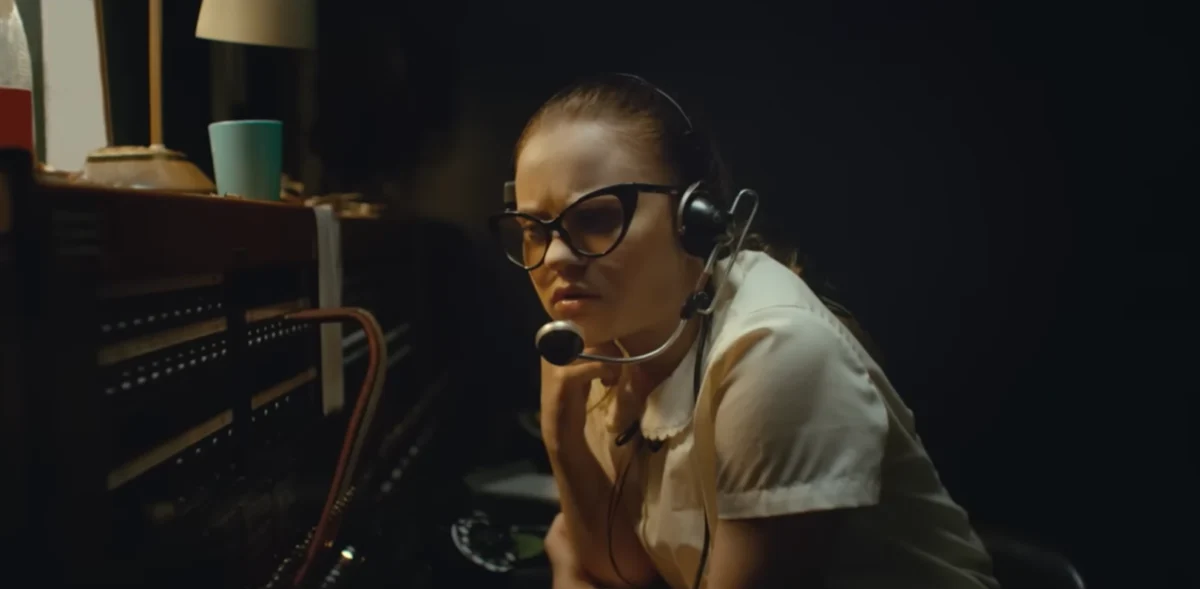
At the heart of this discussion is, fundamentally, a piece of art that deserves to be seen. The Vast of Night emerged in 2019 as a sleeper hit, finding its audience during the global lockdowns when viewers were hunting for "hidden gems." Its premise—a late-night radio DJ and a switchboard operator in 1950s New Mexico uncovering a mysterious audio signal—is a masterclass in atmosphere and tension.
The film relies on long, tracking shots and dialogue-heavy sequences, proving that cinematic impact doesn’t require a block-buster budget. It is a love letter to the era of analog technology, and its themes of communication, obsession, and the unknown resonate deeply in our current digital age.
If the disappearance of the film has done anything, it has reminded the public of its intrinsic value. The buzz surrounding its removal has likely introduced the title to a new generation of viewers who are now primed to seek it out the moment it becomes available again.
Conclusion: The Case for Physical Media
While the dream of an all-access, on-demand digital library remains the selling point of every major streaming service, the reality is far more fragile. The "hoarding" of physical media—once dismissed as a niche hobby for audiophiles and videophiles—is beginning to look like a prudent, defensive strategy for the modern consumer.
Physical media offers something the cloud cannot: permanence. A Blu-ray or a 4K disc sitting on a shelf cannot be "delisted" by a rights holder in a distant boardroom. It cannot be edited for licensing reasons, and it cannot be pulled from your shelf because a service’s subscription agreement changed.
As we move forward, the story of The Vast of Night should serve as a wake-up call. We need a more robust system for digital preservation, one that doesn’t rely on the whim of a platform to keep a piece of art available to the public. Until then, the onus remains on the creators to fight for their rights and on the audience to demand better access to the works they love.
The mystery of The Vast of Night is being solved, but the deeper, more complex mystery of how we will preserve the history of 21st-century cinema remains an open question. For now, we wait—hopeful that the film will return, and perhaps a little more appreciative of the tangible, physical artifacts of our culture that we still have the power to own.