

For decades, the standard Valentine’s Day experience in Japan has been dictated by the rigid, albeit culturally significant, tradition of giri-choco—the "obligation chocolate" gifted to colleagues and acquaintances. However, as the domestic market continues to evolve, a burgeoning movement of culinary experimentation has taken hold. This February, the Japanese food and beverage sector is pivoting away from conventional confectionery, offering increasingly avant-garde options that challenge the boundaries of taste. From Demon Slayer themed gift sets to the polarizing indulgence of chocolate-infused ramen, the market is signaling a clear shift toward novelty and "Instagrammability."
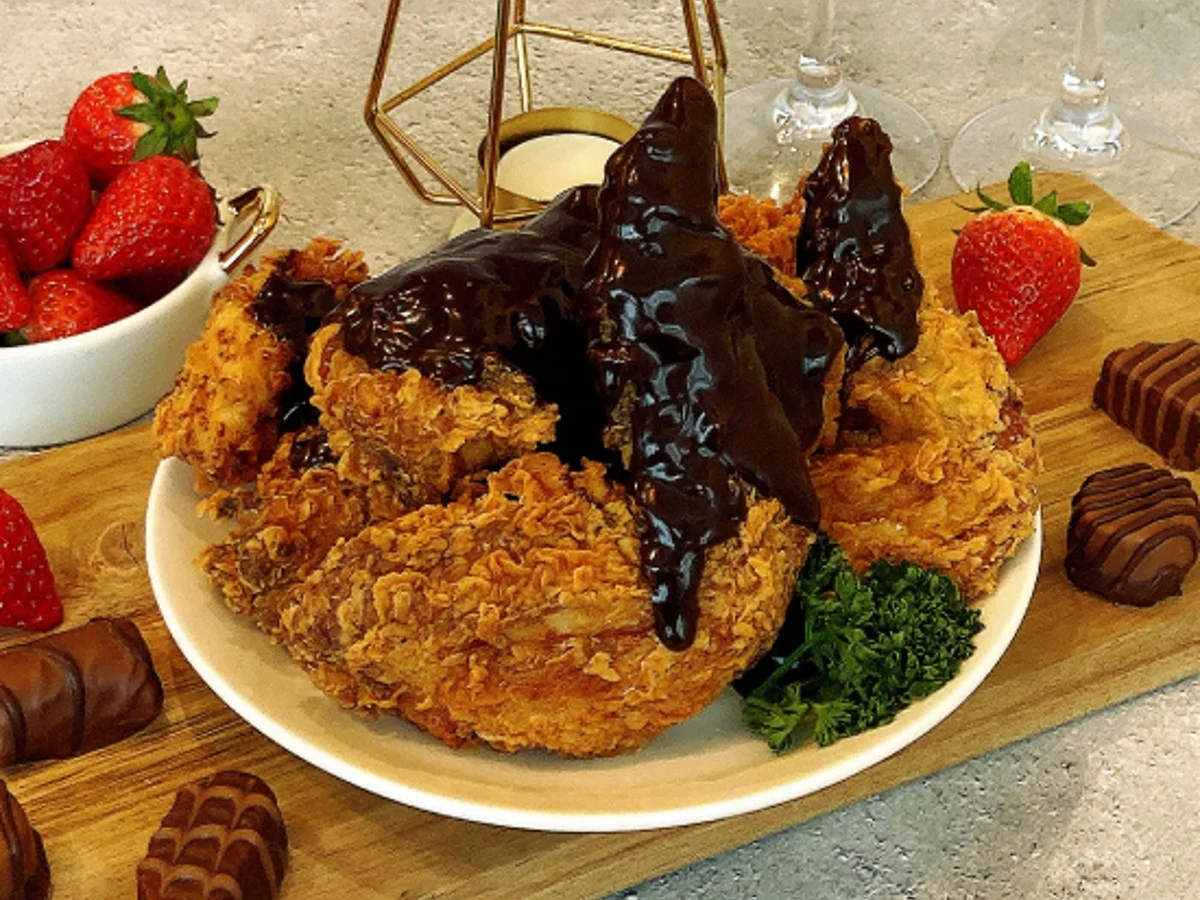
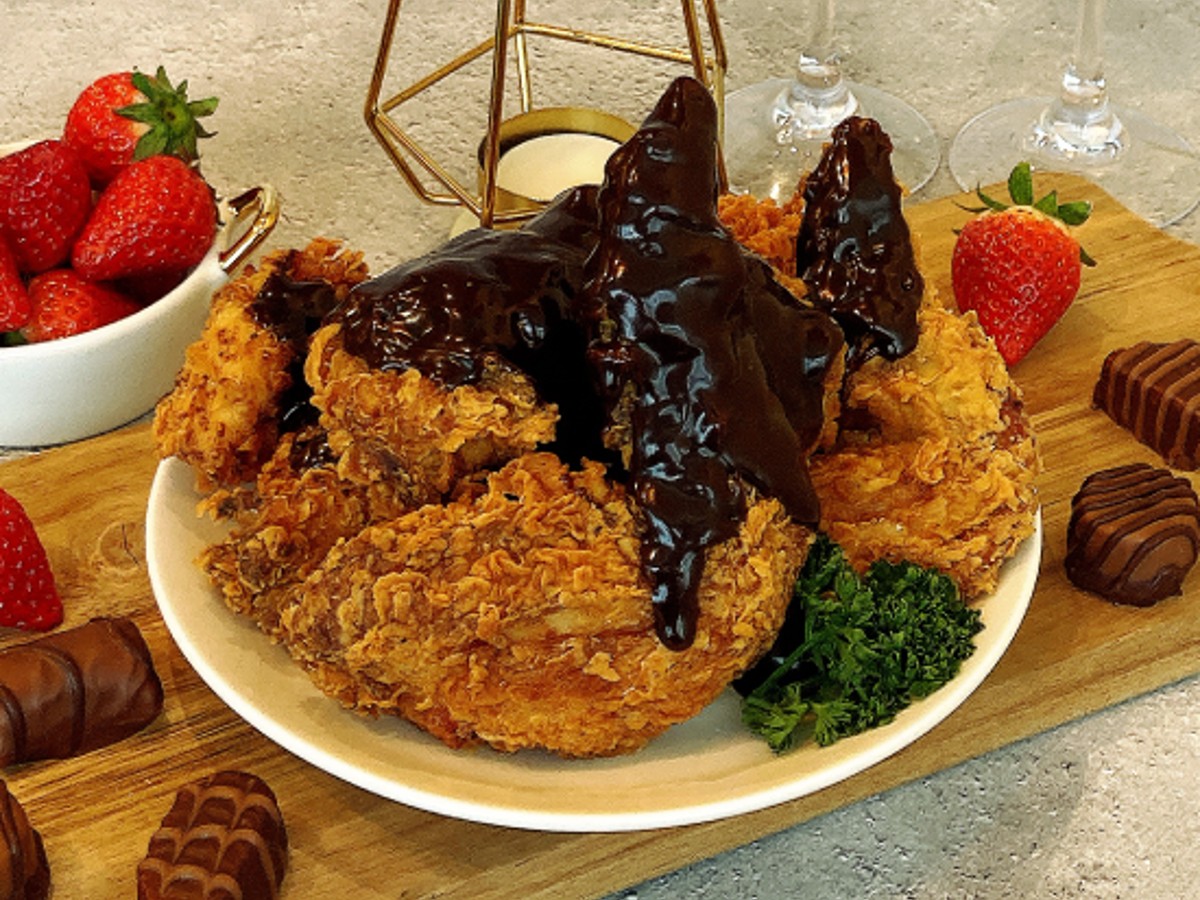
Among the most audacious entrants in this year’s Valentine’s Day lineup is the Shibuya branch of the Korean-style fried chicken chain, Chicken Street. Breaking away from the traditional dessert paradigm, the restaurant has unveiled a seasonal specialty that marries the savory crunch of Korean fried chicken with a thick, decadent coating of bittersweet chocolate.
The Main Facts: A Savory-Sweet Hybrid
From February 1st through February 14th, the Shibuya location of Chicken Street is serving a limited-edition menu item: chocolate-covered fried chicken. This offering is designed to appeal to the "sweet-and-savory" demographic—a segment of the consumer base that has grown exponentially in recent years.
The product utilizes the chain’s signature Korean fried chicken, known for its double-fried, ultra-crispy batter. By applying a layer of rich, tempered chocolate, the restaurant aims to create a complex flavor profile that balances the saltiness of the chicken skin with the deep, earthy bitterness of high-quality cocoa. According to the brand, the contrasting textures—the crunch of the crust against the smooth, hardening chocolate shell—provide a sensory experience that justifies the unusual flavor pairing.
The promotion is strategically timed to coincide with the peak of Japan’s Valentine’s Day shopping season, positioning itself as a "hearty" alternative to the delicate truffles and bonbons that traditionally dominate the market during the first two weeks of February.
A Chronology of Japan’s Valentine’s Evolution
To understand the significance of Chicken Street’s latest offering, one must look at the historical trajectory of Valentine’s Day in Japan.
- 1950s – 1970s: The Foundation: Valentine’s Day was introduced to Japan by confectioners. Unlike Western customs where men often initiate, the Japanese tradition became centered on women gifting chocolate to men, establishing the "chocolate-only" expectation.
- 1980s – 2000s: The Rise of Giri-Choco: The custom of giri-choco (obligation chocolate) became deeply embedded in corporate culture. During this period, the focus was on quantity and social etiquette rather than culinary innovation.
- 2010s: The Rise of Jibun-Choco: A significant shift occurred as women began prioritizing jibun-choco (chocolate for oneself). This fueled a demand for higher quality, artisanal, and luxury chocolates.
- 2020 – 2024: The Era of "Experiential" Valentine’s: As social media platforms like Instagram and TikTok gained dominance, the demand shifted toward "photogenic" and "shock-factor" foods. This is the era that gave rise to chocolate ramen, spicy chocolate curries, and, ultimately, chocolate-covered fried chicken.
Supporting Data: The Savory-Sweet Market Segment
The decision to introduce chocolate-covered chicken is not merely a whimsical marketing ploy; it is supported by shifting consumption patterns. According to recent market analysis from the Japan Food Industry Association, there has been a 14% year-over-year increase in consumer interest regarding "crossover" flavor profiles.
The "salt-sweet" (or shio-ama) trend, which gained massive popularity through salted caramel and sea-salt chocolate, has paved the way for more radical experiments. Data suggests that younger demographics (Gen Z and Millennials) in Japan are statistically more likely to purchase limited-edition, "Instagram-worthy" food items during holiday periods compared to older generations, who remain loyal to traditional chocolate brands like Meiji or Lotte.
Furthermore, the rise of Korean cuisine in Japan—specifically the "Korean fried chicken boom"—has created a captive audience. By leveraging the popularity of the yangnyeom (spicy-sweet sauce) style of chicken, Chicken Street is banking on the familiarity of the base product to entice customers to take a risk on the chocolate coating.
Official Responses and Culinary Strategy
The management at Chicken Street has framed this initiative as a challenge to the "monotony of tradition." In an official statement, a representative for the brand noted: "We wanted to create a Valentine’s Day experience that reflects the spirit of Shibuya—energetic, unexpected, and bold. Our Korean fried chicken is famous for its crispiness, and we found that the bitterness of chocolate creates an addictive synergy that we believe our customers will find surprising and delightful."
Culinary experts in Japan have observed that this strategy is common among mid-tier restaurant chains looking to gain viral traction. By creating a product that is inherently "shareable" on social media, the restaurant generates organic marketing that far exceeds the reach of traditional paid advertising.
While some purists have criticized the fusion, the restaurant maintains that the product is intended for those who prefer savory meals over traditional sweets, providing a "full meal" solution for Valentine’s Day dates that are less formal and more relaxed.
Implications for the Culinary Landscape
The implications of the "Chocolate Chicken" phenomenon are threefold:
1. The De-ritualization of Valentine’s Day
The traditional, somber atmosphere of giri-choco is being replaced by a more playful, communal, and often ironic celebration. This moves the holiday away from social obligation and toward personal enjoyment, effectively expanding the market reach of food service providers beyond the chocolate industry.
2. The Dominance of "Viral Menus"
The success of such products is no longer measured solely by taste, but by "virality." Restaurants are increasingly designing menus with the intention of being photographed. This shift puts pressure on food service chains to innovate constantly, creating a cycle where the most bizarre or visually striking item often wins the market share.
3. The Future of Fusion Cuisine
As global palates become more accustomed to unexpected flavor profiles, we are likely to see an increase in "extreme fusion." Just as chocolate-covered chicken has transitioned from a niche curiosity to a mainstream seasonal menu item, other savory-sweet combinations—such as miso-infused pastries or savory-herb chocolate bars—are gaining a foothold in the Japanese market.
Conclusion: A Shift in Taste
As the calendar turns toward mid-February, the Shibuya branch of Chicken Street serves as a microcosm for the broader transformation of Japanese holiday dining. While the act of gifting chocolate remains a cornerstone of the season, the definition of what constitutes a Valentine’s treat is rapidly expanding.
For those passing through the bustling streets of Shibuya, the opportunity to try a piece of chocolate-covered fried chicken offers more than just a snack; it represents a departure from the rigid social scripts of the past. Whether this trend marks a permanent shift in consumer preferences or remains a fleeting novelty, it serves as a testament to the Japanese food scene’s relentless capacity for reinvention. As the lines between "dessert" and "dinner" continue to blur, one thing is certain: the future of Valentine’s Day in Japan will be anything but predictable.
For those interested in experiencing this culinary curiosity firsthand, the Chicken Street Shibuya branch is located within a five-minute walking radius of the Hachiko exit of Shibuya Station. The menu is available strictly from February 1st to February 14th.












No comments yet. Be the first to join the conversation!