Nana
Nana
In the modern digital landscape, the distinction between a "home server" and a "daily driver" workstation is rapidly dissolving. For power users, developers, and tech enthusiasts, the challenge is no longer just having enough hardware—it is managing the digital entropy that comes with a high-performance system. As Ayush Pande, a dedicated PC hardware and gaming writer, has discovered, the secret to maintaining a pristine, efficient, and stable workstation lies in the strategic use of virtualization and containerization.
By offloading development environments, experimental scripts, and resource-heavy services into isolated virtual machines (VMs) and containers, users can prevent the "bloat" that inevitably renders a primary operating system sluggish. This article explores the paradigm shift toward virtualized personal computing, the tools driving this movement, and the inherent limitations that still tether us to bare-metal hardware.
Main Facts: The Case for Virtualization on the Desktop
The core concept of virtualization is the abstraction of hardware resources, allowing multiple operating systems to run simultaneously on a single physical host. Historically, this was the domain of enterprise data centers and IT professionals. However, with the democratization of hypervisors like Microsoft’s Hyper-V, Proxmox, and container runtimes like Podman and Docker, the barrier to entry has vanished.
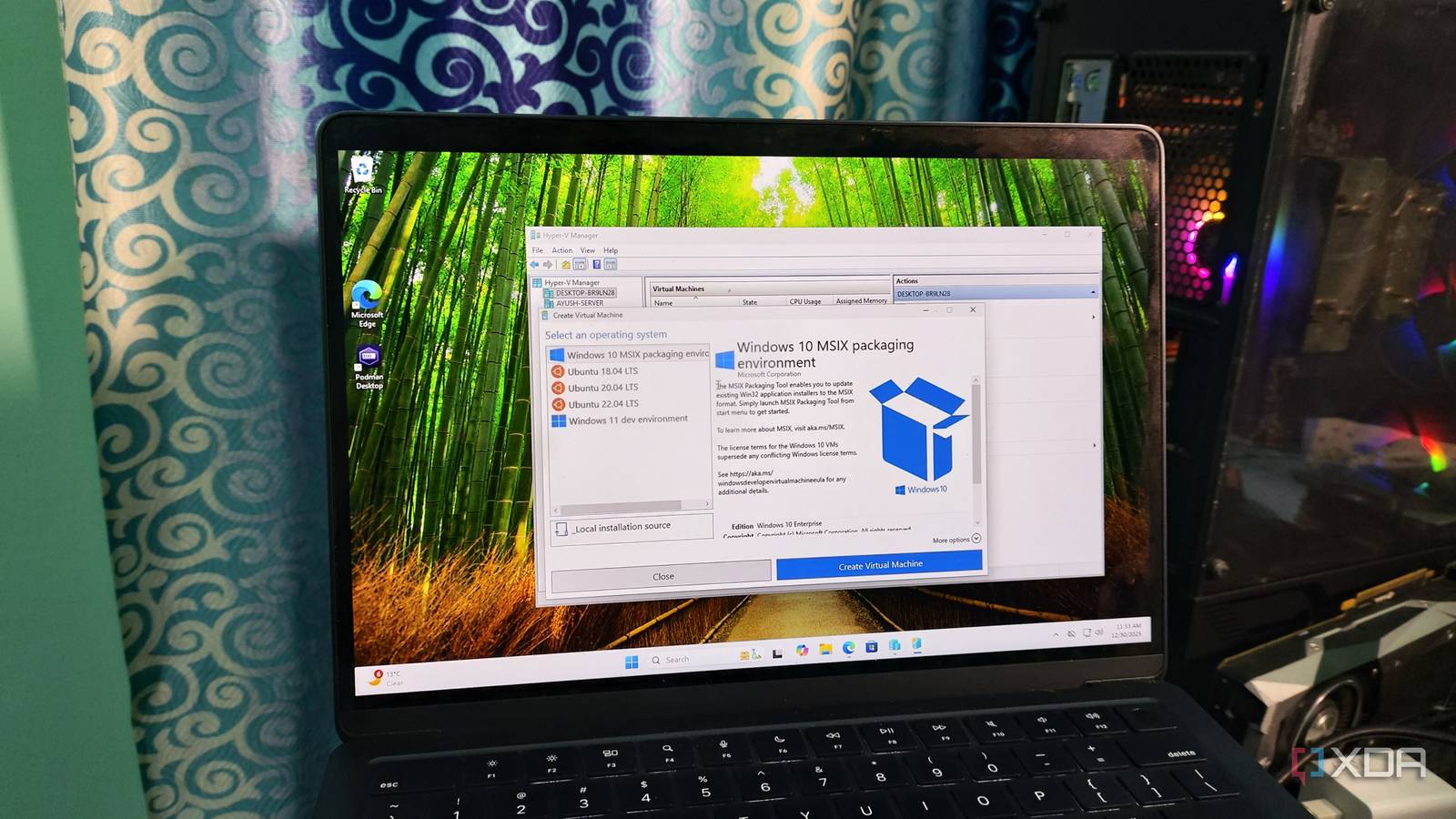
The primary benefit is environment isolation. Every time a developer installs a new Node.js package, a Python dependency, or a system-wide utility, they risk creating "dependency hell"—a scenario where conflicting versions of software libraries break system stability. By shifting these tasks into VMs, the host machine remains untouched. If a project requires a specific, potentially invasive environment, it can be spun up in a VM, used, and deleted without leaving a trace on the host OS.
Beyond development, virtualization serves as a security sandbox. When testing untrusted code, experimenting with Group Policy, or configuring Windows Registry keys, the "Windows Sandbox" feature provides a ephemeral environment that wipes itself clean upon closing, ensuring that a "bricked" system is just one restart away from being fully restored.
Chronology: From Server Labs to the Personal Desktop
The journey toward a virtualized personal workflow often follows a predictable path for enthusiasts.

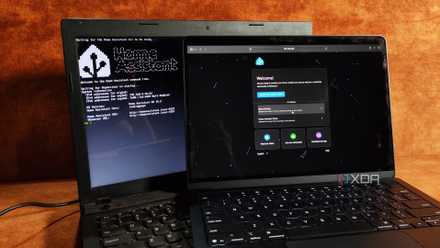
- The Home Lab Phase: Many users begin by setting up a dedicated home server (often using Proxmox or TrueNAS) to host media servers, ad-blockers like Pi-hole, or home automation controllers like Home Assistant.
- The Realization: Once the convenience of managing isolated "guests" becomes apparent, users begin to miss that level of control on their primary workstation. The fear of "messing up" the main Windows or Linux install acts as a bottleneck to productivity.
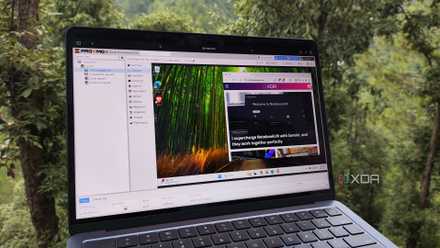
- The Implementation: Users start adopting Type-1 or Type-2 hypervisors on their primary rigs. They shift development tools into lightweight Linux VMs (using WSL2 or dedicated Hyper-V instances) and move self-hosted productivity apps into container runtimes.
- The Optimization: Finally, users reach a state of equilibrium where the host OS is treated as a "thin" layer responsible for input/output, while the heavy lifting—coding, data processing, and experiment execution—happens in specialized virtual environments.
Supporting Data: Managing Bloat and Enhancing Workflow
The accumulation of digital clutter is a silent performance killer. A typical developer’s system might accumulate hundreds of gigabytes of node modules, dormant Git repositories, and conflicting system binaries over a single year.
The NixOS and WSL2 Advantage
For developers, switching to a NixOS VM provides a declarative approach to environment management. NixOS allows users to define their entire system configuration in a single file. If the system becomes bloated or unstable, the user can simply roll back to a previous "generation" of that configuration. For those who prefer a lighter touch, Windows Subsystem for Linux 2 (WSL2) offers near-native performance for Linux tools on Windows, allowing for a seamless integration of CLI-based workflows without the overhead of a full virtual machine.
The Container Revolution: Podman vs. Docker
For self-hosted utilities—such as local LLM servers (e.g., llama-server), text-to-speech agents, or document converters—containers are the gold standard. Podman Desktop has gained significant traction because it is daemonless and rootless, offering a more secure alternative to the traditional Docker engine. Its native support for "pods"—groups of containers that share resources—simplifies the deployment of complex, multi-service applications.
Official Responses and Industry Trends
Industry leaders in virtualization, including Microsoft and the open-source community, have recognized this trend. Microsoft’s continued investment in Windows Sandbox and Hyper-V suggests a future where the OS is viewed less as a permanent installation and more as a transient state. Similarly, the shift toward "Immutable Operating Systems" (like Fedora Silverblue or NixOS) mirrors the virtualization philosophy: the system is kept clean by design, with user applications isolated from the core OS binaries.
However, the hardware industry remains a double-edged sword. While CPUs have become significantly more capable of handling multiple threads of virtualization (with hardware-assisted virtualization like Intel VT-x and AMD-V), some hardware vendors still implement "walled garden" approaches that make deep-level virtualization difficult for the average consumer.
Implications: The Limits of the Virtualized World
Despite the immense benefits of virtualization, there remains a "hard wall" that prevents total migration away from bare-metal OS installs: Kernel-level Anti-Cheat (KLAC) and Direct Hardware Access.
The Anti-Cheat Dilemma
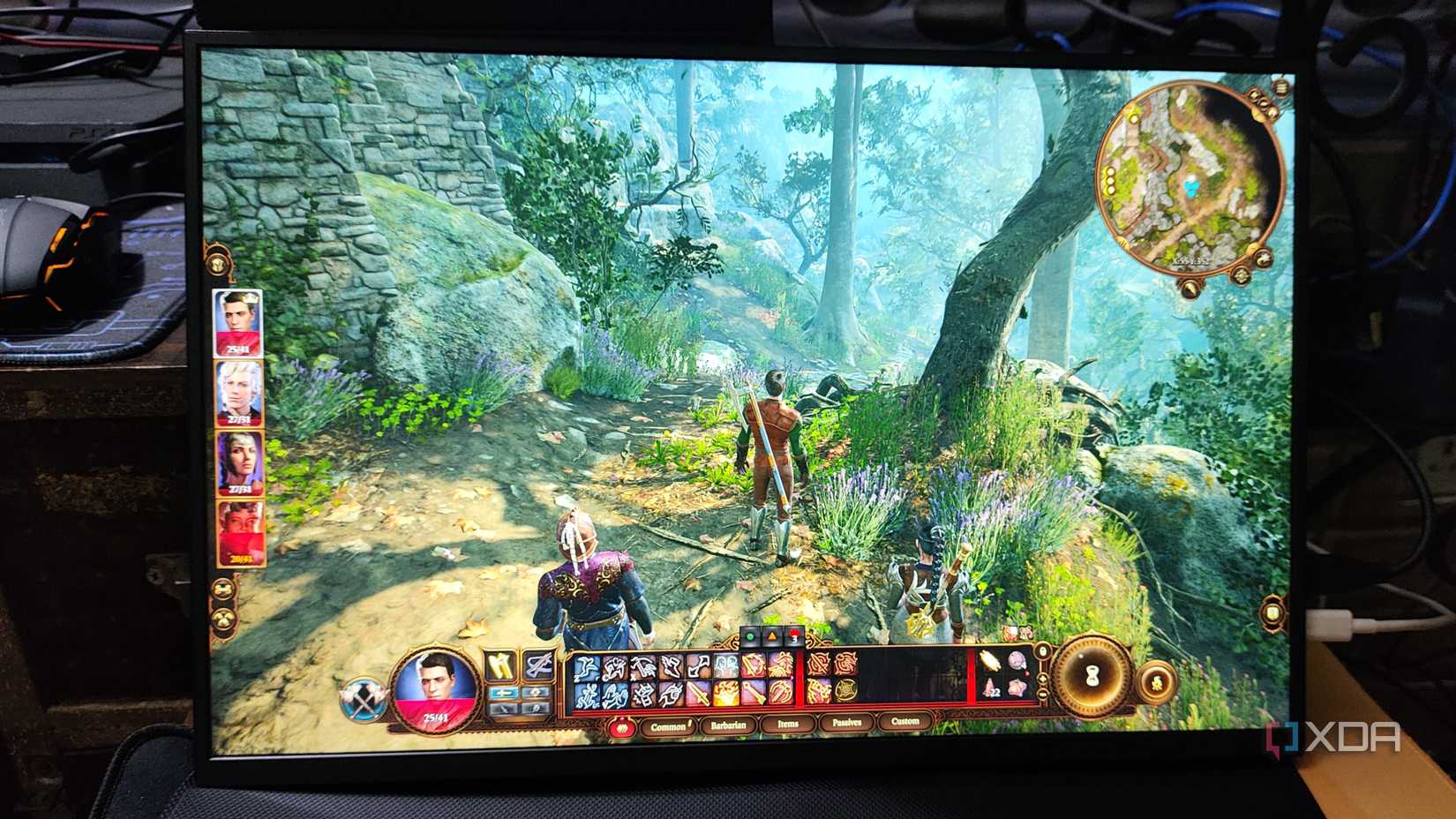
Many competitive esports titles (such as Valorant or Call of Duty) utilize kernel-level anti-cheat software. These programs are designed to detect if the game is being run in a virtualized environment, as VMs have historically been used to hide cheats and hacks. Even with GPU passthrough—a technology that allows a VM to directly access a physical graphics card—these games often refuse to boot. For the modern gamer, this means the "all-in-one" workstation must still maintain a clean, bare-metal Windows installation for gaming, while everything else is safely tucked away in virtual containers.
The Performance Overhead
While virtualization overhead is minimal on modern high-core-count CPUs, it is not zero. For tasks requiring extreme I/O throughput or ultra-low latency, the abstraction layer of a hypervisor can introduce just enough friction to be noticeable. Furthermore, GPU passthrough remains a complex undertaking that requires specific hardware configurations (like IOMMU support), which can be daunting for users who are not technically inclined.
Conclusion: The Path Forward
The future of personal computing is undoubtedly modular. As we continue to demand more from our machines, the ability to isolate, experiment, and destroy environments without consequence will become a prerequisite for power users.
Whether you are a developer looking to keep your system clean of dependency conflicts, or a home-lab enthusiast trying to bring server-grade organization to your gaming rig, the tools are now more accessible than ever. While we may not be able to run every single application inside a virtualized container—thanks to the stubbornness of modern anti-cheat technologies—we are rapidly approaching an era where the "base" operating system is merely a host for a fleet of specialized, virtualized, and perfectly organized digital tools.
By embracing this shift, we move away from the chaotic "spaghetti-code" workstation and toward a refined, efficient computing experience that treats the host machine with the respect it deserves—as a foundation, not a dumping ground.


 Muslim
 Evan Lee Salim