Muslim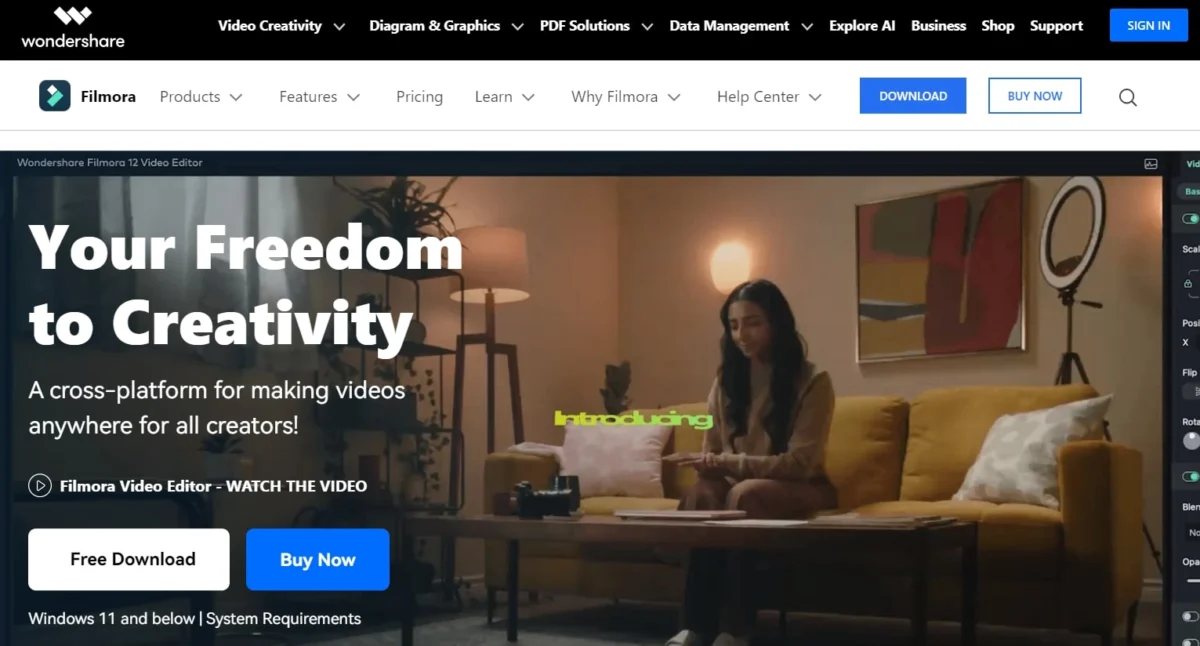
In an era where digital patient journeys begin with a search query, video marketing has evolved from a “nice-to-have” luxury to a fundamental pillar of healthcare communications. As medical providers, hospitals, and biotech firms vie for the trust of an increasingly skeptical and information-hungry public, video stands as the most potent medium for translating complex clinical data into human-centric narratives.
As we look toward 2025, the healthcare sector is undergoing a massive shift. Patients are no longer just passive recipients of care; they are active researchers. Whether through patient testimonials, physician-led explainers, or virtual facility tours, video content acts as a bridge, humanizing brands and demystifying medical processes. However, the path to high-quality production is fraught with industry-specific hurdles—most notably the stringent requirements of HIPAA compliance, the need for clinical accuracy, and the challenge of maintaining absolute credibility in a sensitive landscape.
The following analysis examines the essential tools, strategic implications, and professional standards required for healthcare marketers to dominate the YouTube landscape in 2025.
The Landscape: Why Video is the New Standard of Care
Video marketing is fundamentally transforming the healthcare industry. For decades, patient education relied on brochures and text-heavy websites. Today, the efficacy of visual learning is undeniable. Data consistently shows that patients retain 95% of a message when viewed through video, compared to just 10% when reading it in text.

The Chronology of Digital Healthcare Adoption
- The Pre-2020 Era: Video in healthcare was largely limited to high-budget corporate commercials and occasional public service announcements.
- The 2020-2022 Pivot: The global pandemic forced a digital transformation. Telehealth exploded, and healthcare providers were suddenly required to communicate via screens, creating a baseline expectation for high-quality video production.
- The 2023-2024 Integration: AI-driven tools and advanced editing software became accessible to in-house marketing teams, shifting production from outsourced agencies to internal departments.
- The 2025 Outlook: We are entering the age of "Personalized Clinical Communication," where hyper-targeted, high-production-value content is expected to meet patients where they are—on platforms like YouTube.
Navigating the Challenges: HIPAA and Clinical Integrity
For a healthcare marketer, a video editor is more than just a software suite; it is a repository for sensitive intellectual property and patient stories. The primary concern is not just aesthetic quality—it is compliance.
Data Integrity and HIPAA
When producing patient testimonials or clinical footage, editors must ensure that no protected health information (PHI) is accidentally included in the background or metadata. Using professional-grade, secure editing tools that allow for offline processing or encrypted cloud environments is essential.
Maintaining Credibility
In the medical field, a poorly edited video with distracting transitions or inaccurate medical diagrams can erode trust immediately. High-quality production signals competence. When a viewer sees a crisp, professionally graded, and well-structured video, they unconsciously attribute that same level of professionalism to the medical care provided.
Five Powerhouse Video Editors for 2025
To help healthcare organizations navigate this competitive space, we have identified five premier editing tools that balance performance with the specific needs of the medical sector.
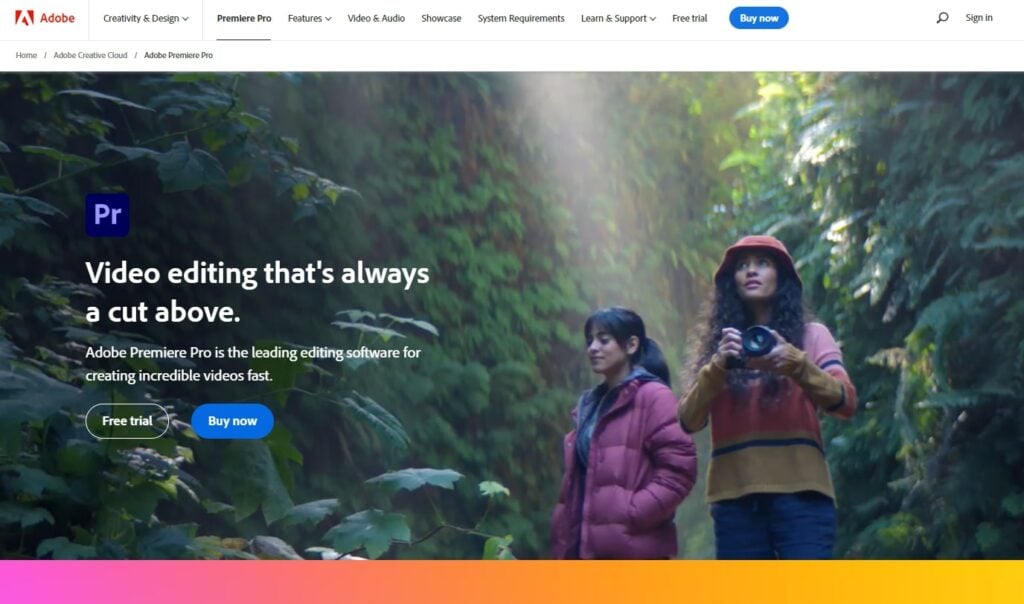
1. Adobe Premiere Pro: The Industry Standard for Professionalism
Adobe Premiere Pro remains the gold standard for high-end healthcare content. Its non-linear editing interface is unmatched for projects that require surgical precision.
- Key Features: Advanced multicam editing, AI-powered audio cleanup (essential for physician interviews in noisy hospital settings), and integration with After Effects for medical motion graphics.
- Pros: Industry-leading stability and a massive library of plugins for high-quality visual effects.
- Cons: Steep learning curve for beginners; requires a monthly subscription.
- Best For: Hospitals and clinics looking to produce high-production-value documentaries, detailed patient success stories, and educational series.
2. Animaker: The King of Medical Animation
When you need to explain a complex mechanism of action (MOA) for a new drug or a surgical procedure, live-action footage often falls short. This is where animation bridges the gap.
- Key Features: Drag-and-drop animation builder, extensive library of medical characters, and AI-powered voiceover tools.
- Pros: Simplifies complex anatomical or procedural concepts; requires no prior animation experience.
- Cons: Can sometimes look "too cartoonish" if not managed with a professional color palette.
- Best For: Pharmaceutical companies and specialists needing to break down complex medical concepts for patients.
3. Filmora: The Efficiency Expert
Healthcare marketing teams are often lean. Filmora provides a middle ground: professional results without the need for a dedicated video editing department.
- Key Features: Intuitive drag-and-drop interface, built-in "Instant Mode" for quick edits, and high-quality royalty-free asset library.
- Pros: Extremely user-friendly; excellent balance between power and accessibility.
- Cons: Advanced users might find the effects library somewhat limiting compared to Premiere Pro.
- Best For: Marketing teams at smaller practices or regional hospitals who need to produce frequent, high-quality social media and YouTube updates.
4. iMovie: The Mac-Based Baseline
For simple, clean, and quick-turnaround content, iMovie remains a staple for Mac users. It is the perfect tool for creating simple video newsletters or quick physician tips.

- Key Features: Simple trimming, basic audio adjustment, and high-quality export settings.
- Pros: Completely free for Apple users; interface is intuitive and requires zero training.
- Cons: Very limited in terms of advanced color correction and multi-track complexity.
- Best For: Individual practitioners or small offices creating simple, authentic content that relies more on the speaker’s personality than visual flair.
5. DaVinci Resolve: The Cinematic Powerhouse
If your healthcare brand is aiming for a cinematic, high-trust aesthetic, DaVinci Resolve is the tool of choice, particularly for its color-grading capabilities.
- Key Features: Hollywood-grade color correction, advanced fairlight audio processing, and a robust node-based visual effects editor.
- Pros: The free version is incredibly powerful; the professional version is a one-time purchase, not a subscription.
- Cons: Extremely hardware-intensive; requires a powerful computer to run effectively.
- Best For: Organizations creating high-end, cinematic brand videos or medical documentaries that require superior visual quality.
Strategic Implications: Building a Video-First Culture
The decision to adopt one of these tools should be based on your organization’s long-term strategy. If your goal is to dominate the search results for specific medical conditions, your content must be consistent.
Supporting Data: The Impact of Quality
Recent market research indicates that healthcare brands that post at least one long-form video on YouTube per week see a 40% increase in patient engagement compared to those that rely solely on text-based blogs. Furthermore, YouTube is the second-largest search engine in the world; neglecting it is essentially ignoring a massive portion of the patient acquisition funnel.
Official Perspectives from Industry Leaders
Top-tier healthcare CMOs are increasingly moving away from "corporate speak" in their videos. The current consensus is that patients want transparency and empathy. The tools listed above allow for this by providing the capacity to edit out the "fluff" and keep the "human" element of the care experience.
Conclusion: Crafting the Future of Healthcare Communication
The transition to video-centric marketing is not merely a trend—it is a reflection of how the modern patient consumes information. By utilizing tools like Adobe Premiere Pro for depth, Animaker for clarity, or Filmora for efficiency, healthcare marketers can effectively communicate their value, expertise, and empathy.
The key to success in 2025 is not just the software you choose, but the strategy behind it. Whether you are creating a simple FAQ video or an in-depth exploration of a new robotic surgery technique, the goal remains the same: to foster trust, improve patient understanding, and demonstrate clinical excellence.
Which path will your organization take? The tools are ready; the audience is watching. It is time to press record.


 Jia Lissa
 Raul Delapena Setiawan