Iffa Jayyana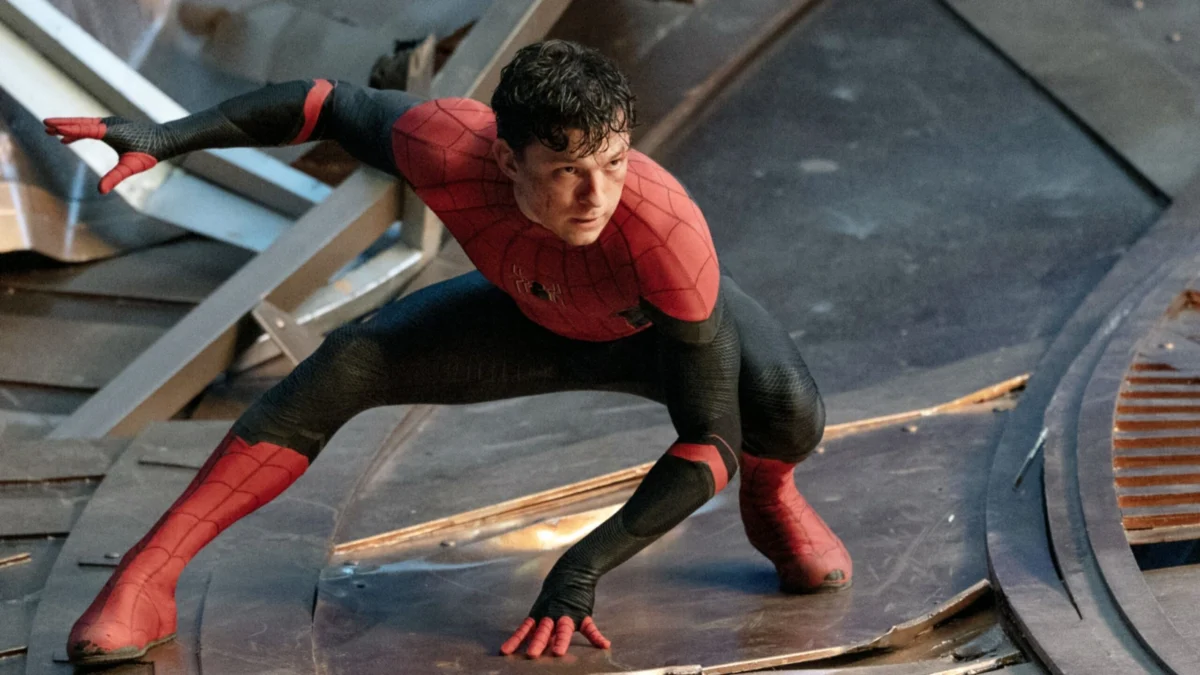
Hollywood’s iconic friendly neighborhood Spider-Man, Tom Holland, has once again signaled his readiness to pass the web-shooters to a new generation, openly endorsing acclaimed young actor Owen Cooper as his ideal successor for the coveted role of Peter Parker within the Marvel Cinematic Universe (MCU). This latest declaration, made just weeks before the highly anticipated release of Spider-Man: Brand New Day, intensifies speculation about Holland’s future and the trajectory of one of pop culture’s most beloved superheroes.
In a candid interview with Esquire, published on June 16, 2026, Holland lauded Cooper, stating, "Owen Cooper would be awesome. Obviously, he’s super-talented and he’s the talk of the town right now." This marks a significant development in the ongoing discussion surrounding the MCU’s Spider-Man, as it’s the first time Holland has publicly named an actor he believes could carry the mantle. The revelation comes on the heels of previous statements where Holland expressed a desire to emulate Robert Downey Jr.’s mentor role, guiding the next iteration of the character before "swinging off into the sunset."
The impending release of Spider-Man: Brand New Day on July 31, 2026, already carries a weight of expectation, not least due to its title, which inherently suggests new beginnings. Holland’s comments inject a fresh layer of intrigue, prompting fans and industry observers alike to ponder whether this film could indeed serve as a transitional chapter for the hero, or merely another chapter in Holland’s ongoing, albeit potentially finite, tenure.
The Trajectory of a Hero: Holland’s Journey and Cooper’s Ascent
Tom Holland’s portrayal of Peter Parker has been a cornerstone of the MCU since his electrifying debut in 2015’s Captain America: Civil War. His youthful exuberance, vulnerability, and comedic timing quickly endeared him to a global audience, making his Spider-Man arguably the most integrated and emotionally resonant iteration within a shared cinematic universe. Over nearly a decade, Holland has anchored three solo Spider-Man films – Homecoming, Far From Home, and No Way Home – alongside pivotal appearances in Avengers: Infinity War and Endgame. Each film has progressively matured his Peter Parker, moving from a wide-eyed protégé to a seasoned, albeit often burdened, hero.
Holland’s latest film, Spider-Man: Brand New Day, is set to continue this evolution, with its title echoing a significant comic book storyline known for its narrative shifts and fresh starts. The actor’s repeated hints at his potential exit, or at least a desire for a reduced role, have been a consistent theme in recent interviews. Earlier in June, speaking to Empire magazine, Holland articulated his wish to "be a part of setting up the next chapter," drawing a direct parallel to how Robert Downey Jr., as Iron Man, guided his early steps in the MCU. "If I could do what [Robert] Downey [Jr.] did for me, then I would be so content swinging off into the sunset," he shared, highlighting a genuine desire for a graceful transition and a lasting legacy.
The actor now put forward as a potential successor, Owen Cooper, represents a compelling choice. Cooper burst onto the scene with his breakout role in last year’s Netflix thriller Adolescence, where his portrayal of a preteen accused of murder garnered widespread critical acclaim. His performance earned him prestigious accolades, including a BAFTA for Best Supporting Actor and a Golden Globe for Best Supporting Actor on Television, solidifying his status as a rising star. This year, Cooper made his feature film debut in a new adaptation of Wuthering Heights, showcasing his versatility, and is slated to appear in 2027’s Cry to Heaven. His meteoric rise and demonstrable dramatic range make him an intriguing candidate for a role as complex and physically demanding as Spider-Man.
Interestingly, like Holland and his predecessor Andrew Garfield (who starred in Sony’s The Amazing Spider-Man duology), Cooper is English. This observation has not gone unnoticed by fans and commentators, sparking humorous remarks about "the British are coming… for the biggest role in American superhero movies." Should Cooper indeed step into the role of Peter Parker, he would become the third English actor in a row to portray the quintessential New York City hero in live-action, a curious trend that adds another layer of discussion to the casting process.
The Mechanics of Succession: Mentorship, Multiverse, and Miles Morales
Holland’s vision for his departure isn’t one of abrupt cessation, but rather a gradual transition built on mentorship. He reiterated this in the Esquire interview, envisioning himself as a guide for the incoming Spider-Man, much like Downey Jr. had been for him. This mentorship concept presents several narrative possibilities within the sprawling MCU.
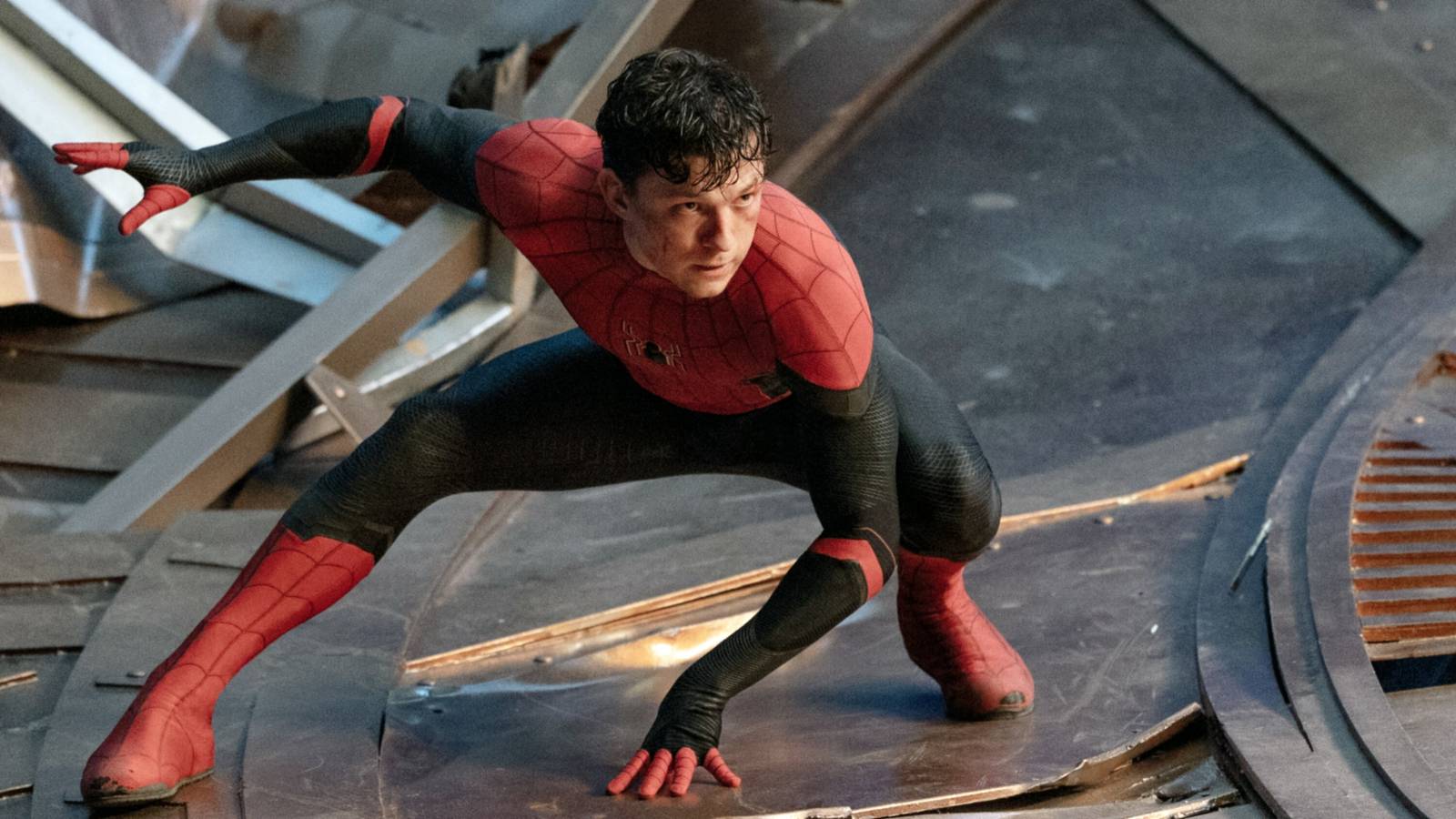
1. A New Peter Parker within the MCU: If Owen Cooper were to play Peter Parker, it would necessitate either a soft reboot of the character within the existing MCU continuity or a complex multiversal explanation. The former could involve a new Peter Parker emerging in a different part of the world, perhaps inspired by Holland’s Spider-Man, or a complete recasting within the same timeline, a move often met with mixed fan reactions but not unprecedented in superhero cinema. A multiversal approach, already firmly established in the MCU, could introduce a Peter Parker from another dimension, allowing Holland’s version to exist simultaneously, at least for a period, facilitating the desired mentorship dynamic. This would align with the events of Spider-Man: No Way Home, which firmly established the existence of multiple Peter Parkers across the multiverse.
2. The Call for Miles Morales: Beyond a new Peter Parker, a significant segment of the fanbase has long championed the introduction of Miles Morales into the live-action MCU. Miles, an Afro-Latino teenager who takes up the mantle of Spider-Man in an alternate universe, has become a beloved figure through comics and the critically acclaimed Spider-Man: Into the Spider-Verse animated films. His inclusion would not only diversify the representation within the MCU but also open up entirely new narrative avenues, exploring different challenges and perspectives of being Spider-Man.
If Miles were to join the MCU, Holland’s mentorship role could seamlessly translate, echoing the dynamic between Peter B. Parker and Miles in Into the Spider-Verse, where an older, jaded Peter guides a nascent Miles. This would allow Holland to fulfill his desire for a mentor role without another actor directly replacing him as Peter Parker. However, the path to Miles Morales’s MCU debut is fraught with complexities, primarily due to the intricate licensing agreements between Disney (Marvel Studios) and Sony Pictures. Sony currently holds the exclusive film rights to Spider-Man and all related characters, meaning any appearance of Miles, Spider-Gwen, Spider-Woman, or other "Spider-Heroes" within the MCU requires careful negotiation and mutual agreement. While Disney and Sony have successfully collaborated on Holland’s Peter Parker films, expanding that collaboration to other characters remains "up in the air," as the article notes, making the introduction of Miles Morales a more challenging, albeit highly desired, proposition.
3. Other Spider-Heroes: The Spider-Verse concept, popularized by Sony’s animated films, offers a wealth of other potential Spider-Heroes like Spider-Gwen (Gwen Stacy) or Jessica Drew (Spider-Woman). Introducing any of these characters would require similar licensing negotiations, but they represent further opportunities for the franchise to evolve beyond the traditional Peter Parker narrative, potentially allowing Holland’s character to mentor a diverse team of web-slingers.
The broader implications of these discussions extend to the longevity of the Spider-Man IP. Marvel and Sony both have a vested interest in keeping the character fresh and relevant for new generations. Whether through a new Peter Parker, the introduction of Miles Morales, or a combination of elements, the future of Spider-Man in live-action is poised for significant transformation.
Official Silence Amidst Growing Speculation
It is crucial to emphasize that Tom Holland’s comments, while significant in their directness, represent his personal opinions and aspirations for the character’s future. As of the publication date, neither Marvel Studios (Disney) nor Sony Pictures has issued any official statements regarding Holland’s potential departure, the casting of a new Peter Parker, or the introduction of Miles Morales into the live-action MCU. This silence is typical of major studios, which prefer to control narratives around their tentpole franchises and often keep casting and contractual details under wraps until official announcements are strategically timed.
Holland’s contract for Spider-Man: Brand New Day is likely part of a multi-picture deal, and while actors often express desires for career changes, the binding nature of these agreements means that any transition would be a carefully planned and negotiated process between the actor and the studios involved. The current focus for both Holland and the studios remains firmly on the upcoming film, which is expected to be a major box office draw and a critical juncture for the character’s arc.
The lack of official responses means that the industry and fans are left to speculate based on Holland’s remarks. While his endorsement of Owen Cooper carries weight given his intimate connection to the role, it does not constitute a casting decision. Similarly, the fervent fan campaigns for Miles Morales, while influential, do not override the complex legal and creative considerations that dictate character introductions in shared cinematic universes.

Implications for the MCU and the Spider-Man Legacy
The potential transition of the Spider-Man mantle, whether to a new Peter Parker or another Spider-Hero, carries profound implications for the broader MCU and the enduring legacy of the character.
Impact on the MCU: Spider-Man has been a central figure in the MCU’s Multiverse Saga, especially after the events of No Way Home. A new Spider-person could either reinforce the multiversal themes or introduce a fresh perspective that helps ground the universe as it moves beyond its initial phases. The character’s unique blend of street-level heroism and cosmic involvement makes him invaluable to the narrative fabric of the MCU. Losing Holland’s Spider-Man entirely without a clear succession plan would create a significant void. Conversely, a successful transition could inject new energy and expand the narrative possibilities, attracting new audiences while retaining existing ones.
Fan Reaction: The prospect of a new Spider-Man will undoubtedly ignite passionate debate among fans. Some will be excited by the freshness and the opportunity to see new interpretations, particularly those who have long awaited Miles Morales. Others may feel a sense of loss, having grown up with Holland’s portrayal, and may be resistant to change. The choice of Owen Cooper, while celebrated by Holland, will be scrutinized by a global audience eager to protect the integrity of their beloved hero. The discourse will likely be intense, highlighting the deep emotional connection fans have with the character.
Future of the Spider-Man IP: For Sony, Spider-Man remains its crown jewel, the linchpin of its cinematic ambitions, including its expanding universe of Spider-Man adjacent characters (Venom, Morbius, Kraven, etc.). Maintaining the character’s popularity and successful integration into the MCU is paramount. For Disney/Marvel, Spider-Man’s presence in the MCU is a significant draw, contributing to box office success and merchandise sales. A smooth and well-received transition is therefore in the best interests of both studios, ensuring the character’s continued commercial and cultural relevance for decades to come.
Holland’s Legacy: If Holland does step down, his tenure will be remembered as a pivotal era for Spider-Man. He not only brought the character into the MCU but also navigated complex multiversal storylines and embodied a version of Peter Parker that resonated deeply with a generation. His desire to mentor his successor, rather than simply exit, speaks to his profound respect for the role and his commitment to its future, solidifying his legacy as a thoughtful steward of the character.
As Spider-Man: Brand New Day prepares to swing into theaters on July 31, all eyes will be on Tom Holland. Whether this film marks a definitive conclusion to his era or simply another chapter in his evolving journey, his latest comments have ignited a fascinating conversation about the future of Spider-Man, the nature of cinematic legacies, and the potential for a "brand new day" indeed for one of fiction’s most enduring heroes.


 Lina Irawan
 Sagoh
Sagoh