

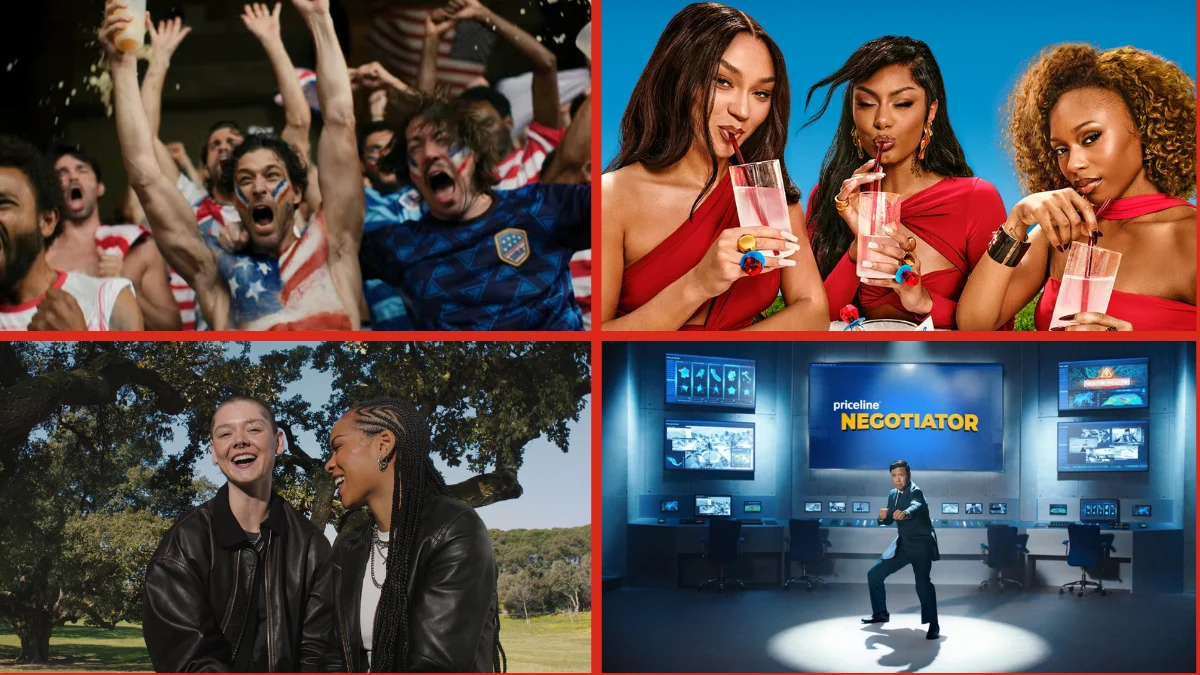
The global advertising landscape continues to shift at a dizzying pace, moving away from traditional, product-centric messaging toward high-concept, star-studded storytelling that leans heavily into cultural nostalgia and hyper-specific lifestyle niches. As we approach the industry’s most prestigious summits—most notably the upcoming Cannes Lions festival—brands are sharpening their creative arsenals, utilizing A-list celebrity talent and emotional resonance to capture the ever-elusive attention of the modern consumer.
This week, the marketing world witnessed a fascinating convergence of Hollywood charm, Gen Z-focused digital strategy, and a return to "effective" storytelling. From the high-stakes world of skincare to the nostalgic comfort of fast food, the current creative zeitgeist proves that while the platforms change, the human desire for a well-told story remains constant.
Main Facts: The Stars Align in Brand Land
This week’s creative output was defined by a heavy reliance on familiar faces to anchor brand identity. The strategy is clear: when consumer attention is fragmented, borrow the equity of a beloved celebrity to cut through the digital noise.
- Stanley Tucci for TJ Maxx: The Devil Wears Prada icon steps into a role of contrition, framing the brand’s value proposition through a lens of sophistication and self-awareness.
- William Shatner for Priceline: In a classic display of brand longevity, the veteran actor reclaims his throne as the face of the travel giant, appearing in a relaxed, beach-lounger setting that emphasizes ease of use.
- Carmelo Anthony for CeraVe: The NBA legend pivots to the role of "head coach," bringing his authority from the court to the skincare aisle, targeting a demographic that values both performance and dermatological science.
- KFC’s "Live Life to the Fullest": Recognized as the Most Effective Ad of the Week in partnership with EDO, this campaign serves as a masterclass in emotional resonance, positioning fried chicken not just as a meal, but as a catalyst for living with abandon.
Chronology: A Week of Creative Maneuvers
The release cycle this week showcased a diverse cross-section of industries, each attempting to solve a specific marketing challenge through creative intervention.
Early Week: The Celebrity Pivot
The week opened with the aggressive rollout of celebrity-led campaigns. The CeraVe spot featuring Carmelo Anthony garnered significant engagement on social media platforms, as the brand leaned into the "basketball coach" trope to demystify its skincare regimen. Simultaneously, the TJ Maxx campaign featuring Stanley Tucci signaled a move toward "high-low" marketing, where a high-brow actor lends gravitas to an off-price retail experience.
Mid-Week: Cultural Alignment and Niche Targeting
As the week progressed, the focus shifted to cultural events and generational demographics. Hinge launched a sophisticated digital push aimed squarely at Gen Z, focusing on the "anti-dating app" sentiment that has permeated youth culture. Meanwhile, Dove made its historic debut in the World Cup arena with "FIFA Fandom: Rinse and Repeat," a campaign by BBDO that bridges the gap between athletic intensity and personal care.
Late Week: The Academic and Technical Shift
The latter half of the week saw Apple Mac return to its "Back to School" roots. These spots emphasize the creative utility of the hardware, grounding the brand in the functional needs of the student demographic while maintaining the sleek, minimalist aesthetic that defines Apple’s visual identity.
Supporting Data: Why "Effective" Means Emotional
In partnership with EDO, our Most Effective Ad of the Week—KFC’s latest campaign—highlights a critical shift in performance metrics. While click-through rates (CTR) remain important, "effectiveness" is increasingly measured by search intent and emotional conversion.
Data indicates that ads featuring "Life-Affirming" narratives outperform those focusing solely on price or discounts by a factor of 3:1 in terms of long-term brand recall. For KFC, the strategy of positioning the brand as a reward for a life well-lived creates an aspirational halo effect. This aligns with recent market research suggesting that consumers are suffering from "discount fatigue" and are instead gravitating toward brands that validate their lifestyle choices.
Furthermore, the CeraVe campaign has seen a 14% uptick in social sentiment among male consumers aged 18-34, proving that the intersection of celebrity authority (Anthony) and dermatological endorsement is a high-growth sector for legacy beauty brands.
Official Responses and Industry Perspectives
"The goal this year," says a spokesperson for the Cannes Lions organizing committee, "is to move past the superficiality of celebrity cameos. We are looking for campaigns where the celebrity is a conduit for the brand’s core values, not just a billboard."
Industry analysts have been quick to weigh in on the trend. "We are seeing a ‘Nostalgia Paradox,’" notes marketing strategist Elena Vance. "Brands like Priceline and TJ Maxx are using legacy stars to bridge the gap between their established customer base and younger cohorts who view these stars through a lens of internet-meme culture. It’s a very calculated risk."
Regarding Dove’s World Cup entry, brand consultants suggest that the move is part of a larger strategy to own the "post-athletic recovery" space. "It’s not just about the game," the brand stated in a press release. "It’s about the ritual of returning to yourself after the high-stakes drama of a match."
Implications: The Future of Brand Storytelling
The implications of this week’s campaigns are twofold:
1. The Death of the "Generic" Spokesperson
The era of the neutral celebrity spokesperson is effectively over. Brands are now seeking "Character Actors"—individuals who bring a specific tone, history, and narrative weight to the screen. Stanley Tucci is not just a face; he represents a specific brand of cultured reliability. Carmelo Anthony brings the grit and discipline of a professional athlete. This signals that brands are treating their advertisements like short-form cinema rather than simple commercial breaks.
2. The Return to Purpose-Driven Consumption
Even in fast food and travel, the messaging is shifting toward "Living Life." The success of the KFC campaign suggests that consumers are looking for brands that encourage them to engage with the world, rather than hide from it. As we move into the latter half of 2026, we can expect more brands to align themselves with the "pro-experience" movement.
3. The Digital-Physical Hybrid
Hinge’s targeting of Gen Z and Apple’s education-focused ads highlight the ongoing tension between physical utility and digital identity. For these brands, the advertisement is merely the entry point to a digital ecosystem. The success of these campaigns will ultimately be measured by how seamlessly they transition the viewer from a passive observer to an active user within their proprietary apps or platforms.
Conclusion: Preparing for Cannes
As we look toward the 2026 Cannes Lions, the trends established this week provide a roadmap for what will likely be rewarded on the world stage. The industry is moving toward a more sophisticated, narrative-driven model where celebrity equity, emotional intelligence, and technical utility converge.
For brands, the challenge remains: how to maintain this level of creative output in an increasingly fragmented attention economy? The answer, as evidenced by this week’s winners, lies in the ability to be both universally recognizable and intensely personal. Whether it is a beach-lounging William Shatner or a football-focused Dove spot, the common thread is the creation of a moment—a fleeting, human-centric connection that transcends the product itself.
As the industry converges on the Croisette, these campaigns will serve as the benchmark for excellence. They remind us that while the tools of the trade—AI, data analytics, programmatic buying—are more advanced than ever, the soul of the industry remains rooted in the oldest art form of all: the story.
Join ADWEEK for our ongoing coverage of the road to Cannes 2026. From exclusive interviews with top CMOs to deep dives into the data that is shaping the future of media, we are your essential guide to the moments that matter.












No comments yet. Be the first to join the conversation!