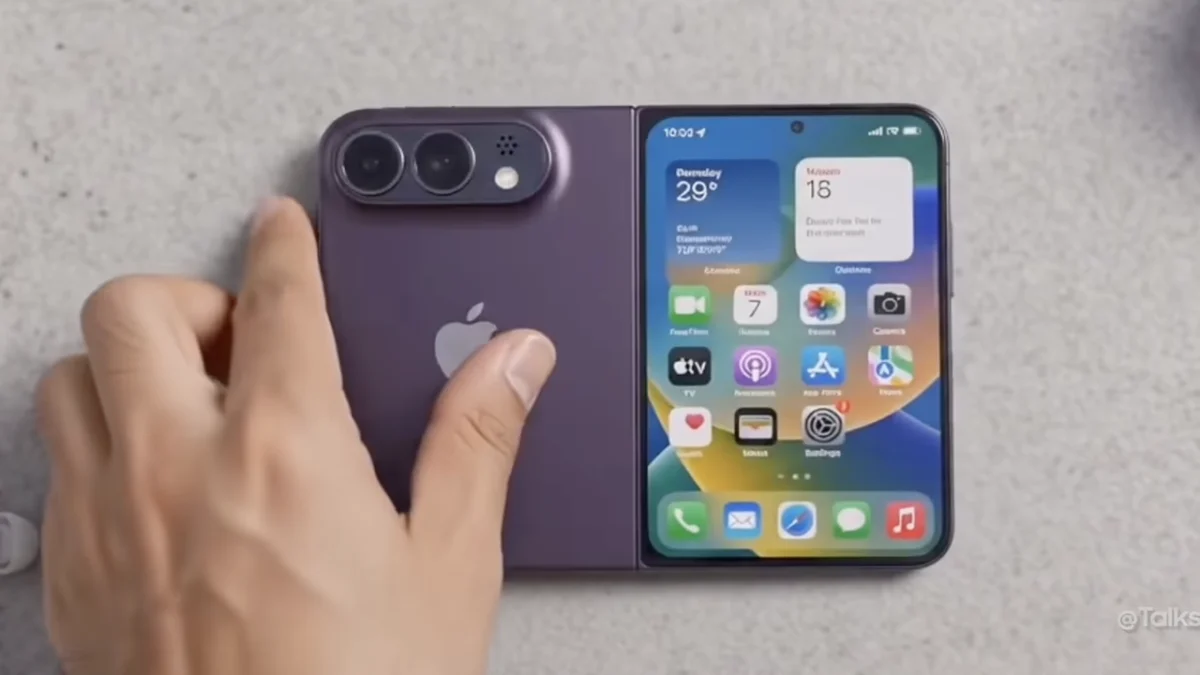
The tech industry is currently holding its collective breath. After half a decade of rampant speculation, patent filings, and "will-they-won’t-they" rumors, the long-awaited folding iPhone—variously dubbed the iPhone Ultra, Flip, or Fold—is finally expected to make its debut this week. For Apple enthusiasts, this marks the most significant design shift in the smartphone’s history. Yet, as the excitement builds around flexible displays and innovative hinge mechanics, a growing chorus of medical professionals and ergonomic experts is raising a pragmatic concern: what will this mean for the human hand?
While the industry focuses on the "wow" factor of a bendable screen, the physical reality of the device’s weight and form factor is prompting a critical conversation about repetitive strain and the long-term impact of our increasingly heavy pocket companions.
The Evolution of the "iPhone Pinky"
To understand the concern, one must look at the recent history of smartphone ergonomics. Most users are already familiar with the phenomenon colloquially known as "iPhone pinky." This minor, yet persistent, musculoskeletal discomfort occurs when a user supports the base of their smartphone with their little finger during prolonged periods of "doomscrolling."
The condition is a direct byproduct of the trend toward larger, heavier, and more rigid glass-and-metal slabs. Now, with the introduction of foldable technology, that physical burden is poised to shift from the pinky to the thumb—the most heavily utilized digit in modern digital navigation.
Chronology: From Concept to Clinical Concern
The journey of the foldable iPhone has been a long and winding road, stretching back to 2019 when competitors like Samsung and Motorola first signaled the arrival of the foldable era.
- 2019–2021: The Speculation Phase. Early patent filings from Apple suggested interest in "wraparound" displays and "hinge-less" folding mechanisms, sparking years of leaks and industry analysis.
- 2022–2023: The Competitor Benchmark. As the Samsung Galaxy Fold series matured, the industry gained real-world data on how foldable devices impact daily usage patterns. During this time, early anecdotal reports began to surface on platforms like Reddit, where users questioned the physical toll of holding a thicker, denser device.
- 2024: The Weight Warning. Leaks surrounding the upcoming iPhone 17 and its potential folding counterpart indicate a significant weight disparity. Reports suggest the new model could be up to 78 grams heavier than the standard handset when folded, a jump that is non-trivial for the delicate tendons of the hand.
- 2025: The Imminent Launch. As the product nears its official unveiling, the discourse has shifted from "can they build it?" to "how will it change the way we physically interact with our devices?"
Supporting Data: The Physics of Strain
The core of the issue lies in mass and distribution. While 78 grams might seem negligible in a grocery bag, the mechanics of holding a smartphone are significantly more nuanced.
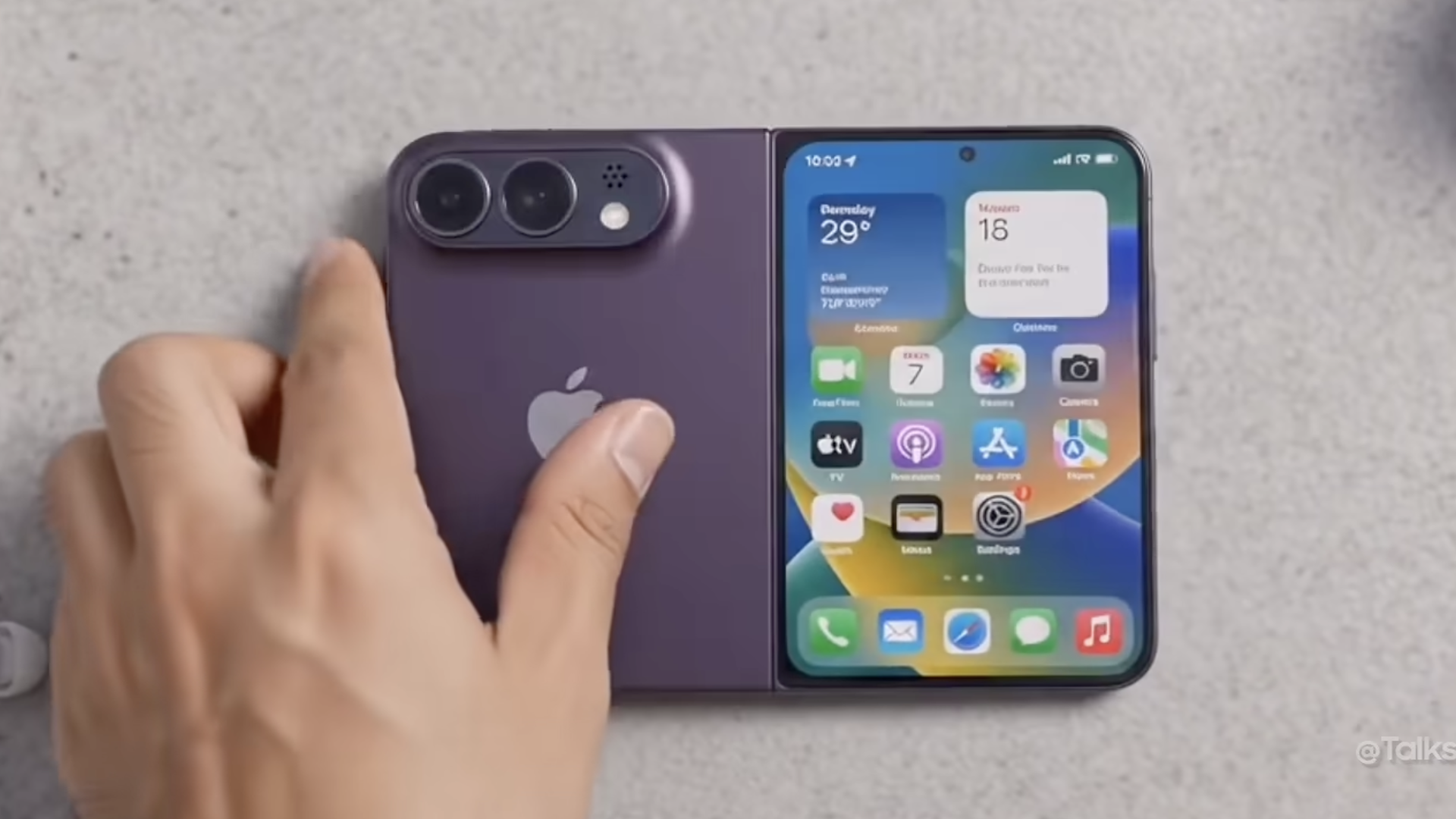
Musculoskeletal physical therapist Martin Ratcliffe, speaking to the consumer research site Compare and Recycle, highlights that the issue isn’t necessarily the weight alone, but the duration of exposure. "After several hours of use, the continued strain from the added weight can lead to fatigue and increase tension on the tissues, particularly the tissue around the thumb," Ratcliffe explains.
The thumb is an incredibly complex digit, governed by the CMC (carpometacarpal) joint. Unlike the fingers, which are designed for gripping, the thumb is designed for opposition and fine motor control. When we use a device, we are forcing the thumb to act as both a stabilizer and a navigator for extended periods. When you add a thicker, heavier chassis—the signature of a folding phone—the torque applied to the base of the thumb increases.
Furthermore, the "grip position" required for a folded device differs from a standard slab. A folded phone is typically thicker and less balanced, forcing the hand into a more cramped, static posture. This lack of variation in grip is a primary driver of repetitive strain injury (RSI).
The User Experience: What Reddit Tells Us
Digital communities have been the first to document the potential downsides of the foldable transition. A quick dive into subreddits dedicated to foldable devices reveals a recurring theme: "Is it normal for my hand to sting?"
Users of existing foldable handsets have frequently noted that the shift from a slim phone to a foldable model requires a period of "hand conditioning." Many report initial soreness in the thenar eminence—the fleshy part of the palm at the base of the thumb. These complaints, while often dismissed as minor, represent a real-world feedback loop that Apple’s industrial design team is likely watching closely. The question remains: can Apple’s rumored obsession with ergonomics and thinness mitigate these inherent physical disadvantages?
Implications for the Modern User
What does this mean for the average consumer? It does not necessarily mean that the foldable iPhone is inherently dangerous, but it does mean that our relationship with the device must evolve.
The Rise of Ergonomic Awareness
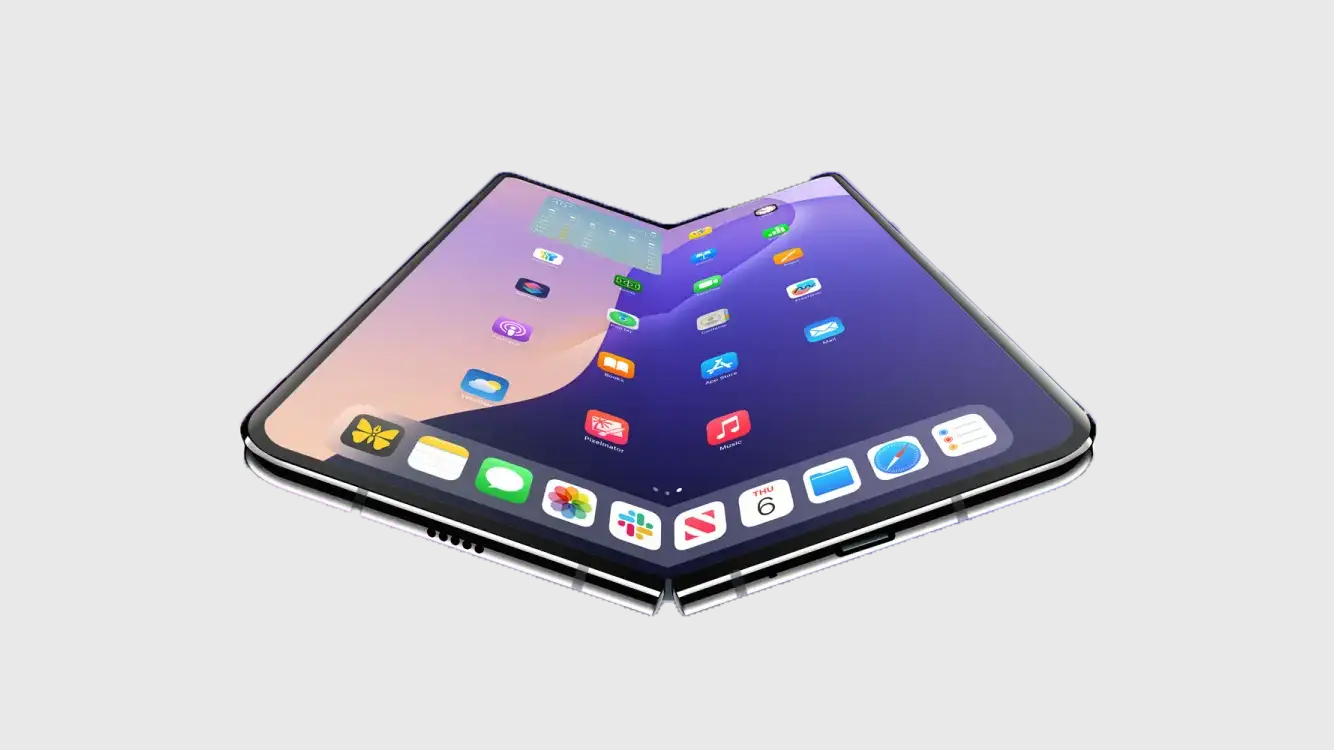
If the industry continues to move toward heavier, more complex devices, we may see a shift in how phones are marketed. Just as we see "blue light" filters for eye health, we may eventually see "ergonomic balancing" as a selling point. Developers may also begin to optimize UI layouts to require less thumb travel, effectively reducing the distance a thumb must traverse across a larger, heavier screen.
The "Micro-Break" Methodology
For those planning to upgrade to the latest folding technology, medical experts suggest a "Micro-Break" protocol. Martin Ratcliffe recommends:
- The 30-45 Minute Rule: Never exceed 45 minutes of continuous device use without a total release of the grip.
- The "Look Away" Strategy: Physically putting the phone down does more than just give the thumb a break; it interrupts the neural loop of mindless scrolling, allowing the tissues to recover.
- Active Stretching: Simple, low-impact movements—such as spreading the palms wide, shaking out the wrists, and gently massaging the thumb joint—can promote blood flow and prevent the buildup of tension.
Conclusion: Innovation at a Cost?
The folding iPhone represents a pinnacle of engineering. The ability to pocket a device that transforms into a tablet-sized screen is, for many, the "holy grail" of mobile tech. However, as we stand on the precipice of this new era, it is worth remembering that our bodies were not designed for the sedentary, repetitive nature of the smartphone age.
While Apple’s design philosophy has always leaned toward human-centric engineering, the laws of physics are difficult to overcome. The extra mass of a hinge, the density of dual-battery configurations, and the increased thickness of the device are features of the hardware that no software update can fix.
As we move into this next phase of the mobile revolution, consumers should treat their devices with the same mindfulness as a professional athlete treats their equipment. Enjoy the folding screen, revel in the display real estate, and admire the engineering—but remember to stretch your thumbs. After all, the best tech is the kind that doesn’t leave a lasting mark on the user.