

Introduction
The intersection of fantasy literature and modern media often reveals profound truths about the human condition. While the genres of high fantasy—such as Robert Jordan’s The Wheel of Time—and superhero fiction—exemplified by Marvel’s X-Men—appear disparate on the surface, they share a fundamental obsession with the burden of identity. A recent thematic analysis has drawn a compelling parallel between two of fiction’s most iconic, brooding figures: Perrin Aybara, the Wolfbrother of the Two Rivers, and Logan, the mutant known as Wolverine. Both characters serve as metaphors for the struggle against perceived "animalistic" nature and the crushing weight of preordained duty.
Chronology of a Shared Struggle
The comparison gains significant traction when examining the character arcs within The Wheel of Time and the recent X-Men ’97 animated series.
For Logan, the journey in X-Men ’97 is defined by a traumatic loss of his adamantium skeleton, followed by a desperate, self-destructive quest to reclaim it. In the fifth episode of the second season, Logan manipulates his allies—most notably the shapeshifter Morph—to infiltrate a Weapon X facility. The mission results in tragedy, exposing Logan’s single-minded obsession with becoming the "weapon" he believes he must be. When confronted by a wounded and betrayed Morph, Logan delivers a haunting justification: "Not everyone can be like you, Morph. Not everyone can be more than one thing. Some people can only be one thing."
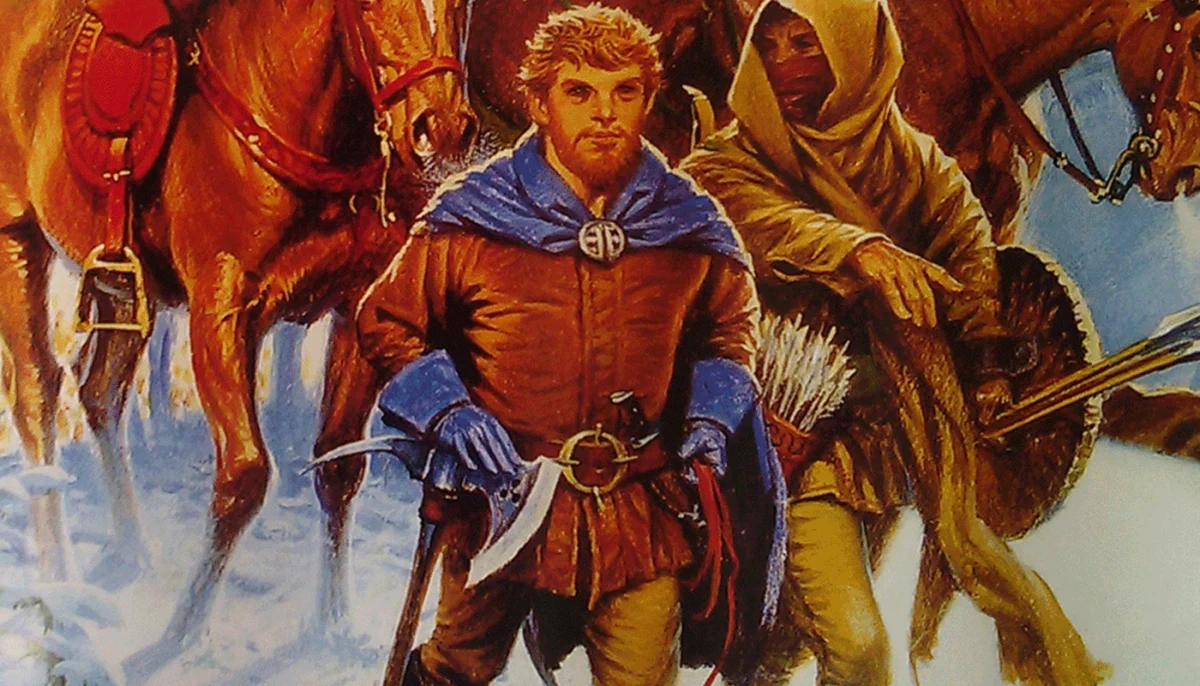
Conversely, Perrin Aybara’s narrative arc follows a similarly grueling trajectory. Beginning as a gentle blacksmith’s apprentice in the Two Rivers, Perrin’s life is upended by the arrival of the Dark One’s forces. Forced into a world of violence he never sought, Perrin is haunted by the duality of his existence. He is a man who fears the "Wolf" within him—a supernatural connection that offers him power at the cost of his humanity. Just as Logan views himself through the lens of a berserker, Perrin views his capacity for violence through the lens of the wolf.
Supporting Data: The Dehumanization of the "Beast"
The thematic bridge between these characters is built upon the concept of the "other." In both narratives, the protagonists have been conditioned by their environment to view themselves as monsters.
The Weapon X Archetype
Wolverine’s self-identification as an animal is a direct result of institutional trauma. The Weapon X program did not merely alter his biology; it institutionalized his sense of self-worth based on his lethality. By framing himself as "the best there is at what he does," Logan narrows his existence to a singular function: violence. This binary worldview—that he is either a killing machine or nothing at all—is a psychological defense mechanism against the complexity of his own trauma.
The Wolfbrother’s Burden
Perrin’s internal conflict is rooted in a similar fear of total absorption. His struggle with the wolf side is not merely physical; it is an existential terror that the beast will consume the man. During the series, particularly in his pursuit of his wife, Faile, Perrin demonstrates a capacity for extreme violence—such as the incident in Malden—which he immediately labels as "wolf-like."
However, as the narrative progresses, it becomes clear that this label is a misnomer. Perrin’s violence is not the instinctual hunting of a predator; it is the desperate, often irrational, act of a grieving and protective human. The irony lies in the fact that, like Logan, Perrin is clinging to a false, simplified identity to avoid the responsibility of his own choices.
Official Literary and Thematic Perspectives
Literary critics and fans of Robert Jordan’s work have long noted that Perrin’s journey is one of the most sophisticated studies of pacifism and necessity in fantasy literature. The choice of the hammer over the axe is a pivotal moment in his character development. The axe, a weapon of pure destruction, represents his surrender to the "wolf" identity. The hammer, conversely, is a tool of creation and utility. By choosing the hammer, Perrin begins to accept that he can be a man who possesses the capacity for violence without being defined by it.
In X-Men lore, the perspective of the "Other" is central. Mutants represent the marginalized, and Wolverine serves as the embodiment of the "weaponized" marginalized individual. Morph’s role as the mirror to Logan is essential. Morph, who is literally "more than one thing," represents the fluidity of identity that Logan is currently too traumatized to embrace.
Implications: The Choice of Identity
The implications of these parallel journeys are profound for readers and viewers alike. Both characters are stuck in a cycle of "self-fulfilling prophecy." They believe they are monsters, so they act in ways that confirm that belief, thereby insulating themselves from the vulnerability of true connection or peace.
The Danger of Binary Thinking
The rigid, black-and-white morality often exhibited by external forces—such as the Whitecloaks in The Wheel of Time or the anti-mutant sentiment in X-Men—only exacerbates the protagonists’ internal struggles. When the world tells you that you are a monster, it is far easier to become that monster than to fight the uphill battle of proving your humanity.
Perrin’s upcoming confrontation with Galad, a character defined by his own strict, if more noble, binary morality, promises to be a flashpoint for this realization. If Perrin can transcend his own rigid self-definition, he may finally be able to challenge the very foundations of the prejudices he has faced.
The Path to Integration
The resolution for both characters does not lie in the eradication of their "other" side—be it the adamantium-laced skeleton or the golden eyes of the wolf—but in the integration of those traits into a whole identity.
For Wolverine, the path forward requires accepting that he can be both a protector and a killer, a friend and a soldier. For Perrin, it requires the realization that he can be a lord, a husband, a blacksmith, and a wolfbrother simultaneously. As the wolf Hopper teaches him in the World of Dreams, even a wolf is not "just one thing." The wolf hunts, yes, but it also protects the pack and observes the world with a clarity that the human mind often obscures.
Conclusion
The comparison between Perrin Aybara and Logan serves as a masterclass in character study. Both figures demonstrate that the greatest battle one can fight is the one waged against one’s own self-perception. Whether in the high-stakes political intrigue of the Age of Legends or the grim halls of a secret military facility, the lesson remains the same: we are not defined by the tools we use, nor by the labels others place upon us.
We are defined by our choices. As Perrin approaches his destiny, he is no longer just a man running from his nature, but a man finally beginning to define his own existence. In that, he and Wolverine find a common, albeit difficult, path toward true self-actualization. They are not merely the beast, nor are they merely the man; they are the synthesis of both, and that is a far more powerful thing to be.










