


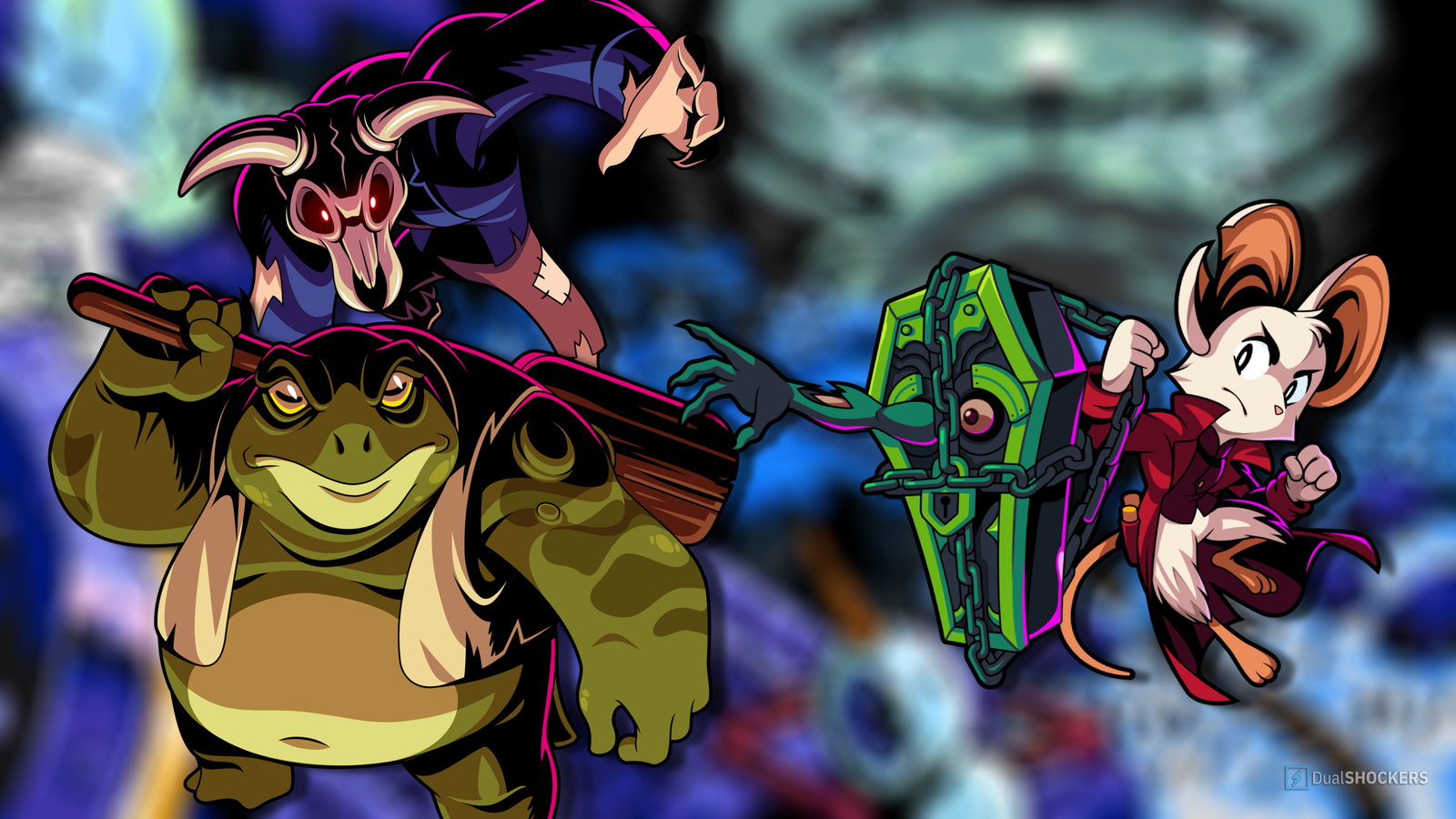
Since the launch of Mina the Hollower, Yacht Club Games’ latest masterpiece, players have been swept away by its gothic charm, intricate combat, and punishing, retro-inspired mechanics. However, for those who have already conquered the main campaign, the adventure doesn’t have to end. While a New Game Plus mode provides a standard way to revisit the world, the true longevity of the title lies within its robust modifiers menu.
While these tools are officially marketed as accessibility options designed to assist players who might be struggling with the game’s steep difficulty curve, they serve a dual purpose. For the daring, these toggles can transform Mina the Hollower into a harrowing gauntlet, ideal for speedrunners, content creators looking to showcase high-level play, or simply those who find the base game too forgiving.
The Foundation of Challenge: Important Considerations
Before diving into the specific modifiers, it is vital to understand the "house rules" of these settings. First, enabling most difficulty-scaling modifiers will automatically disable achievements for that save file, ensuring that the "true" completionist path remains focused on the intended challenge. Second, many of these options are "global," meaning they can only be toggled at the very inception of a new save file. Finally, several of the most extreme modifiers are gated behind the completion of the game, serving as a reward for those who have already proven their mettle on the Tenebrous Isle.
Chronology of Escalation: How Modifiers Transform Gameplay
When you manipulate these settings, you aren’t just changing numbers; you are fundamentally altering the rhythm of the game. A standard playthrough relies on a predictable cadence of resource management and combat encounters. By introducing these variables, you disrupt that cycle.
10. Take 1.5x Damage: The Fragile Protagonist
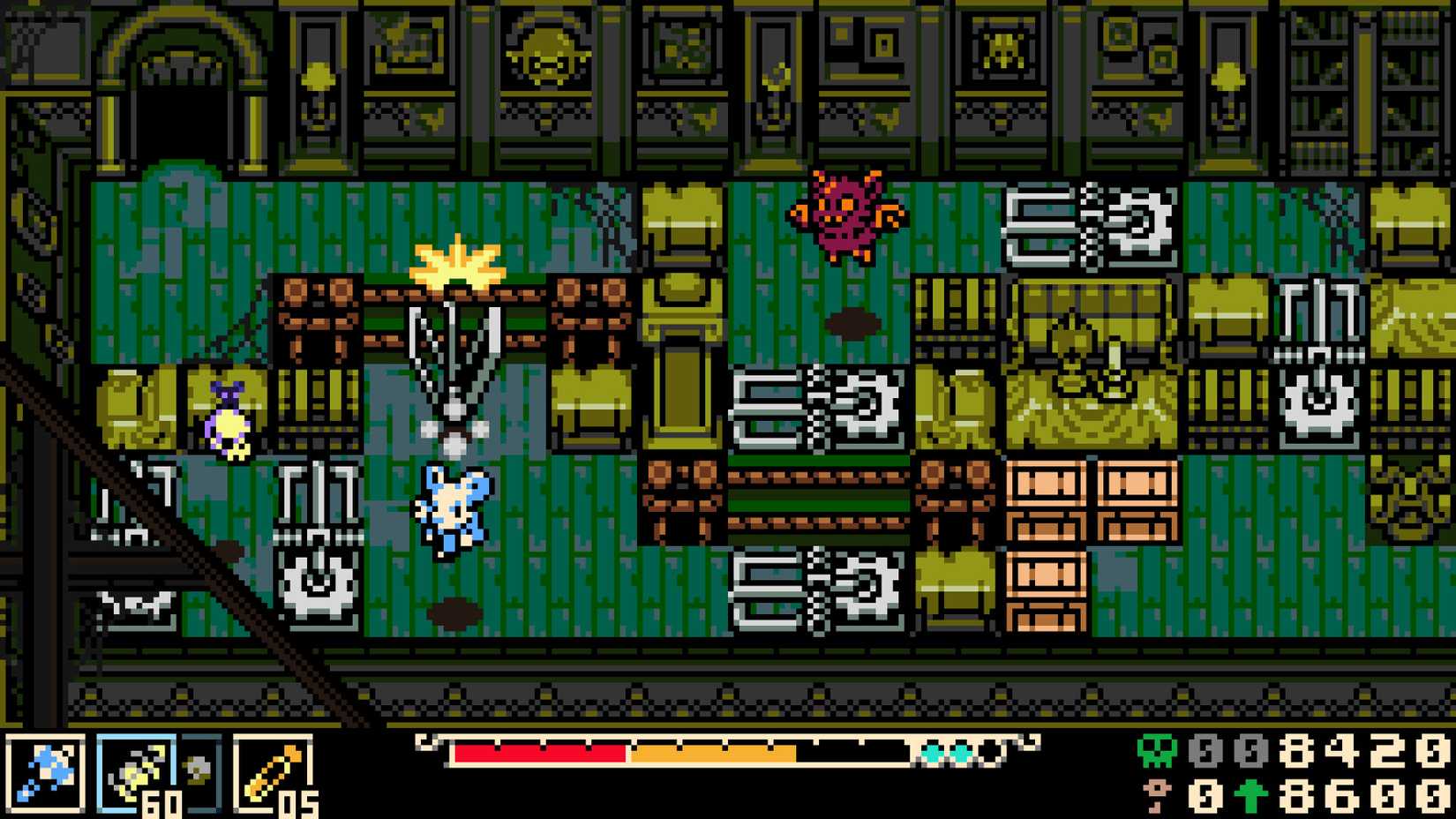
Barring rare environmental hazards like the lethal mousetraps in Radiant Manor, Mina the Hollower usually allows for a margin of error. Players learn to gauge the "cost" of taking a hit. The 1.5x Damage modifier removes that safety net.
Because damage in the game is calculated exponentially, this 1.5x multiplier is deceptive. A minor hit that might have tickled your health bar now becomes a significant setback. A heavy hit that would normally leave you on the brink of death will now result in an immediate "Sparkless" state. This forces a shift in playstyle: aggressive, reckless combat becomes a liability, and mastery of the burrowing mechanic becomes a non-negotiable requirement for survival.
9. Candle Danger: Paranoia in the Dark
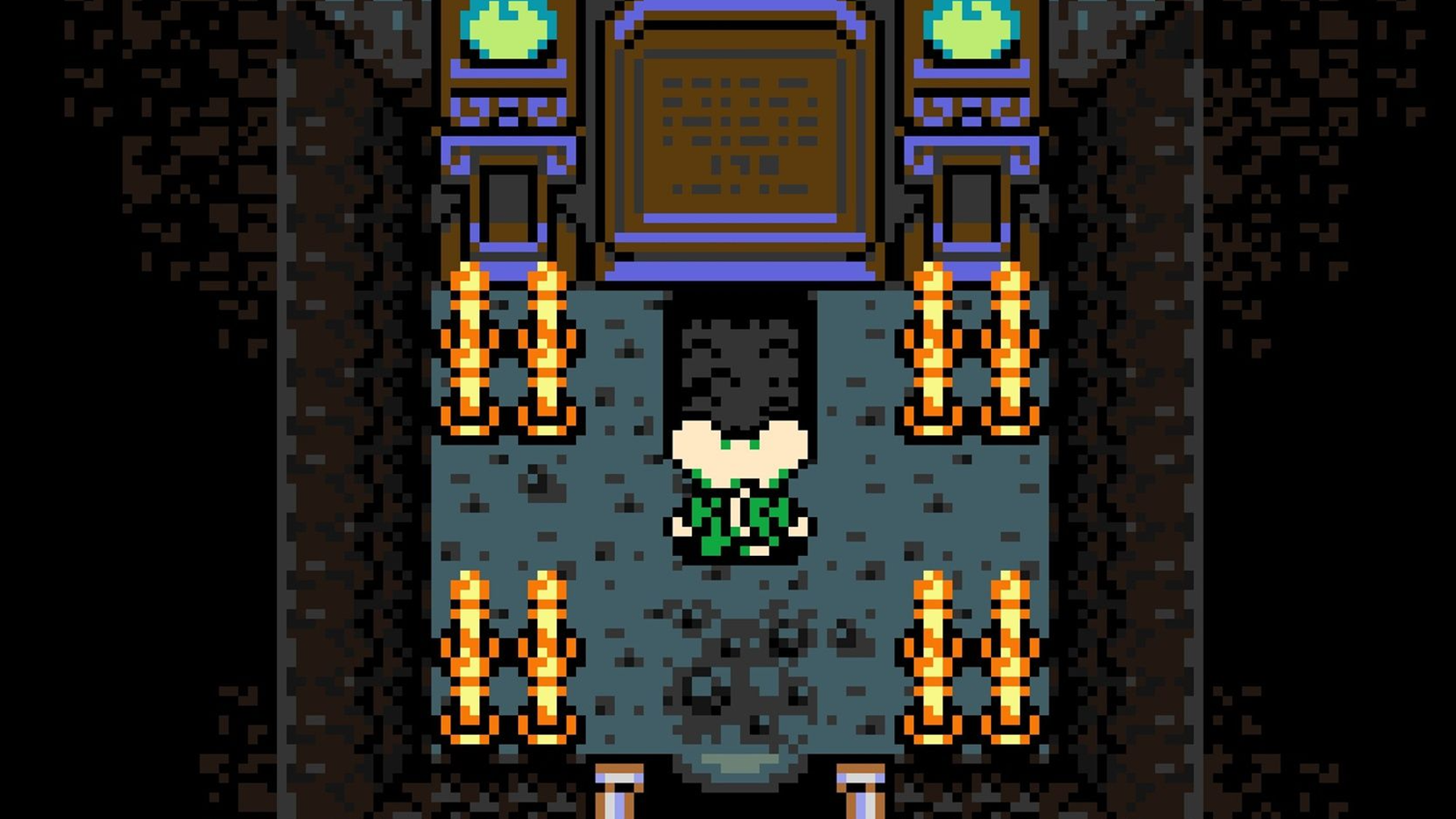
In a nod to the classic Castlevania titles, candles are the primary source of consumable resources like Joules and bones. Usually, breaking a candle is a moment of relief. The Candle Danger modifier turns this routine act into a gamble. With this enabled, there is a randomized chance that a candle will spawn a hostile enemy directly in your space. This forces players to approach every resource node with caution, effectively turning simple item-gathering into a high-stakes combat encounter.
8. The Floor is Lava: Mobility as a Constraint
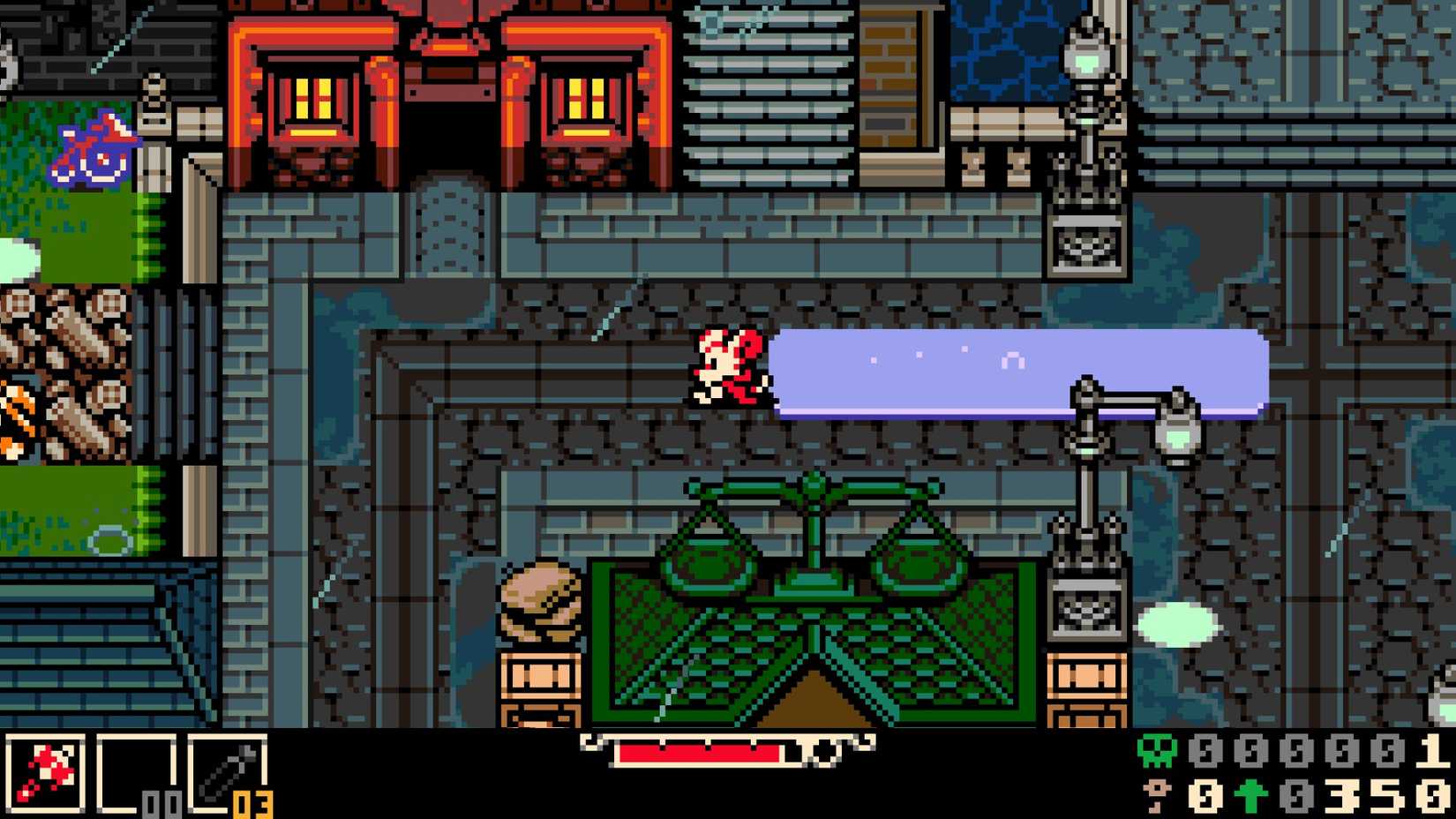
Mina is a highly mobile protagonist, capable of traversing large gaps with ease. The Floor is Lava modifier introduces a persistent, corrosive ooze trail that follows your movement. This prevents players from "kiting" enemies or backtracking through rooms to manage space. In boss arenas, where every inch of floor counts, this modifier forces you to optimize your pathing, turning the environment itself into your greatest enemy.
Supporting Data: Enemy Scaling and Economic Instability
Beyond environmental hazards, the game’s internal economy and mob logic can be pushed to the breaking point.
7. Level Up Enemies: The End-Game Grind
Throughout the game, enemies like Gremlins and Troopers appear in tiered variants. Usually, the "elite" versions are reserved for the final areas of the game. The Level Up Enemies modifier forces the game to spawn the strongest variant of every enemy type from the very first level. This creates a massive power gap in the early game, where your base stats are low and your toolset is limited, requiring surgical precision to overcome even the most common fodder.
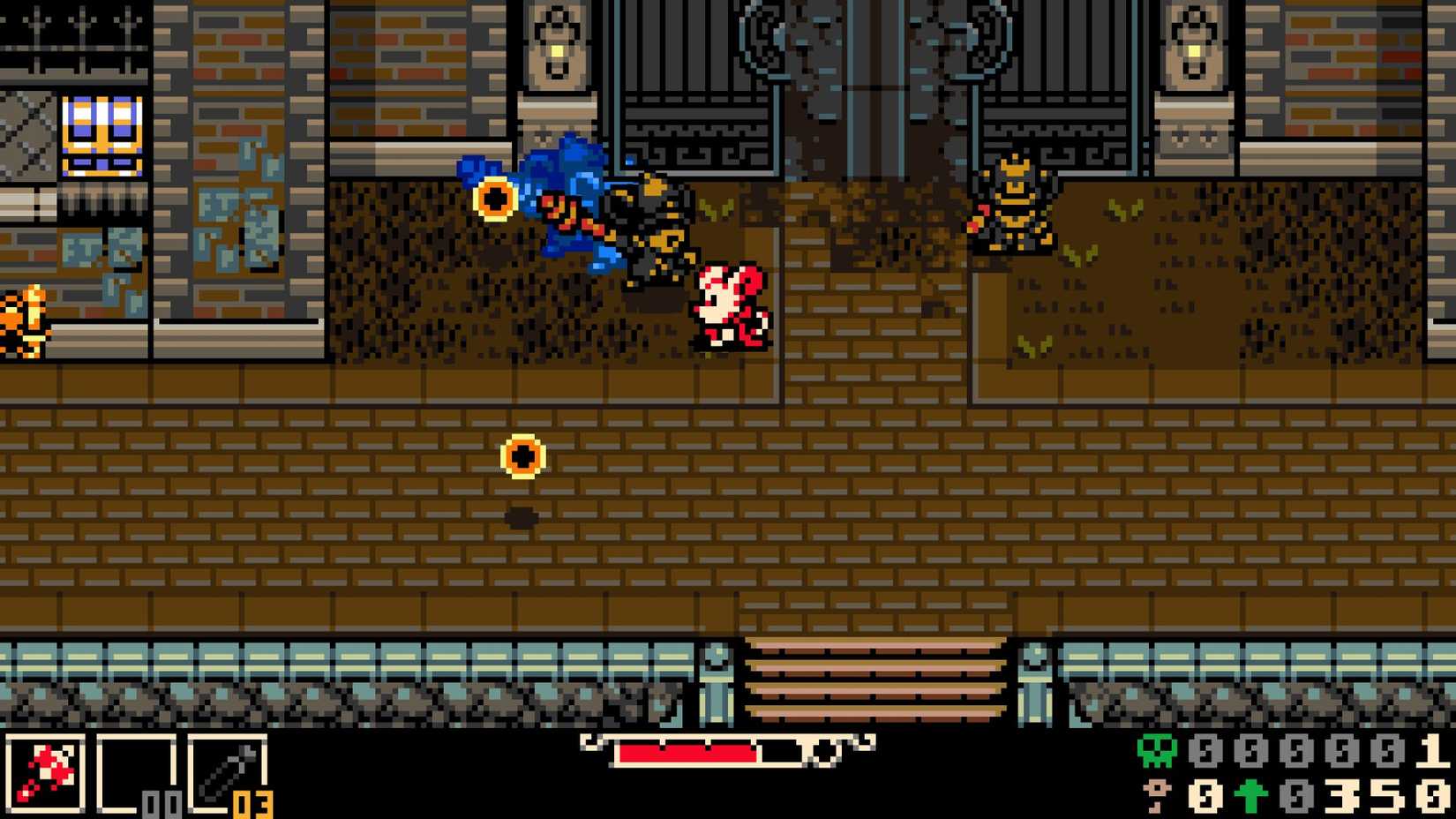
6. Sidearm Roulette: The Chaos of War
The 15 sidearms in Mina the Hollower each offer distinct utility. While most players settle on a "meta" loadout, the Sidearm Roulette modifier forces total versatility. Every time Mina takes damage, her equipped sidearm cycles to a random alternative. This effectively prevents the player from relying on a single playstyle. You must be proficient with the long-range utility of the Mist Jar and the defensive capabilities of the Beckoning Collar simultaneously, as you never know what tool you will have in your hand after a mistake.
Official Responses and Philosophical Implications
The developers at Yacht Club Games have noted that the inclusion of these modifiers was a response to the "One Size Fits All" criticism often levied at modern action-RPGs. By allowing players to customize the difficulty, they have essentially created a "self-correcting" game.
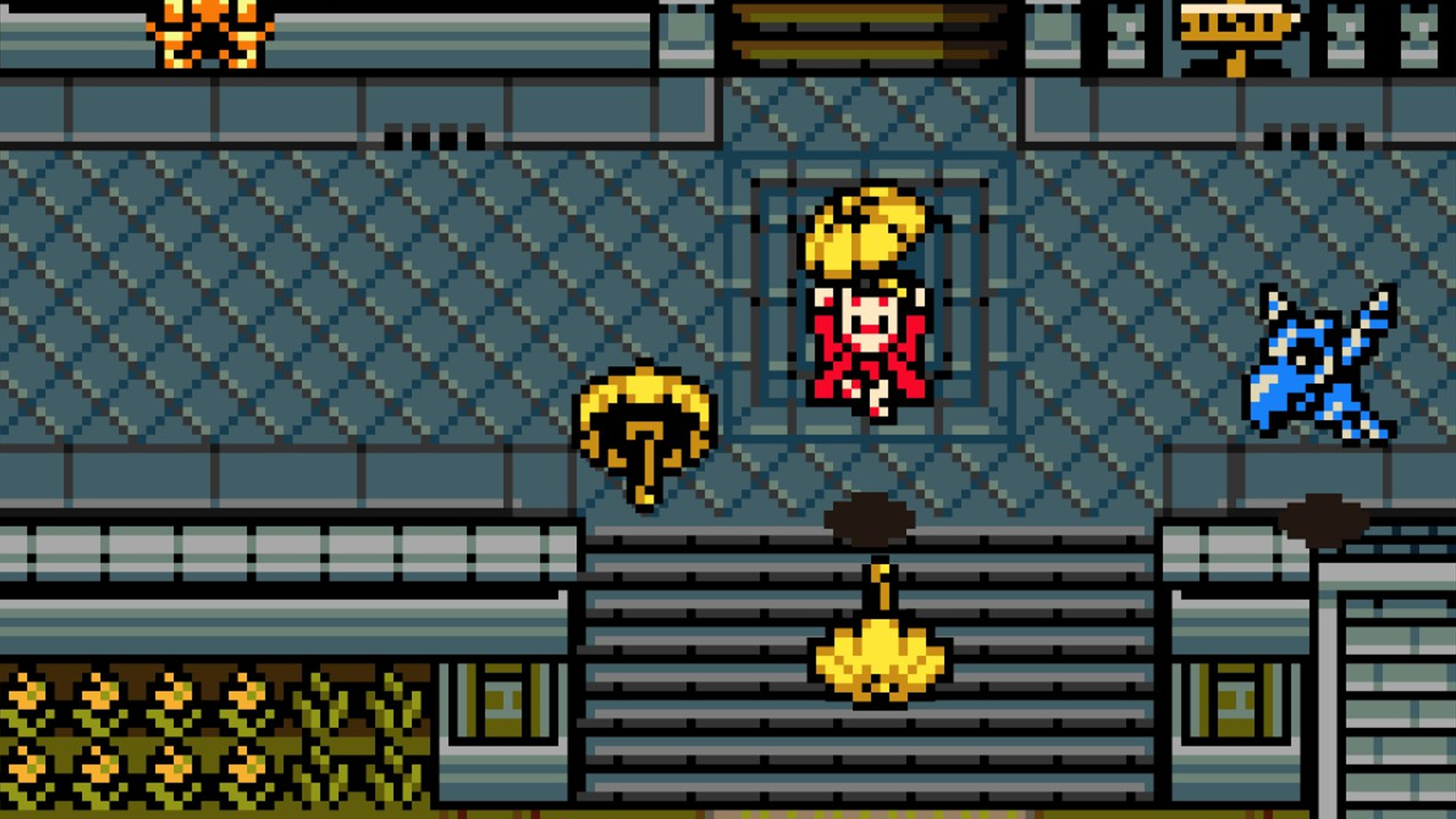
5. Less Plasma: Resource Scarcity
Plasma Vials are your lifeline. The Less Plasma modifier reduces the generation rate of Plasma from all sources—combat, roses, and gear. This creates a "resource drought," where you cannot rely on healing to recover from poor positioning. It forces the player to play with near-perfect defensive execution, as a single mistake cannot be "healed away."
4. Less Healing Water: Underlab Depletion
The Underlab hot springs are the game’s sanctuaries. By limiting their healing capacity to 50% of your maximum health, the Less Healing Water modifier removes the "reset" button that these locations usually provide. You are forced to carry your combat damage into the next encounter, significantly increasing the pressure during exploration.
3. Boning Up 20% Slower: The Stagnant Progression
In Mina the Hollower, bones are your XP. The Boning Up 20% Slower modifier increases the cost of level thresholds. This is a subtle but punishing modifier; it doesn’t change combat, but it forces you to spend more time grinding and less time feeling the power progression that typically keeps the game satisfying.
2. Shop Prices (Random): The Unpredictable Merchant
Usually, shops provide a reliable way to prepare for a boss. By randomizing prices, the Shop Prices (Random) modifier introduces an element of fiscal anxiety. You might find that a critical item is suddenly priced out of your reach, or that you are forced to choose between two essential upgrades. Because these prices are seed-based, you cannot "reload" to find better deals; you are locked into the economy of that specific run.
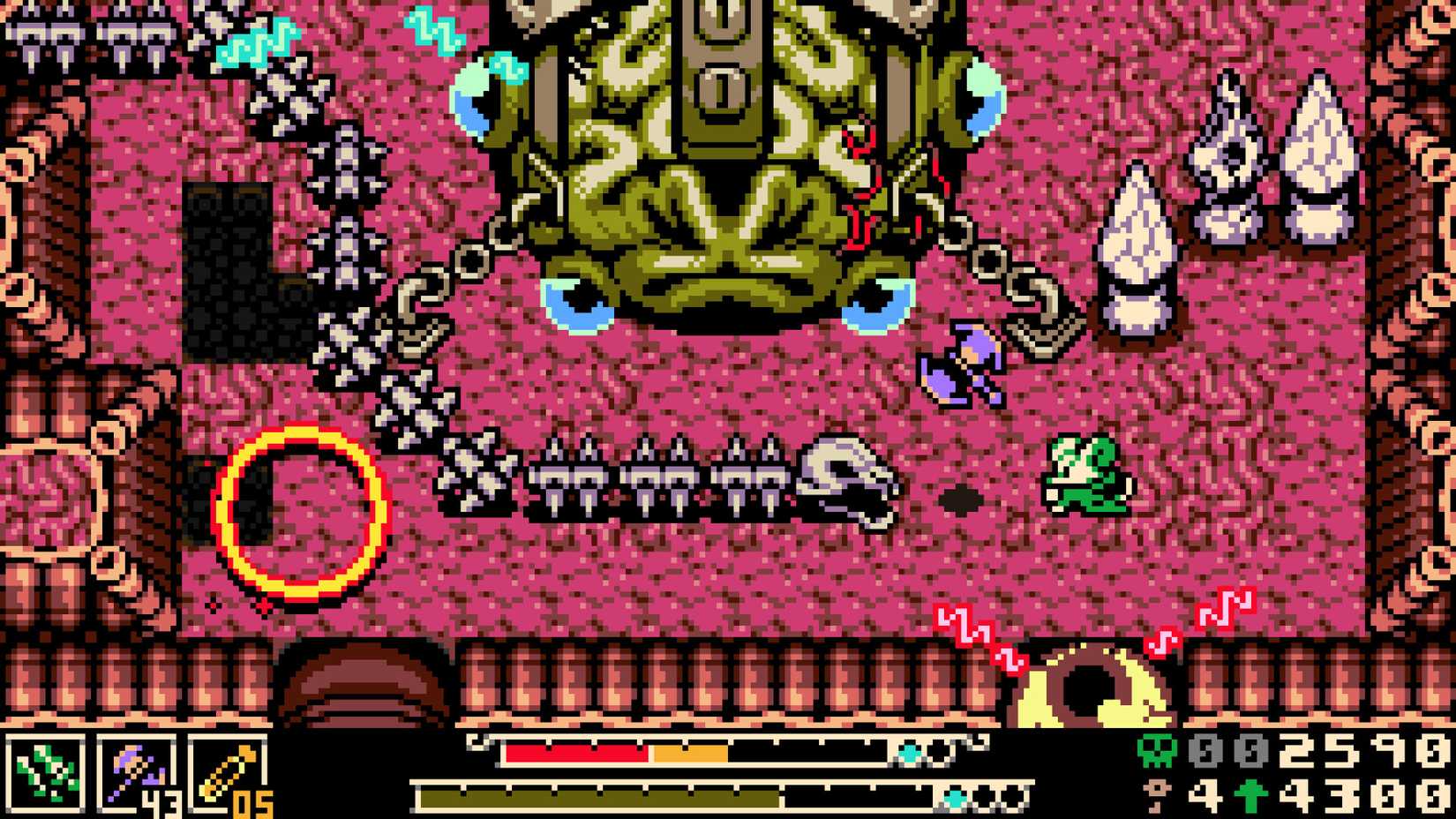
The Ultimate Challenge: Losing Your Standing
The most severe modifier, Lose One Level, acts as the final gatekeeper of the game’s difficulty.
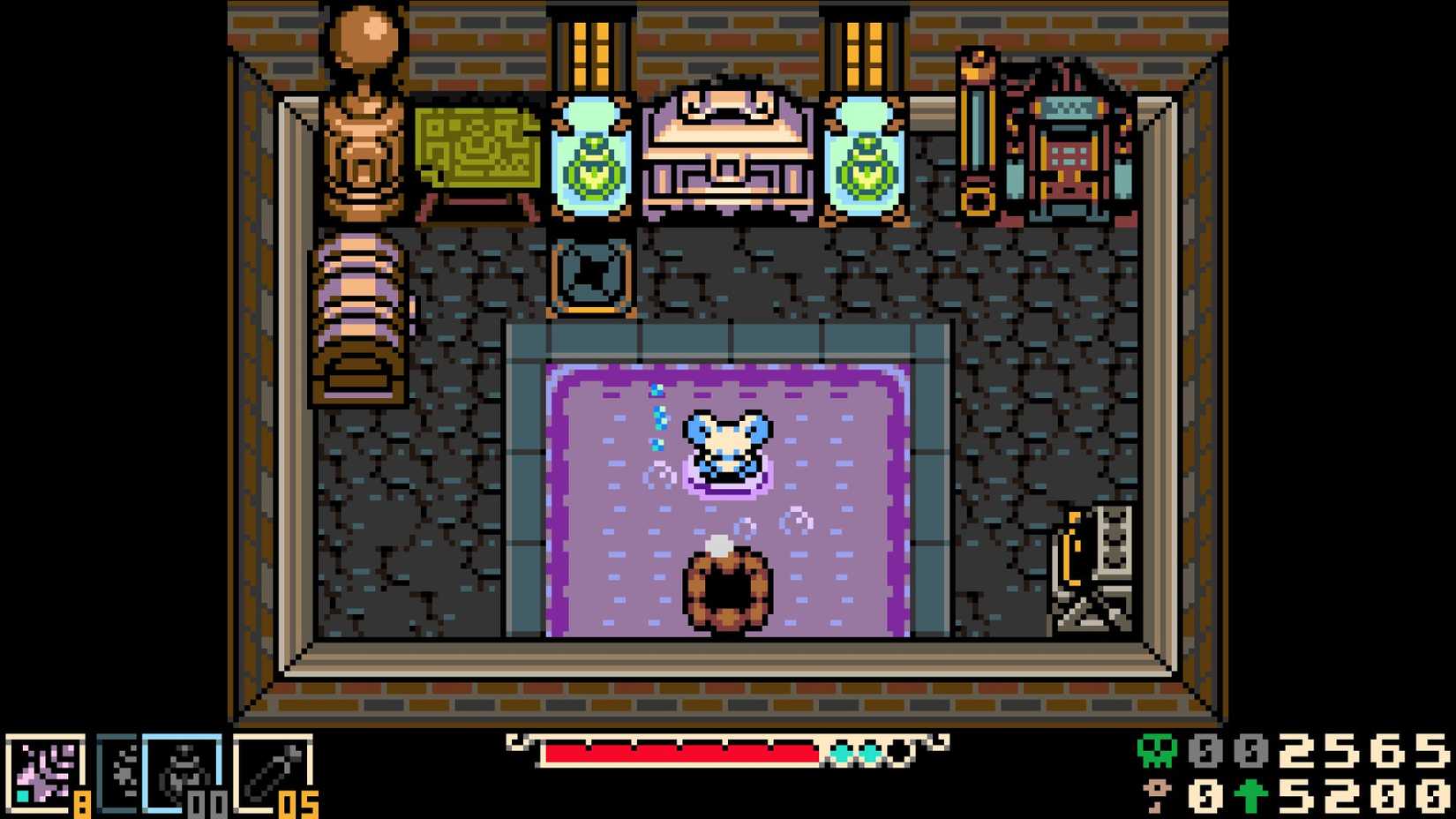
When you suffer a "Sparkless Death," you don’t just drop your bones—you permanently lose a level in attack, defense, and sidearm power. This is a massive shift. In most games, you can regain lost resources, but losing character stats creates a "death spiral" where the game becomes progressively harder the more you fail. This modifier is the ultimate test of skill, as it demands absolute perfection. There is no recovery mechanic, no safety net, and no room for error.
Implications for the Future of the Genre
The implementation of these modifiers in Mina the Hollower suggests a shift in how developers view difficulty. By moving away from fixed "Easy/Medium/Hard" modes and toward granular, toggleable modifiers, Yacht Club Games has empowered the player to become the designer of their own challenge.
Whether you are using these tools to make the game a walk in the park or a torturous test of reflexes, the existence of these settings ensures that the Tenebrous Isle will remain a playground for years to come. For those looking to push their skills to the absolute limit, the "Lose One Level" and "Sidearm Roulette" combination stands as the gold standard of modern digital masochism. The question is no longer whether you can beat the game, but exactly how much you are willing to suffer in the process.











No comments yet. Be the first to join the conversation!