Nila Kartika Wati
For the past several years, the narrative surrounding Artificial Intelligence has been inextricably linked to the GPU. From the rapid ascent of NVIDIA’s H100s to the widespread adoption of specialized AI accelerators, the industry has operated under the assumption that if you want to run an AI model, you need massive VRAM and thousands of CUDA cores. However, this hardware-centric focus ignores a significant reality: not every AI task requires the brute force of a dedicated graphics processor.
In a landmark shift for the computing industry, Intel and AMD have jointly unveiled the full specification for ACE (AI Compute Extensions), a new set of x86 CPU instructions designed to democratize and optimize AI workloads directly on the processor. This move represents a strategic pivot to reclaim the CPU’s role in the AI-driven era, offering a more efficient, standardized, and developer-friendly path for machine learning tasks.
Main Facts: What is ACE?
The ACE specification is not merely a software update; it is a fundamental architectural refinement. At its core, ACE leverages existing AVX10 (Advanced Vector Extensions) registers while introducing dedicated silicon logic specifically for matrix multiplication—the mathematical bedrock of modern neural networks.
By moving matrix multiplication closer to the CPU’s general-purpose compute units, Intel and AMD are effectively closing the "latency gap." Traditionally, running an AI model on a CPU required shuffling data back and forth between the processor and a GPU, or utilizing inefficient "hacks" within the AVX instruction set that were never intended for high-performance 2D matrix arithmetic. ACE eliminates these bottlenecks by providing native, hardware-level support for these operations.
The primary objectives of ACE are threefold:
- Enhanced Power Efficiency: By reducing the instruction count required for complex AI loops, ACE minimizes the energy drain associated with data movement.
- Universal Standardization: ACE provides a consistent, vendor-agnostic target for developers, ensuring that machine learning frameworks like PyTorch and TensorFlow can run optimally on any x86 hardware.
- Native Support for Modern Data Formats: Unlike previous iterations of x86 vector extensions, ACE includes native support for a broad spectrum of data types, including INT8, FP8, FP16, and even the OCP’s (Open Compute Project) MX block-scaled formats.
Chronology of the x86 AI Shift
The journey toward ACE was not an overnight development. It is the culmination of years of iterative progress in the x86 ecosystem.
- 2020–2022: The GPU Dominance Era. As Large Language Models (LLMs) exploded into the mainstream, the industry focused exclusively on GPU-accelerated training and inference. CPUs were relegated to "orchestration" roles, handling system tasks while waiting for GPUs to finish their heavy lifting.
- 2023: The Rise of Edge AI. With the emergence of smaller, latency-sensitive models, the industry began to realize that offloading every minor task to a discrete GPU was inefficient. The "NPU" (Neural Processing Unit) trend began, but each manufacturer implemented NPUs differently, creating a fragmented development landscape.
- 2024: The Call for Standardization. Intel and AMD recognized the growing technical debt created by the lack of a unified CPU-based AI standard. Discussions began within the x86 Ecosystem Advisory Group to bridge the gap between AVX10 capabilities and the requirements of modern AI.
- 2025: Collaborative Development. Engineers from both Intel and AMD collaborated on the technical whitepapers that would eventually form the basis of the ACE specification.
- 2026: The Official Specification Launch. The public release of the ACE v1 specification marks the beginning of the integration phase, where CPU designers will start incorporating this dedicated silicon into upcoming generations of desktop and server chips.
Supporting Data: Why ACE Matters
The most compelling argument for ACE lies in the math. In current implementations, using standard AVX10 instructions to perform matrix multiplication is essentially a workaround. It requires a high number of instructions to move and compute even a single layer of a neural network.
The 16x Efficiency Benchmark
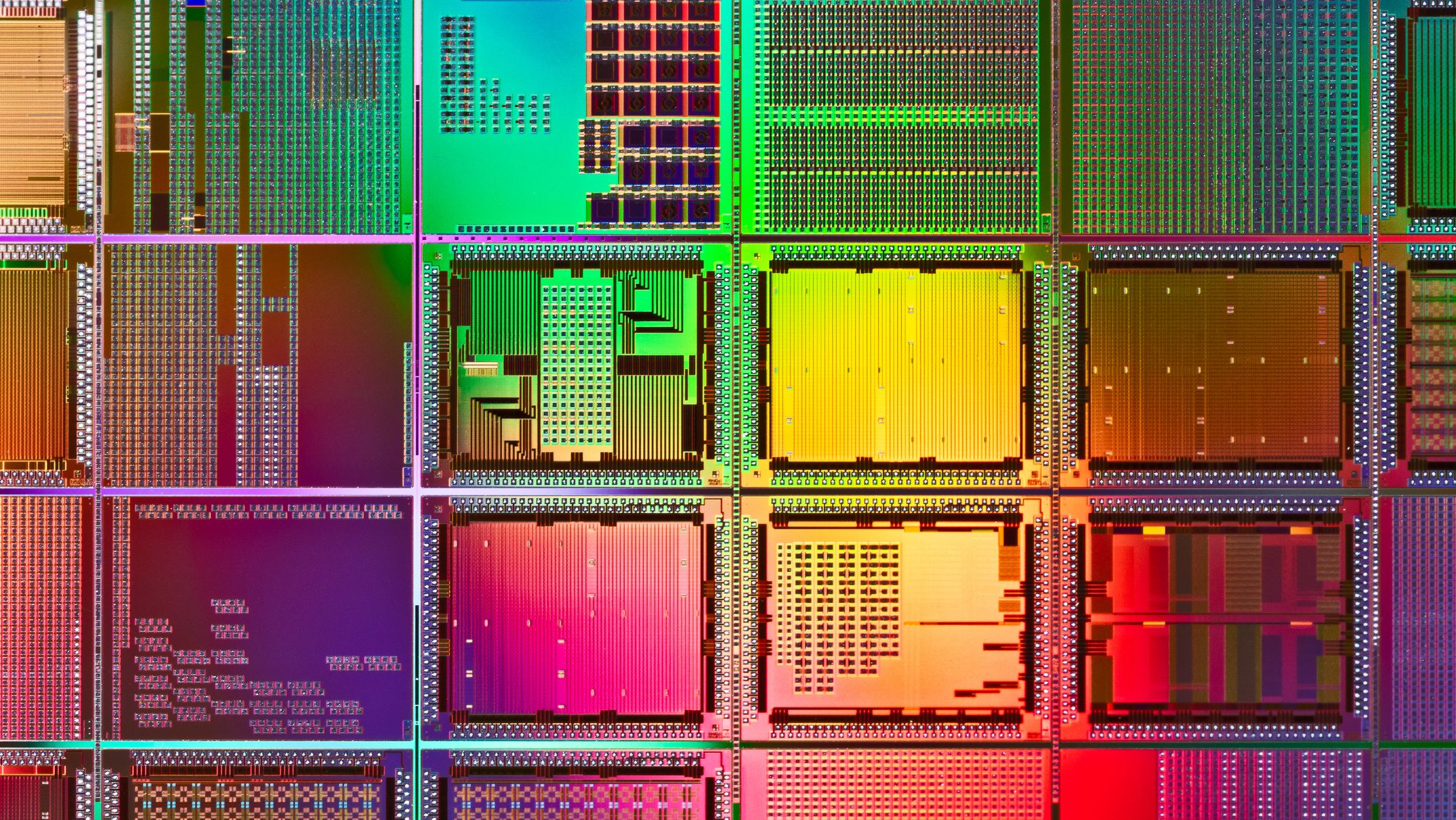
Preliminary internal benchmarks suggest that for the same volume of input vectors, ACE can execute 16 times as many operations compared to legacy AVX10 loops. While a 16x theoretical increase in throughput does not necessarily translate to a 16x "real-world" speedup—as performance is often bottlenecked by memory bandwidth and cache latency—it represents a quantum leap in efficiency.
Reduced Instruction Overhead
By consolidating matrix operations, ACE drastically reduces the number of instructions the CPU must fetch and decode. This reduction in instruction overhead naturally leads to better utilization of the processor’s cache and reduced pressure on the memory controller. Furthermore, because ACE is designed to be hardware-agnostic, developers no longer need to write custom code paths for every specific chip architecture. A single, optimized library path will suffice, drastically reducing the time-to-market for AI-integrated software.
Official Responses and Industry Outlook
The industry response to the ACE specification has been overwhelmingly positive, particularly from software developers who have long struggled with the "NPU fragmentation" problem.
"The goal of ACE is to create a predictable environment for AI development," said a spokesperson for the x86 Ecosystem Advisory Group. "By providing a standard set of extensions that both Intel and AMD have committed to, we are removing the friction that currently prevents AI from running seamlessly on the devices people use every day."
From a developer’s perspective, the ability to fall back to the CPU for high-priority tasks is a game-changer. Currently, if an NPU is busy or incompatible, the application often fails or reverts to an extremely slow, unoptimized software-only mode. With ACE, developers can rely on a baseline of high-performance CPU AI compute that is consistent across the entire x86 ecosystem.
Implications: A New Era for Computing
The introduction of ACE has profound implications for the future of both personal computing and data center architecture.
1. The Resurgence of the CPU
The CPU is reclaiming its status as the most versatile component in the computer. By handling AI tasks natively, the CPU can now manage "small-to-medium" AI models—such as local language assistants, real-time audio processing, and predictive UI elements—without needing to wake up a power-hungry discrete GPU. This is particularly vital for laptop users who prioritize battery life.
2. Simplifying the AI Software Stack
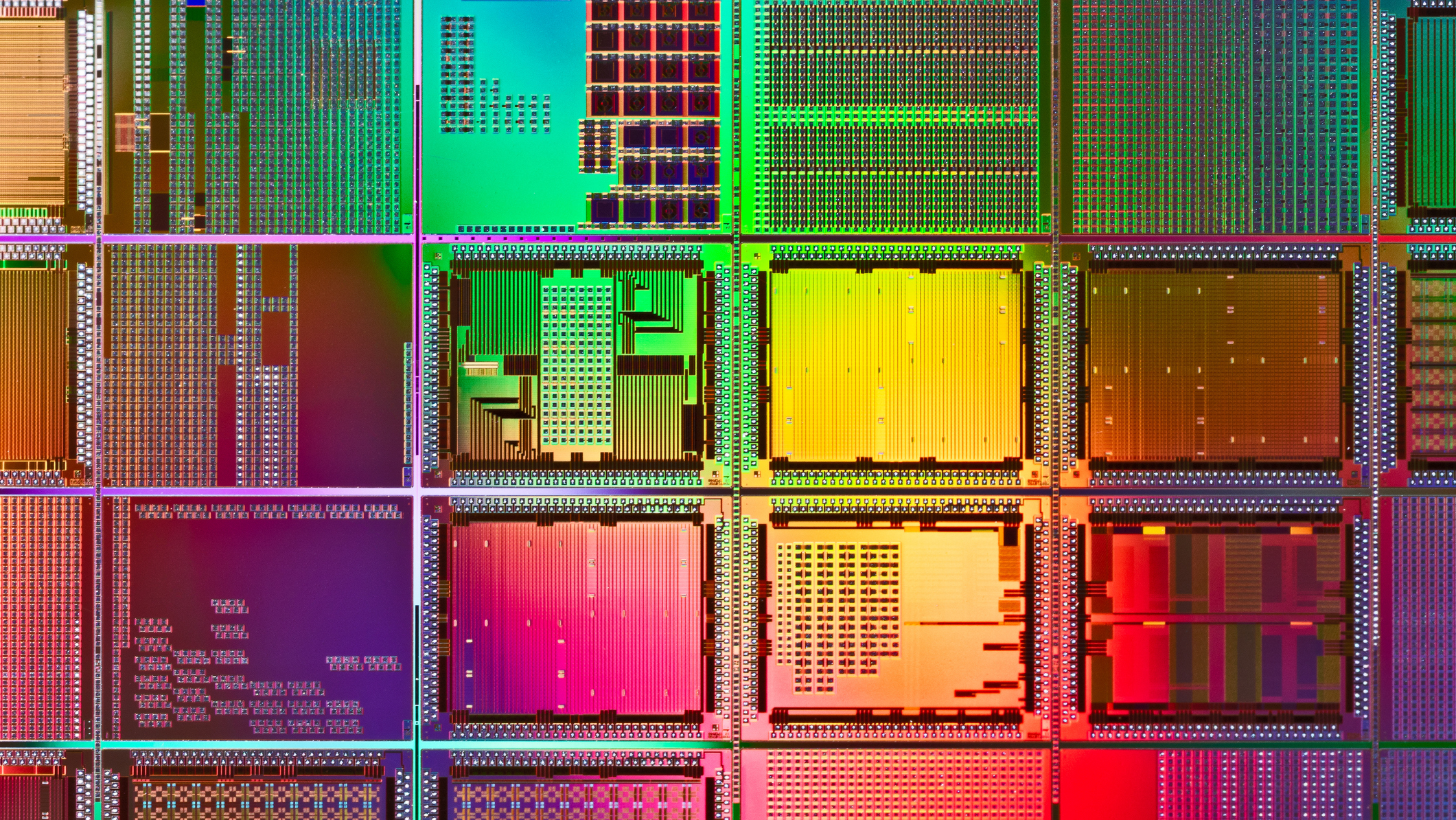
Perhaps the greatest implication is the simplification of the software stack. Machine learning frameworks like PyTorch and TensorFlow have historically had to account for a dizzying array of hardware configurations. ACE provides a "common denominator" that allows these frameworks to be optimized once and run everywhere. This will likely lead to an explosion of AI-powered applications that are no longer tethered to high-end hardware requirements.
3. Edge AI and Privacy
As more AI processing shifts to the CPU, we will see a significant increase in local, on-device AI. Processing data locally rather than sending it to the cloud is a critical requirement for privacy-conscious industries like healthcare, finance, and personal productivity. ACE provides the necessary performance to make these local-first AI applications viable for the average consumer.
4. Future-Proofing x86
Critics have long argued that the x86 architecture was losing its relevance in an era dominated by specialized accelerators. ACE is a defiant response to that sentiment. By embedding AI-specific silicon into the x86 core, Intel and AMD are ensuring that their processors remain the heartbeat of the computing world for the next decade.
Conclusion
The release of the ACE specification is a defining moment for the semiconductor industry. It acknowledges that while the GPU will continue to be the workhorse for massive, data-center-scale model training, the CPU is and will remain the most important engine for daily, real-time AI interaction.
By standardizing matrix multiplication at the hardware level, Intel and AMD have provided a clear path forward for developers, software architects, and hardware engineers alike. We are moving toward a future where AI is not an "add-on" that requires specialized, expensive hardware, but a fundamental capability of the processor itself. As the first chips featuring ACE hit the market, the distinction between "AI hardware" and "standard hardware" will continue to blur, ushering in a new era of intelligent, efficient, and ubiquitous computing.


 Nana Muazin
 Raul Delapena Setiawan