


In the contemporary digital ecosystem, high-performing marketers do not operate on intuition; they execute through data-driven precision. As YouTube continues to cement its status as the world’s primary destination for video-centric entertainment, the necessity for a rigorous, insight-backed strategy has never been more critical. By analyzing user demographics, content consumption habits, and advertising performance metrics, brands can transform their presence from mere noise into a powerhouse of consumer engagement and business impact.
To help you future-proof your digital strategy, we have synthesized 28 essential statistics that define the current state of YouTube in 2026.
1. The Main Facts: YouTube’s Unrivaled Dominance
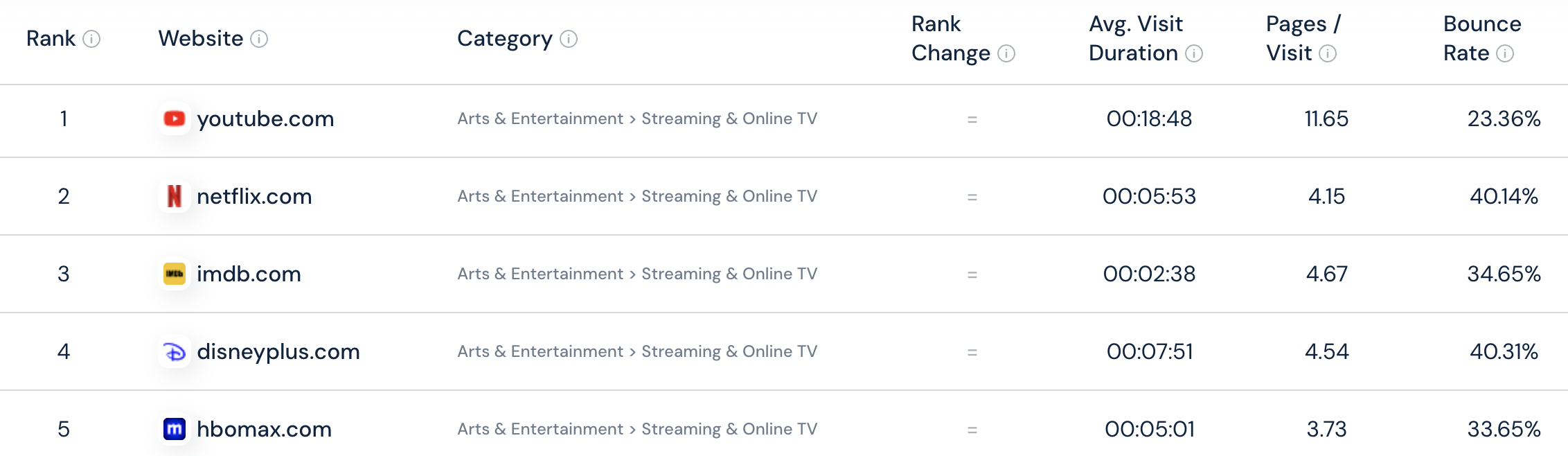
YouTube currently stands as the undisputed titan of the online video landscape. With a staggering 2.58 billion monthly active users, the platform reaches nearly half of the global social media population, which currently sits at approximately 5.66 billion.

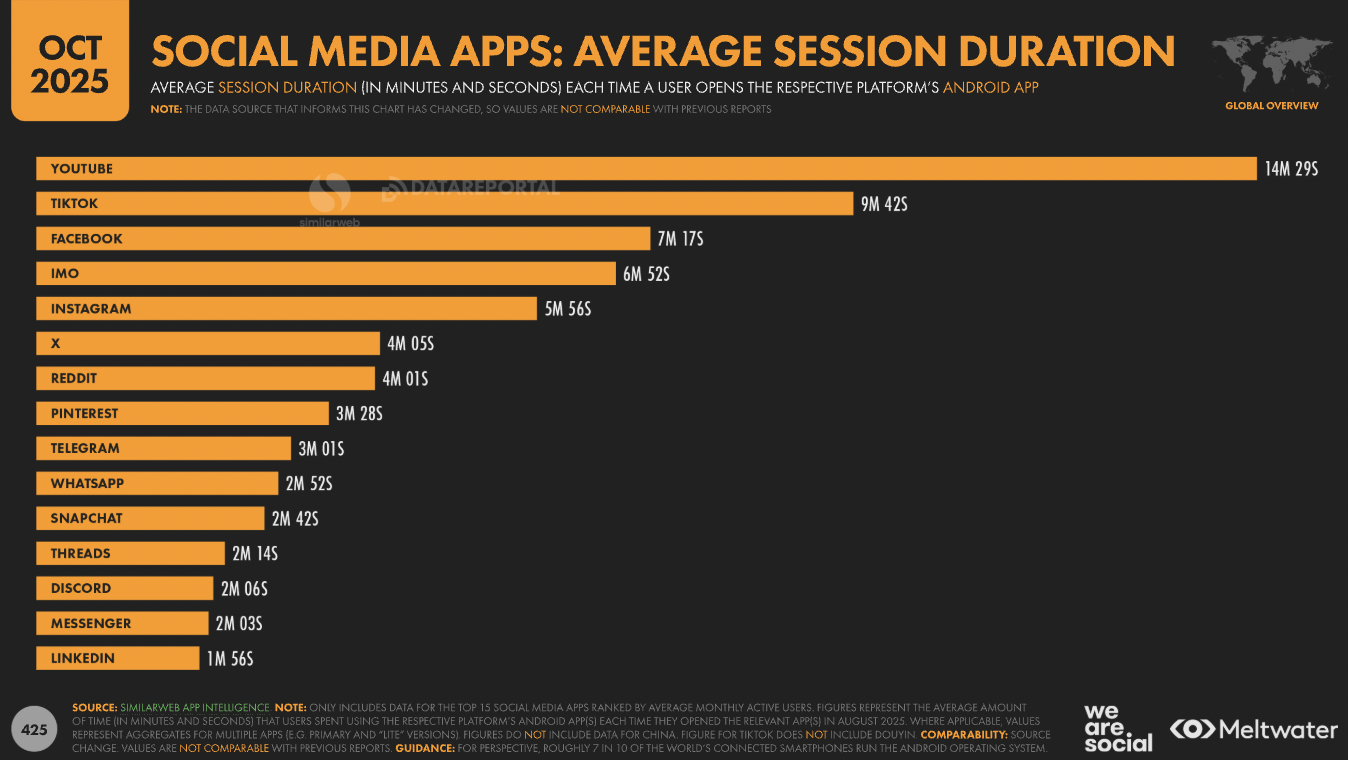
According to data from the Digital 2026: Global Overview Report, YouTube is the most-used application for video entertainment, ranging from long-form TV content to niche educational series. Similarweb reports that the platform recorded over 28 billion visits in April 2026 alone, reaffirming its position as the premier channel for audience connection. Perhaps most impressively, YouTube accounts for the highest share of total social media activity. When indexing cumulative time spent by Android users globally, YouTube sits at a baseline of 100—dwarfing Facebook (62.3) and WhatsApp (63.7). Most notably, users spend nearly double the amount of time on YouTube compared to TikTok (indexed at 55.1).
2. A Chronology of Platform Evolution
The trajectory of YouTube from a simple video-sharing site to a dominant economic engine has been rapid:
- 2005–2010: The platform’s formative years focused on user-generated content and viral clips.
- 2011–2018: The professionalization of YouTube began with the rise of the "Creator Economy" and the introduction of advanced monetization features.
- 2019–2023: The pivot to short-form video saw the launch of YouTube Shorts in 2020, a direct response to the explosive growth of TikTok.
- 2024–2026: The current era is defined by the integration of AI-driven discovery, the dominance of "shoppable" content, and the platform’s role as the primary driver for both brand awareness and impulsive consumer purchasing.
3. Supporting Data: Demographics and Consumption
Understanding the who and how behind the numbers is vital for any marketing team.
The Gen Z Connection
YouTube remains the second most popular platform for Gen Z, with 84% of this demographic holding an active account. Contrary to the belief that younger audiences have abandoned long-form content, Gen Z continues to rely on YouTube for both entertainment and product research.
Global Usage Trends
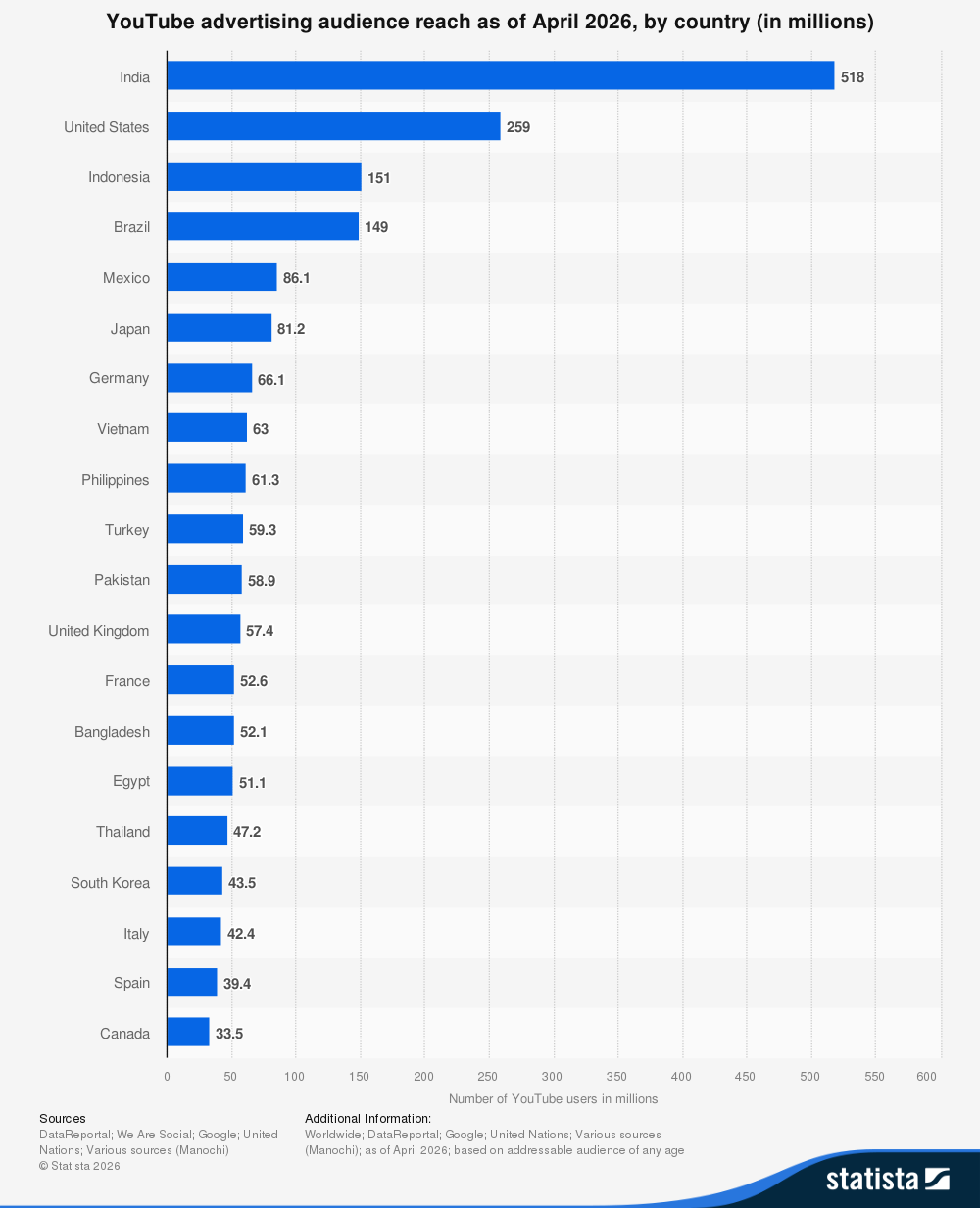
While India leads the world with 518 million active users, the United States remains the most valuable market for traffic, contributing over 21% of total global platform visits. This disparity highlights that while global reach is massive, economic impact remains concentrated in high-GDP regions.
Gender and Age Distribution
YouTube’s audience is relatively balanced, with 53% male and 47% female users. The primary age bracket is 25–34 (21.3%), followed by the 35–44 cohort (18.7%). This makes the platform an ideal space for brands targeting the bridge between older Gen Z and younger Millennials.
4. YouTube Shorts and the Shift in Engagement
The launch of YouTube Shorts has been a transformative success. With 2 billion monthly active users and an average of 200 billion daily views, Shorts are no longer an "experiment"—they are a core requirement.
Content Optimization Strategy:
Data from TunePocket indicates that trending Shorts often lean toward the 50–60 second mark, suggesting that while the format is short, the algorithm heavily favors videos that maintain high viewer retention. Shorts with a view duration of 50 seconds or longer average 4.1 million views. The lesson for marketers is clear: do not simply truncate long-form content; create compelling, high-retention hooks that demand the viewer’s full attention.
5. Official Responses and Industry Outlook
Alphabet’s recent earnings reports highlight a pivotal shift: YouTube’s annual ad revenue surpassed $40 billion in 2025, accounting for more than 50% of the platform’s total revenue.
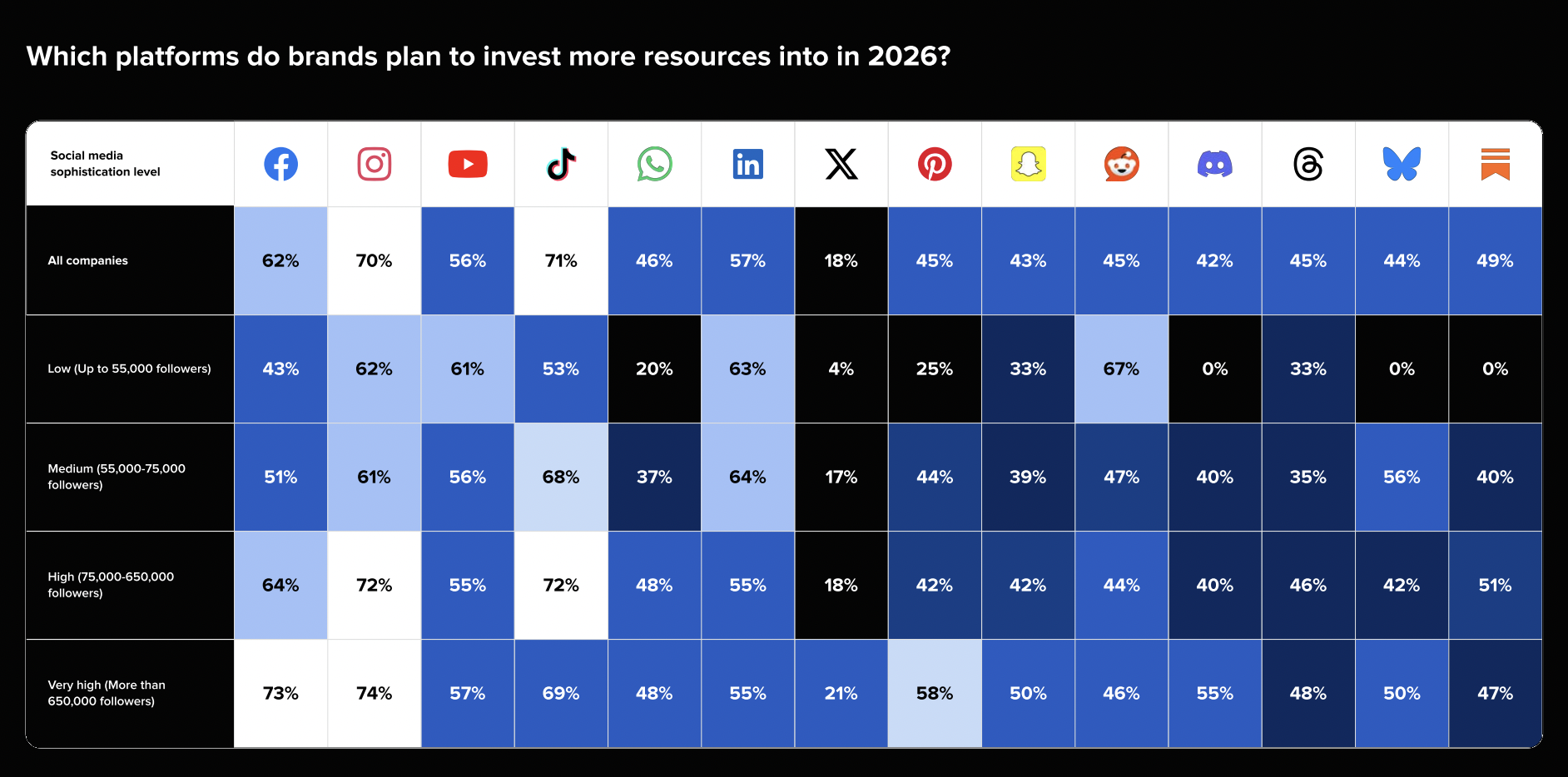
Executives have signaled that the platform is moving toward a "hybrid" model where ad-supported content and premium subscriptions (YouTube Premium) coexist to capture different segments of the market. Furthermore, 56% of companies report plans to increase their investment in YouTube for 2026, marking it as the fifth most important priority for marketing budgets. This official shift toward increased resource allocation proves that businesses recognize YouTube as a "top-funnel" necessity rather than a secondary social channel.
6. Strategic Implications for Marketers
To translate these statistics into a winning strategy, marketers must focus on four key pillars:
I. The "Entertainment-First" Mandate
Consumers report that they visit YouTube for entertainment first and product education second. Brands that lead with hard sales pitches fail; brands that lead with value-added, entertaining content win.
II. Balancing Long-Form and Short-Form
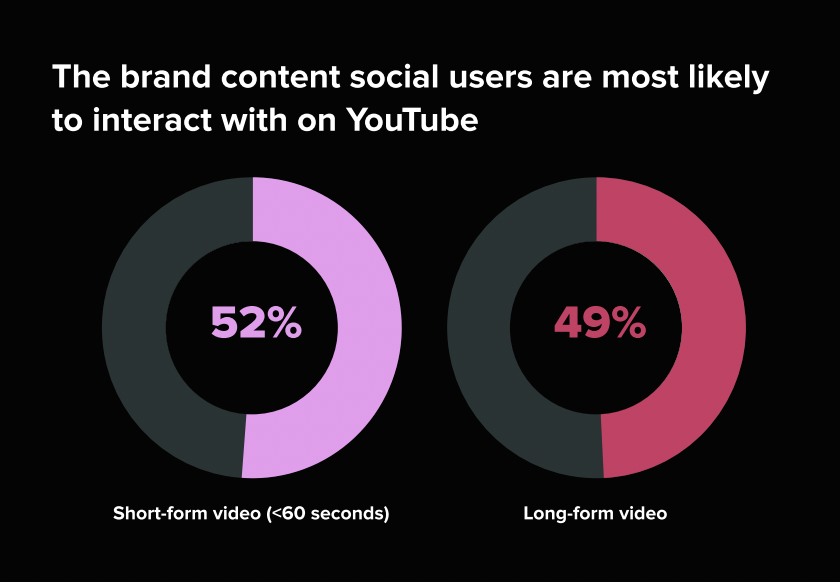
While short-form video (Shorts) is critical for reach, long-form remains the foundation of brand trust. 52% of consumers prefer short-form interactions, but 48% still engage heavily with long-form. A successful 2026 strategy requires a mix: use Shorts as "trailers" to drive traffic to your in-depth, long-form product education videos.
III. Mastering Ad Formats
Performance metrics show a clear hierarchy in advertising effectiveness:
- In-feed (Discovery) Ads: Boast the highest click-through rate (CTR) at 1.0% to 3.0%.
- Non-skippable In-stream Ads: Often yield lower CTRs (0.3%), serving better for pure brand awareness rather than conversion.
- Gen Z Impact: 67% of Gen Z teens rely on YouTube ads to inform their purchase requests, proving that the platform is the single most effective channel for influencing household buying decisions.
IV. Monitoring the Right Metrics
To measure success effectively, move beyond vanity metrics. Focus on:
- Average View Duration: The ultimate indicator of whether your content resonates.
- Subscriber Growth Rate: A healthy target is to exceed the industry average of 0.03% monthly growth.
- Engagement Rate: The algorithm prioritizes content that sparks comments, likes, and shares.
- Audience Retention: Monitor the "drop-off" points in your videos to refine your editing and storytelling pacing.
Conclusion: Turning Data into ROI
Data without action is merely trivia. The current YouTube landscape is one of high intent and high engagement. Whether your goal is to capture the Gen Z market through Shorts or to establish authority via long-form product tutorials, the roadmap is clear.
By leveraging these 2026 benchmarks, brands can move beyond guesswork. Use the YouTube Strategy Template to align your team’s creative output with these data-driven realities. The platform is not just a place to host videos—it is the digital storefront of the modern era. Those who master its algorithm, respect its demographics, and adapt to its consumption trends will command the attention of the next generation of consumers.












No comments yet. Be the first to join the conversation!