

By [Your Name/Journalistic Staff]
The partnership between Nintendo and Illumination Entertainment has proven to be one of the most commercially significant collaborations in the history of modern animation. Following the record-shattering performance of The Super Mario Bros. Movie in 2023, which effectively signaled a new golden age for video game adaptations, the momentum has not slowed. With the recent theatrical run of The Super Mario Galaxy Movie earlier this spring, industry observers have been looking toward the horizon to see how the Mushroom Kingdom will evolve on the silver screen next.
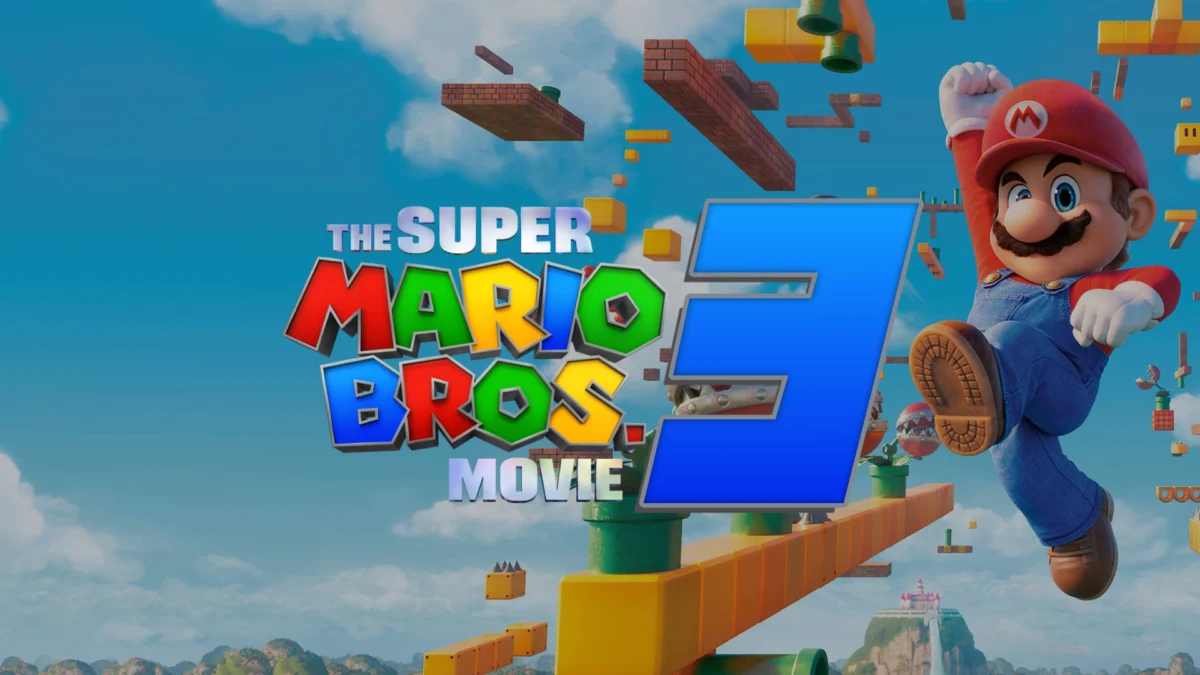
Recent comments from key production talent suggest that the creative team is already looking toward a 2029 release for a third installment, prioritizing a measured, detail-oriented approach over the rapid-fire production schedules common in contemporary franchise filmmaking.
The Chronology of a Cinematic Phenomenon
To understand the trajectory of the Mario franchise in theaters, one must look at the swift progression from an untested concept to a multibillion-dollar intellectual property.
- April 2023: The Super Mario Bros. Movie hits theaters. It exceeds all expectations, grossing over $1.3 billion worldwide and effectively ending the "video game movie curse."
- Late 2023 – Early 2024: Nintendo and Illumination confirm that the success of the first film has greenlit a broader expansion of the Mario cinematic universe.
- April 2026: The Super Mario Galaxy Movie is released to mixed critical reception but sustained audience enthusiasm, further cementing the franchise’s commercial viability.
- Present Day (May 2026): Production rumors and casting insights from voice actors suggest that pre-production on a third, yet-to-be-titled installment is underway.
- 2029 (Targeted): Following the three-year release cycle established by the first two films, the third entry is rumored to be aiming for a 2029 debut.
Keegan-Michael Key: The "Quality First" Mandate
In a recent interview with ScreenRant, Keegan-Michael Key, the voice behind the iconic Toad, provided a rare glimpse into the internal philosophy driving the franchise’s future. Addressing the anticipated gap between the second and third films, Key emphasized that the pressure to produce a sequel must be balanced against the necessity of narrative integrity.
"We want to get it right. We want to get everything right," Key stated during the interview. "We want to get all the details right. And Michael [Jelenic] and Aaron [Horvath], who are our directors, have a real passion for this. I think they’re as passionate about these projects as the audience is."
Key’s comments serve as a direct response to the "rushed sequel" stigma that often plagues animated franchises. By framing the 2029 window as a necessity for quality rather than a marketing deadline, the production team is signaling to fans that they intend to preserve the sanctity of the source material. "It’ll be worth the wait," Key added. "’29 is better than sometime, right?"
Supporting Data: The Critical vs. Commercial Divide
The success of the Super Mario cinematic universe is best analyzed through the dichotomy of critical reception versus audience reception. This gap has become a defining characteristic of the franchise’s lifecycle.
Critical Reception
The Super Mario Galaxy Movie encountered a more rigorous critical reception than its predecessor. While the 2023 original held a respectable, if modest, 59% rating on Rotten Tomatoes, the sequel saw that number dip to 42%. Critics often cited a reliance on "fan service" and an episodic narrative structure that lacked the cohesive charm of the initial outing.
Audience Reception
Conversely, the audience sentiment remains overwhelmingly positive. Fans of the games—who are often the most demanding demographic—have consistently rated these films with high marks. The Super Mario Galaxy Movie currently boasts an 88% audience score, while the original Mario film maintains an enviable 95%. This data suggests that Nintendo’s strategy of leaning into "nostalgia and ‘member berries’" (a colloquial term for nostalgia-driven storytelling) is effectively hitting its target demographic, even if it creates friction with professional critics.
Financial Performance
Commercially, the numbers speak for themselves. The first film’s $1.3 billion haul was a watershed moment. While Galaxy is still in its cycle, it is currently tracking toward the $1 billion milestone. In the landscape of film economics, any series capable of consistently flirting with the billion-dollar mark is guaranteed a third, fourth, and potentially fifth entry.
Strategic Implications: Where Does Mario Go Next?
The confirmation of a third film raises significant questions regarding narrative direction. Will the team continue to adapt specific "pillars" of the Mario game series, or will they attempt a more ambitious, original narrative?
1. The Odyssey Factor
With the first film covering the general Mario Bros. lore and the second tackling the cosmic scope of Super Mario Galaxy, many analysts believe the third entry will lean into the globetrotting mechanics of Super Mario Odyssey. The inclusion of the "Cappy" mechanic or the diverse kingdoms found in the 2017 hit game would provide a fresh visual palette, potentially addressing the criticisms regarding the repetitive nature of the previous films.
2. Character Development vs. Spectacle
One of the most frequent critiques of the recent film was its relative lack of character depth. While Mario, Luigi, and Peach are iconic, they are often treated as avatars rather than fully realized characters with arcs. For the 2029 installment, the creative team faces the choice of doubling down on the "theme park" style of filmmaking—which has clearly worked financially—or attempting to weave a more complex narrative that satisfies both casual viewers and film critics.
3. The "Illumination" Style
Illumination Entertainment is known for its high-energy, fast-paced, and humor-centric style (as seen in Despicable Me). There is an inherent tension between this house style and the often whimsical, surreal nature of Nintendo’s world-building. Future installments will need to determine if they want to lean further into the "Nintendo-ness" of the property—incorporating more lore and emotional weight—or if they will stick to the high-octane comedy formula that has kept them in the black for three years running.
Conclusion: Patience as a Virtue
The 2029 release window, while seemingly distant, aligns with the deliberate pacing that has defined Nintendo’s recent business model. Whether it is the development of a Legend of Zelda film or the expansion of the Mario universe, Shigeru Miyamoto and the executive team at Nintendo have shown they are willing to take their time to ensure that the brand’s reputation for quality remains untarnished.
As we look toward 2029, the industry will be watching closely to see if the franchise can break the "sequel slump" and deliver a film that combines the massive box-office appeal of the first with the narrative depth that many fans are beginning to crave. For now, we are left with the promise of Keegan-Michael Key: that the wait is not a delay, but a commitment to the craft.
The Mushroom Kingdom is not going anywhere, and if the last three years are any indication, its next big-screen appearance will be the most anticipated event of its respective year. As the dust settles on Galaxy, the speculation regarding Odyssey—or whatever the third chapter brings—is only just beginning.












No comments yet. Be the first to join the conversation!