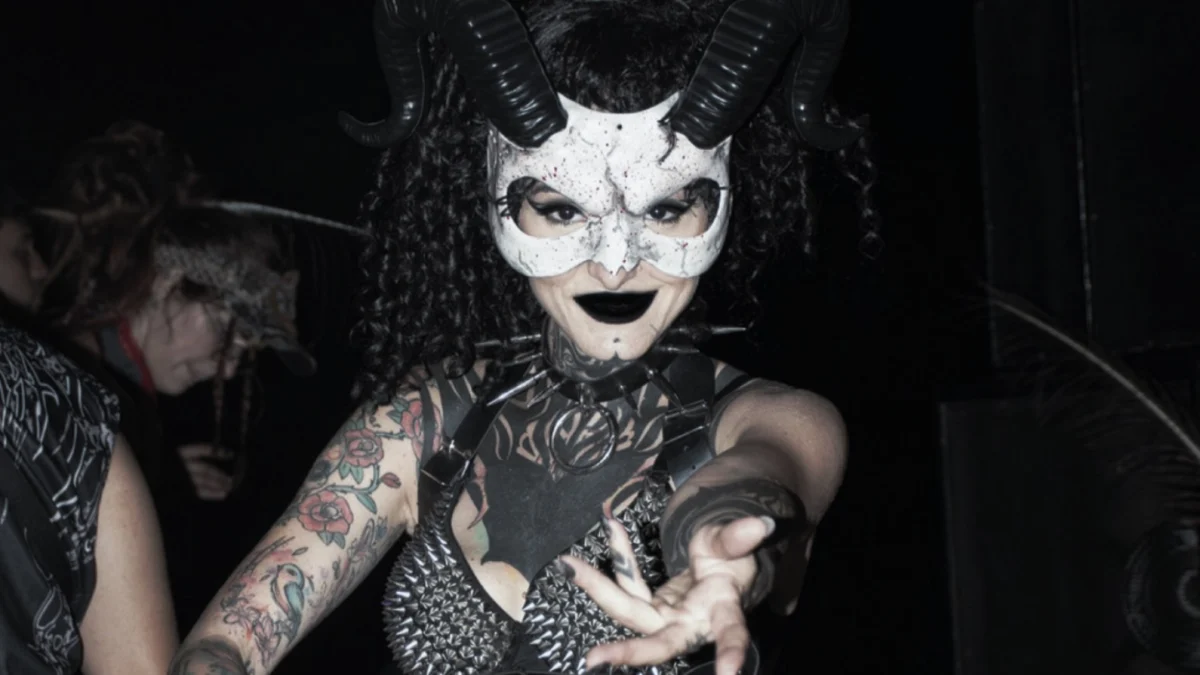
The alternative fashion and music scene in Brazil is in mourning following the brutal double homicide of a prominent digital creator. Ulissias Marcelli, a 30-year-old goth influencer widely recognized by her moniker “Miss Tattoo,” and her 28-year-old boyfriend, Vinícius Souza de Carvalho, were discovered deceased on a desolate rural roadside in the Vera Cruz district of Porto Seguro, Bahia. The discovery, made on the morning of July 18, has triggered an intense multi-agency investigation as authorities attempt to piece together the final hours of a couple whose lives were cut short in a manner suggestive of targeted organized violence.
The Discovery and Crime Scene Analysis
On the morning of July 18, a local farm worker traversing the rural outskirts of the Vera Cruz district stumbled upon the bodies of Marcelli and Carvalho. The area, characterized by its isolation and lack of heavy traffic, served as the backdrop for what investigators describe as a calculated execution.
Law enforcement officials arrived on the scene shortly after the report was filed, confirming that both victims had sustained multiple fatal gunshot wounds. Preliminary forensic examinations suggest that the pair were killed approximately 24 hours prior to the discovery, placing the time of death on July 17.
The crime scene itself provided harrowing clues for investigators. Forensic teams recovered seven spent bullet casings, indicating a high-intensity attack. While investigators successfully located and seized Marcelli’s mobile phone—which is currently undergoing rigorous digital forensics to track her recent communications and movements—Carvalho’s device remains missing. The absence of the boyfriend’s phone, coupled with the nature of the wounds, has led authorities to hypothesize that the couple may have been abducted and held captive for a duration before being transported to the remote roadside and executed.
A Life in the Spotlight: Who Was Miss Tattoo?
Ulissias Marcelli was far more than a social media personality; she was a fixture of the alternative cultural landscape in Bahia. With a dedicated following of nearly 20,000 on Instagram, she utilized her platform to celebrate goth aesthetic, intricate tattoo artistry, and her passion for high-performance motorcycles. Her identity as a four-time winner of the “Miss Tattoo” title made her a recognizable face within the regional subculture, particularly among fans of alternative music and motorcycle enthusiasts.
Beyond her online presence, Marcelli was a skilled fire performer, a craft that underscored her flair for the dramatic and her commitment to the alternative arts. Her professional trajectory was on a significant upward swing; she had recently been tapped to serve as a presenter for the upcoming Rock Gaya Festival, slated to take place on July 25. The news of her death has cast a pall over the event, with organizers and the community left struggling to reconcile the vibrancy she projected with the sudden, violent nature of her passing.
Official Responses and The Investigation
As of this writing, the Civil Police of Bahia have not officially named any suspects, nor have they confirmed a definitive motive for the killings. However, the investigation is actively exploring potential links to organized criminal syndicates operating within the Porto Seguro region.
Police sources have indicated that one primary line of inquiry involves an alleged debt, possibly tied to the narcotics trade. The region has seen an uptick in violent conflicts between rival gangs, and investigators are working to determine if the couple was caught in the crossfire of a larger, systemic struggle for territorial control or if they were specifically targeted due to personal associations.
“We are analyzing every piece of evidence, from the digital footprint left on the recovered device to the ballistic data collected at the scene,” a spokesperson for the local investigation unit stated. “We are treating this as a high-priority case, but we must exercise caution in our public statements to ensure the integrity of the ongoing search for those responsible.”
The Wider Context: A Growing Trend of Violence Against Influencers
The death of Ulissias Marcelli is not an isolated incident; rather, it reflects a disturbing global trend in which digital creators—often those with local or regional influence—find themselves targeted by criminal elements. The intersection of social media visibility and real-world danger has become increasingly perilous.

Just days before the tragedy in Bahia, a 15-year-old streamer in Honduras was found dead, his body discarded in black trash bags. Reports indicated that the teenager had been kidnapped by armed men directly from a local soccer pitch, highlighting the brazen nature of criminal gangs who view influencers and streamers as targets for either extortion or intimidation.
Similarly, in July, the environmental activist and influencer Alex Serna was found murdered in Mexico. His death followed a series of public warnings he had issued regarding death threats he received for his reporting on land disputes, environmental degradation, and systemic corruption. These incidents suggest that whether an influencer is reporting on political scandals or simply building a subcultural brand, their visibility can act as a beacon for those who operate in the shadows of the law.
Cultural Impact and The Rock Gaya Tribute
The impact of Marcelli’s death has been felt deeply by the creative community she championed. The organizers of the Rock Gaya Festival, who had only days earlier celebrated her involvement, issued a poignant statement expressing their grief:
“On Thursday, we joyfully shared that Ulissias would be part of the Rock Gaya Festival as one of our presenters. Today, with profound sadness, we say goodbye to her presence among us. It’s hard to believe that someone who was about to share such a special moment with us has left us so soon.”
This sentiment echoes through the comments sections of her final social media posts, where fans and fellow artists have expressed shock and demanded justice. The alternative music scene, which prides itself on community and self-expression, now faces a period of mourning as they grapple with the loss of one of their most charismatic figures.
Implications for Future Digital Safety
The tragedy serves as a grim reminder of the “dark side” of the influencer economy. While digital platforms provide tools for self-expression and community building, they also expose individuals to a global audience that includes dangerous actors. Experts in digital safety suggest that for influencers operating in regions with high levels of organized crime, the distinction between “online” and “offline” safety is blurring.
The loss of Marcelli and Carvalho raises critical questions for both local law enforcement and the social media platforms themselves regarding the protection of public figures. When an influencer’s content involves a lifestyle that may cross paths with illicit industries—whether through the venues they frequent, the people they associate with, or simply the geographic location of their work—the risks become compounded.
As the investigation into the Vera Cruz double murder continues, the community in Bahia and across Brazil waits for answers. The authorities face the difficult task of navigating a web of rumors and potential criminal ties to hold the perpetrators accountable. For now, the case of Miss Tattoo remains a somber illustration of how quickly a life built on digital connectivity can be extinguished by the harsh realities of criminal violence.
As the Rock Gaya Festival approaches, the empty presenter’s chair will stand as a silent testament to the void left by her passing. The focus of the authorities remains on the recovery of the missing mobile device and the potential leads it may provide, which many hope will be the key to unlocking the truth behind this senseless act of violence.