

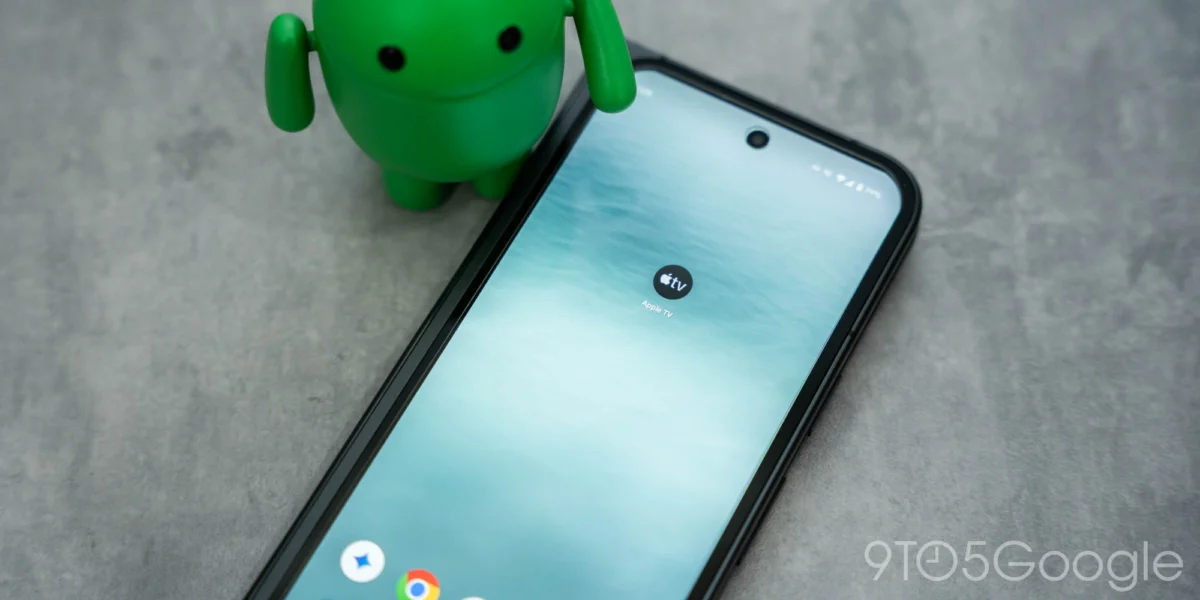
In a significant move toward feature parity across mobile ecosystems, Apple has released substantial updates for two of its most prominent Android applications: Apple TV and Apple Music. By introducing a suite of interactive homescreen widgets, Apple is bridging the gap between its proprietary iOS experience and the flexible, widget-centric nature of the Android operating system. These updates, which are rolling out globally via the Google Play Store, reflect a growing commitment from Cupertino to provide a seamless user experience for its subscribers, regardless of their device preference.
Main Facts: A New Era of Android Integration
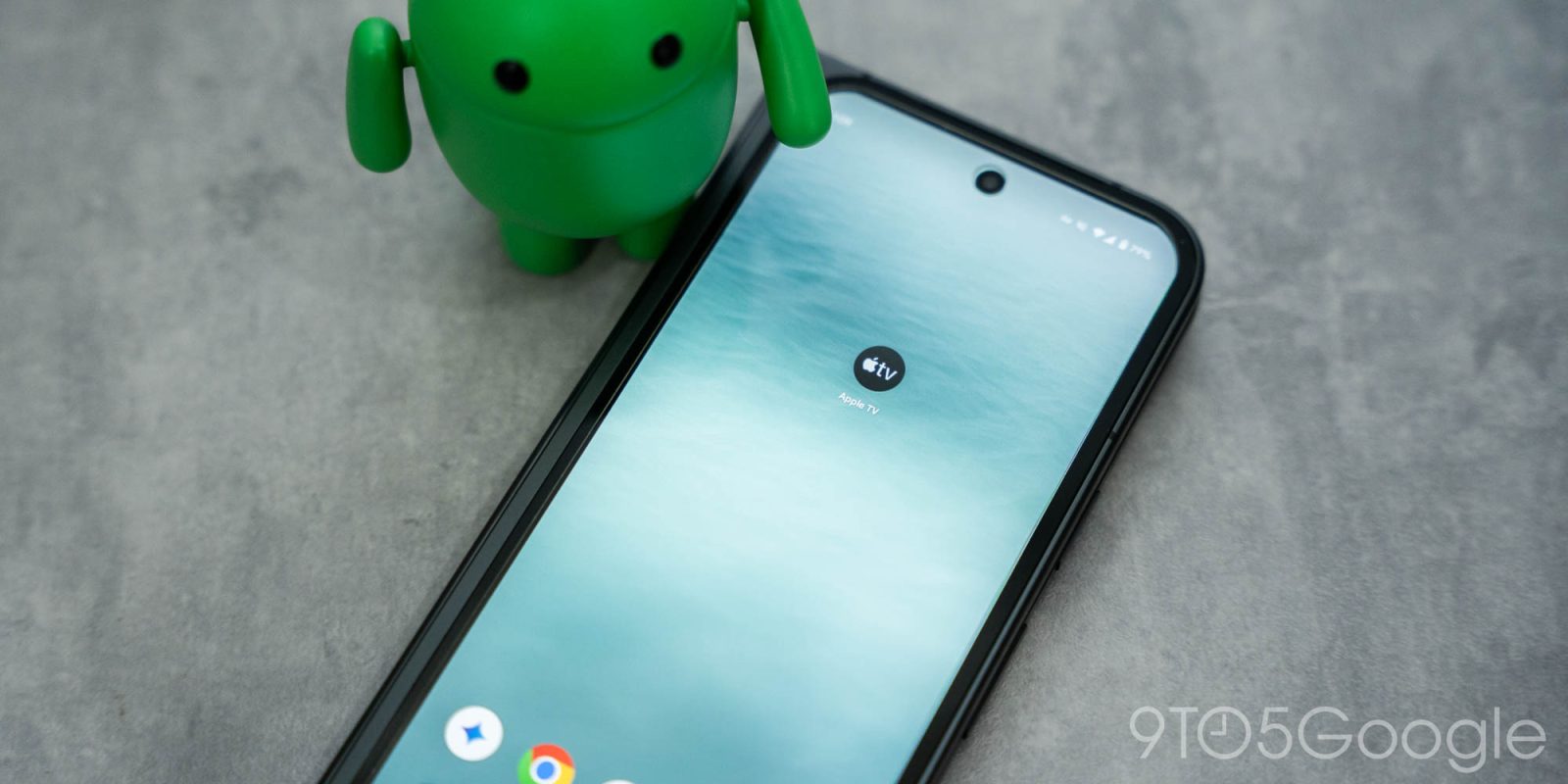
The latest updates, Apple TV version 2.5 and Apple Music version 6.5, focus primarily on enhancing accessibility and user convenience. For the Apple TV app, the update introduces a long-awaited “Continue Watching” widget functionality. Users can now bring their personalized content carousel directly to their Android homescreen, allowing for immediate resumption of movies and television series without the need to navigate through the app interface.
Simultaneously, the Apple Music update is far more comprehensive than a simple maintenance patch. By jumping from version 5.2 to 6.5, Apple appears to be signaling a shift toward unifying its versioning nomenclature with the iOS ecosystem. The update introduces two vital new widgets—Pins and Live Radio—and enhances the social sharing capabilities of the platform, specifically catering to the WhatsApp user base.

Chronology of the Rollout
The deployment of these features began in early February 2025, marking the culmination of months of development aimed at optimizing the Android interface for Apple’s streaming services.
- Early February 2025: Apple initiates the phased rollout of Apple TV 2.5 and Apple Music 6.5 through the Google Play Store.
- Version 2.5 (Apple TV): This release marks the first time the "Continue Watching" feature has been available as a native Android widget, mirroring the design language currently employed on iPhone and iPad.
- Version 6.5 (Apple Music): Representing a significant version jump, this update consolidates several months of background performance improvements and integrates new aesthetic and functional elements.
- Ongoing Integration: Following the initial release, Apple has confirmed that these widgets are now compatible with most modern Android launchers, ensuring that a wide range of devices—from high-end flagships to budget-friendly handsets—can utilize these new tools.
Supporting Data: Widget Functionality and User Experience
The integration of these widgets is not merely cosmetic; it is designed to streamline the user’s content consumption funnel. By reducing the number of taps required to start a song or resume a movie, Apple is optimizing for "micro-moments"—those brief instances when a user wants to engage with media quickly.
Apple TV Widget Breakdown
The Apple TV 2.5 update offers three distinct widget sizes, each serving a specific utility:
- Small Widget: Displays a single piece of media from the user’s "Continue Watching" list. It serves as a minimalist entry point for users with limited homescreen space.
- Medium Widget: Expands the view to show two concurrent items, offering a balance between information density and aesthetic simplicity.
- Large Widget: The most functional iteration, it features high-resolution artwork for the primary item and an integrated, scrollable list. This allows users to browse their history and select specific episodes or films without opening the application.
Apple Music Widget Expansion
Apple Music’s widget ecosystem was already robust, including "Now Playing," "Recently Played," "Recommendations," and "Top Charts." Version 6.5 adds:
- Pins: Designed for power users, this widget provides immediate access to "pinned" albums or playlists, allowing for one-tap playback of a user’s most cherished content.
- Live Radio: This addresses a common pain point where users previously had to navigate to a dedicated tab to access Apple’s live radio offerings. Now, playback can be initiated from the homescreen.
Official Responses and Strategic Implications
While Apple typically maintains a "no comment" stance on specific software development cycles, the implications of these updates are clear to industry analysts. By investing in the Android platform, Apple is acknowledging that its services—Apple Music and Apple TV+—must be platform-agnostic to remain competitive against rivals like Spotify and Netflix.
The synchronization of version numbers between Android and iOS is particularly noteworthy. It suggests a move toward a centralized "Services" strategy where the Android app is no longer treated as a secondary product, but rather as a first-class citizen in the Apple services portfolio.

Implications for the Future of Apple on Android
The decision to provide parity in widgets suggests that Apple is prioritizing user retention over hardware lock-in for its subscription services. When a user has a high-quality, native-feeling experience on their Android device, they are significantly more likely to maintain their monthly subscription to Apple Music or Apple TV+.
Improving Social Connectivity
The addition of native WhatsApp sharing for songs, albums, and lyrics is a strategic play to increase the virality of Apple Music. WhatsApp remains the primary communication tool for millions of users globally. By allowing users to share content directly into a chat, Apple is tapping into social discovery, a key factor in music streaming growth.
The Ecosystem Convergence
Some critics argue that bringing iOS-like widgets to Android is a way for Apple to establish a consistent brand identity across all screens. Whether the user is looking at an iPhone or a Samsung Galaxy, the "Apple" experience—defined by clean typography, high-quality imagery, and smooth interaction—remains the same. This consistency builds brand loyalty and lowers the barrier to entry for Android users who may eventually consider switching to an Apple device.

Conclusion: A More Versatile Apple
The updates to Apple TV and Apple Music represent a mature approach to software development. Apple is no longer attempting to wall off its services; instead, it is inviting the Android user base to enjoy a premium experience. As the digital landscape continues to evolve, these small changes—widgets, better sharing, and synchronized versioning—collectively foster a more integrated and user-friendly ecosystem.
For the average Android user, these updates mean less time searching for content and more time enjoying it. For Apple, it represents a successful strategy to capture market share in the fiercely competitive streaming arena, proving that their services are valuable enough to thrive on any platform. Whether this trend will extend to other Apple services, such as Apple Podcasts or a potential standalone Apple Fitness+ app for Android, remains a subject of intense speculation within the tech industry. For now, users can enjoy the improved functionality of their favorite streaming apps, directly from their Android homescreens.











