Raul Delapena Setiawan
In a surprise move that signals a significant shift in the landscape of Linux-based gaming, Valve has integrated AMD’s FidelityFX Super Resolution (FSR) 4 directly into the latest version of Proton Experimental. This update brings the highly anticipated upscaling technology to the hardware ecosystem of the Steam Machine, effectively bridging the gap between cutting-edge Windows-based visual reconstruction and the open-source gaming environment.
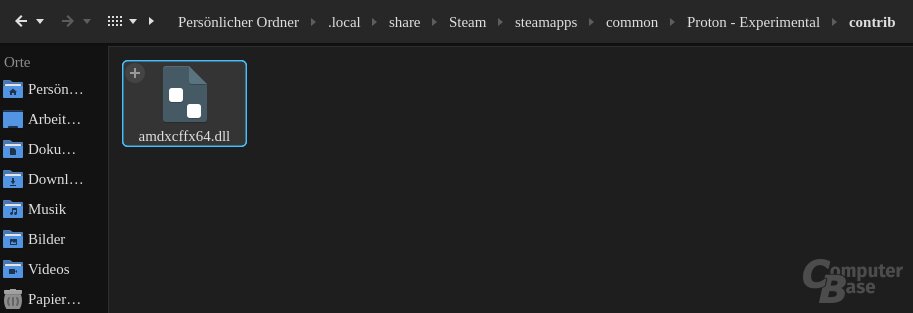
While the inclusion of the amdxcffx64.dll within the Proton distribution was not explicitly mentioned in the official patch notes, community members and power users quickly identified the file within the program’s directory. This integration marks a pivotal moment for Valve’s commitment to providing high-fidelity gaming experiences on their hardware platform, leveraging AMD’s latest upscaling algorithms to enhance performance without sacrificing image quality.
The Evolution of Steam Machine Upscaling
The path to integrating FSR 4 into the Steam Machine ecosystem has been a subject of intense community speculation since the hardware’s launch. With the recent release of the Steam Machine—a high-end, premium-priced gaming device—users have been eager to see how Valve would handle the competitive demands of modern graphical fidelity.
Chronology of Implementation
- The Launch Phase: The Steam Machine arrived with a high price point and a limited lottery-based sales model, focusing on premium hardware targets.
- The RDNA 3 Milestone: AMD’s earlier release of FSR 4 for RDNA 3 architectures set the stage, proving that the technology could be ported effectively to non-Windows environments.
- The Silent Integration: In the most recent update to Proton Experimental, Valve quietly added the core AMD library files necessary to facilitate FSR 4.
- The Confirmation: Pierre-Loup Griffais, a key figure at Valve, confirmed the development via a social media post on Bluesky, clarifying that the technology is now part of the experimental branch of their compatibility layer.
Technical Analysis: What’s Under the Hood?
The integration of FSR 4 into Proton is not merely a "copy-paste" of existing drivers. Analysts have noted that the amdxcffx64.dll file included in Valve’s Proton package is approximately 13 MB larger than the standard version found in AMD’s official Windows drivers. This discrepancy suggests that Valve has implemented custom modifications to the library to ensure compatibility with the Steam Machine’s specific Linux-based kernel and the Proton translation layer.
The RDNA 3 vs. RDNA 4 Divide
Initial testing has yielded a clear performance hierarchy. Users running RDNA 3-based graphics cards (such as the RX 7000 series) have reported successful implementation of FSR 4. The upscaling provides a noticeable boost in frame rates, particularly in graphically demanding titles like Cyberpunk 2077.
However, the situation is different for RDNA 4 hardware. In initial tests—including a trial on an RX 9070 XT—the technology failed to initialize. Even when researchers attempted to manually swap the Proton-provided DLL with the standard AMD version, functionality remained absent. This suggests that the current implementation is heavily optimized for RDNA 3, with RDNA 4 support potentially requiring further firmware or driver-level updates from both Valve and AMD.
Official Responses and Developer Stance
Valve has been characteristically reserved regarding the specifics of this integration. Pierre-Loup Griffais, while confirming the feature, has remained silent on the "how" behind the scenes.
The primary questions currently facing the development team include:
- Automatic vs. Manual Activation: Is FSR 4 intended to be an automatic feature, or will it remain a power-user tool requiring specific launch arguments?
- Global Integration: Will this technology be limited to specific titles, or is Valve working on a global implementation that could force FSR 4 on games that do not natively support it?
- Kernel-Level Support: How much of this implementation relies on the host SteamOS kernel versus the user-space Proton environment?
Previously, community-driven projects like Proton-CachyOS or Proton-GE handled FSR integration by dynamically downloading the necessary DLLs from AMD’s servers and placing them in the System32 directory of the Wine prefix. Valve’s decision to bake this directly into the Proton Experimental package suggests they are moving toward a more streamlined, "out-of-the-box" experience for Steam Machine users.
The Broader Implications for Gaming
The significance of this update cannot be overstated. By bringing FSR 4 to the Steam Machine, Valve is effectively neutralizing one of the few advantages that native Windows gaming held over Linux: the seamless, manufacturer-supported implementation of advanced upscaling.
Performance Gains and User Experience
For the end user, FSR 4 represents the holy grail of modern PC gaming. It allows for high-resolution output from a lower internal rendering resolution. On hardware like the Steam Machine, which is optimized for specific thermal and power profiles, the ability to maintain a high, stable frame rate while keeping power consumption in check is a massive win.
The Competitive Landscape
This move places pressure on competitors. Nvidia’s DLSS (Deep Learning Super Sampling) remains a closed-source ecosystem, which poses a significant hurdle for universal Linux implementation. By standardizing FSR 4 across the Steam Machine via Proton, Valve is creating an environment where developers can focus on a single, open-source upscaling standard that benefits the entire Linux gaming community.
Future Outlook: Toward Universal Support
While RDNA 4 users are currently left in the cold, the industry consensus is that this is a temporary state of affairs. As Valve continues to iterate on Proton Experimental, it is expected that support for newer architectures will follow. Furthermore, the modular nature of the current Proton update implies that, in the future, Valve could update the FSR library independently of the full Proton version, allowing for rapid deployment of bug fixes and performance enhancements.
Conclusion
Valve’s inclusion of FSR 4 in Proton Experimental marks a definitive step forward for the Steam Machine and the broader Linux gaming ecosystem. By providing a stable, integrated environment for AMD’s latest upscaling technology, Valve is ensuring that their hardware remains a viable, high-performance alternative to traditional desktop PCs.
While questions remain regarding the specific compatibility with newer architectures like RDNA 4, the successful deployment on RDNA 3 hardware proves that the architecture of Proton is robust enough to handle high-level upscaling technologies. For the enthusiast, this is an exciting time—the barriers between high-end graphical features and open-source gaming are finally beginning to crumble.
As we look toward the coming months, the focus will undoubtedly shift to how Valve addresses the current limitations and whether they will provide an official interface for users to tweak FSR 4 settings. For now, the Steam Machine has just become significantly more capable, proving that Valve’s "software-first" approach to hardware remains the most effective strategy for winning over the PC gaming market.


 Basiran
 Pevita Pearce