

By Ollie Ring, Senior Editor
Updated: May 15, 2026
In a move that underscores its commitment to the long-term stability of Counter-Strike 2, Valve has deployed a targeted patch designed to address lingering issues on the fan-favorite map, Cache, while simultaneously tightening the mechanical constraints of grenade usage. While this update may lack the headline-grabbing spectacle of a new Operation or a major engine overhaul, it represents the vital, granular work required to maintain competitive balance in a game where a single pixel or a millisecond of animation can decide the outcome of a million-dollar tournament.
The update, which went live on May 14, 2026, focuses on three primary pillars: map-specific geometry refinement, the closing of utility exploitation loopholes, and general quality-of-life improvements for workshop creators and audio enthusiasts.
The Ongoing Evolution of Cache: A Surgical Approach
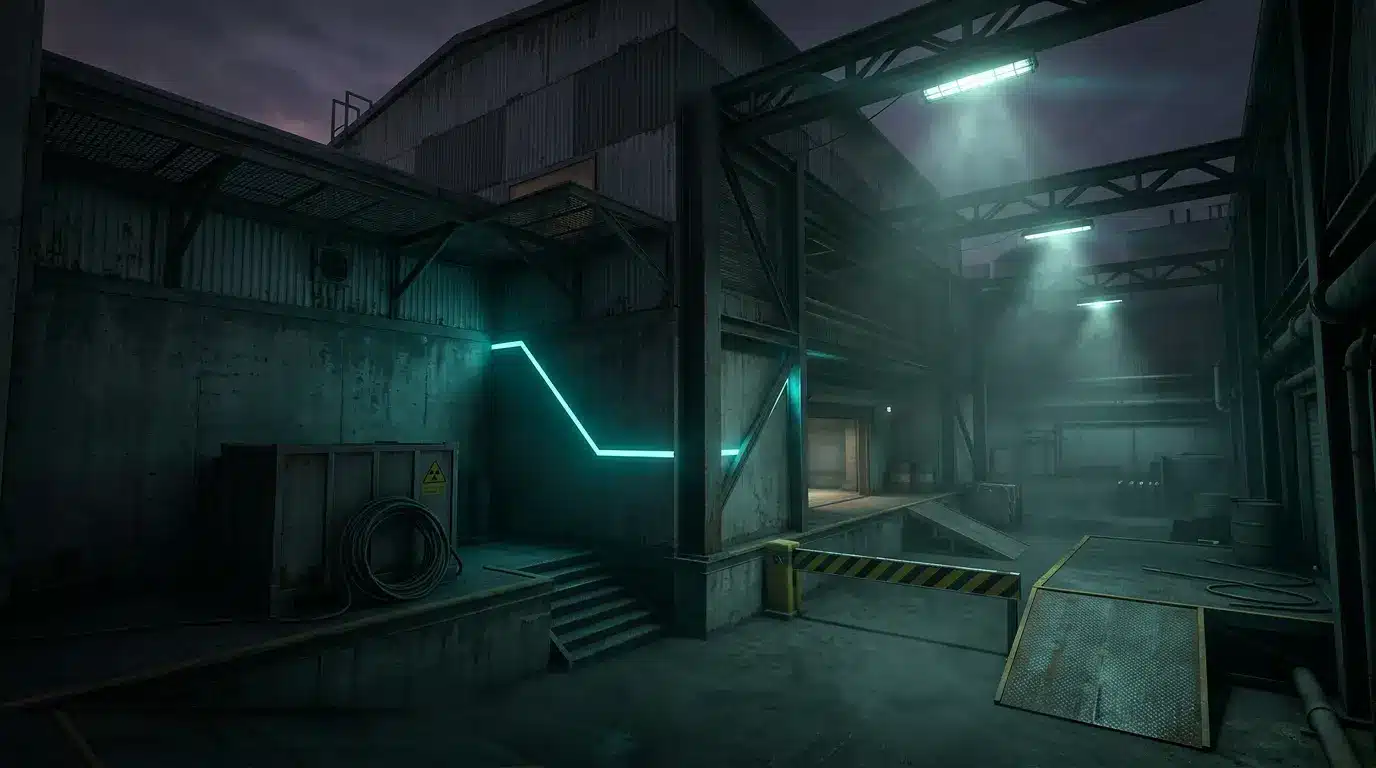
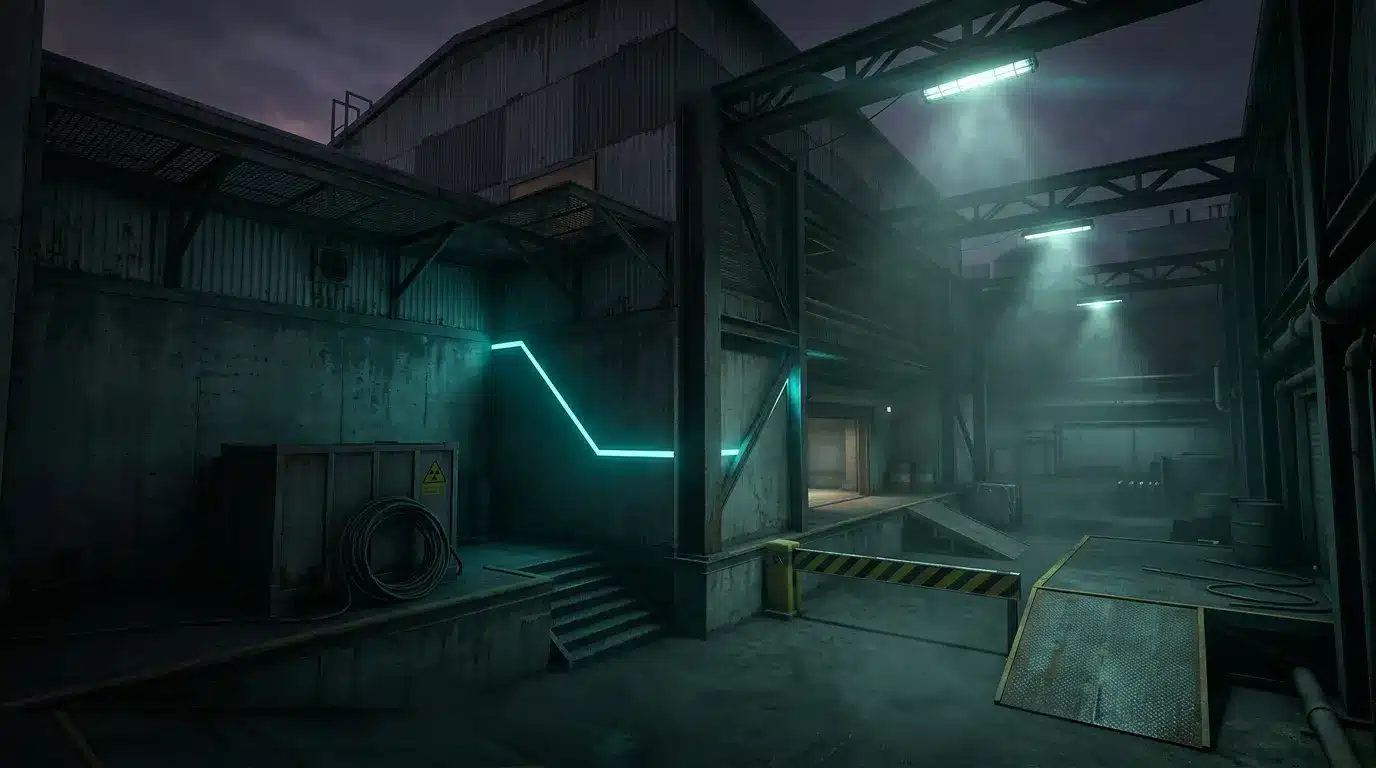
Cache has long been a centerpiece of the Counter-Strike experience, holding a storied place in the franchise’s competitive history. Since its transition to the Source 2 engine, however, the map has been under a constant state of "sanding"—a process of incremental adjustments intended to bring it up to the high-fidelity standards required by modern professional play.
This latest patch brings several critical structural adjustments to the map. Most notably, Valve has addressed ongoing issues with "clipping"—the invisible boundaries that define how players and projectiles interact with the world geometry. In previous iterations, players reported inconsistencies where certain surfaces did not behave as expected, leading to frustrating scenarios where movement was hindered or projectiles bounced off thin air.
Furthermore, the update introduces significant material fixes and the addition of physical grating to specific windows. This seemingly minor aesthetic change carries massive competitive implications: bullets can no longer pass through these window frames. By removing these "spam angles," Valve is effectively forcing attackers and defenders to commit to more deliberate engagements rather than relying on blind fire through unintended gaps. For a map that thrives on high-stakes retake scenarios, these changes ensure that the outcome of a round is determined by tactical execution rather than exploited geometry.
Closing the Utility Gap: Stricter Grenade Mechanics
One of the most technically significant aspects of this update is a change to how players interact with grenades. Previously, there existed a niche window of opportunity for players to cancel a grenade throw even after the pin-pull animation had reached its final stages.
While this might appear to be a trivial mechanic to the casual observer, it represents a significant loophole for high-level tactical play. At the professional level, the ability to "fake" a utility deployment—or abort a throw at the last possible microsecond—can be used to manipulate an opponent’s positioning. By removing this capability, Valve has standardized the risk-reward profile of grenade usage. If a player commits to the animation, they must follow through with the throw. This change removes a layer of "utility bluffing" that, while skill-expressive, created an unpredictable environment that deviated from the intended design of tactical resource management.
Technical Stability and Workshop Enhancements
Beyond the gameplay-altering changes, Valve has directed its attention toward the underpinnings of the Counter-Strike 2 ecosystem. The patch includes several "under the hood" stability improvements aimed at reducing the frequency of crashes and stuttering that have periodically plagued the community since the engine transition.
Of particular interest to the creator community is a fix for the Workshop model browser. Previously, users reported a persistent bug where the browser would fail to correctly select the active asset upon opening, forcing creators to manually navigate their library repeatedly. While seemingly small, these quality-of-life fixes are essential for the health of the community-driven content ecosystem that has sustained Counter-Strike for over two decades.
Additionally, the update addresses a bug related to layered materials and shared surface properties. In complex 3D environments, materials often overlap, and improper rendering can lead to visual artifacts or incorrect sound effects when walking across different floor textures. By resolving this, Valve is ensuring that auditory cues—a critical component of competitive Counter-Strike—remain consistent across the entire map pool.
Audio Updates: The NIGHTMODE II Refresh
Audio in Counter-Strike 2 is not merely atmospheric; it is a vital source of information. Valve’s commitment to audio consistency extends to its cosmetic offerings as well. The latest patch includes an update to the NIGHTMODE II music kits, which now feature a second round MVP anthem. This new track will play at a one-to-five ratio during MVP announcements, providing a fresh auditory reward for players who excel during the heat of a round. While these changes are purely aesthetic, they reflect Valve’s ongoing effort to keep the game’s "living" elements engaging for long-term players.
Implications for Competitive Integrity
The timing of this update—arriving less than a month after Valve’s significant engine and animation patch—suggests a shift in the developer’s philosophy. Rather than waiting for major seasonal updates, the team is opting for a more iterative approach.
For the competitive circuit, the implications are profound. Professional players and analysts are currently treating the map pool as a living document. The constant tweaks to Cache—addressing sound dropouts, refining smoke lighting, and modifying bomb radius behavior—demonstrate that Valve is actively listening to professional feedback. By prioritizing reliability over radical changes, the developers are signaling that they view Counter-Strike 2 as a platform that requires constant, expert-led maintenance to support its professional esports ecosystem.
When players are consistently surprised by "rough map behavior," it breeds frustration. By removing awkward clips and unintended bullet paths, Valve is minimizing the role of "luck" or "game-generated injustice," allowing the skill gap between professional teams to widen based on pure mechanical ability and strategic depth.
The Road Ahead: Analysis and Adaptation
As the community begins to digest these changes, the focus will undoubtedly shift to how they affect professional lineups and wallbang spots. Analysts are already pouring over demos, testing whether the new geometry on Cache forces a re-evaluation of common mid-control utility paths.
The process of "sanding down" the map is far from over. Players should expect further micro-adjustments as the meta shifts to accommodate these new constraints. In the world of high-level Counter-Strike, these patches are the difference between a game that feels "broken" and one that feels "refined."
Valve’s current update pattern—focused on the fundamentals of geometry, utility, and stability—is exactly what the community has been clamoring for. It is a quiet, steady approach, but one that is essential for the long-term health of the esport. As we look toward the remainder of 2026, it is clear that Valve is not looking to reinvent the wheel, but rather to ensure that every spoke on the wheel is perfectly aligned.
A Note on Future Developments
The competitive landscape remains volatile. As organizations and professional players adapt to the new Cache geometry, the burden falls on the community to identify any secondary issues arising from these changes. Whether these fixes will satisfy the most vocal critics of the current map state remains to be seen, but the intent behind the update is clear: in Counter-Strike 2, the environment must be as precise as the players who compete within it.
Ollie Ring has been at the intersection of video games, esports, and gambling for over ten years. His work has appeared in the BBC, Red Bull Gaming, Esports Insider, and PC Gamer. He continues to track the evolution of game mechanics and their impact on global competition.












No comments yet. Be the first to join the conversation!