

Published May 17, 2026, 3:00 PM EDT
By Corey Plante
Don’t sleep on Crunchyroll’s hottest new anime series
Witch Hat Atelier fixes the biggest problem with magic-focused anime
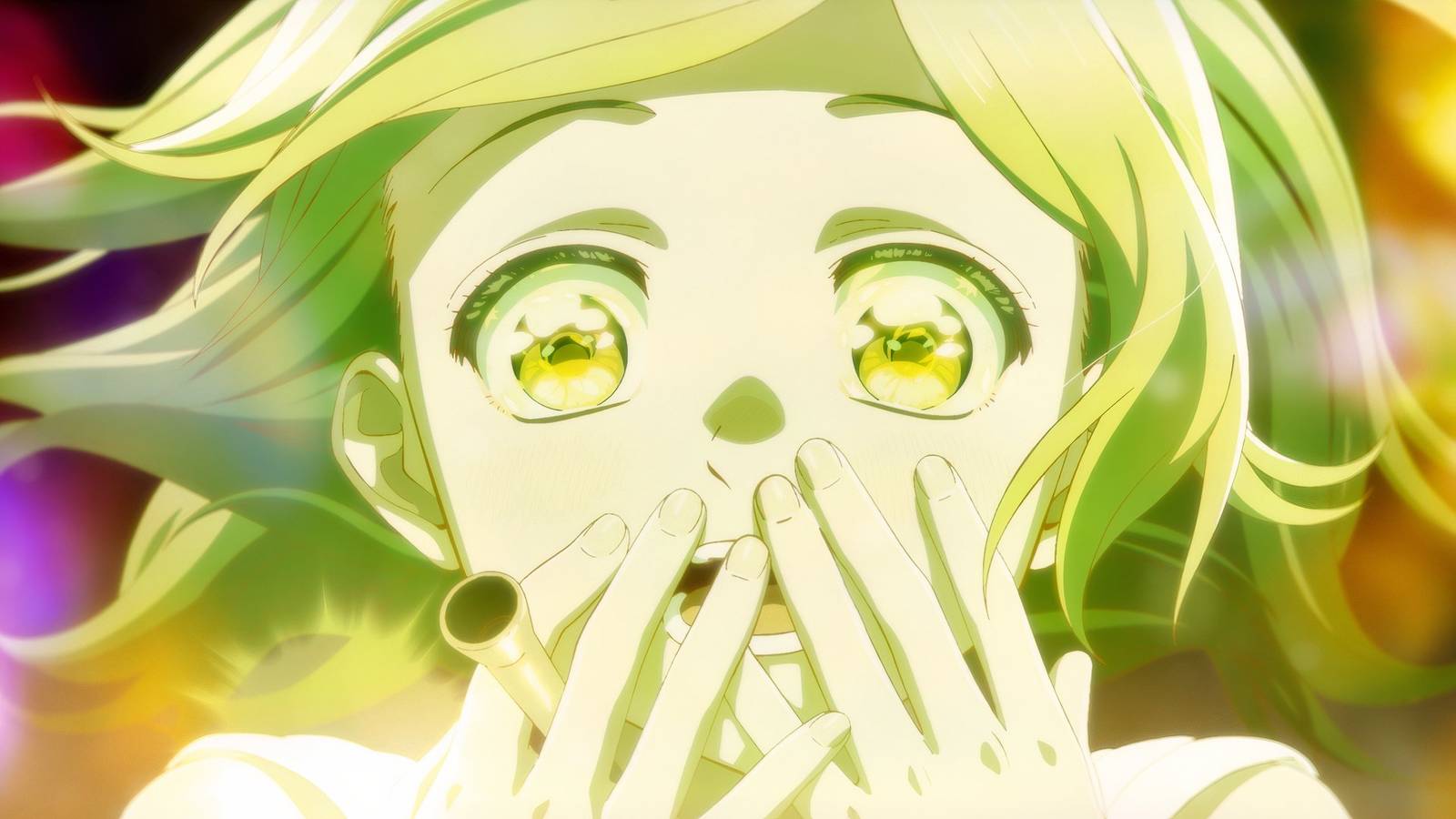
Image: Bug Films/Crunchyroll
Main Facts
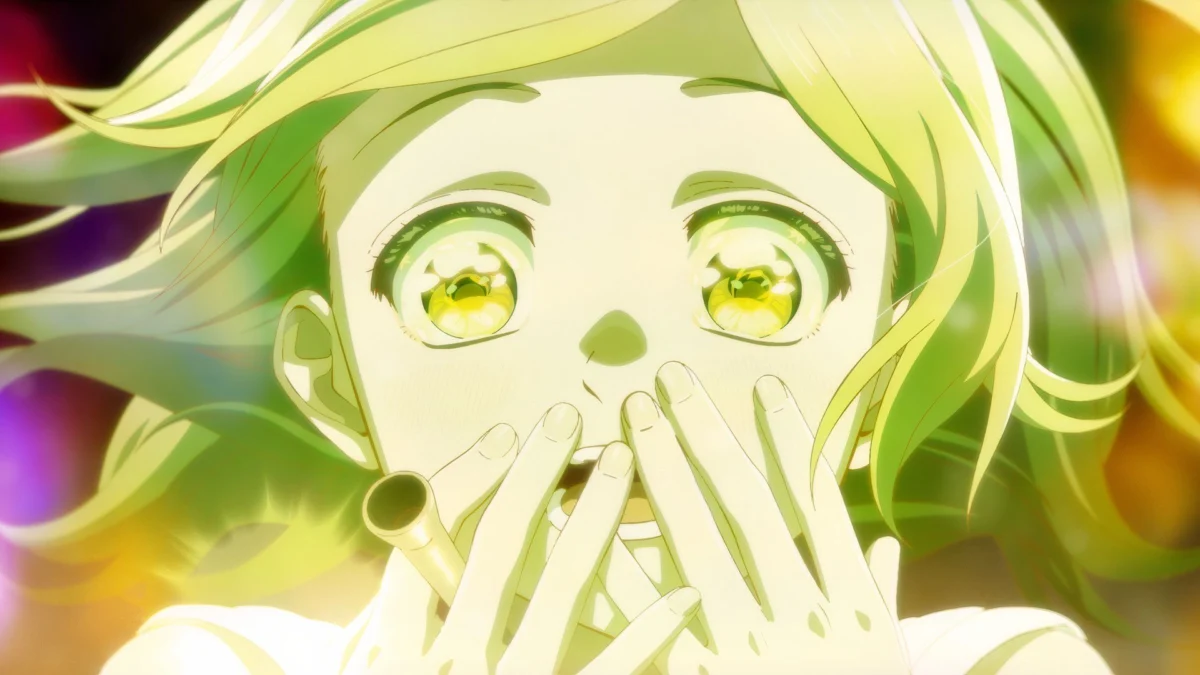
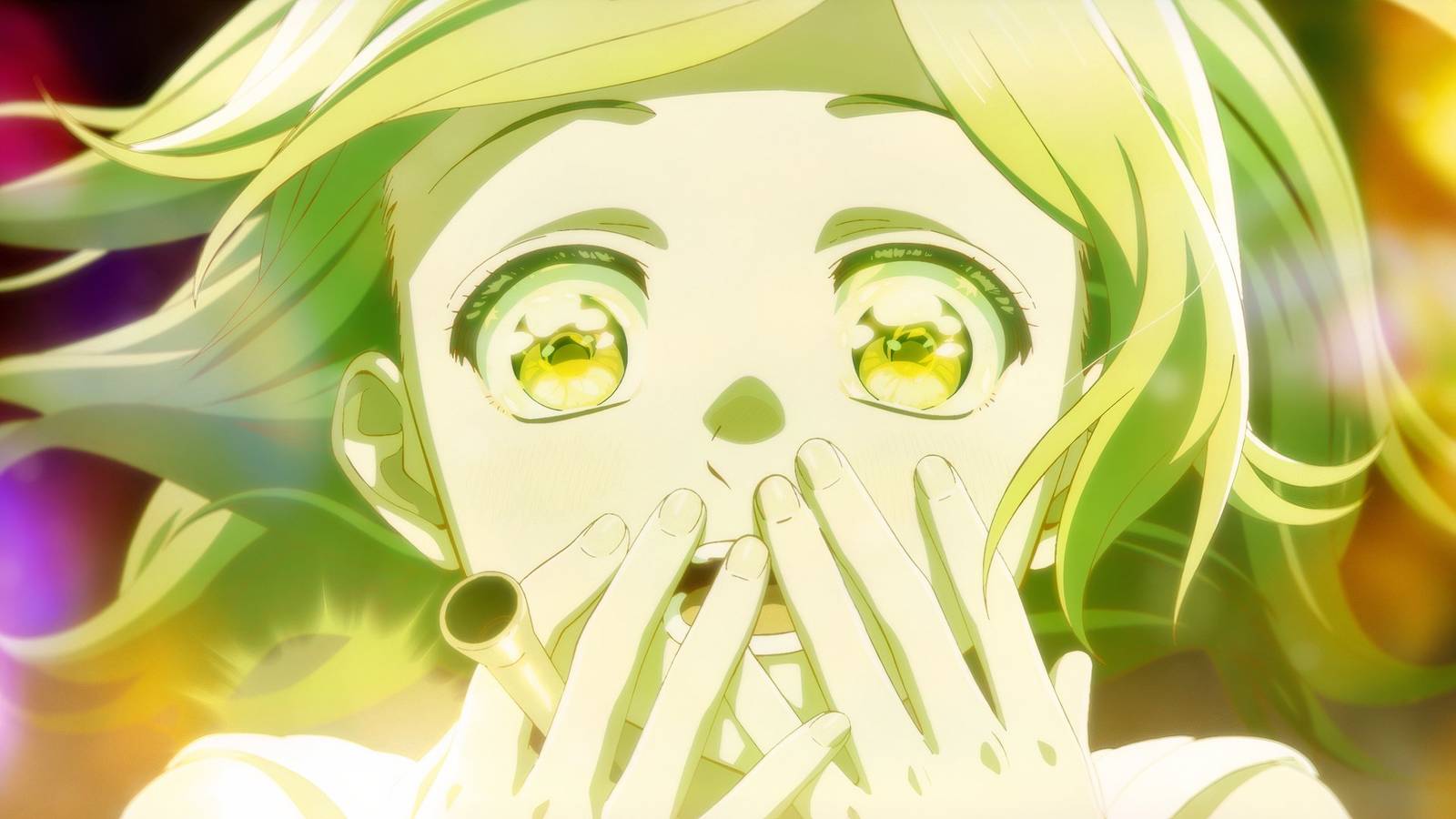
Crunchyroll’s latest fantasy sensation, Witch Hat Atelier, is rapidly distinguishing itself as a groundbreaking series, not just for its captivating narrative and stunning visuals, but for its revolutionary reimagining of magic itself. At its core, the anime challenges a pervasive trope in the fantasy genre: the notion of magic as an innate, often vague, and inherently exclusive power. Instead, Witch Hat Atelier presents a world where magic is a learnable craft, a meticulous art accessible to anyone with the dedication, tools, and knowledge to master it.
The series introduces viewers to Coco, a seemingly ordinary girl who dreams of becoming a witch in a world where magic is believed to be an inherited gift. Her life takes an extraordinary turn when she accidentally discovers a forbidden grimoire and, through a series of precise drawings and specialized inks, unknowingly casts a spell. This singular act shatters her preconceived notions and reveals a profound truth: magic is not a birthright, but a skill. This revelation immediately thrusts Coco into the hidden society of witches as an apprentice, setting the stage for a journey of discovery that is as much about understanding the mechanics of magic as it is about navigating the socio-political structures built around its secrecy.
What truly elevates Witch Hat Atelier to a must-watch status is its "surgical attention to detail." Unlike countless fantasy narratives where magical abilities are often explained away by "mana pools," "bloodlines," or nebulous "chosen one" prophecies, this series offers a tangible, understandable system. Every spell requires specific runes, precisely drawn with particular inks, emphasizing a clear cause-and-effect relationship that allows the audience to learn alongside Coco. This grounded, almost scientific, approach to magic not only makes the fantastical elements more believable but also serves as a potent commentary on power, knowledge, and societal control. By making magic a craft, Witch Hat Atelier not only fixes a significant narrative problem common in the genre but also unveils a compelling critique of a magical aristocracy built on manufactured exclusivity rather than inherent talent. It’s a series that dares to suggest that the true magic lies not in what one is born with, but in what one chooses to learn and create.
Chronology
Manga’s Genesis and Acclaim
The journey of Witch Hat Atelier began long before its animated debut, rooted in the critically acclaimed manga series written and illustrated by Kamome Shirahama. The manga first launched in Kodansha’s Monthly Morning Two magazine in July 2016, immediately captivating readers with its breathtaking artwork and intricate world-building. Shirahama, already known for her distinctive art style and work for Marvel and DC Comics, poured her unique vision into this original fantasy epic. Her artistic prowess is undeniable, with each panel meticulously detailed, showcasing elaborate architectural designs, lush natural landscapes, and the elegant, complex runes that form the very fabric of magic in her world.
From its inception, the manga garnered widespread critical acclaim. It quickly became a darling of both critics and readers, earning numerous prestigious accolades. Among its most notable achievements are nominations for the Eisner Awards, often considered the "Oscars of the comic world," in the Best U.S. Edition of International Material—Asia category. It also won the Grand Prize at the 49th Seiun Awards for Best Comic and was nominated for the Manga Taishō award, further cementing its status as a standout work in contemporary fantasy manga. Reviewers consistently lauded Shirahama’s ability to craft a deeply immersive world, her compelling characters, and, most importantly, her innovative and refreshingly logical magic system. The manga’s success set a high bar, creating immense anticipation for any potential adaptation. Its consistent popularity and critical recognition underlined the strength of its core concepts and its potential to resonate with a broader audience.
Anime Adaptation Journey
The announcement of an anime adaptation for Witch Hat Atelier sent ripples of excitement through the global anime community. In August 2022, the news officially broke that the beloved manga would be brought to life by Bug Films, a studio that, while relatively new, had already demonstrated a flair for high-quality animation and distinctive visual storytelling. Crunchyroll, a leading global distributor of anime, quickly secured the streaming rights, ensuring that the series would reach a vast international audience upon its release.
The production team at Bug Films faced the formidable challenge of translating Shirahama’s exquisite, detail-rich artwork and complex magical mechanics into a dynamic animated format. This was no small feat, as the manga’s visual fidelity is a significant part of its charm. The studio and director aimed to preserve the delicate balance between the whimsical fantasy elements and the grounded, craft-based nature of magic. Early promotional materials and trailers showcased an animation style that paid faithful homage to Shirahama’s designs, particularly in the rendering of the magical sigils and the vibrant world. The meticulous animation of characters drawing runes, the shimmering effects of the magical ink, and the intricate designs of the witches’ tools all demonstrated a deep respect for the source material.
When the first episodes finally debuted on Crunchyroll in May 2026, the reception was overwhelmingly positive, echoing the critical success of the manga. Viewers praised the anime’s stunning visuals, the faithful adaptation of the narrative, and the compelling characterization of Coco and her fellow apprentices. Crucially, the anime successfully conveyed the intellectual satisfaction derived from its magic system, allowing audiences to grasp the rules and implications of spellcasting in a way that many other fantasy series struggle to achieve. The seamless blend of artistic beauty and narrative depth proved that Witch Hat Atelier was not just another fantasy show, but a meticulously crafted experience poised to leave a lasting impact on the genre.
Supporting Data
The Craft of Magic: A Deep Dive
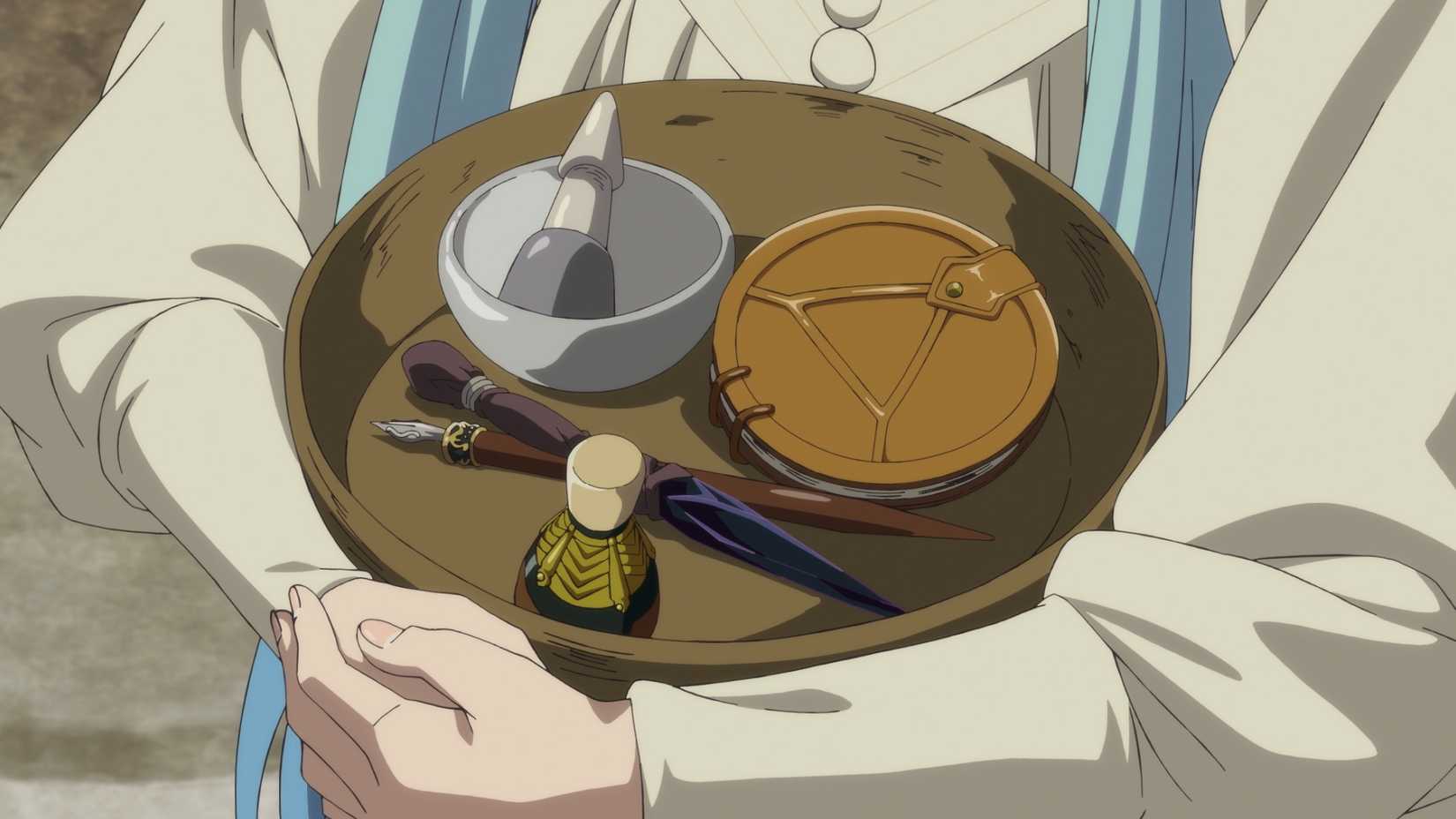
At the heart of Witch Hat Atelier‘s genius lies its meticulously constructed magic system, which eschews traditional fantasy tropes in favor of a refreshingly tangible and understandable craft. In this world, magic isn’t a nebulous force tapped into by innate talent or inherited bloodlines; it is, quite literally, a form of art and engineering. Spells are cast by drawing specific, intricate runes and sigils using specialized magical inks on various surfaces, from parchment to the very air itself. The precision required is paramount: a line too long, a curve imperfectly rendered, or an incorrect ink can lead to unpredictable and often dangerous consequences. This is a system where the "how" is just as important, if not more so, than the "why."
This approach draws fascinating parallels to "hard magic systems" championed by authors like Brandon Sanderson in Western fantasy. Sanderson’s laws of magic emphasize clarity, consistency, and limitations, allowing readers to understand what magic can do, what it costs, and how it works within the story’s internal logic. Similarly, Witch Hat Atelier provides its audience with clear parameters. Watching Coco learn to draw a spell to light a lamp, mend a broken object, or even create a simple barrier feels less like witnessing a miracle and more like observing a budding artisan or scientist refining their technique. Her struggles and triumphs are directly tied to her understanding and execution of the craft, making her growth intellectually satisfying and profoundly relatable. The tools of a witch—quills, inkwells filled with diverse magical pigments, and grimoires filled with complex diagrams—are presented not as mystical artifacts, but as extensions of a skilled craftsperson’s trade. This makes the learning process inherently dramatic and engaging, as every stroke of the pen carries weight and consequence.
In stark contrast, many other acclaimed fantasy works, such as Frieren: Beyond Journey’s End or even classics like The Lord of the Rings, operate with "soft magic systems." In Frieren, the titular elf’s immense mana pool and her apprentice Fern’s rapid growth are often treated as innate qualities, explained by their elven nature or exceptional talent, without delving into the granular mechanics of their power. Similarly, Gandalf’s wizardry in Middle-earth is more about awe and mystery, functioning as a force of nature or divine intervention rather than a systematic discipline. While these approaches certainly create a sense of wonder and epic scale, they often leave the audience observing power from a distance, rather than actively comprehending its inner workings. Witch Hat Atelier invites viewers into the workshop, demystifying magic not to diminish its wonder, but to deepen our appreciation for the skill and knowledge required to wield it.
Sociological Implications of Accessible Magic
The groundbreaking premise of Witch Hat Atelier—that magic is a learnable craft rather than an inherited gift—carries profound sociological implications that ripple throughout its narrative and world-building. The revelation that "anyone can do it if they hone their craft" immediately transforms the magical society from one defined by natural talent into one deliberately structured around the hoarding of knowledge. This manufactured secrecy gives rise to a "magical aristocracy," a powerful elite who maintain their status and control by restricting access to the fundamental principles of spellcasting.

This isn’t just a simple plot device; it’s a scathing critique of systems built on exclusivity and the suppression of information. The powerful witches of this world aren’t inherently superior; they are simply those who possess the forbidden knowledge—the grimoires, the specific inks, and the precise techniques—that allow them to manipulate reality. Their authority is thus not derived from divine right or an unreplicable gift, but from a strategic monopoly on education and resources. The "forbidden grimoire" that Coco stumbles upon isn’t dangerous because its magic is inherently evil, but because its existence threatens the very foundation of this aristocratic order by exposing the truth of magic’s accessibility.
The ethical dilemmas presented are compelling. Why would an entire society conspire to hide such a transformative truth from the masses? The series hints at the potential dangers of uncontrolled magic, suggesting that the "forbidden" spells might indeed be destructive or difficult to master without proper guidance. However, this justification also serves to maintain the status quo, creating a narrative of protection that conveniently benefits the powerful. This dynamic resonates with real-world historical precedents, such as ancient guilds guarding trade secrets, scientific advancements kept from the public, or even modern debates about intellectual property and open-source knowledge.
Coco, as an outsider accidentally privy to this hidden truth, becomes a disruptive force. Her journey is not merely about learning magic, but about challenging an entrenched system. She represents the potential for democratization of power, the breaking down of barriers, and the triumph of curiosity and dedication over artificial class structures. Her resourcefulness, intelligence, and unwavering commitment to understanding magic’s mechanics stand in direct opposition to the elitism she encounters. Through Coco, Witch Hat Atelier explores not just the wonders of magic, but the politics of knowledge, the ethics of control, and the transformative power of a single individual challenging established norms.
Official Responses
Creator’s Vision
Kamome Shirahama, the visionary mangaka behind Witch Hat Atelier, has consistently expressed a desire to craft a fantasy world that felt both wondrous and logically coherent. While direct quotes on the anime’s production are still emerging, her extensive interviews regarding the manga provide invaluable insight into the core philosophy driving the series’ unique magic system. Shirahama has often spoken about her fascination with the idea of creation and craftsmanship, and how that could translate into a magical practice. She deliberately moved away from the common "mana pool" concept, stating that she wanted magic to be something tangible, something that characters could actively learn and improve upon, much like an artist mastering a new technique or a scientist conducting an experiment.
Shirahama’s vision for magic as a craft was born from a desire to ground the fantastical in a relatable reality. She meticulously designed each rune and sigil, not just for aesthetic appeal, but with an underlying logic that implies specific functions and consequences. This approach allows for a level of detail that makes the act of spellcasting feel like a genuine skill rather than a vague incantation. She aimed to create a world where magic felt like an extension of human creativity and ingenuity, emphasizing that it’s the effort, precision, and understanding that unlock its power, rather than an arbitrary birthright. This philosophical underpinning is crucial to the series’ social commentary, as it highlights the manufactured nature of the magical elite’s power and the injustice of knowledge hoarding. Shirahama’s belief in the accessibility of potential, even if societal structures try to suppress it, is a central theme woven into Coco’s journey and the wider narrative.
Anime Production Team’s Approach
The team at Bug Films, entrusted with adapting Kamome Shirahama’s intricate vision, faced the significant challenge of translating the manga’s detailed art and nuanced magic system into a dynamic animated form. Their approach was clearly one of reverence and meticulous dedication to the source material. Director Ayumu Watanabe and the animation staff focused intensely on preserving the aesthetic beauty and the intellectual clarity of Shirahama’s world. This meant painstakingly animating the delicate act of drawing runes, ensuring that each stroke, each swirl of magical ink, and the resulting magical effect was rendered with precision and visual impact.
The production team understood that the magic system’s credibility hinged on its visual representation. They employed sophisticated animation techniques to make the magical sigils appear both elegant and functional, often using subtle glows and fluid movements to convey the energy flowing through the drawn lines. The sound design also plays a crucial role, with distinct audio cues for the drawing of runes, the mixing of inks, and the activation of spells, further enhancing the sense of a physical, tangible craft.
Crunchyroll, as the primary distributor, recognized the unique appeal of Witch Hat Atelier early on. Their commitment to bringing such a visually and narratively rich series to a global audience underscores their confidence in its distinctiveness within the crowded fantasy genre. Official statements from Crunchyroll often highlight the series’ artistic merit and its refreshing take on magic, positioning it as a standout title that offers both wonder and thoughtful commentary. The synergy between Shirahama’s original vision, Bug Films’ dedicated animation, and Crunchyroll’s global reach has allowed Witch Hat Atelier to emerge as a powerful new voice in the anime landscape, demonstrating that fidelity to an intricate concept can yield profoundly rewarding results for viewers worldwide.
Implications
Impact on the Fantasy Genre
Witch Hat Atelier is poised to leave a significant mark on the fantasy genre, offering a refreshing alternative to many established conventions. Its greatest implication lies in challenging the pervasive "soft magic system" that often prioritizes spectacle and emotional impact over logical consistency. By presenting magic as a meticulously learned craft, the series provides a blueprint for future fantasy creators seeking to build worlds with deeply satisfying and intellectually engaging power systems. This "hard magic" approach, while not entirely new to fantasy (especially in literature), is less common in anime, where escalating power levels and vague explanations often dominate. Witch Hat Atelier demonstrates that clarity and consistency can enhance wonder rather than diminish it, inviting audiences to actively participate in understanding the magical mechanics rather than passively observing them.
Furthermore, the series’ exploration of magic’s accessibility could inspire a new wave of narratives that dismantle traditional aristocratic or "chosen one" tropes. It champions the idea that dedication, curiosity, and hard work are more potent than inherent talent, a message that resonates deeply with audiences looking for relatable and aspirational heroes. This shift could lead to more stories where the acquisition of power is a journey of skill development and intellectual pursuit, moving away from narratives solely focused on innate potential or destiny. Its appeal extends beyond seasoned fantasy fans, drawing in newcomers who might be intimidated by overly complex or undefined magical universes, as Witch Hat Atelier offers a welcoming entry point into understanding its rules.
Broader Themes and Message
Beyond its innovative magic system, Witch Hat Atelier delivers several profound broader themes that resonate deeply. The most prominent is the assertion that "the pen is mightier than both the sword and the wand." This isn’t just a metaphor; it’s the literal truth of its world. The power of creation, of precise drawing, and of knowledge—all symbolized by the pen and the grimoire—outweighs brute force or inherited magical aptitude. This theme champions intellectual pursuits, artistic expression, and diligent study as the ultimate forms of power, offering a compelling counter-narrative to action-heavy fantasy where physical prowess or destructive spells often reign supreme.
The series also celebrates the importance of curiosity, the courage to challenge established norms, and the transformative power of learning. Coco’s journey is a testament to the idea that questioning authority and seeking truth, even when forbidden, can lead to profound personal growth and societal change. Her resourcefulness and intelligence, rather than any latent magical talent, are her greatest strengths. The narrative beautifully illustrates the ethical responsibility that comes with knowledge, particularly when that knowledge is intentionally hoarded. As Coco uncovers more about the true nature of magic and the reasons behind its secrecy, the story delves into complex questions about censorship, control, and the societal impact of scientific or artistic breakthroughs.
Ultimately, Witch Hat Atelier is not just a fantasy anime; it is a meticulously crafted piece of art in itself, echoing the very craftsmanship it extols. Its stunning visuals, intricate world-building, and compelling characters are a testament to the creative potential unleashed when meticulous attention is paid to detail and an innovative spirit guides the narrative. The series invites us to reconsider our assumptions about magic, power, and the structures that govern our worlds, proving that even in the most fantastical settings, grounded logic and meaningful social commentary can elevate a story to truly magical heights.











No comments yet. Be the first to join the conversation!