Layla Zulfa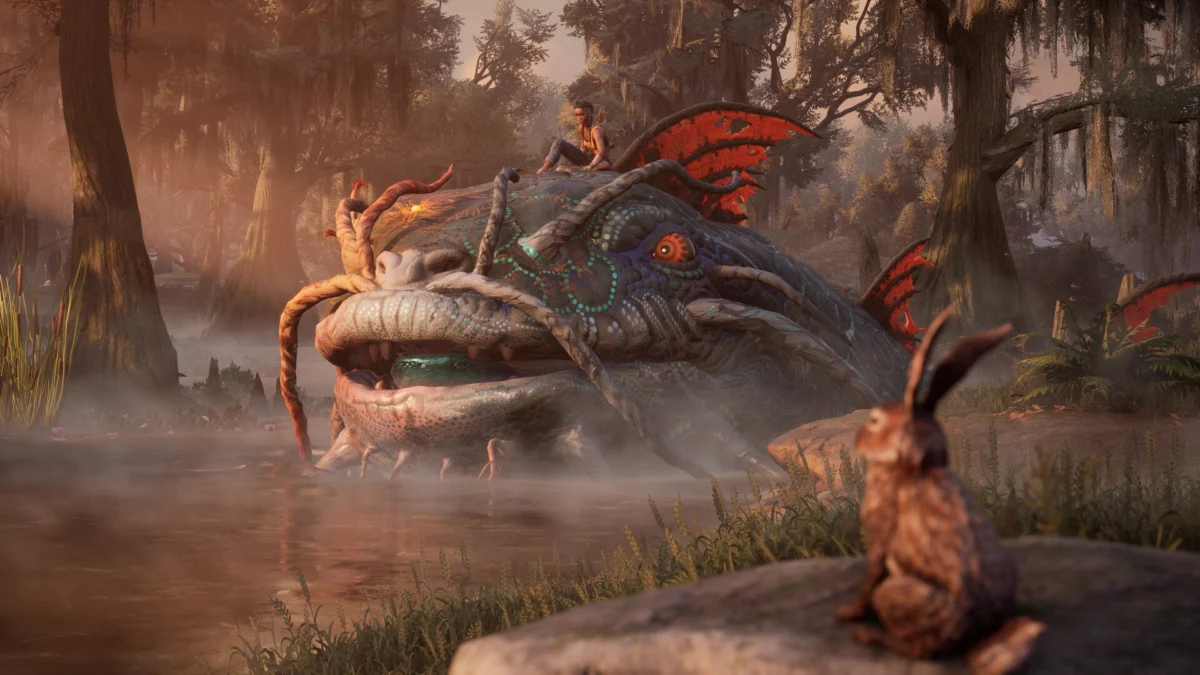
REDMOND, WA – The gaming world watches with bated breath as reports emerge suggesting a looming crisis within Xbox Game Studios, with critically acclaimed developers like Compulsion Games, Double Fine Productions, and Ninja Theory reportedly facing an uncertain future, including the possibility of outright closure. This dramatic development comes amidst a period of significant financial reevaluation and leadership changes within Microsoft’s gaming division, casting a shadow over the company’s ambitious acquisition strategy.
Sources close to Compulsion Games, the creative force behind We Happy Few and the recently lauded South of Midnight, indicate that the studio’s leadership is currently engaged in "negotiations" with Microsoft regarding its ultimate fate. While the specifics of these crucial discussions remain undisclosed, the very necessity of such talks has ignited widespread concern across the industry. Further reports suggest that this precarious situation is not isolated, with Double Fine, renowned for its Psychonauts series, and Ninja Theory, the studio behind the groundbreaking Hellblade titles, also reportedly in crisis talks, with management allegedly striving to spin off these studios to prevent their complete dissolution.
This unsettling news follows a tumultuous period for Xbox, characterized by significant layoffs, strategic shifts, and high-profile leadership departures, all underscored by a recent admission of declining revenue despite massive investments. The potential loss of these studios, particularly those celebrated for their unique narrative experiences and artistic vision, represents a profound blow to the creative landscape of Xbox and the broader gaming industry.
Main Facts: Xbox Studios Face Uncertain Future Amidst Restructuring Rumors
The core of the unfolding crisis centers on the fate of several highly regarded development teams operating under the Xbox Game Studios umbrella. The immediate focus is on Compulsion Games, but the ripple effects are expected to extend much further.
Compulsion Games at the Forefront of Closure Discussions
Compulsion Games, a Montreal-based developer, has been thrust into the spotlight of these distressing reports. Known for its distinct artistic style and penchant for crafting immersive, narrative-driven experiences, the studio gained prominence with its dystopian survival game We Happy Few. More recently, the studio has been developing South of Midnight, a highly anticipated action-adventure title steeped in Southern Gothic folklore and featuring a striking visual aesthetic, as depicted in promotional art showcasing a monstrous catfish-like creature.
The irony surrounding Compulsion Games’ current predicament is particularly stark. Just last week, South of Midnight garnered the prestigious Game of the Year Award at the Gayming Awards. This accolade was swiftly followed by another significant win: Best New Intellectual Property at the BAFTA Awards 2026. In April, Compulsion Games proudly announced that South of Midnight had also received a Peabody Award for "stories that matter," with the studio remarking on the "heart and steadiness to tell stories rooted in folklore, stitched with care to carry the weight of beauty and the truth of scars." These recent critical successes underscore the studio’s creative strength and the perceived value of its upcoming title, making the prospect of its closure even more perplexing and alarming to fans and industry observers alike.
Double Fine and Ninja Theory Also Reportedly at Risk
The situation extends beyond Compulsion Games, with two other prominent Xbox-owned studios, Double Fine Productions and Ninja Theory, also reportedly facing similar "crisis talks" with Microsoft.
Double Fine, led by industry veteran Tim Schafer, has long been celebrated for its innovative and often whimsical games, most notably the Psychonauts series. Psychonauts 2, released in 2021, was a critical darling, praised for its imaginative level design, heartfelt story, and unique exploration of mental health themes. The studio’s history is rich with unique titles, from Grim Fandango to Broken Age, establishing a reputation for creative excellence and distinctive storytelling. The potential loss of Double Fine would represent a significant blow to narrative-driven gaming and a worrying sign for studios focused on original, character-driven experiences.
Ninja Theory, a British developer, has earned widespread acclaim for its intense, action-oriented games with strong narrative cores. Their most notable recent work includes Hellblade: Senua’s Sacrifice, an emotionally charged title that bravely tackled themes of psychosis and mental illness, earning numerous awards for its storytelling and innovative sound design. Its sequel, Senua’s Saga: Hellblade II, recently launched to a mixed but generally positive reception, particularly for its stunning visuals, atmospheric world, and continued exploration of Senua’s psychological journey. The prospect of Ninja Theory’s closure, especially so soon after the release of a major exclusive title, raises profound questions about Xbox’s commitment to supporting diverse, high-quality development.
Negotiations Underway to Avert Closures
At the heart of these reports are the "negotiations" currently taking place between the leadership of these studios and Microsoft. While the details are scarce, the implication is that these discussions are aimed at finding alternatives to outright closure. For Compulsion Games, these talks are described as being over "the studio’s fate." For Double Fine and Ninja Theory, Bloomberg’s reporting suggests management is fighting to "spin off the studios to avoid closure."
A spin-off could potentially see these studios regain independence, possibly with external funding or through a management buyout, allowing them to continue developing games without being directly under Microsoft’s corporate structure. However, such a move would entail significant challenges, including securing new publishing deals, retaining talent, and navigating the complexities of transitioning from a major publisher’s support system. The fact that such extreme measures are even being considered underscores the severity of the financial pressures and strategic shifts occurring within Microsoft’s gaming division.
Chronology of Xbox’s Recent Turbulence
The current crisis facing these studios is not an isolated event but rather the latest development in a series of strategic realignments and challenges that have plagued Xbox throughout the past year.
Early 2024: Layoffs and Strategic Shifts
The year 2024 began with a stark reminder of the volatile nature of the gaming industry. In January, Microsoft announced significant layoffs across its gaming division, impacting approximately 1,900 employees, primarily from Activision Blizzard, but also extending to Xbox and ZeniMax (Bethesda) staff. This round of job cuts, which represented about 8% of Microsoft’s total gaming workforce, signaled a clear intent for cost-cutting and a re-evaluation of post-acquisition integration strategies. Phil Spencer, CEO of Microsoft Gaming, cited "areas of overlap" and a need to align on a "sustainable cost structure" as reasons for the downsizing. This initial wave of layoffs set a precedent for further belt-tightening measures.
Leadership Departures Signal Deeper Issues
Adding to the instability, key leadership figures within Xbox Game Studios have recently departed. Earlier today, news broke that Craig Duncan, the leader of Xbox Games Studios, had stepped down from his role after an eighteen-month tenure. His chief of staff, Louise O’Connor, also announced her departure, less than a year after joining the division. These high-level exits, especially from individuals responsible for overseeing the very studios now facing potential closure, raise serious questions about the direction and stability of Xbox’s internal development strategy. Such departures often indicate significant internal disagreements or a fundamental shift in corporate vision, leaving a leadership vacuum at a critical juncture.
CEO Asha Sharma’s "Xbox Reset" and Financial Disclosures
The backdrop to these studio-specific challenges is a broader strategic overhaul championed by Asha Sharma, who recently marked her first 100 days as CEO of Xbox. In a candid blog post, Sharma outlined what she termed an "Xbox reset," acknowledging significant financial hurdles. She revealed that, excluding the colossal Activision Blizzard acquisition, Microsoft had invested over $20 billion into Xbox over the past five years. Despite this substantial investment, Sharma disclosed a concerning trend: Xbox’s revenue has reportedly dropped by approximately $500 million per year.
This stark admission of declining revenue, even as investments soared, provides a critical piece of the puzzle, suggesting that Microsoft is under increasing pressure to demonstrate profitability and efficiency across its gaming portfolio. The "reset" appears to be a direct response to these financial realities, leading to difficult decisions regarding resource allocation and the viability of individual studios.
Recent Award Recognition for Studios Under Threat
The timing of these reports is particularly poignant given the recent critical acclaim received by the very studios now facing closure. As mentioned, Compulsion Games’ South of Midnight has swept multiple awards, including Game of the Year at the Gayming Awards, Best New Intellectual Property at the BAFTA Awards 2026, and a Peabody Award for its storytelling. This cascade of accolades serves as a powerful testament to the creative merit and cultural relevance of the studio’s work. Similarly, Double Fine and Ninja Theory boast extensive histories of developing award-winning titles, recognized for their innovation, artistic integrity, and narrative depth. The stark contrast between these recent triumphs and the immediate threat of closure highlights a profound disconnect between critical recognition and perceived financial viability within Microsoft’s current strategic framework.
Supporting Data: The Broader Context of Microsoft’s Gaming Strategy
To understand the current predicament, it’s crucial to examine the larger economic and strategic forces at play within Microsoft’s gaming division and the industry as a whole.
Declining Revenue and Increased Investment
Asha Sharma’s disclosure of declining annual revenue by $500 million, set against a backdrop of $20 billion in investment (excluding Activision Blizzard), paints a challenging financial picture. This indicates that the significant capital injected into Xbox over the past half-decade has not translated into proportionate revenue growth, or at least not enough to satisfy internal financial targets. This could be due to several factors: the high cost of developing AAA games, the increasing competition in the subscription service market (Game Pass), slower-than-anticipated console sales, or perhaps a lower-than-expected return on investment from previously acquired studios.
The aggressive acquisition strategy, which saw Microsoft bring numerous studios under its wing, was predicated on expanding the Xbox ecosystem, bolstering Game Pass, and securing exclusive content. However, managing a sprawling portfolio of studios, each with its own culture, development pipeline, and financial needs, can be incredibly complex and expensive. The reported revenue decline suggests that the anticipated synergies or growth from these investments have not materialized sufficiently to offset the operational costs and development expenditures.
The Activision Blizzard Acquisition’s Shadow
While Sharma explicitly excluded the Activision Blizzard acquisition from her $20 billion investment figure, the shadow of this monumental $69 billion deal looms large over Xbox’s current financial situation. Such a massive acquisition inevitably brings immense pressure to demonstrate value and recoup investment. The integration of Activision Blizzard’s vast portfolio, including powerhouse franchises like Call of Duty, World of Warcraft, and Candy Crush, is an enormous undertaking. The costs associated with this integration, potential restructuring, and the sheer scale of managing such a diverse array of assets would naturally place a magnifying glass on the performance of other, potentially smaller or less immediately profitable, segments of the Xbox division. It is plausible that the need to optimize the newly expanded gaming empire is driving a more ruthless assessment of existing assets.
Industry-Wide Layoffs and Consolidation Trends
The challenges faced by Xbox are not unique; the broader video game industry has been experiencing a period of significant turmoil. 2023 and early 2024 have been marked by widespread layoffs across numerous companies, including PlayStation, Embracer Group, Unity, Epic Games, Riot Games, and countless independent studios. Factors contributing to this trend include post-pandemic market corrections, over-hiring during the boom years, rising development costs, increasing competition, and a general economic slowdown.
This industry-wide consolidation and belt-tightening suggest that even financially robust companies like Microsoft are not immune to the pressures of optimizing their operations and ensuring profitability in a rapidly evolving market. The "consolidation paradox" – where companies acquire studios to grow, but then struggle to integrate or sustain them – is a recurring theme. Studios that might have thrived as independent entities or under different publishing models are now being subjected to the stricter financial scrutiny of a large corporate parent.
The Value of Acquired Talent and IPs
Microsoft’s strategy over the past decade has heavily relied on acquiring established studios and their intellectual properties. The value proposition was clear: secure talented teams, cultivate unique game experiences, and feed the Game Pass subscription service with a steady stream of first-party content. Studios like Compulsion, Double Fine, and Ninja Theory were acquired precisely because of their distinct creative voices and their ability to produce critically acclaimed, often innovative, titles.
The potential closure or spin-off of these studios raises fundamental questions about Microsoft’s long-term commitment to creative diversity and smaller, more niche projects within its portfolio. If studios with recent award wins and proven track records are deemed expendable, it sends a chilling message to other acquired developers and the broader industry about the inherent risks of corporate ownership, even under a seemingly supportive parent company. The immediate financial gain from cost-cutting might be outweighed by the long-term loss of creative capital, unique IPs, and the perception of Xbox as a home for diverse game development.
Official Responses and Lack Thereof
In times of significant corporate upheaval, official communications are crucial for managing perception and providing clarity. However, in this instance, a distinct lack of official comment has only fueled speculation and concern.
Xbox’s Silence Amidst Growing Speculation
As of the time of this report, Xbox has maintained official silence regarding the status of Compulsion Games, Double Fine, and Ninja Theory. GamesIndustry.biz explicitly stated that they had reached out to Xbox for comment, but no public statement or confirmation has been provided. This silence, while perhaps strategic to allow ongoing "negotiations" to conclude, contributes to an atmosphere of uncertainty and anxiety for employees, fans, and industry stakeholders. In the absence of official statements, reports from outlets like Kotaku and Bloomberg, citing anonymous sources within the studios, become the primary source of information, further highlighting the precarious situation. The lack of transparency can be particularly damaging when it involves the livelihoods of hundreds of creative professionals and the future of beloved game franchises.
Studio Leadership Engaged in "Crisis Talks"
The reports emphasize that the leadership of the affected studios is actively engaged in discussions with Microsoft. For Compulsion Games, these are described as "negotiations" over the studio’s fate. For Double Fine and Ninja Theory, the situation is framed as "crisis talks" where management is fighting to spin off the studios. This indicates that while Microsoft itself may be publicly silent, there are intensive, high-stakes internal discussions occurring.
These talks likely involve assessing financial performance, projecting future development costs, evaluating the strategic fit within the broader Xbox portfolio, and exploring alternative solutions to outright closure. The fact that spin-offs are being considered suggests a desire from studio leadership to preserve their teams and IPs, even if it means severing ties with Microsoft and navigating the challenges of independence once more. This internal struggle underscores the human element of these corporate decisions, where individuals are fighting to save their creative homes and the jobs of their colleagues.
Past Statements on Studio Autonomy and Creative Freedom
Historically, Microsoft, particularly under Phil Spencer’s leadership, has often articulated a philosophy of granting acquired studios significant creative autonomy. The narrative has been that these acquisitions were about empowering talented teams to realize their visions with the backing of a major publisher, rather than homogenizing them. This approach was frequently cited as a key benefit for studios joining Xbox Game Studios.
The current situation, however, appears to contradict this narrative. If studios with unique creative output and critical acclaim are facing closure or forced spin-offs due to financial pressures, it suggests a shift away from pure creative freedom towards a more stringent focus on economic viability and strategic alignment with Xbox’s broader, perhaps more conservative, goals. This perceived shift could have long-term implications for Microsoft’s ability to attract and retain top creative talent, as developers might become warier of the potential risks associated with being acquired by large corporations.
Implications: What This Means for Xbox, Developers, and the Industry
The potential closure or spin-off of these studios carries profound implications across various facets of the gaming ecosystem.
Impact on Creative Diversity and Unique IPs
Compulsion Games, Double Fine, and Ninja Theory are not just any studios; they are celebrated for their distinctive creative visions and their contributions to narrative-driven, often experimental, gaming. Compulsion’s focus on unique world-building and character-driven stories (e.g., We Happy Few‘s dystopian setting, South of Midnight‘s folklore); Double Fine’s whimsical humor and imaginative platforming; and Ninja Theory’s intense, psychological narratives (e.g., Hellblade) all represent crucial elements of creative diversity within the Xbox portfolio.
Their potential loss or forced independence would diminish Xbox’s capacity to offer a broad spectrum of game experiences, potentially leading to a more homogenized library focused on safer, larger-scale, and perhaps more monetizable titles. This could be particularly disheartening for players who value unique artistic expression and innovative storytelling over mainstream blockbusters. The industry as a whole thrives on diverse voices, and the silencing of such voices, especially after recent acclaim, would be a significant setback.
The Human Cost of Studio Closures
Beyond the games themselves, the most immediate and devastating impact would be on the hundreds of individuals employed by these studios. Job losses, particularly in an already volatile industry experiencing widespread layoffs, can have profound personal and economic consequences for developers and their families. Relocations, career uncertainty, and the emotional toll of seeing years of work potentially cease to exist are severe. Even in the event of a spin-off, the transition period would be fraught with anxiety and potential instability. The human element of these corporate decisions cannot be overstated, and the impact on the talented individuals who pour their passion into creating these experiences is a critical, often overlooked, aspect of such news.
Questions About Microsoft’s Long-Term Vision for Gaming
These developments force a re-evaluation of Microsoft’s long-term strategy for Xbox. Is the company shifting away from a broad portfolio of diverse studios towards a more streamlined, financially focused approach? Is the emphasis now solely on properties with massive, recurring revenue potential, potentially at the expense of critically acclaimed but perhaps less commercially explosive titles? The "Xbox reset" described by Asha Sharma suggests a more disciplined and cost-conscious approach, which might mean that smaller, niche, or experimental studios struggle to justify their existence within a giant corporate structure. This could signal a move away from the "Netflix for games" model, where Game Pass aims to offer something for everyone, towards a more selective content strategy.
Potential Repercussions for Xbox Game Pass Strategy
The Game Pass subscription service is a cornerstone of Xbox’s strategy. First-party titles, especially new, critically acclaimed ones, are vital for attracting and retaining subscribers. South of Midnight was poised to be a significant addition, and Hellblade II recently launched directly into the service. If these studios are closed or spun off, it could impact the future pipeline of exclusive content for Game Pass, potentially making the service less attractive to new subscribers and harder to retain existing ones. Microsoft would need to find alternative ways to fill that content gap, either through new acquisitions, increased third-party deals, or by pushing existing studios to deliver more frequent releases.
The Future of Acquired Studios
The situation serves as a stark warning to other studios that have been acquired by large publishers. While the promise of stability, resources, and creative freedom is often enticing, the reality of corporate ownership can be volatile. Changes in leadership, financial priorities, and market conditions can swiftly alter a studio’s trajectory. This incident could lead to increased scrutiny from other acquired studios within Xbox and elsewhere, prompting questions about their own long-term security and strategic fit within their parent companies. It may also make independent studios more wary of acquisition offers, potentially favoring smaller, more agile publishing partners or remaining independent altogether.
In conclusion, the reports surrounding Compulsion Games, Double Fine, and Ninja Theory represent a critical juncture for Xbox and the wider video game industry. It highlights the immense pressures of modern game development, the complexities of managing a vast portfolio of creative talent, and the ever-present tension between artistic vision and financial viability. As the industry awaits official confirmation and further details, the fate of these beloved studios hangs in the balance, a stark reminder of the fragile nature of creativity within the corporate landscape.


 Lina Irawan
 Sagoh
Sagoh