

In the vibrant, neon-soaked streets of Tokyo, the gachapon—or capsule toy machine—is more than just a retail gimmick; it is a cultural institution. For decades, these humble, coin-operated dispensers have provided a sense of wonder, offering miniature collectibles ranging from hyper-realistic insects to whimsical anime figures. However, a new innovation is challenging the scale of this industry. Enter the "Monster Capsule," a gargantuan machine that is literally and figuratively changing the landscape of the capsule toy market.
While the name might initially conjure images of high-stakes monster-catching games, the "Monster" in this context refers purely to the physical stature of the hardware. Developed by manufacturer Gleeglobe, these towering dispensers are turning a typically solitary, tabletop experience into a monumental event.
The Engineering Behind the Scale
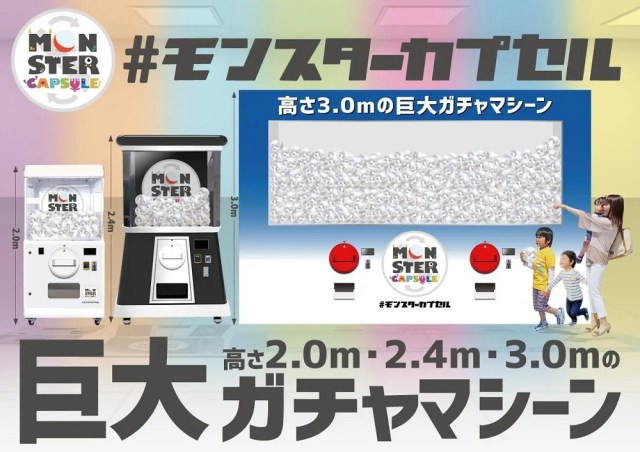
The Monster Capsule is a feat of industrial design that defies the conventions of the traditional gachapon machine. In an industry where machines are designed to fit into tight corners of convenience stores or subway stations, Gleeglobe has opted for the opposite approach.
The manufacturer currently produces these behemoths in three distinct sizes. The most modest version stands at a towering two meters, already dwarfing the standard machines found throughout Japan. The flagship model, however, reaches a staggering three meters (approximately 9.8 feet) in height. To put this into perspective, these machines require specialized logistics to transport and assemble, making them less of a fixture and more of a traveling attraction.
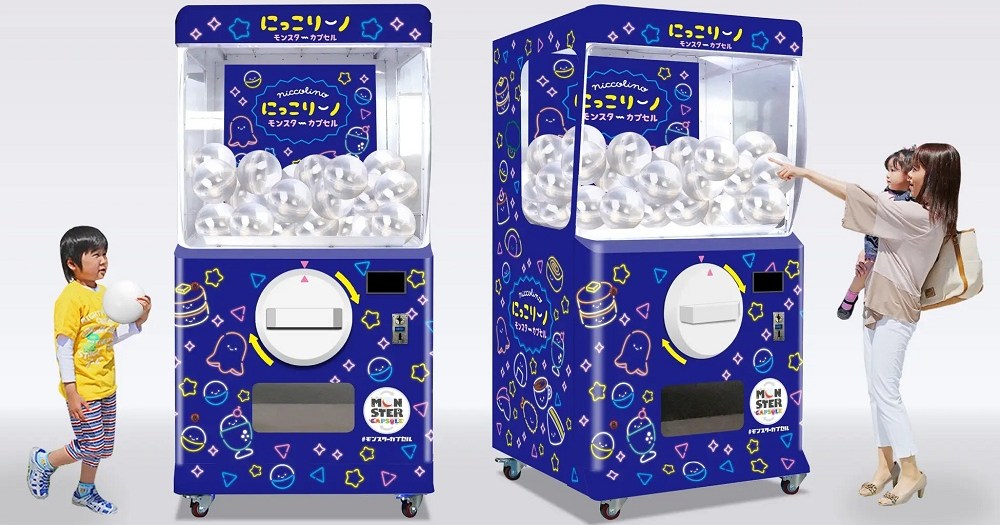
By increasing the scale of the machine, Gleeglobe has shifted the psychological perception of the capsule toy. What was once an impulsive, small-change purchase becomes an "event" in its own right. The sheer size of the device commands attention, turning the act of turning the crank into a public spectacle.
Chronology of a Milestone: The Qualia 10th Anniversary
The rise of the Monster Capsule aligns perfectly with the milestone anniversary of one of Japan’s most innovative toy creators, Qualia. Since its inception a decade ago, Qualia has carved out a unique niche in the competitive world of capsule toys. Rather than relying solely on established licensed IPs, the company has prioritized quirky, original, and often surreal designs that resonate deeply with Japanese youth culture.
The Evolution of Qualia
- 2016: Qualia begins its journey, focusing on offbeat designs that challenge standard toy aesthetics.
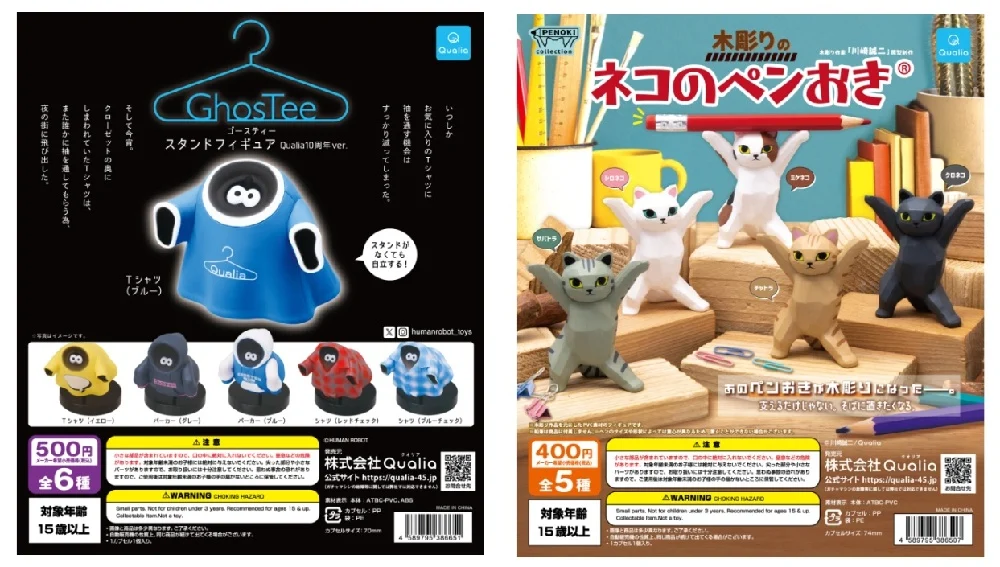
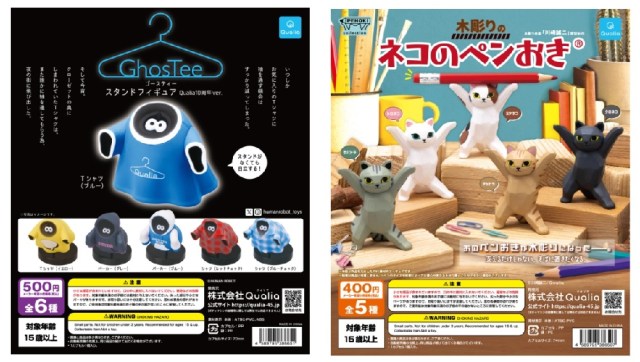
- 2018–2020: The brand gains national traction with viral hits like the "Wood-Carved Cat Pen Holders" and the "GhosTee" series, proving that niche, artistic sensibilities can succeed in the mass market.
- 2022: The introduction of the "Niccolino" series, which features everyday objects—from rice balls to cream sodas—endowed with minimalist, endearing smiley faces.
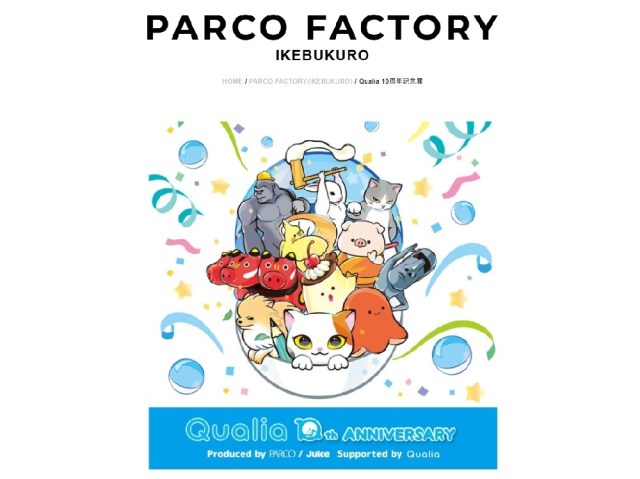
- 2026: To celebrate a decade of innovation, Qualia partners with Gleeglobe to bring the Monster Capsule experience to the Parco department store in Ikebukuro, Tokyo.
The current exhibition at Parco Factory, located on the 7th floor of the Ikebukuro Parco main building, serves as a retrospective of this decade-long creative arc. It is here that the Monster Capsule finds its most prominent home to date, acting as the centerpiece of the celebration.
The "Niccolino" Phenomenon and Premium Prizes
A critical factor in the success of the Monster Capsule installation is the quality of the prizes contained within. In a traditional gachapon machine, players expect small plastic trinkets. The Monster Capsule, however, deals in "premium" goods.
The star of the show is undoubtedly the Niccolino series. These characters—often depicted as onigiri (rice balls), octopus sausages, or slices of bread—have captured the public imagination through their simple, comforting design. At the Ikebukuro event, the massive machine is stocked with high-end merchandise that elevates the gacha experience. Instead of tiny figures, participants can win T-shirts, tote bags, plushies, and even custom-designed pouches.
This shift from "trinket" to "lifestyle goods" represents a strategic evolution for capsule toy brands. By offering high-value items, companies like Qualia can justify a higher price point per spin—1,500 yen (roughly $9.70 USD)—compared to the 200–500 yen standard.
Supporting Data and Economic Context
The capsule toy industry in Japan has seen an explosive growth trajectory over the past five years. According to recent industry reports, the market has expanded well beyond its traditional demographic of school-aged children, now capturing a significant portion of the adult collector market.
- Average Price Growth: While standard machines remain affordable, the introduction of "premium" machines (often priced at 1,000 yen and above) has become a key driver of revenue.
- Space Utilization: The Monster Capsule highlights a shift toward "experiential retail." By housing these machines in department stores rather than street-side vending areas, manufacturers are leveraging the high foot traffic of premium shopping hubs.
- Logistical Investment: The manufacturing cost of a three-meter-tall steel and polycarbonate machine is exponentially higher than standard units. This suggests that Gleeglobe and its partners are banking on long-term rental and event-based revenue models rather than traditional long-term retail placement.
Official Responses and Public Sentiment
The reaction to the Monster Capsule at Parco Ikebukuro has been overwhelmingly positive, particularly on social media platforms where the "giant" aesthetic is highly shareable.
"We wanted to create something that broke the mold of what a consumer expects when they approach a vending machine," a representative from the exhibition stated. "The Monster Capsule is designed to trigger curiosity. When a machine is three meters tall, it’s no longer just a transaction; it’s an invitation to engage with the brand on a physical, immersive level."
Visitors to the exhibition have praised the blend of nostalgia and novelty. Many have noted that while the 1,500 yen price point is steep, the quality of the Niccolino merchandise—which would typically retail for much more in a boutique shop—makes the "gamified" shopping experience feel like a fair trade.
Implications for the Future of Retail
The success of the Monster Capsule and the Qualia 10th Anniversary Exhibition suggests several trends for the future of the toy and retail sectors:
1. The Death of the Mundane Vending Experience
The traditional gachapon machine, while efficient, is visually static. The Monster Capsule proves that if retailers make the hardware itself a landmark or a photo-op, they can drive significant foot traffic. We may see more "giant" versions of common retail infrastructure in the coming years.
2. Gamification of Premium Retail
By incorporating lottery elements into the sale of high-quality apparel and home goods, brands can create a sense of urgency and excitement. This "gachification" of retail is likely to move beyond toys and into other sectors, including fashion and tech.
3. The Rise of Event-Based Merchandising
With the decline of traditional brick-and-mortar storefronts in some areas, pop-up events that utilize large-scale interactive installations are proving to be a viable alternative. The collaboration between Parco and Qualia demonstrates that department stores can thrive by serving as cultural hubs rather than just shopping centers.
Conclusion
The Monster Capsule is, at its core, a testament to Japan’s ability to reinvent the mundane. By taking a simple concept—the coin-operated toy machine—and blowing it up to gargantuan proportions, Gleeglobe has created an icon of modern retail. As the exhibition at Ikebukuro continues through June 22, it stands as a reminder that even in an increasingly digital world, there is still a massive appetite for physical, tactile, and larger-than-life experiences.
For those looking to catch a glimpse of this gacha behemoth, a trip to Parco Ikebukuro is essential. Just be prepared to look up—far up—to see the future of the capsule toy industry.












No comments yet. Be the first to join the conversation!