Ali Ikhwan
When a record-breaking heatwave descends, the instinct to seek refuge in the cool, sanctuary-like air of your refrigerator is almost overwhelming. Yet, while standing in front of an open fridge door might offer a momentary reprieve from the sweltering heat, it is one of the most counterproductive actions you can take for both your appliance and your electricity bill.
As temperatures soar, our kitchen appliances are forced to work double-time. Your refrigerator is the unsung hero of your home, silently laboring to keep your dairy fresh, your produce crisp, and your proteins safe from the rapid bacterial growth that thrives in high-temperature environments. When the external ambient temperature spikes, the cooling system faces an uphill battle. To ensure your kitchen remains a place of safety rather than a source of appliance failure, it is essential to understand the mechanics of heat stress and adopt a strategy for efficiency.
The Science of Heat Stress in Appliances
At its core, a refrigerator operates by extracting heat from its interior and expelling it into the kitchen. This is a continuous cycle involving a compressor, refrigerant, and a condenser coil. Under normal circumstances, this cycle is predictable and efficient. However, during a heatwave, the physics of this process change.
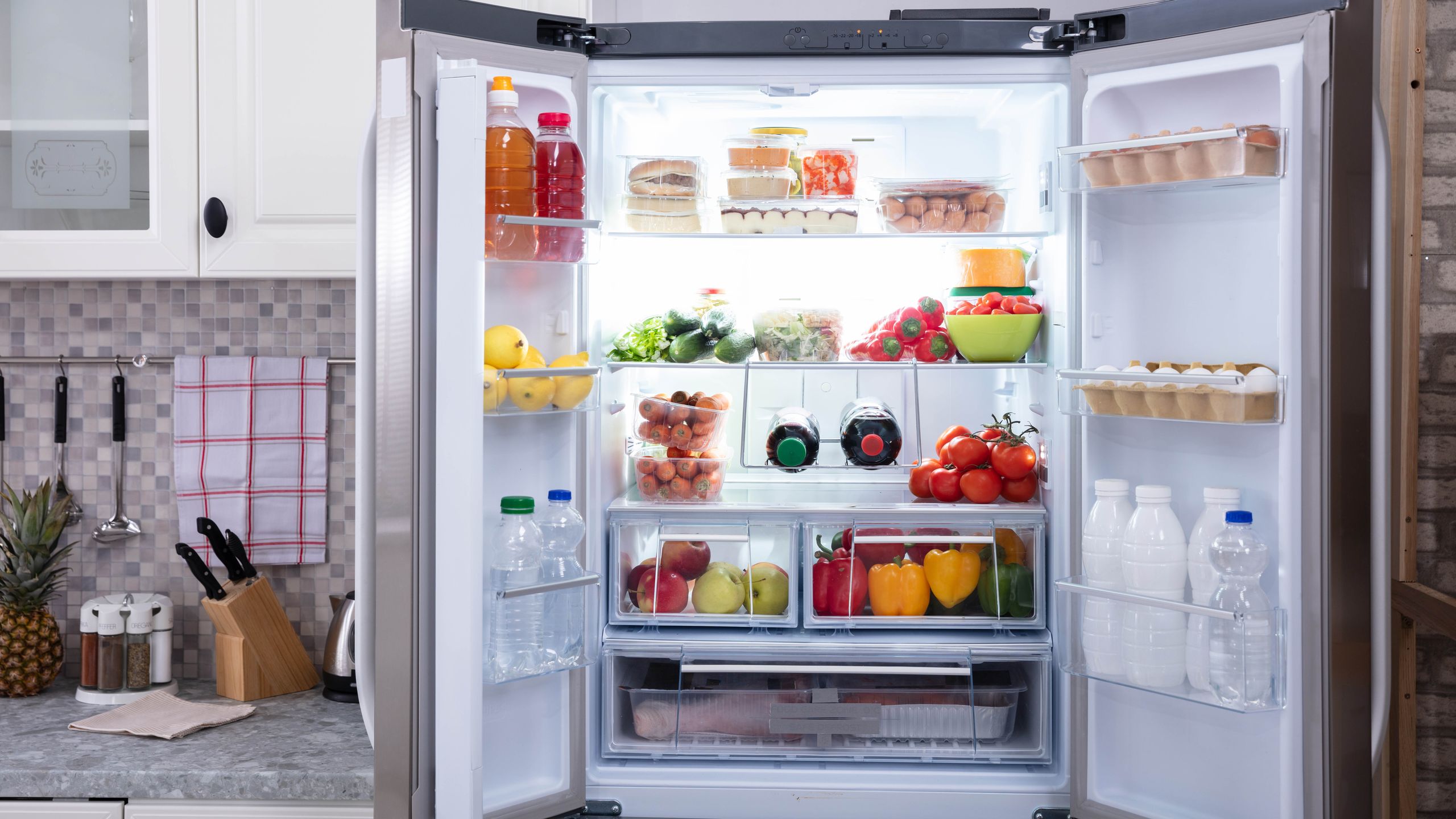
When the kitchen temperature rises, the temperature differential between the inside of the fridge and the outside air becomes significantly harder to maintain. The compressor must cycle on more frequently and run for longer durations to offset the heat bleeding into the unit. This not only consumes more electricity—often leading to "bill shock"—but also accelerates the mechanical wear and tear on the unit. Prolonged exposure to high ambient heat can lead to component fatigue, coolant leaks, and, in severe cases, total compressor failure.
1. Ventilation: Let It Breathe
The most common mistake homeowners make is restricting the airflow around their refrigerator. Many modern kitchens are designed for a seamless, integrated look, but your fridge requires space to function effectively.
The Golden Rule: Ensure there is at least 5cm (approximately 2 inches) of clearance on all sides, particularly at the back and top.

The heat extracted from your food is expelled through the condenser coils, usually located at the back or bottom of the unit. If this heat cannot escape due to lack of space, it becomes trapped in the "dead air" zone around the appliance. This creates a feedback loop: the fridge expels heat, the heat stays trapped nearby, the fridge pulls that hot air back in to cool, and the temperature rises. To prevent this, move your unit slightly away from the wall if it is currently flush-pressed, and ensure the ventilation grilles are free of dust, which can act as an insulator and impede heat dissipation.
2. Strategic Placement: Avoiding Kitchen Hotspots
When planning a kitchen layout, the location of your refrigerator is critical. It should never be situated next to a heat source. If your fridge is currently positioned next to an oven, a radiator, or even a window that receives direct, intense sunlight, it is at a significant disadvantage during a heatwave.
If moving the appliance is not an option, consider installing a heat-reflective barrier or ensuring that there is adequate airflow between the appliance and the heat source. Even a slight increase in ambient temperature around the unit can cause a disproportionate increase in energy consumption.
3. The Myth of the "Cool Down"
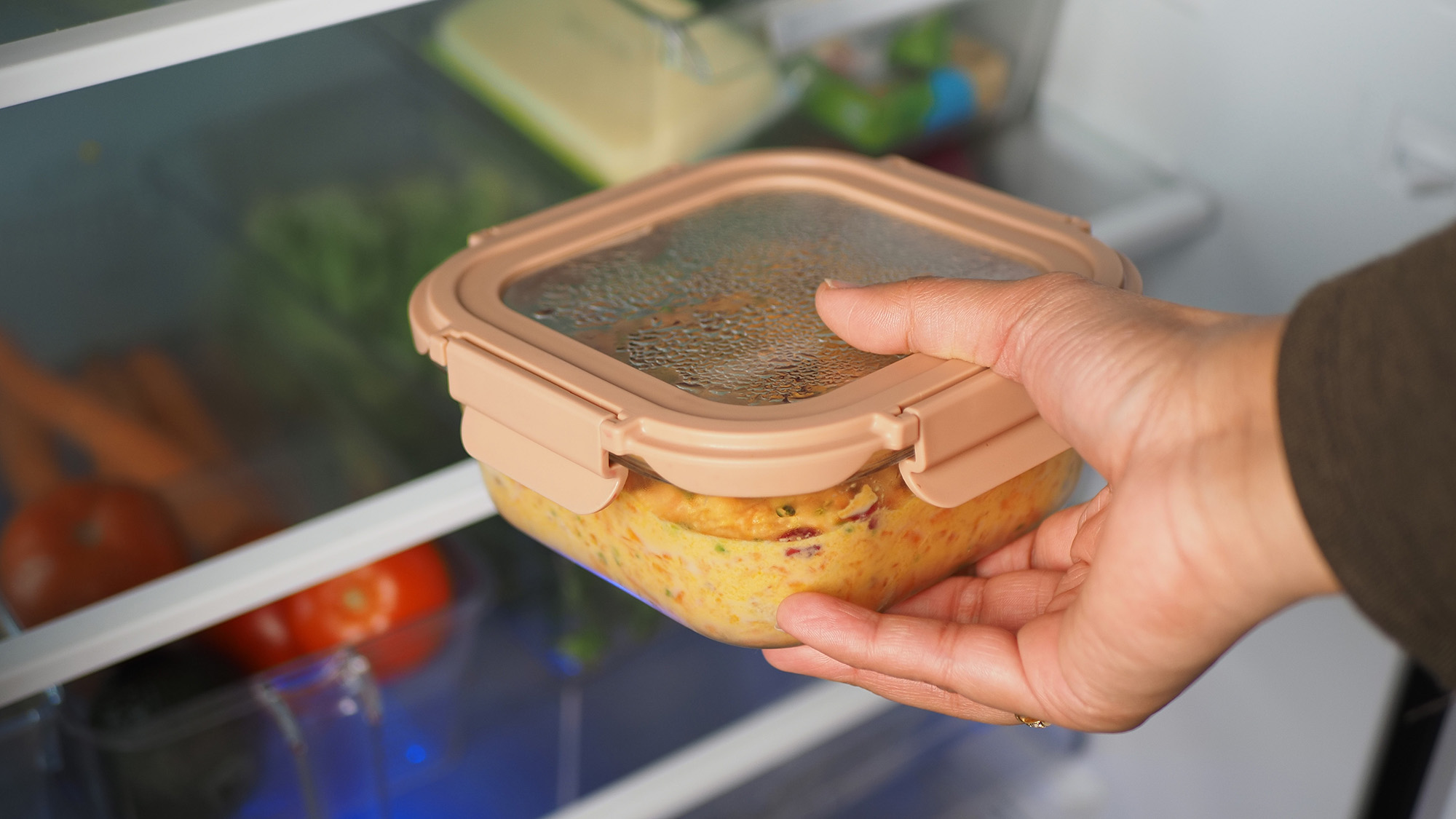
It is a common culinary practice to prepare large batches of food, but a common mistake is placing that food into the refrigerator while it is still steaming hot.
During a heatwave, this habit is dangerous. Introducing a hot pot of soup or a fresh tray of roasted vegetables into your fridge raises the internal temperature of the entire appliance. This pushes the fridge into the "danger zone"—the temperature range (typically above 5°C) where bacteria multiply at an exponential rate.
Pro-tip: Never put hot food directly into the fridge. Instead, expedite the cooling process by portioning the food into smaller, shallow containers to increase the surface area for faster cooling. You can also place the container in an ice bath in the sink before refrigerating. For those who frequently batch-cook, investing in a high-quality, insulated cooler box can be a lifesaver. Using a cooler with ice packs to bring the temperature of leftovers down before they enter the main fridge unit protects your appliance’s internal climate and your family’s health.
4. Temperature Calibration: The 3°C to 5°C Sweet Spot
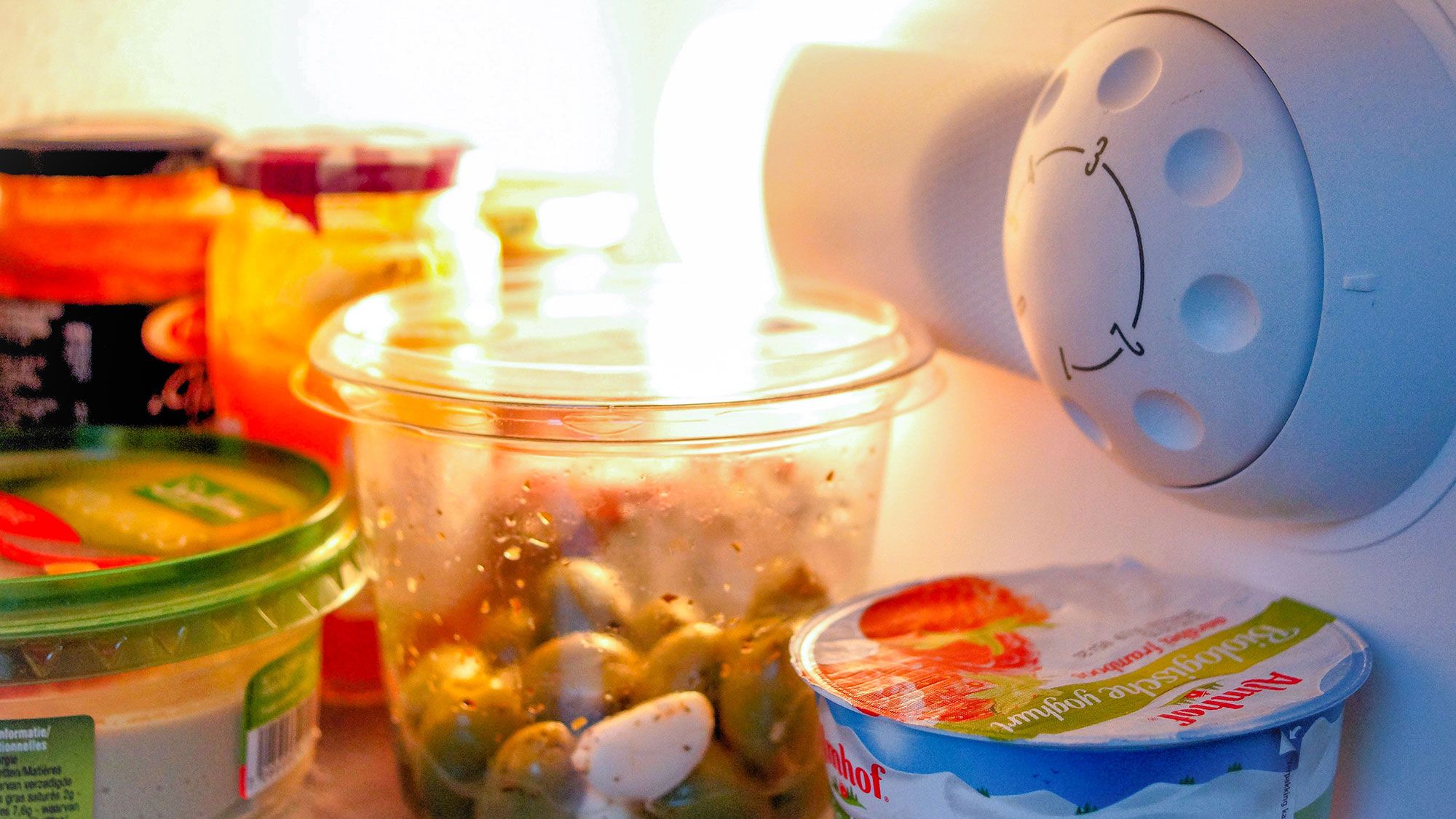
Many people guess their fridge temperature based on the manufacturer’s dial, which is often labeled 1 through 5 or similar. During a heatwave, it is time to move beyond guesswork.
The ideal operating temperature for a refrigerator is between 3°C and 5°C. Anything higher invites spoilage; anything lower wastes precious electricity and risks freezing your produce. Use a dedicated appliance thermometer—a small, inexpensive tool that can save you hundreds in food waste—to check the actual temperature inside. If you find your fridge struggling to maintain this range, you may need to adjust the thermostat, but be careful not to over-compensate, which can put undue strain on the motor.
For those with smart-enabled appliances, such as the LG InstaView series, you have an advantage. These units allow you to monitor and adjust temperatures remotely via smartphone apps like LG ThinQ. This is particularly useful during a heatwave if you are away from home and want to ensure the unit is performing optimally, or if you need to set "Holiday Mode" to maintain a steady temperature while the kitchen is at its hottest.
5. The Door Seal Test
The rubber gasket around your fridge door is the primary line of defense against the outside environment. If this seal is cracked, loose, or brittle, cold air is constantly leaking out, and hot, humid air is being pulled in.
You can perform a simple diagnostic test at home:
- Take a standard piece of A4 paper.
- Open the fridge door, place the paper halfway over the seal, and close the door.
- Try to pull the paper out.
If the paper holds steady, your seal is in good condition. If the paper slides out easily or falls, your seals are compromised. In the heat of summer, even a small gap can force your compressor to work overtime. Replacing a faulty gasket is a relatively inexpensive DIY project that can pay for itself in reduced energy costs within a few months.
6. The "Full Fridge" Principle
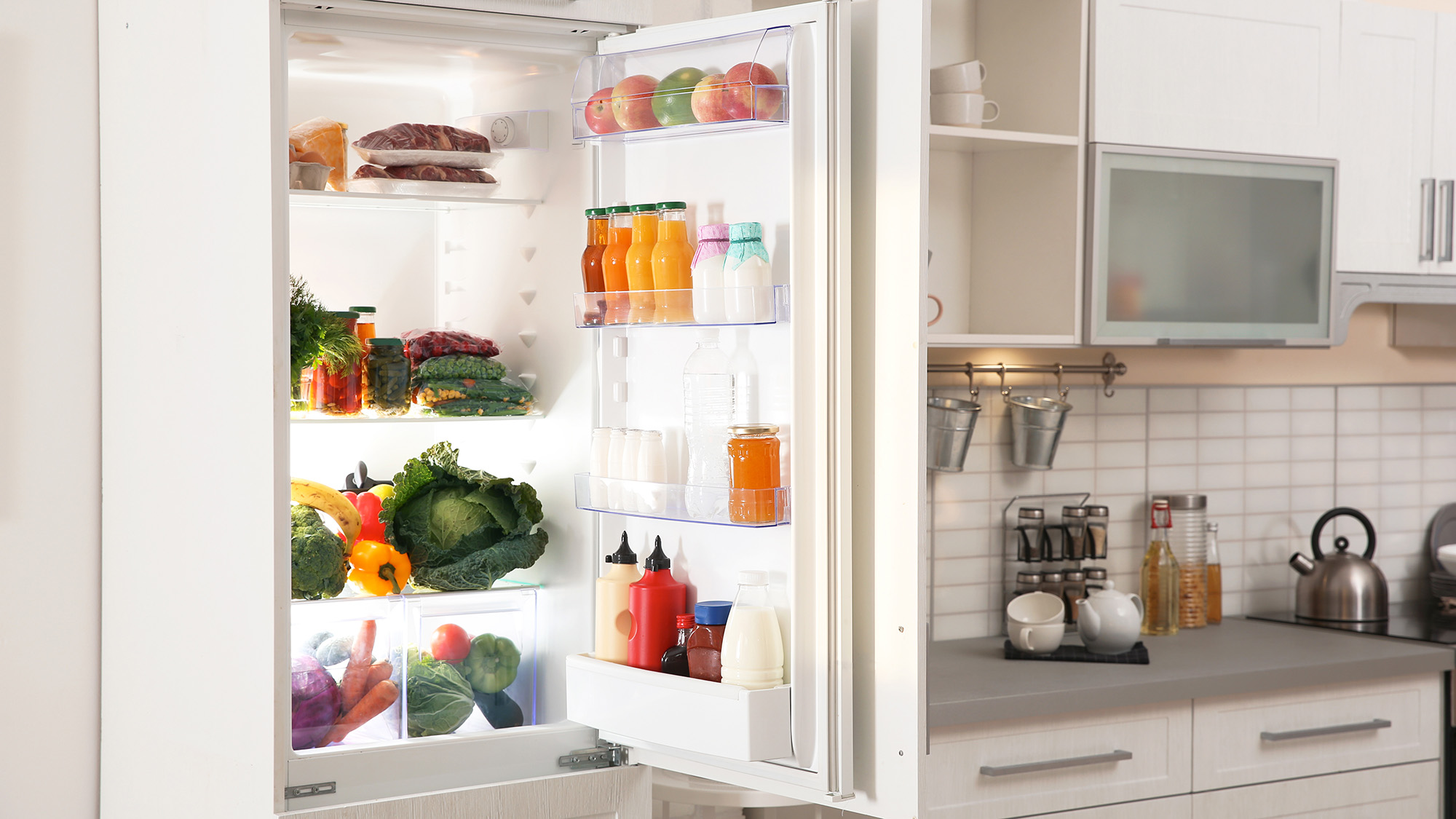
It might seem counterintuitive, but a fuller fridge is a more efficient fridge. An empty refrigerator has more air volume, which escapes every time you open the door. When you close the door, the unit must work hard to cool that replacement volume of warm, humid air.
Food items act as a "thermal mass." Once cold, they retain that temperature much better than air. If you find your fridge is relatively empty, consider keeping a few jugs of water in the fridge or filling the freezer with ice packs. This helps the unit maintain a consistent temperature, reducing the frequency with which the compressor needs to kick in.
Implications of Heatwave Neglect
The implications of ignoring these maintenance steps during extreme weather are two-fold: financial and safety-oriented.

Financially, an inefficient refrigerator is a hidden drain on your budget. During a heatwave, an appliance that is struggling can see its energy consumption spike by as much as 20–30%. When aggregated across a heatwave lasting several days or weeks, the cost is noticeable.
From a food safety perspective, the risks are higher. In the summer, food-borne illnesses are more prevalent because the speed of bacterial replication doubles with every 10-degree increase in temperature. A fridge that is fighting to stay cool may create "warm spots" inside, particularly near the door or on the top shelves, where items like milk or deli meats may sit in the danger zone for hours.
Conclusion: A Proactive Approach
A heatwave is a test of endurance for your home’s infrastructure. By treating your refrigerator with care—ensuring it has room to breathe, monitoring its internal temperature, and being mindful of how often you open the door—you can survive the hottest days of the year without the headache of an appliance breakdown.
The next time the temperature climbs, resist the urge to use your fridge as an air conditioner. Instead, keep the door closed, keep the contents cool, and ensure your appliances are as prepared for the heat as you are. With these simple, proactive measures, you can ensure that your food remains safe and your refrigerator continues to function reliably, no matter how high the thermometer climbs outside.


 Muslim
 Evan Lee Salim