Industry Icon Reflects on "Greatest Creative Explosions" in Video Game History, Citing Rigors of AAA Development and a Desire for New Artistic Pursuits
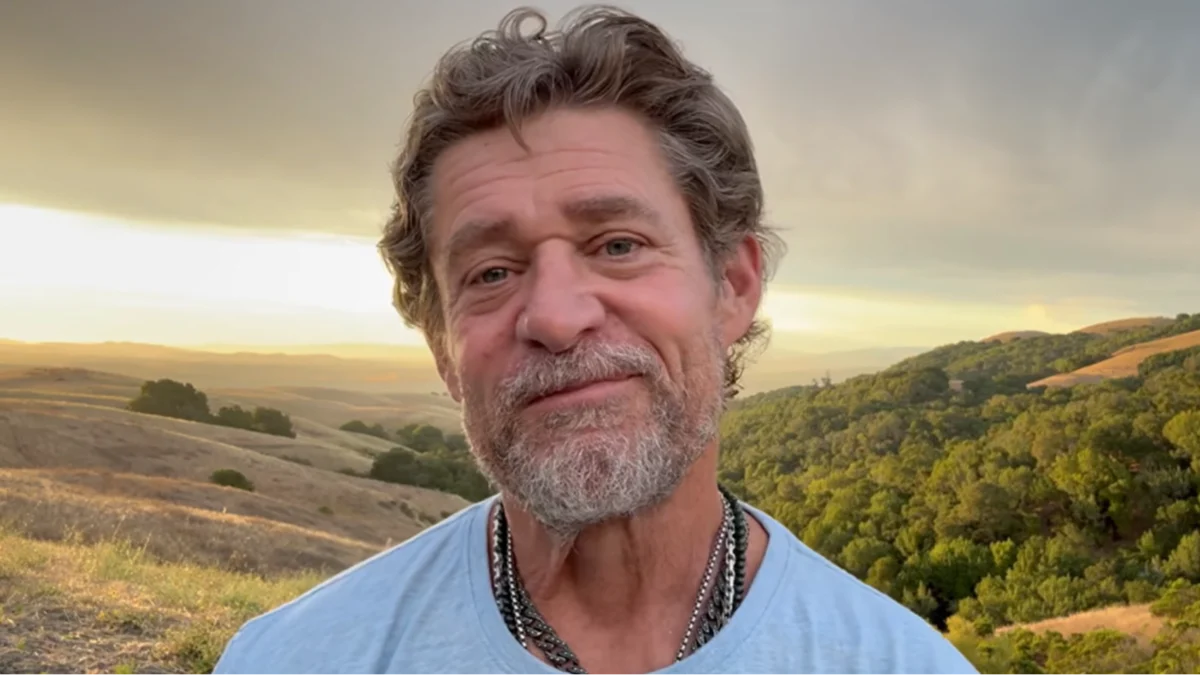
Glen Schofield, a name synonymous with groundbreaking horror and visceral action in the video game industry, has officially announced his retirement after an extraordinary 35-year career. The veteran developer, acclaimed for his pivotal roles in shaping franchises like Dead Space and Call of Duty, shared his reflections on a journey that saw him at the forefront of some of gaming’s most significant creative and technological advancements.
In a heartfelt video message posted to LinkedIn, Schofield declared, "The past couple of decades have been some of the greatest times in video games." He expressed profound gratitude for the opportunity to witness and contribute to what he described as "one of the greatest creative explosions in history," working alongside "some of the greatest talent in the world." His departure marks the end of an era for a developer whose vision consistently pushed boundaries, often under immense pressure.
Schofield’s decision comes in the wake of the challenging development cycle for his most recent project, The Callisto Protocol, which he candidly admitted was "the hardest development in my life." This experience, coupled with a rekindled passion for personal artistic endeavors like painting, drawing, and sculpting, appears to have steered him towards a new chapter beyond the daily grind of game production. "I don’t know if I can do the day to day anymore," he revealed in an interview with GamesBeat earlier this year, signaling a desire for a different kind of creative engagement.
Main Facts: A Legacy Etched in Pixels and Blood
Glen Schofield’s retirement signifies a moment of reflection for an industry that has undergone monumental transformation during his tenure. His career is characterized by an unwavering commitment to innovation, a meticulous eye for detail, and a willingness to embrace the dark and gritty, particularly in the horror genre.
The core of his announcement centers on gratitude and a forward-looking perspective, even as he steps away. Schofield extended specific thanks to Electronic Arts for entrusting him with Dead Space, a title that redefined survival horror, and Activision for providing "the keys to three Call of Duty games," which cemented his influence in the first-person shooter landscape. His message was not one of cynicism but of enduring optimism for the future of game development, urging the "next generation of game makers" to embrace the industry’s bright prospects despite current challenges.
His retirement is not merely a personal decision but an "inflexion point," as Schofield himself described it, for both his career and potentially the industry at large. It highlights the immense dedication and personal sacrifice often required at the highest echelons of AAA game development, and the eventual call for a different pace and focus that many veterans experience. Schofield leaves behind a robust portfolio of games that have entertained millions and inspired countless developers, solidifying his status as a true pioneer.
Chronology: Tracing a Trailblazer’s Path Through Gaming History
Glen Schofield’s 35-year journey through the video game industry is a testament to relentless creativity, leadership, and adaptability. From his early days contributing to diverse titles to helming some of the biggest franchises in the world, his career arc mirrors the industry’s own dramatic evolution.
Early Foundations: Crystal Dynamics and Genre Exploration
Schofield’s career began in an era far removed from today’s multi-billion-dollar blockbusters. Before the widespread adoption of 3D graphics and online multiplayer, he honed his craft at studios like Crystal Dynamics. Here, he directed games in beloved, if now classic, franchises such as Gex and Legacy of Kain. These experiences provided him with a foundational understanding of game design, narrative construction, and team management across various genres. The Legacy of Kain series, in particular, was lauded for its rich storytelling and dark gothic atmosphere, foreshadowing Schofield’s later ventures into mature, narrative-driven experiences. Working on these diverse projects allowed him to develop a versatile skill set, crucial for navigating the rapidly changing landscape of interactive entertainment.
The Visceral Years: Forging a New Kind of Horror with Dead Space
A significant chapter in Schofield’s career unfolded at Visceral Games, initially known as EA Redwood Shores, where he served as vice president and general manager. It was here that he would conceive and lead the development of Dead Space, a game that would not only define a studio but also leave an indelible mark on the survival horror genre. Released in 2008, Dead Space was a masterclass in atmospheric tension, dismemberment-based combat, and environmental storytelling. Set aboard the derelict mining vessel USG Ishimura, the game plunged players into a terrifying ordeal against mutated horrors known as Necromorphs.
Schofield’s vision for Dead Space was clear: to create a truly terrifying experience by drawing inspiration from classic horror films like Alien and Event Horizon, while simultaneously innovating gameplay mechanics. The game’s diegetic user interface (UI), where health and ammo displays were integrated directly into the character’s suit and weapon, was revolutionary, enhancing immersion by removing traditional HUD elements. This attention to detail, combined with exceptional sound design and a relentless sense of dread, earned Dead Space critical acclaim and commercial success, establishing it as a modern horror classic. It revitalized a genre that many felt had become stagnant, proving that mature, unsettling experiences still had a vital place in the mainstream.
Co-Founding Sledgehammer Games: Redefining Call of Duty
Following his impactful tenure at Visceral Games, Schofield co-founded Sledgehammer Games in 2009 alongside Michael Condrey. This move marked a significant shift towards the colossal realm of first-person shooters, specifically the Call of Duty franchise. Under Schofield’s leadership, Sledgehammer Games quickly became a powerhouse within Activision’s ecosystem, contributing significantly to some of the franchise’s most successful entries.
His work on Call of Duty titles included co-developing Call of Duty: Modern Warfare 3 (2011), a direct sequel to the highly popular Modern Warfare 2 and a critical success that pushed the boundaries of cinematic storytelling in shooters. Sledgehammer then took the lead on Call of Duty: Advanced Warfare (2014), which introduced futuristic warfare elements like exoskeletons and advanced movement mechanics, injecting fresh innovation into the long-running series. Later, Schofield also oversaw Call of Duty: WWII (2017), a return to the franchise’s historical roots that was widely praised for its gritty realism and impactful narrative. These titles demonstrated Schofield’s versatility and his ability to manage large-scale productions while maintaining a focus on high-quality gameplay and engaging experiences. His contributions helped shape the modern identity of Call of Duty, balancing bombastic action with compelling narratives.
Striking Distance Studios and The Callisto Protocol: A Return to Horror and its Toll
In 2019, Schofield embarked on his most ambitious independent venture, founding Striking Distance Studios with the explicit goal of creating a new, terrifying survival horror experience: The Callisto Protocol. Positioned as a spiritual successor to Dead Space, the game promised a return to the intense, atmospheric horror that fans cherished.
However, the development of The Callisto Protocol proved to be an arduous undertaking. Schofield himself described it as "the hardest development in my life," even surpassing the challenges faced during the creation of Lord of the Rings (though he did not direct a Lord of the Rings game, this may refer to a particularly challenging project earlier in his career or simply a hyperbole for Callisto). The project faced significant internal and external pressures, common in the high-stakes world of AAA game development. Despite its ambition and Schofield’s clear creative vision, The Callisto Protocol, upon its release in December 2022, received a mixed critical reception. While lauded for its stunning graphics and intense atmosphere, some reviewers criticized its gameplay mechanics and narrative execution.
Schofield’s deep personal investment in the project and the subsequent difficulties clearly took a significant toll. Less than a year after its launch, in September 2023, he announced his departure from Striking Distance Studios to "pursue new opportunities." This decision, now understood as a precursor to his full retirement, underscored the immense mental and emotional bandwidth required to bring such large-scale projects to fruition, particularly when they don’t meet the hoped-for commercial or critical expectations.
Supporting Data: The Shifting Tides of an Evolving Industry
Schofield’s retirement comes at a fascinating, albeit challenging, juncture for the video game industry. His reflections offer valuable insights into the profound changes he has witnessed and the ongoing debates shaping the future of interactive entertainment.
The "Creative Explosion" and Industry Growth
When Schofield speaks of "one of the greatest creative explosions in history" over the past couple of decades, he is referencing an undeniable truth about the video game industry’s exponential growth and artistic maturation. From the late 1990s through the 2010s, gaming transitioned from a niche hobby to a dominant global entertainment medium. This period saw the rise of cinematic storytelling, photorealistic graphics, complex online multiplayer ecosystems, and diverse genre innovations. Developers like Schofield were at the forefront, pushing technological boundaries with each new console generation and expanding the emotional range and narrative depth games could achieve. The success of titles like Dead Space demonstrated the commercial viability of mature, single-player experiences, while his Call of Duty work underscored the massive appeal of polished, competitive multiplayer. This era was indeed a golden age for creativity, fueled by burgeoning budgets and expanding markets.
The AAA Paradox: Creativity vs. Cost-Cutting
A central theme in Schofield’s recent commentary, and one that likely influenced his decision to retire, is the growing tension within the AAA development space. He has openly voiced concerns about the industry’s increasing emphasis on cost reduction over creative risk-taking. "All I’m hearing is that we have to make development cheaper. We have to spend less money and we have to do it with fewer people," he stated earlier this year. The critical missing piece, in his view, is "creativity." He firmly believes that "You have to be creative 99% of the time" for games to truly stand out and succeed.
This perspective highlights a fundamental paradox in modern AAA development. As production values soar and development cycles lengthen, costs skyrocket, leading publishers to demand more efficient, and often less risky, processes. This can stifle innovation and force developers into iterative design rather than bold new concepts. Schofield’s experience with The Callisto Protocol, a game that was costly and ambitious but faced a difficult market reception, likely reinforced his concerns about this trend. His call for prioritizing creativity serves as a stark warning to an industry grappling with layoffs, studio closures, and an increasingly competitive landscape where only the biggest hits seem to justify their massive budgets.
The Rise of the "Next Generation" and Personal Pursuits
Schofield’s retirement also embodies a natural cycle within any creative industry: the passing of the torch. His encouragement for the "next generation of game makers" reflects a veteran’s understanding that new voices and perspectives are essential for continued evolution. He perceives the current moment as an "inflexion point," a time for new talent to "emerge and do their own thing." This outlook is both pragmatic and hopeful, acknowledging the natural progression of leadership and innovation.
Furthermore, his renewed interest in painting, drawing, and sculpting offers a poignant insight into the personal toll of high-stakes game development. These pursuits represent a return to fundamental artistic expression, free from the crushing deadlines, immense team management, and financial pressures inherent in leading a AAA studio. It suggests a desire for a different kind of creative fulfillment, one that is more personal, less commercially driven, and perhaps, more peaceful. This shift underscores the human element behind the games, reminding us that even the most accomplished developers sometimes need to step back and rediscover joy in simpler forms of creation.
Official Responses: Acknowledging a Titan’s Impact
While specific "official responses" from former employers or industry bodies are not yet widely published, Schofield’s own statements provide a powerful form of acknowledgment for the collaborations and opportunities that shaped his career. His gratitude reflects the symbiotic relationships inherent in game development, where individual vision is amplified by corporate backing and collective talent.
Schofield’s explicit thanks to Electronic Arts for Dead Space speaks volumes about the creative freedom and resources afforded to him during that period. Dead Space was a significant critical and commercial triumph for EA, demonstrating the publisher’s willingness to invest in new, mature IPs. His leadership at Visceral Games elevated the studio’s profile and solidified its place in the genre, directly contributing to EA’s diverse portfolio. The enduring legacy of Dead Space continues to resonate, even leading to a critically acclaimed remake, a testament to the original’s groundbreaking design under Schofield.
Similarly, his appreciation for Activision entrusting him with "the keys to three Call of Duty games" underscores the immense responsibility and trust placed in him and Sledgehammer Games. Call of Duty is one of the largest entertainment franchises in the world, and Schofield’s contributions to Modern Warfare 3, Advanced Warfare, and WWII were instrumental in maintaining the series’ quality and commercial dominance during critical periods. These collaborations generated billions in revenue for Activision and cemented Sledgehammer Games as a pillar of the Call of Duty development cycle. The success of these titles is a direct reflection of Schofield’s leadership and the talent he cultivated.
Beyond corporate acknowledgments, Schofield’s career has garnered widespread respect from peers and fans alike. His name is frequently invoked in discussions about horror game design and impactful shooter campaigns. While there might not be a flurry of immediate official statements from publishers, the industry’s collective memory and the enduring popularity of his games serve as a profound testament to his influence. His departure will undoubtedly prompt many within the gaming community to reflect on his significant contributions and the void his unique vision leaves behind.
Implications: A Lasting Legacy and an Industry at a Crossroads
Glen Schofield’s retirement is more than just a personal career milestone; it carries broader implications for his enduring legacy, the future trajectory of the AAA games industry, and the evolving nature of creative work in a demanding field.
Schofield’s Enduring Legacy
Schofield leaves behind a remarkable legacy that spans multiple genres and generations of consoles. He is firmly etched into gaming history as a master of atmospheric tension and visceral action. His work on Dead Space fundamentally reshaped survival horror, proving that a blend of grotesque creature design, claustrophobic environments, and innovative gameplay mechanics could create an unparalleled sense of dread. The game’s influence can be seen in countless titles that followed, and its recent remake reaffirms the timeless quality of his original vision.
His contributions to Call of Duty showcased his ability to scale his creative leadership to massive, blockbuster franchises, delivering both critically acclaimed campaigns and robust multiplayer experiences. As a co-founder of Sledgehammer Games and the founder of Striking Distance Studios, he also demonstrated significant entrepreneurial spirit and a dedication to building creative teams capable of tackling ambitious projects. His career is a blueprint for combining artistic vision with the complex realities of large-scale game production, and he will be remembered as one of the pivotal figures who helped elevate games to a premier art form and entertainment medium.
The Future of AAA Development: A Call for Creativity
Schofield’s departure, and particularly his candid remarks about the struggles of The Callisto Protocol‘s development and the industry’s move towards cost-cutting, casts a long shadow over the future of AAA gaming. His advocacy for "creativity 99% of the time" stands as a poignant challenge to publishers and developers grappling with escalating costs and increasingly risk-averse strategies. Will the industry heed his warning, or will the pressures of financial returns continue to squeeze out the very creative spark that drives innovation?
His retirement, alongside other high-profile departures and widespread industry layoffs, signals that the current model of AAA development may be unsustainable for many, even for seasoned veterans. It highlights the immense pressure, long hours, and creative compromises that often come with working on multi-million dollar projects. The "inflexion point" he speaks of suggests a potential shift towards new development paradigms, perhaps fostering smaller, more focused teams, or a greater emphasis on creative freedom over sheer scale. The industry’s ability to balance commercial imperatives with artistic ambition will be crucial in defining its next chapter.
Personal Fulfillment Beyond the Grind
Finally, Schofield’s pivot towards personal artistic pursuits like painting and sculpting offers a powerful message about work-life balance and the pursuit of creative fulfillment outside the confines of corporate demands. For someone who has spent decades orchestrating massive teams and delivering complex digital experiences, the desire to return to more immediate, tangible forms of creation is deeply resonant. It underscores that even the most passionate professionals can reach a point where the process of creation itself, rather than the scale of the product, becomes the primary motivator. His journey reminds us that while games are a collaborative art form, the individual artist’s well-being and personal growth are equally vital.
Glen Schofield’s retirement closes a chapter on an extraordinary career. His impact on genres, franchises, and the very fabric of game development is undeniable. As he steps away, his legacy continues to inspire, and his parting words serve as a vital reminder for an industry at a crossroads: that true innovation and lasting impact are born not just from technological prowess, but from an unyielding commitment to creativity. The gaming world will undoubtedly miss his direct contributions, but his influence will continue to shape the experiences of players and developers for years to come.