

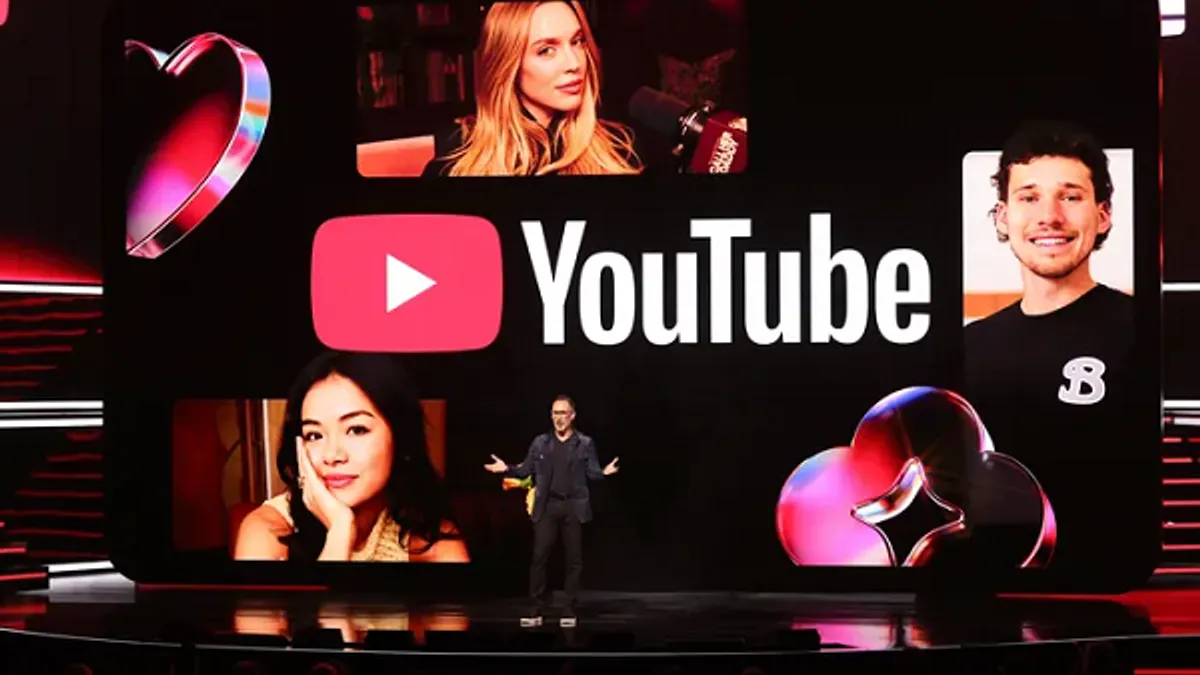
At the annual YouTube Brandcast event held in New York City this week, Google’s video giant signaled a definitive shift in the digital advertising landscape. As the line between traditional television and digital creator-led content continues to blur, YouTube is positioning itself not merely as a video platform, but as the primary engine of modern commerce and culture. With a suite of new tools ranging from AI-driven creative suites to seamless Connected TV (CTV) shopping, YouTube is aggressively targeting the budgets of legacy media buyers while doubling down on the "Creator-as-Hollywood" narrative.
The New Hollywood: Monetizing the Creator Connection
The central theme of the 2026 event was the elevation of creators to the status of primary cultural influencers. YouTube emphasized that creators have transcended the "influencer" label, becoming the bedrock of audience trust.
To bridge the gap between organic creator appeal and commercial necessity, YouTube announced a new slate of exclusive creator-led shows. By partnering with heavy hitters like Kareem Rahma and Alex Cooper, the platform is creating premium, high-production environments that mimic the prestige of network television while retaining the authentic intimacy of the YouTube ecosystem.
This strategy is backed by internal data that underscores the massive commercial utility of creators. According to the platform, viewers are 13 times more likely to search for a brand and 5 times more likely to purchase a product after seeing it featured in creator content. By institutionalizing these partnerships, YouTube is aiming to de-risk creator sponsorships for major Fortune 500 brands, providing a more structured environment for collaboration.
AI-Driven Creative and Dynamic Sponsorships
Artificial Intelligence remains the cornerstone of Google’s technological roadmap, and at Brandcast 2026, this was reflected in a massive overhaul of ad creative tools.
Multimodal Video Creation
Perhaps the most significant announcement was the rollout of "Multimodal Video Creation." This suite allows advertisers to leverage Google’s most advanced AI models—including Gemini, Nano Banana, and the video-generative engine Veo—to produce high-fidelity ad assets using only text prompts. This lowers the barrier to entry for small-to-medium businesses while allowing large enterprises to iterate on ad concepts in real-time based on performance data.

Custom Sponsorships
YouTube is also introducing "Custom Sponsorships," an AI-orchestrated feature that dynamically surfaces a brand’s presence within videos that match specific contextual "moments." Instead of relying on broad category targeting, the AI analyzes video sentiment and context to insert brand messaging at the exact time when it is most relevant to the viewer, increasing the likelihood of engagement.
The Masthead Content Shelf
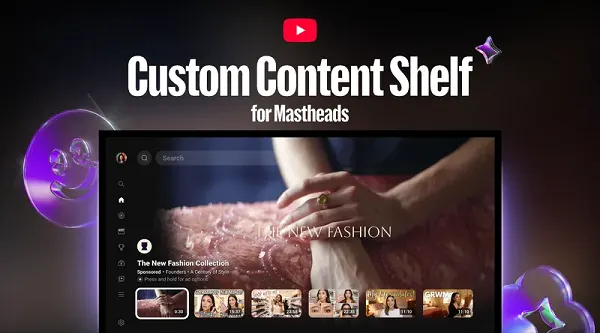
To further incentivize high-impact placements, YouTube introduced a "custom content shelf" for its Masthead ads. This feature allows marketers to display a curated library of supplementary content directly alongside their primary ad creative, turning a standard static placement into an interactive hub for brand storytelling.
The Evolution of Connected TV (CTV)
With more than half of YouTube’s global watch time now occurring on television sets, the platform is rapidly evolving into a direct-response retail channel. The most transformative update to the CTV experience is the integration of "two-click" purchasing via Google Pay.
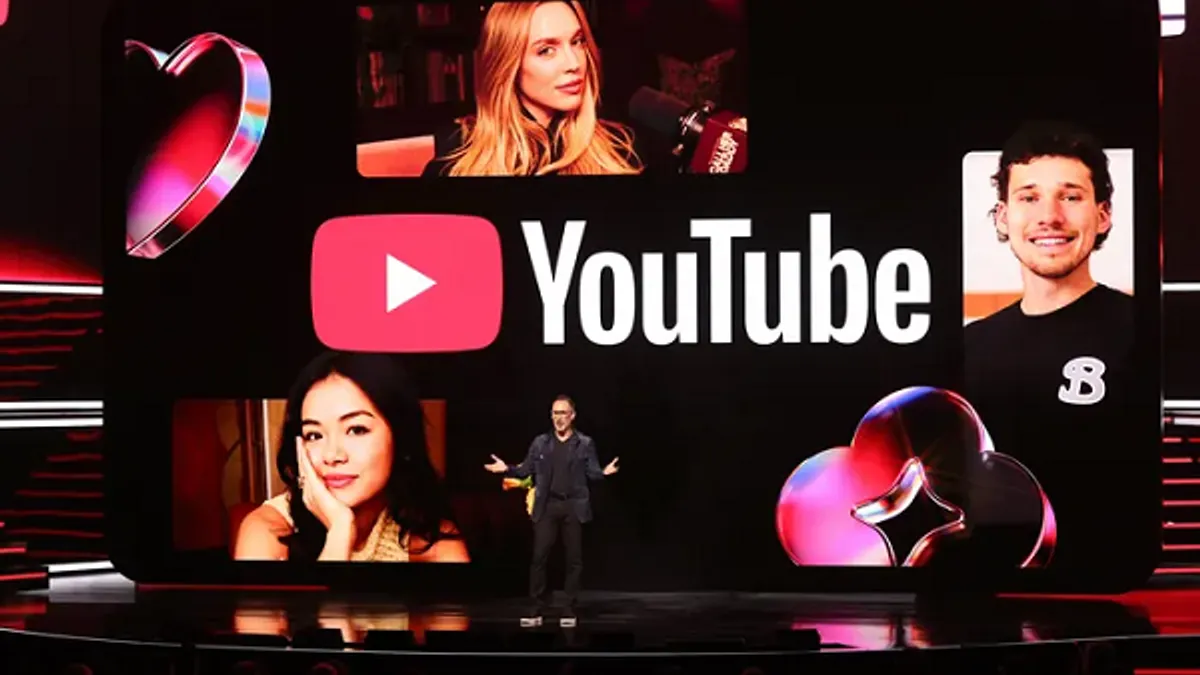
This innovation effectively removes the friction that has historically plagued "shoppable TV." By allowing viewers to complete a transaction without leaving the YouTube interface on their living room TV, the platform is moving closer to closing the loop between inspiration and acquisition. This feature is expected to be a game-changer for CPG (Consumer Packaged Goods) and retail brands that have struggled to prove ROI on traditional broadcast TV.
Bridging the Gap: Retail Data and SKU-Level Attribution
One of the biggest pain points for digital advertisers has long been the "last mile" of measurement—specifically, proving that an ad view on a screen led to an actual transaction in a brick-and-mortar store.
YouTube’s new collaboration with major retail giants Costco and Dollar General addresses this head-on. Through the Display & Video 360 (DV360) platform, advertisers can now integrate first-party shopper data from these retailers to measure the precise impact of their YouTube spend on actual sales.

The Power of SKU-Level Reporting
The introduction of SKU-level conversion reporting is particularly revolutionary. It provides brands with granular insights into which specific products are being purchased following exposure to a campaign. By linking ad impressions to real-world checkout data, YouTube is providing a level of accountability that has previously been the exclusive domain of retail media networks.
Implications for the Advertising Industry
The announcements at Brandcast 2026 suggest three major shifts in the advertising industry:
- The Death of the Funnel: With integrated CTV shopping and SKU-level attribution, the distinction between "brand awareness" and "performance marketing" is collapsing. Every ad is becoming a potential point of sale.
- AI as a Creative Partner: The reliance on Gemini and Veo for ad production signals that creative agencies must pivot from "making assets" to "curating AI-driven strategies." The speed at which an advertiser can adapt their creative will soon become a competitive advantage.
- The Rise of Retail Media 2.0: By bringing retail data into the YouTube ecosystem, the platform is effectively becoming a retail media powerhouse, challenging the dominance of traditional walled gardens like Amazon Advertising.
Official Responses and Industry Sentiment
Industry analysts have noted that while the tools are impressive, the success of these features will depend on the platform’s ability to maintain creator authenticity. "If creators feel their content is being hijacked by AI-inserted sponsorships that feel disjointed, the audience trust—which is the very thing YouTube is selling—will evaporate," noted one digital media consultant.
YouTube leadership, however, maintains that the new tools are designed to empower creators rather than replace their voice. By providing creators with more robust sponsorship infrastructure, the platform aims to provide them with a more stable and lucrative income stream, thereby reducing the pressure to rely solely on fickle algorithm-driven ad revenue.
Conclusion: A New Era of YouTube Advertising
The 2026 Brandcast event was a clear declaration of intent. YouTube is no longer competing with other social media platforms; it is competing with the entire television industry and the global retail sector. By layering AI-powered creative tools over a massive, engaged audience and backing it up with hard, SKU-level retail data, YouTube has created an ecosystem that is as attractive to a local retailer as it is to a global CPG brand.
As these tools roll out over the coming months, the marketing world will be watching closely to see if the promise of "two-click" CTV conversion and AI-generated creative can truly deliver the performance promised. If the data from this year’s event is any indication, the future of advertising is not just online—it is on the big screen, powered by AI, and driven by the creators who command the attention of the modern consumer.












No comments yet. Be the first to join the conversation!