Jia Lissa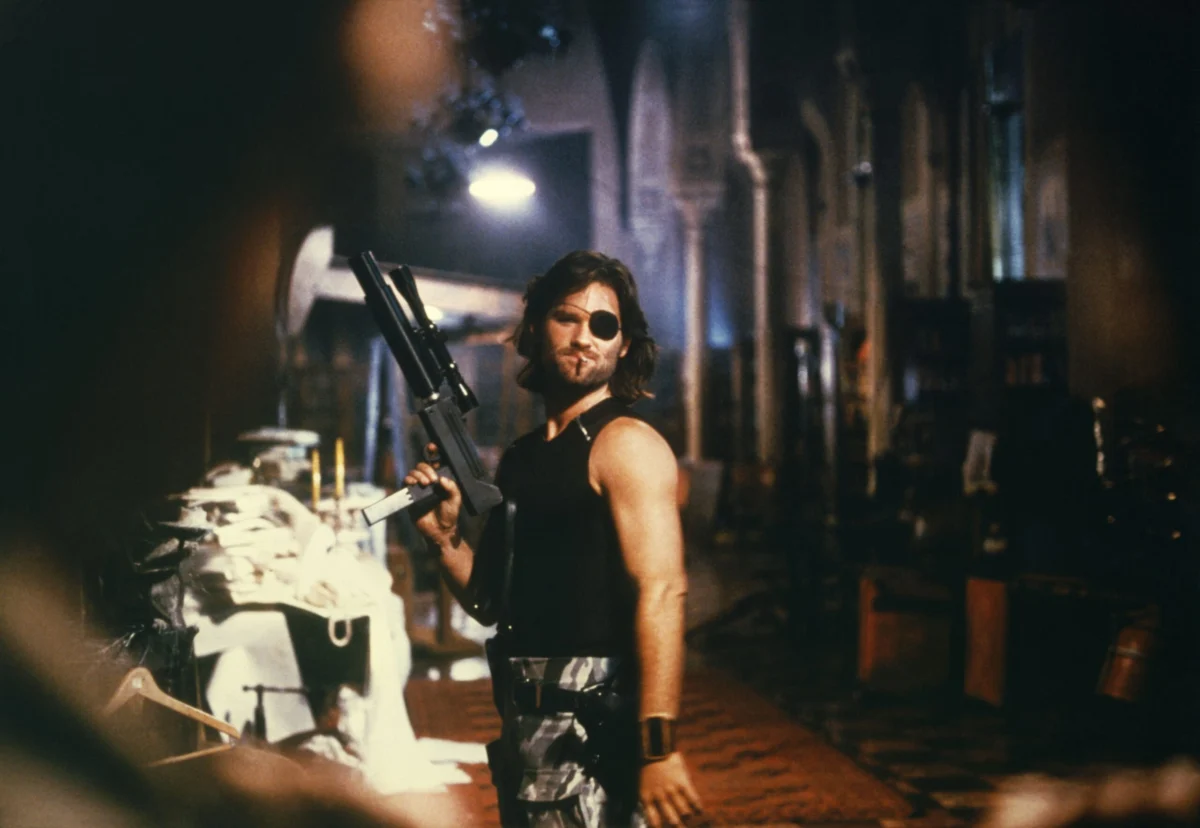
Los Angeles, CA – June 1, 2026 – Two decades after delivering a critically acclaimed remake of George A. Romero’s Dawn of the Dead, filmmaker Zack Snyder is poised to delve into another iconic cinematic universe. Sources confirm that Snyder is officially attached to write and direct a "reimagining" of John Carpenter’s seminal 1981 dystopian action film, Escape from New York. The announcement, first reported by The Hollywood Reporter, signals a significant new venture for the director, known for his distinctive visual style and ambitious adaptations, particularly following his extensive work on the DC Snyderverse.
The news has immediately ignited a fervent discussion among film enthusiasts and long-time fans of Carpenter’s original, a film revered for its gritty aesthetic, cynical worldview, and the creation of one of cinema’s most enduring anti-heroes, Snake Plissken. Snyder’s involvement suggests a bold, potentially polarizing, new interpretation of the beloved cult classic.
A New Vision for a Dystopian Icon
The original Escape from New York plunged audiences into a grim vision of 1997, where crime had escalated to such a degree that the entire island of Manhattan was converted into a maximum-security prison. The narrative kicks into high gear when Air Force One is hijacked by a terrorist group, leading to U.S. President John Harker (Donald Pleasence) crash-landing inside the walled-off penitentiary. He is swiftly captured by its savage inhabitants, led by the formidable gang leader, The Duke (Isaac Hayes).
Enter Snake Plissken, masterfully portrayed by Kurt Russell. A former special-forces soldier and convicted bank robber, Plissken is given an impossible ultimatum: infiltrate the deadly prison, rescue the President, and retrieve vital intelligence, all within 24 hours. His reward? A full pardon for his crimes. Armed with a taciturn demeanor, an iconic eye patch, and a healthy dose of cynicism, Plissken navigates the lawless urban jungle, embodying the quintessential anti-hero reluctantly thrust into a mission of national importance.
Snyder’s take, described as a "reimagining," implies a departure from a straightforward remake, suggesting he intends to interpret the core concepts and themes through his unique lens rather than simply recreating the original beat-for-beat. This approach offers both creative freedom and significant pressure to honor the spirit of Carpenter’s work while forging a distinct identity.
Chronology of a Cult Classic and Its Remake Attempts
The journey of Escape from New York from its original inception to this latest remake attempt is a tale spanning decades, reflecting Hollywood’s perpetual fascination with established intellectual property.
John Carpenter’s Original Vision
John Carpenter, a master of suspense and genre filmmaking, penned the screenplay for Escape from New York in the mid-1970s. His inspiration stemmed directly from the pervasive national cynicism that followed the Watergate scandal and the resignation of U.S. President Richard Nixon. Carpenter observed, "The whole feeling in the nation was one of real cynicism about the president. I wrote the screenplay and no studio wanted to make it. They all said, ‘We’ve been up on the president enough. We can’t have this kind of dark view.’" This initial resistance highlights the film’s provocative nature and its willingness to challenge conventional portrayals of authority.
Despite the initial skepticism, Carpenter eventually brought his vision to the screen in 1981, delivering a lean, atmospheric, and brutally efficient action film. Shot on a modest budget, its gritty visual style, innovative practical effects, and memorable score (composed by Carpenter himself) cemented its place as a cult classic. The film’s critical and commercial success paved the way for a sequel, Escape from L.A., in 1996, which saw Russell return as Plissken, though it failed to capture the magic of its predecessor.
The character of Snake Plissken, with his distinctive look and detached cool, transcended cinema, becoming a significant cultural touchstone. Hideo Kojima, the acclaimed creator of the Metal Gear video game series, famously cited Plissken as a major inspiration for his protagonist, Solid Snake, further solidifying the character’s legacy in pop culture.
A Long Road to Reimagining
The idea of remaking Escape from New York is far from new. Hollywood has been circling the property for well over a decade, with various studios and filmmakers attempting to bring a new iteration to life. Reports of a remake date back as far as 2015, with numerous writers and directors attached at different points, only for the projects to languish in development hell. The challenges of updating such a beloved, yet distinctly ’80s, film without alienating its devoted fanbase have proven to be a significant hurdle.
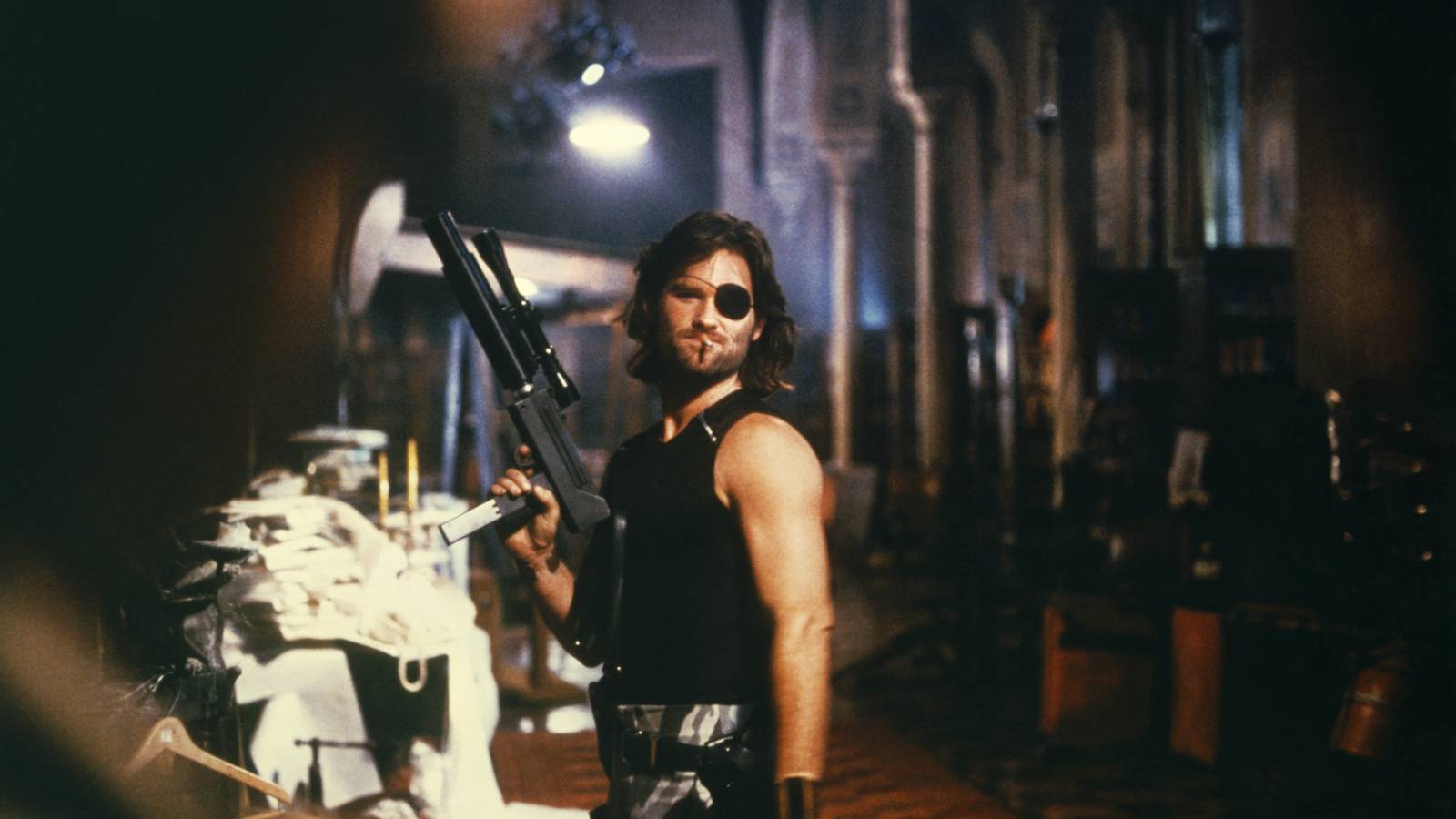
Snyder’s attachment marks the most concrete step towards a new Escape from New York in years. His proven ability to shepherd large-scale projects, even those facing significant creative and logistical challenges (as evidenced by Zack Snyder’s Justice League), provides a strong impetus for the studio to finally move forward.
Supporting Data: Snyder’s Style Meets Carpenter’s Grit
The prospect of Zack Snyder tackling Escape from New York invites a fascinating comparative analysis of two distinct directorial sensibilities.
Snyder’s Aesthetic and Thematic Preoccupations
Zack Snyder is renowned for his hyper-stylized visual aesthetic, often characterized by slow-motion action sequences, desaturated color palettes, and an emphasis on iconic, almost mythological, imagery. His films frequently explore themes of heroism, sacrifice, moral ambiguity, and the struggle against overwhelming odds. From the visceral battles of 300 to the philosophical ponderings of Watchmen and the deconstruction of heroism in his DC films, Snyder’s work is often grand in scope and deeply concerned with archetypal narratives.
His previous foray into remakes, 2004’s Dawn of the Dead, demonstrated his capacity to take an established horror premise and infuse it with modern filmmaking techniques, delivering a fast-paced, intense, and commercially successful reimagining that stood apart from Romero’s original while paying homage to its spirit.
Carpenter’s Lean, Cynical World
John Carpenter’s style, in contrast, is often more minimalist, relying on atmosphere, tension, and practical effects to build dread and excitement. His narratives are frequently steeped in cynicism and distrust of authority, with protagonists who are often anti-heroes or flawed individuals navigating a hostile world. Escape from New York is a prime example of this: a lean, mean machine of a film, stripped of unnecessary exposition, driven by a palpable sense of danger and a bleak outlook on societal collapse. Carpenter’s use of wide shots, long takes, and a pulsating synth score creates an immersive, unsettling environment.
The challenge for Snyder will be to reconcile his maximalist, often operatic, approach with Carpenter’s raw, grounded grit. Will his "reimagining" lean into a more expansive, perhaps even mythological, portrayal of Snake Plissken and the dystopian landscape, or will he seek to emulate Carpenter’s more austere and gritty realism? The term "reimagining" provides ample room for either interpretation, or perhaps a fusion of both.
Thematic Resonance in a Modern Context
The core themes of Escape from New York – governmental distrust, societal decay, the prison-industrial complex, and the nature of heroism in a fallen world – remain profoundly relevant today. Carpenter’s post-Watergate cynicism about the presidency finds echoes in contemporary political landscapes marked by deep polarization, widespread distrust in institutions, and a questioning of leadership.
The original film asked whether the President of the United States, representing a failing system, was truly "worth saving." Snyder, in his own work, has often explored the complexities of power and moral compromises made by figures in authority. The question posed by the original article – "Whether Snyder will be able to imagine a believable world where audiences would be the President of the United States feels worth saving from his violent captors remains to be seen" – is particularly pertinent. In an era where political figures are often viewed with skepticism or outright hostility, crafting a narrative where the audience genuinely roots for the rescue of a head of state could be a significant storytelling hurdle.
Snyder’s reimagining has the opportunity to update these themes for a 21st-century audience. Could the Manhattan prison be a metaphor for digital surveillance, economic inequality, or environmental collapse? How would a modern Snake Plissken navigate a world saturated with information, or perhaps, misinformation? These are avenues for profound thematic enrichment.
Official Responses and Industry Implications
As of now, official statements from Zack Snyder or the producing studio regarding the specific creative direction of the Escape from New York reimagining are forthcoming. However, industry insiders suggest that Snyder’s involvement is viewed as a strategic move to infuse the project with a distinct artistic vision and leverage his dedicated fanbase.

The Hollywood Reporter’s initial report confirms Snyder’s attachment, indicating a significant step beyond previous stalled attempts. While no casting decisions have been announced, the choice of an actor to step into Kurt Russell’s iconic boots will be one of the most scrutinized aspects of the production. Speculation is already rife among fans and industry observers about who could embody the laconic, tough-as-nails Plissken for a new generation.
From the studio’s perspective, securing a filmmaker with Snyder’s box office track record and brand recognition for an existing IP is a compelling proposition. In an era dominated by established franchises, a "reimagining" offers the potential to launch a new series of films, tapping into nostalgia while aiming for contemporary relevance. Snyder’s ability to create expansive, lore-rich universes, as seen with the Snyderverse and Rebel Moon, might suggest an ambition to build a broader narrative world around the core premise of Escape from New York.
However, the weight of expectation for such a beloved property is immense. Fans of John Carpenter’s original are notoriously protective, and any deviation from the established tone or characterization will be met with intense scrutiny. Snyder himself is no stranger to passionate fan reactions, both positive and negative, a dynamic that will undoubtedly color the discourse around this project from its earliest stages.
Implications for Snyder’s Career and the Future of Reboots
The Escape from New York reimagining marks an interesting juncture in Zack Snyder’s career. After the highly publicized conclusion of his DC Extended Universe work and the launch of his original Rebel Moon saga on Netflix, this project represents a return to adapting an established, non-comic book property. It positions him once again in the role of interpreting a revered work, a task he handled successfully with Dawn of the Dead.
For Snyder, this is an opportunity to demonstrate his versatility and his capacity to infuse a classic concept with his signature style while potentially offering a fresh, timely perspective. The success or failure of this reimagining could significantly impact his standing as a go-to director for large-scale genre projects and adaptations.
More broadly, this project speaks to Hollywood’s ongoing trend of revisiting and reimagining classic films. In a crowded media landscape, studios often gravitate towards properties with inherent brand recognition, hoping to attract audiences through a combination of nostalgia and novelty. The challenge, as always, lies in finding the delicate balance between honoring the original and offering something genuinely new and compelling.
The question of who will play Snake Plissken looms large. Russell’s portrayal is inextricably linked to the character’s identity. Finding an actor who can capture that essence while bringing their own interpretation will be critical. The casting choice will undoubtedly be a bellwether for the tone and direction Snyder intends to take.
As the project moves forward, fans will eagerly await further details: casting announcements, plot specifics, and early glimpses of Snyder’s vision. The prospect of a new Escape from New York under the direction of Zack Snyder is undeniably exciting for many, while for others, it will be met with a cautious optimism, hopeful that this reimagining can capture the rebellious spirit and enduring relevance of John Carpenter’s dystopian masterpiece. One thing is certain: the conversation around Snake Plissken and his perilous journey into the heart of a prison-city has just begun anew.


 Lina Irawan
 Sagoh
Sagoh