FOR IMMEDIATE RELEASE
[City, State] – [Date] – miyu.works, a dedicated solo indie game studio, has officially launched its acclaimed classic arcade-inspired racing title, Super Night Riders, on Android. This highly anticipated mobile debut brings the distinctive retro-racing experience, previously enjoyed by PC and console players, to a vast new audience, offering a nostalgic journey through a beautifully rendered, time-sensitive motorcycle adventure. The game, a reboot of the original 2016 release and further refined as Super Night Riders S1 earlier this year, is now accessible via the Google Play Store, promising an engaging blend of speed, strategy, and classic arcade charm.
Main Facts: A Modern Spin on Classic Racing
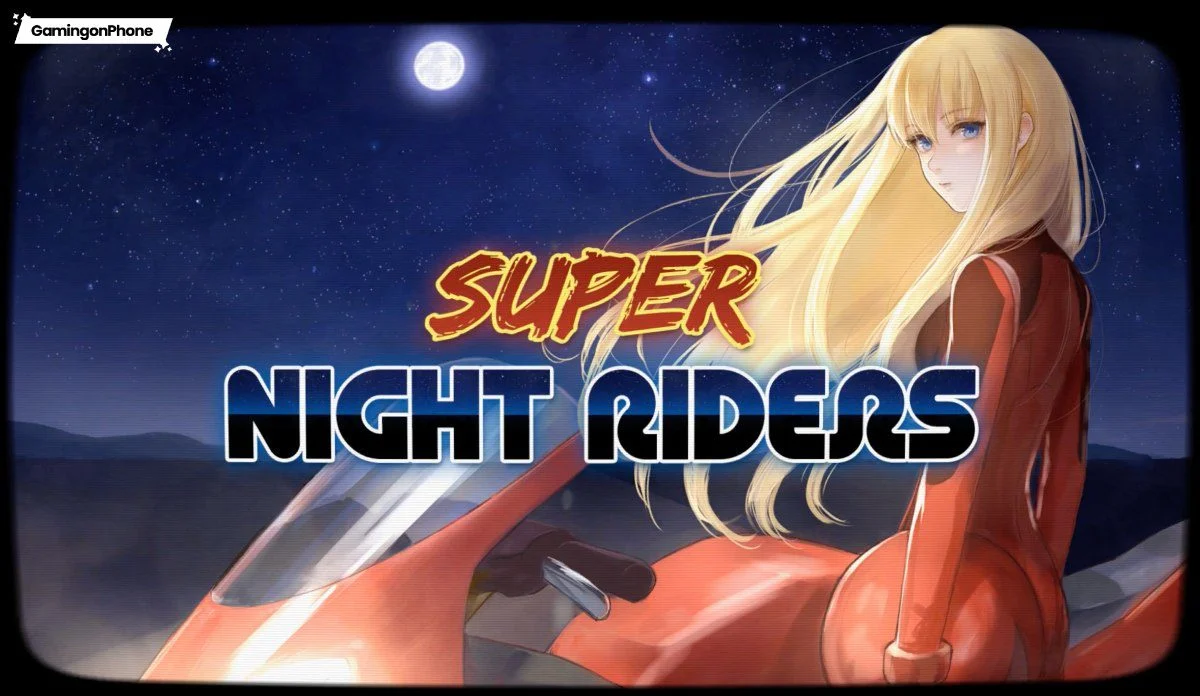
Super Night Riders distinguishes itself in the crowded mobile gaming landscape by eschewing conventional head-to-head racing in favor of a unique time-trial and endurance challenge. Players step into the boots of Alice, the enigmatic "Red Racer," embarking on a quest not for pole position, but for distance and timely progression. The core objective is to navigate sprawling courses, deftly weaving through rival riders, and reaching critical checkpoints before an ever-dwindling timer expires. This "beat the clock" mechanic, reminiscent of classic 80s arcade cabinets, injects a compelling sense of urgency and precision into every race.
The game boasts an impressive array of content, featuring thirty-six distinct stages spread across six challenging courses. Each course offers a fresh visual and environmental experience, demanding adaptive strategies from players. A standout aesthetic feature is the dynamic progression of each race, transitioning seamlessly from day to night and culminating in a vibrant sunrise. This innovative visual cycle not only enhances the game’s atmospheric appeal but also subtly alters visibility and environmental cues, adding another layer of challenge and immersion.
Developed by a solo indie studio, miyu.works, Super Night Riders embodies the passion and dedication often found in independent game development. Its arrival on Android signifies a strategic move to broaden its reach, tapping into the expansive mobile gaming market while retaining the authentic retro feel that captivated its initial PC and console fanbase. With dual visual styles – "Super" for a modern retro look and "Classic" for an even more authentic 80s arcade vibe – the game is poised to appeal to both long-time fans of the genre and newcomers seeking a refreshing take on racing.
Chronology: From PC Pavement to Mobile Highways
The journey of Super Night Riders is a testament to the enduring appeal of its core concept and the perseverance of its creator. The game first made its mark on the gaming scene in 2016, launching on PC and consoles. At a time when hyper-realistic graphics and complex simulations often dominate the racing genre, Super Night Riders carved out a niche by intentionally embracing the aesthetics and gameplay philosophies of the 1980s arcade era. This initial release garnered a dedicated following, appreciative of its pure, unadulterated racing spirit and nostalgic presentation.
Fast forward to 2023, and miyu.works revisited its creation, introducing Super Night Riders S1. This reboot wasn’t merely a re-release but a refinement, incorporating valuable feedback from the community and enhancing various aspects of the game. While specific details of the "S1" improvements haven’t been exhaustively publicized, such updates typically involve graphical optimizations, gameplay tweaks, bug fixes, and potentially new content or quality-of-life features designed to modernize the experience while preserving its original charm. This iterative development approach underscores the studio’s commitment to nurturing its intellectual property and delivering the best possible version of its vision.
The most recent and significant milestone in the game’s trajectory is its launch on Android. This move represents a strategic expansion, recognizing the exponential growth and accessibility of the mobile gaming market. Porting a game from PC and console to mobile platforms often involves considerable effort, including adapting controls for touchscreens, optimizing performance for a diverse range of hardware, and ensuring the game’s visual fidelity translates well to smaller screens. The successful deployment on Android indicates that miyu.works has meticulously undertaken these tasks, delivering a polished experience for mobile users. The anticipation surrounding an upcoming iOS release further highlights the studio’s intent to capture the full spectrum of the mobile gaming audience, ensuring that Super Night Riders reaches as many players as possible across various handheld devices. This phased rollout allows the studio to gather valuable data and feedback from the Android launch, potentially informing and refining the iOS version for an even smoother debut.
Supporting Data: Deconstructing the Retro Revival
Super Night Riders‘s appeal lies in its meticulous adherence to the tenets of classic arcade racing, combined with subtle modern sensibilities. The "arcade-inspired" label is not merely a marketing tag; it permeates every aspect of the game. From the moment players hit the virtual throttle, they are greeted with an immediate sense of speed and responsiveness that harks back to coin-op machines like Out Run, Hang-On, and of course, motorcycle classics such as Road Rash and Moto Racer. The controls, while adapted for mobile, are intuitively designed to allow players to focus on the exhilarating rush of the ride rather than complex button combinations.
The unique gameplay loop, centered on outrunning the clock rather than direct competition, is a refreshing departure from the norm. This design choice shifts the player’s focus from aggressive overtaking to precision driving, strategic lane changes, and efficient navigation. Alice, the "Red Racer," isn’t just a character; she’s an avatar for the player’s relentless pursuit of perfection against the ticking timer. Avoiding rival riders becomes less about confrontation and more about maintaining momentum and clearing a path, adding a layer of tactical avoidance that demands quick reflexes and foresight. The thirty-six stages across six courses provide substantial replayability and a satisfying progression curve. Players can expect a gradual increase in difficulty, with each course introducing new environmental challenges, tighter turns, and more aggressive rival AI. This ensures that the experience remains fresh and engaging, constantly testing the player’s mastery of the game’s mechanics.
The dynamic day-to-night-to-sunrise cycle is more than just an aesthetic flourish; it’s an integral part of the game’s immersive atmosphere. Starting a race under the bright afternoon sun, watching the landscape gradually dim as twilight descends, and finally witnessing the breaking dawn as you push towards the finish line creates a palpable sense of journey and progression. This visual transformation isn’t purely cosmetic; the changing light conditions can subtly impact visibility, adding an element of environmental challenge that players must adapt to. Riding through the vibrant hues of a sunset or navigating the challenging darkness of night, illuminated only by your headlights and the distant glow of checkpoints, creates a truly dynamic experience.
Furthermore, the inclusion of "Super" and "Classic" visual styles caters directly to player preference and historical appreciation. The "Classic" mode likely provides a pixel-art aesthetic or a more muted color palette, replicating the visual limitations and artistic choices of the 8-bit or 16-bit era. This is a powerful draw for gamers who grew up with these titles and crave an authentic retro experience. The "Super" style, on the other hand, likely offers a cleaner, more refined look, perhaps with higher resolution textures and modern lighting effects, while still retaining the game’s distinctive retro-polygon art style. This dual approach allows Super Night Riders to appeal to both purists and those who appreciate a slightly more contemporary take on retro graphics.
The fact that Super Night Riders is a product of a solo indie studio, miyu.works, is a significant data point in itself. Solo development is a demanding endeavor, requiring a vast array of skills from coding and art to sound design and marketing. The successful multi-platform launch and refinement of Super Night Riders speaks volumes about the talent and dedication behind miyu.works. This narrative often resonates deeply with the gaming community, fostering a sense of connection and support for a creator’s individual vision, contrasting with the often-impersonal nature of large-scale studio releases. It positions Super Night Riders not just as a game, but as a passion project brought to life.
Official Responses: Unspoken Strategies and Anticipated Impact
While miyu.works, as a solo indie studio, has not issued extensive official press releases detailing the strategic rationale behind Super Night Riders‘s mobile expansion, the decision itself serves as a clear statement of intent. The move to Android, and subsequently iOS, is widely interpreted within the industry as a calculated effort to significantly broaden the game’s audience and extend its commercial lifespan.
Mobile platforms represent the largest gaming market globally, offering unparalleled accessibility to billions of potential players. For an indie title that has already established a presence on PC and consoles, venturing into mobile gaming is a logical next step to tap into new revenue streams and achieve greater visibility. It suggests that miyu.works likely identified a significant segment of mobile gamers who appreciate classic arcade experiences but may not own the traditional gaming hardware. The casual nature of mobile gaming, often characterized by pick-up-and-play sessions, also aligns perfectly with Super Night Riders‘s arcade-style time-trial gameplay.
Industry analysts would typically attribute such a move by an indie developer to several factors:
- Market Diversification: Reducing reliance on a single platform’s ecosystem.
- Audience Expansion: Reaching new demographics, including casual gamers and those primarily on mobile.
- Monetization Potential: Unlocking new revenue opportunities through upfront purchases on app stores.
- Brand Building: Increasing recognition for the miyu.works studio and its unique artistic vision.
- Leveraging Existing Assets: Re-purposing and optimizing an already developed and proven game for a new platform, which is often more efficient than creating an entirely new title.
The emphasis on delivering a polished, optimized experience for mobile, as implied by the successful Android launch, suggests that miyu.works understands the high expectations of mobile gamers regarding performance and touch controls. The studio’s decision to offer both "Super" and "Classic" visual styles on mobile further indicates a nuanced understanding of its target audience, catering to both those seeking a modern interpretation and purists desiring an authentic retro aesthetic. The anticipation for an iOS release further solidifies the studio’s commitment to a comprehensive mobile strategy, aiming to cover the dominant smartphone operating systems. While no direct quotes from the developer are available, the actions speak volumes about a developer who is strategically expanding their reach while staying true to the core identity of their beloved creation.
Implications: Paving the Way for Retro Mobile Racing
The launch of Super Night Riders on Android carries significant implications for miyu.works, the mobile gaming market, and the broader trend of retro gaming.
For miyu.works: This move is a pivotal moment. A successful mobile launch can dramatically increase the studio’s profile and financial stability. New revenue streams from Android (and soon iOS) sales can fund future projects, allowing the solo developer to continue pursuing their unique creative vision. Increased visibility on major app stores can lead to greater brand recognition, fostering a loyal community around miyu.works and its distinctive approach to game development. This expansion validates the hard work and passion invested in Super Night Riders and provides a strong foundation for future endeavors, potentially inspiring other indie developers to consider similar cross-platform strategies. It also positions miyu.works as a studio capable of adapting and optimizing its titles for diverse hardware, a valuable asset in today’s multi-platform gaming landscape.
For the Mobile Gaming Market: Super Night Riders enriches the mobile racing genre, which is often dominated by either hyper-realistic simulations or overly simplified casual experiences. Its unique arcade-style gameplay, focusing on time trials and avoidance rather than direct competition, offers a refreshing alternative. This can attract a segment of players who crave depth and challenge in their mobile racers but are tired of conventional formats. The game’s strong retro aesthetic also bolsters the growing category of high-quality indie ports and retro revivals on mobile, demonstrating that touch-based platforms are viable homes for experiences that prioritize gameplay and art style over cutting-edge graphics. Its success could encourage other indie developers with retro-inspired titles to explore mobile ports, further diversifying the market.
For Players: Mobile gamers now have access to a distinct, high-quality racing experience that offers both nostalgic appeal and engaging gameplay. For those who grew up with arcade classics like Road Rash and Moto Racer, Super Night Riders provides a trip down memory lane, perfectly optimized for modern handheld devices. For newer players, it offers an accessible entry point into the charm and challenge of retro arcade mechanics. The game’s pick-up-and-play nature makes it ideal for short gaming sessions on the go, while its depth and challenging stages ensure long-term engagement. The pending iOS release will further democratize access, ensuring that a vast majority of smartphone users can enjoy Alice’s thrilling ride.
Broader Industry Trends: The ongoing success of indie game ports to mobile platforms, exemplified by Super Night Riders, continues to blur the lines between traditional gaming ecosystems. It reinforces the idea that quality gameplay and strong artistic vision transcend platform boundaries. The game also highlights the enduring power of nostalgia in the gaming industry; developers who can effectively tap into the cherished memories of classic titles while introducing modern refinements are finding significant success. Furthermore, the prominence of a solo indie developer achieving multi-platform success serves as an inspiring narrative, showcasing the impact individuals can have in an industry often dominated by large corporations. This trend empowers more creators to pursue their dreams, knowing that a compelling idea, executed with passion, can find its audience regardless of studio size.
In conclusion, Super Night Riders‘s Android debut is more than just another game launch; it’s a significant stride for an indie developer, a valuable addition to the mobile racing genre, and a testament to the timeless appeal of well-crafted retro gaming experiences. As Alice speeds across the dynamically changing landscapes, miyu.works is charting a new course for its future, one race at a time.