

By [Your Name/Staff Reporter]
Published: August 29, 2025
The landscape of tabletop role-playing games (TRPGs) has undergone a radical transformation over the last decade. While the industry was once dominated almost exclusively by Western high-fantasy titles, a growing appetite for international systems—particularly those from Japan—has carved out a significant market niche. Leading this cultural exchange is LionWing Publishing, which recently announced that the legendary Japanese mecha-fantasy RPG, Wares Blade, is officially live on Kickstarter.
The campaign has not merely launched; it has exploded, surpassing its initial funding goals within hours. As of late August 2025, the project stands as a testament to the enduring appeal of "retro-future" aesthetics and the specific, crunchy mechanical depth that defined the golden age of Japanese hobby gaming.
I. Main Facts: A Landmark Localization Project
Wares Blade (originally Seiken Densetsu: Wares Blade) is widely regarded by historians of the medium as the first major commercially successful mecha-themed TRPG in Japan. Originally released in 1989, it offered a unique fusion of high-fantasy magic and piloted mechanical giants, predating and influencing many of the tropes later popularized by anime classics like The Vision of Escaflowne.
LionWing Publishing, a specialist in the localization of Japanese tabletop games, has taken up the mantle of bringing this vintage title to the English-speaking world. The Kickstarter campaign, which runs until September 18, 2025, aims to produce a faithful translation that preserves the original’s intricate art and complex systems while making them accessible to a modern audience.
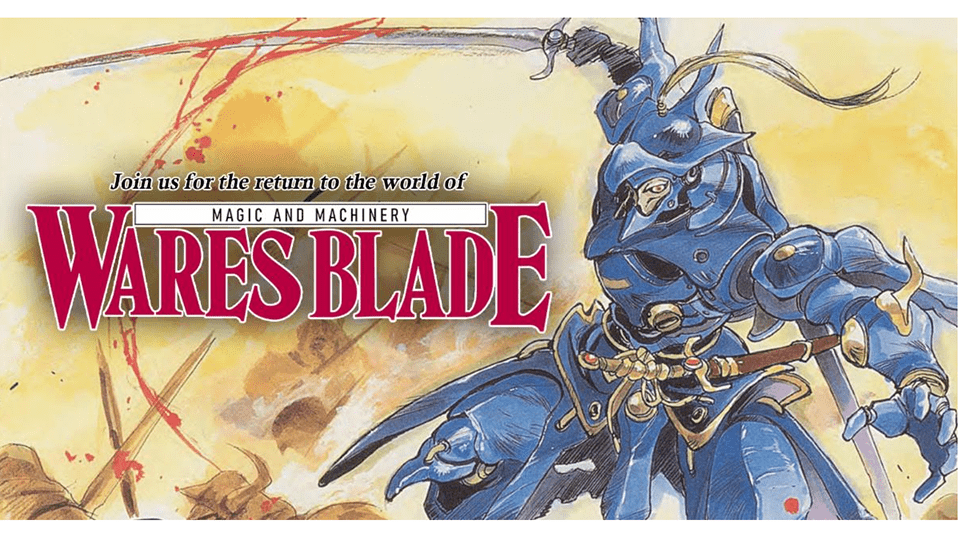
The project has already achieved "hyper-funded" status, currently sitting at over 700% of its initial goal. This surge of support ensures that not only will the core rulebook be produced, but a variety of physical add-ons—including custom dice, GM screens, and acrylic standees—will also enter production.
II. Chronology: From 1980s Tokyo to 2025 Global Crowdfunding
To understand the significance of Wares Blade, one must look at the timeline of its development and the subsequent rise of LionWing Publishing.
- 1989: Wares Blade is released in Japan. It enters a market where TRPGs are beginning to diverge from their Western roots (Dungeons & Dragons), developing a distinct "JTRPG" identity characterized by heavy narrative themes and innovative dice mechanics.
- 1990s–2010s: The Wares Blade franchise expands into a sprawling multimedia property in Japan, encompassing novels, video games, and updated rulebooks. Despite its domestic success, it remains a "holy grail" for Western collectors—untranslated and largely unplayable for those without a mastery of Japanese.
- 2018–2023: LionWing Publishing establishes itself as a premier localizer. They successfully bring titles like Convictor Drive (a superhero/tokusatsu game) and the official Shin Megami Tensei III: Nocturne TRPG to the West. Each project builds a bridge between Eastern game design and Western players.
- Early 2024: LionWing teases a "classic revival" project, hinting at a title that defined the mecha-fantasy genre.
- August 29, 2025: The Wares Blade Kickstarter officially launches. Within the first six hours, the primary funding goal is met, signaling a massive pent-up demand for "retro" Japanese systems.
III. Supporting Data: Mechanics, Setting, and Funding Tiers
The appeal of Wares Blade lies in its mechanical "crunch" and its evocative setting. Unlike many modern "rules-light" games, Wares Blade offers a deep, tactical experience that rewards system mastery.
The System: D10s and "Luck"
The game utilizes a d10-based system, which was a departure from the d20-standard of its era. One of its most distinctive features is the combat timing: rounds are calculated in brisk, two-second intervals. This creates a high-tension atmosphere where every decision feels immediate and impactful.
Furthermore, the game introduces a "Luck" dice pool. Players can choose to expend Luck to tilt the odds in their favor, but this comes with a mechanical caveat: the more Luck you use, the more likely you are to become a priority target for enemies. This "risk-versus-reward" loop is a hallmark of Japanese design from the late 80s.

The World and the Ryude
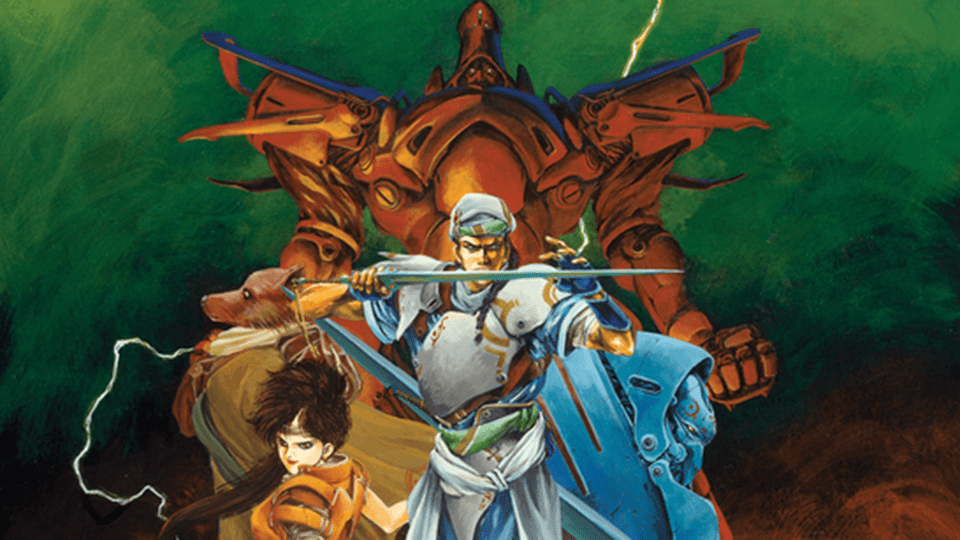
The setting of Wares Blade revolves around "Ryude"—massive, magical mecha often referred to as "Dragon-Headed Soldiers." The core rulebook features 40 distinct Ryude models, each with unique capabilities. Players do not just play as pilots; they play as characters deeply integrated into a world where magic is powerful but volatile. The magic system includes a "backlash" mechanic, where failed spells can result in catastrophic consequences for the caster, mirroring the high-stakes nature of the mecha combat.
Kickstarter Tier Breakdown
The crowdfunding campaign is structured to accommodate both digital-only players and "whale" collectors:
- Digital Tier ($30): Provides a high-quality, bookmarked PDF of the core rulebook.
- Standard Physical Tier ($60+): Includes the hardcover book and various digital stretch goals.
- Deluxe/Collector Tiers ($150): These premium levels offer the "full experience," including a custom GM screen, acrylic standees for tactical combat, specialized dice, and pre-generated character sheets designed for immediate play.
IV. Official Responses: LionWing’s Vision for Preservation
In statements regarding the launch, LionWing Publishing has emphasized that Wares Blade is more than just a game; it is a piece of cultural history.
"Our mission has always been to act as curators of the Japanese tabletop scene," a spokesperson for the company noted during the campaign’s opening week. "With Wares Blade, we are looking at a title that paved the way for nearly every mecha RPG that followed. Bringing it to the West isn’t just about translation; it’s about preservation. We want to ensure that the original vision—the art, the tone, and the specific mechanical ‘feel’—is maintained for a new generation of players."
Industry analysts have noted that LionWing’s success stems from their "boutique" approach. By focusing on high-quality physical production and faithful localization, they have cultivated a loyal community that trusts them with obscure or "difficult" licenses. The success of Wares Blade follows their successful delivery of Kedamono Opera, further solidifying their reputation as the "Criterion Collection" of the TRPG world.
V. Implications: The Future of the JTRPG Market
The overwhelming success of the Wares Blade Kickstarter carries several significant implications for the tabletop industry at large.
1. The "Retro-Futurism" Trend
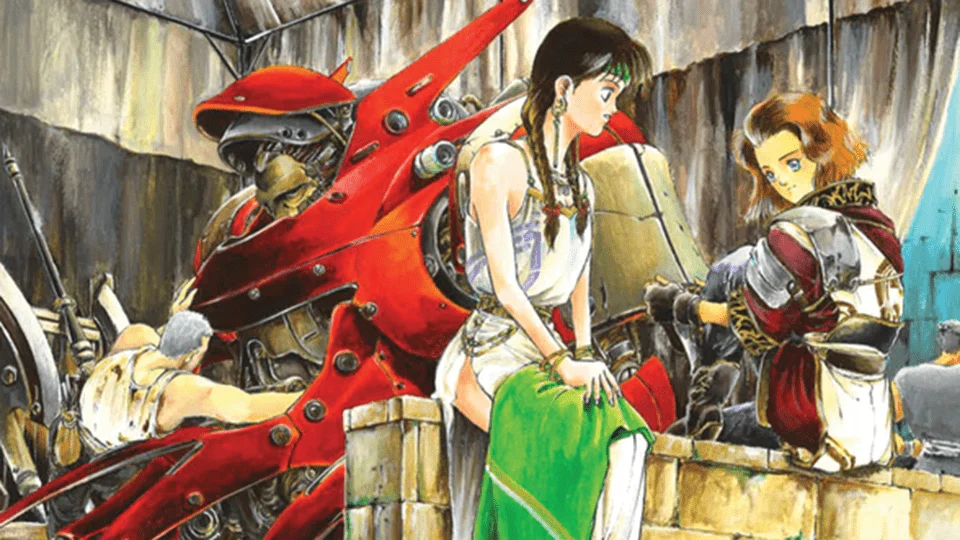
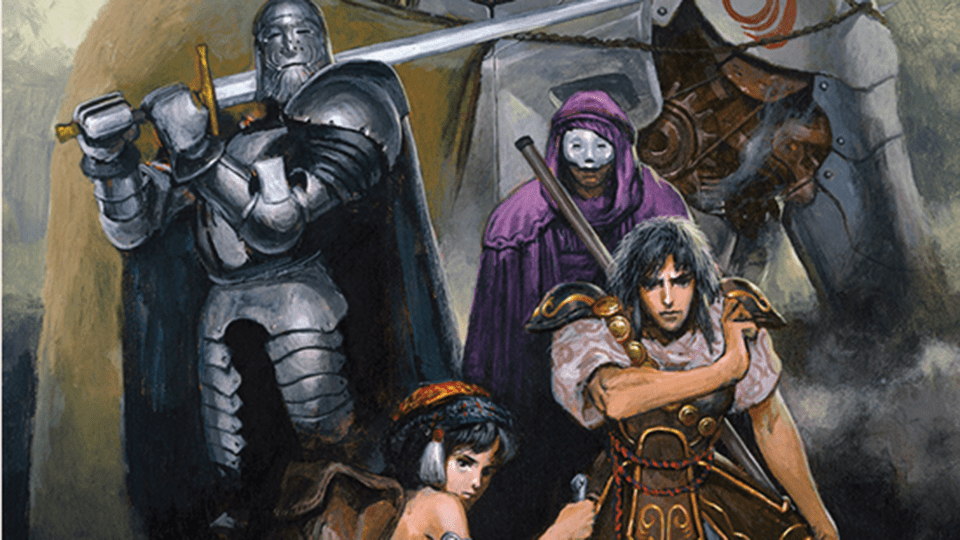
There is a clear trend toward "90s and 80s aesthetics" in gaming. Wares Blade taps into the same nostalgia that has fueled the resurgence of synthwave music and lo-fi aesthetics. Its art style—reminiscent of classic hand-drawn cel anime—provides a refreshing alternative to the digital-heavy art found in many contemporary Western RPGs.
2. Validation of the "Crunchy" System
For years, the industry trend has moved toward "Rules-Light" systems (such as Powered by the Apocalypse). However, the demand for Wares Blade suggests that a significant portion of the market still craves "crunch"—complex tables, tactical positioning, and deep character customization. This may encourage other publishers to look back at neglected, system-heavy classics for potential localization.
3. Strengthening Cross-Cultural Exchange
As Japanese TRPGs continue to perform well on platforms like Kickstarter, we are likely to see more "simultaneous" releases or shorter gaps between Japanese and English editions. LionWing’s success with the Shin Megami Tensei license proved that big-name Japanese IPs have a home in the West; Wares Blade proves that even older, more niche titles can achieve mainstream crowdfunding success.
4. The Role of Crowdfunding as Market Research
The fact that the campaign was funded seven times over within days serves as a powerful data point for retailers and distributors. It proves that the "Mecha-Fantasy" genre—long thought to be a niche within a niche—has a dedicated, spending-ready audience.
Conclusion
The Wares Blade Kickstarter is a milestone event for fans of mecha, anime, and tabletop gaming. By bridging the gap between a 1989 Japanese classic and the 2025 global gaming market, LionWing Publishing is doing more than selling a book—they are expanding the vocabulary of the Western TRPG hobby.
As the campaign heads toward its September 18 deadline, the industry will be watching closely to see how many more stretch goals are shattered. For players, the message is clear: the dragons of iron and magic have finally arrived in the West, and they are here to stay.
For more information on the campaign, visit the official Wares Blade Kickstarter page before September 18, 2025.









No comments yet. Be the first to join the conversation!