Dwi Wanna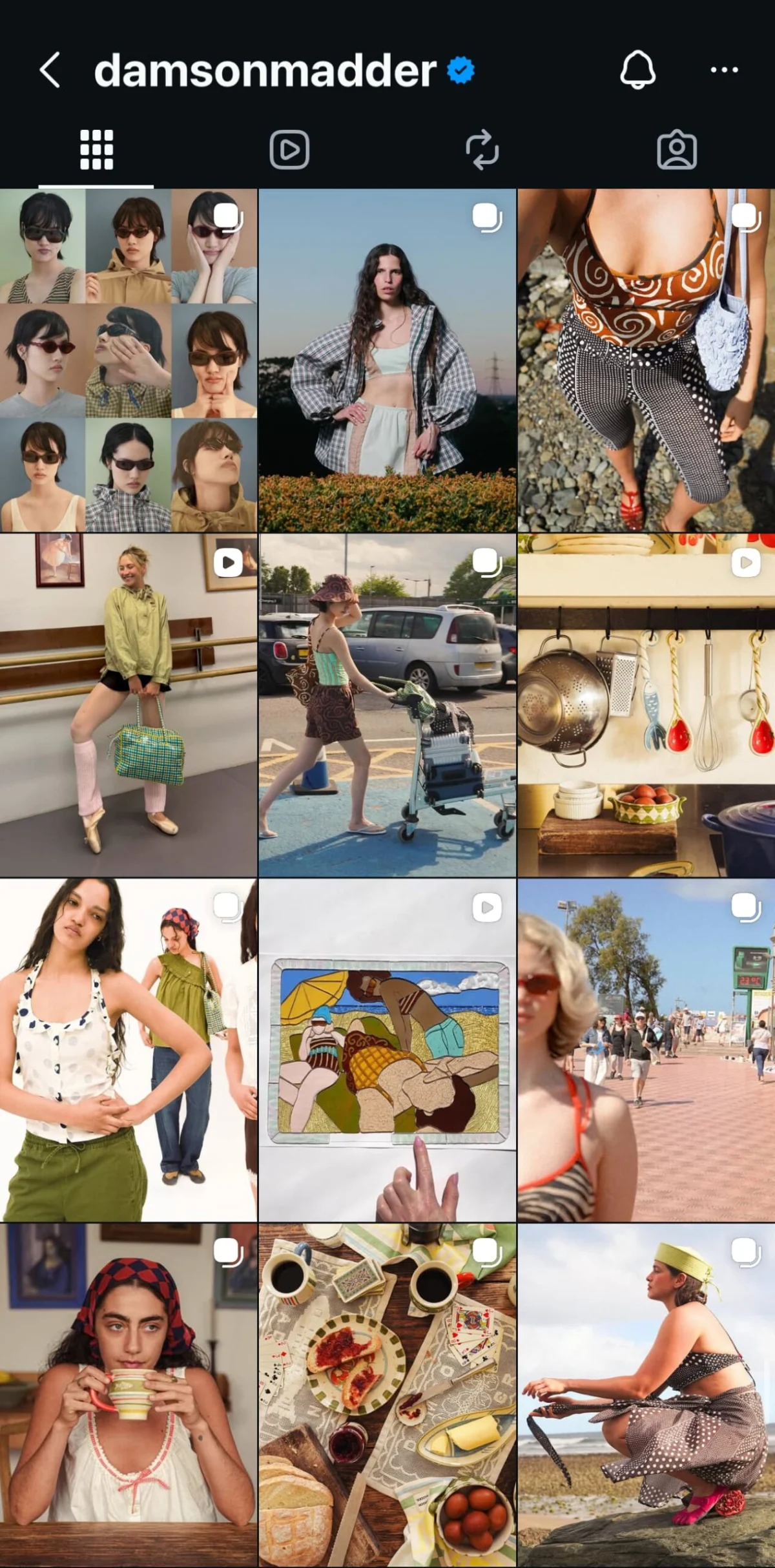
In the modern digital landscape, a notification from Instagram is more than just a social interaction; it is a signal of brand health. Whether it is a spike in engagement on a new Reel or a steady climb in follower count, these metrics represent the tangible output of a deliberate, data-backed Instagram marketing strategy. However, the path from a casual post to a conversion-driven asset is paved with more than just aesthetic filters. It requires precision in timing, a mastery of format-specific nuances, and a workflow that prevents burnout.
As brands navigate an increasingly crowded feed, the ability to maintain consistency while fostering authentic community connection has become the primary differentiator between those who simply "post" and those who truly perform.

The Evolution of the Instagram Ecosystem
For years, Instagram has transitioned from a photo-sharing app to a multifaceted media powerhouse. Today, the platform’s algorithm favors creators and brands that diversify their content portfolio. From static photos and carousel galleries to ephemeral Stories and long-form Reels, the variety of formats available requires a sophisticated approach to content management.
Recent data underscores the necessity of this diversity. In 2025, reports indicated that Reels accounted for 46% of total time spent on the platform in the United States. This shift confirms that while static imagery remains the bedrock of a brand’s aesthetic identity, video is the engine of discovery. For businesses, the challenge is not just keeping up with the features but ensuring that every post serves a broader strategic objective.
Managing the Workflow: Beyond the Mobile App
For many social media managers, the daily grind involves a constant, fragmented juggle between five or more applications: editing tools, caption generators, scheduling apps, and the Instagram native interface itself. This "app fatigue" is the silent killer of productivity and creative flow.
Professional social media management demands a centralized workspace. By integrating publishing, scheduling, and performance analytics into a single platform—such as Sprout Social’s Essentials plan—marketers can reclaim the time spent on logistics and reinvest it into high-impact creative strategy. When your asset library, scheduling calendar, and performance reports coexist, your brand voice remains consistent, and your posting cadence stays predictable.
The Anatomy of a High-Performing Post
Whether you are uploading a single image or a multi-part carousel, the "how-to" is only the beginning. The "why" and "when" are what drive engagement.
1. Visual Optimization and Technical Specs
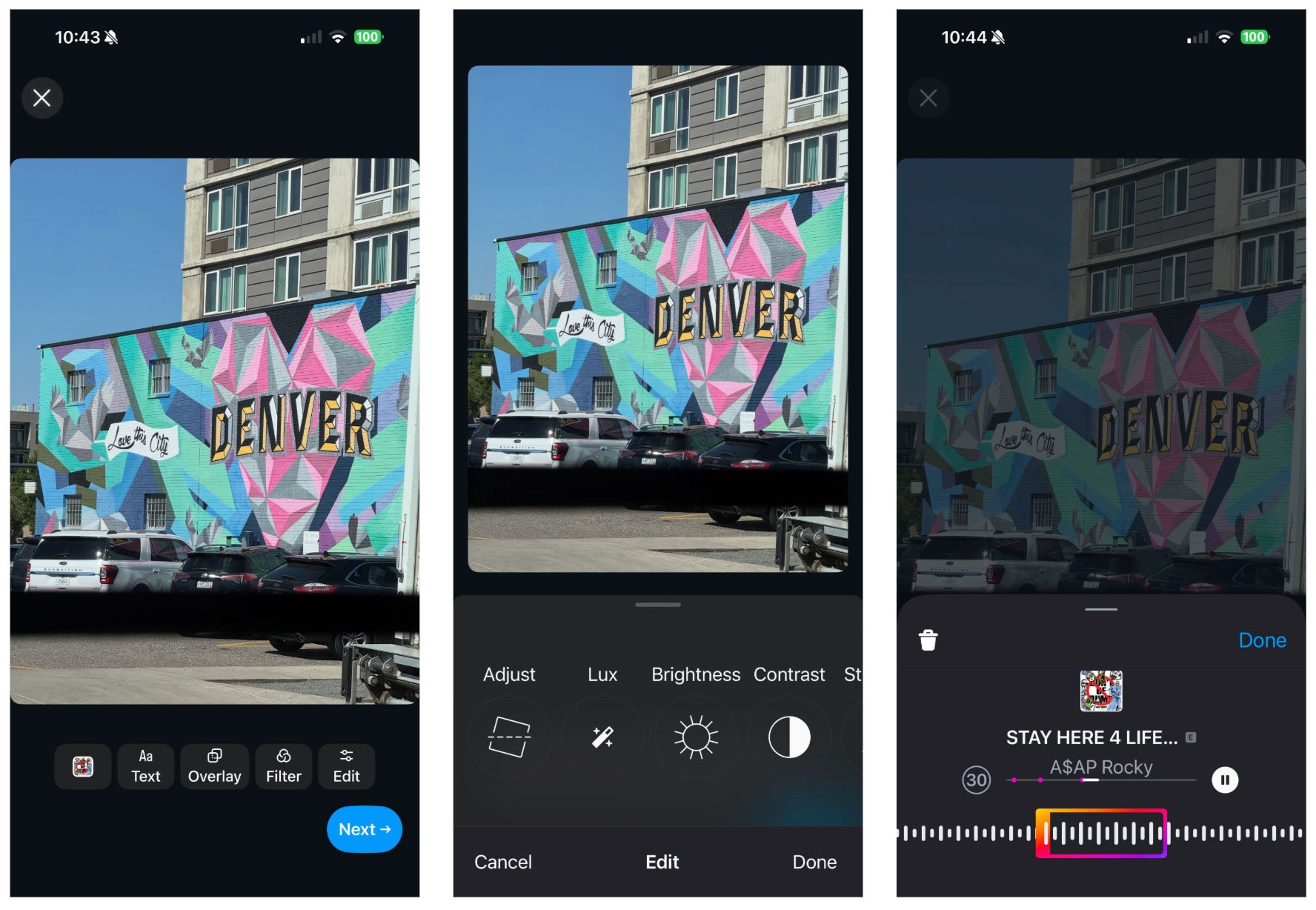
The mobile app provides basic editing tools, but professional brands often use third-party tools to ensure high-fidelity results. When preparing content, consider the platform’s native requirements:
- Vertical Photos (4:5): These occupy the most screen real estate, making them the gold standard for feed visibility.
- Square (1:1): Useful for grid symmetry, though they offer less impact in the scroll.
- Video Specs: Maintaining high-definition (1080×1920) for Reels ensures they don’t look pixelated when compressed by the platform.
2. The Power of Consistency
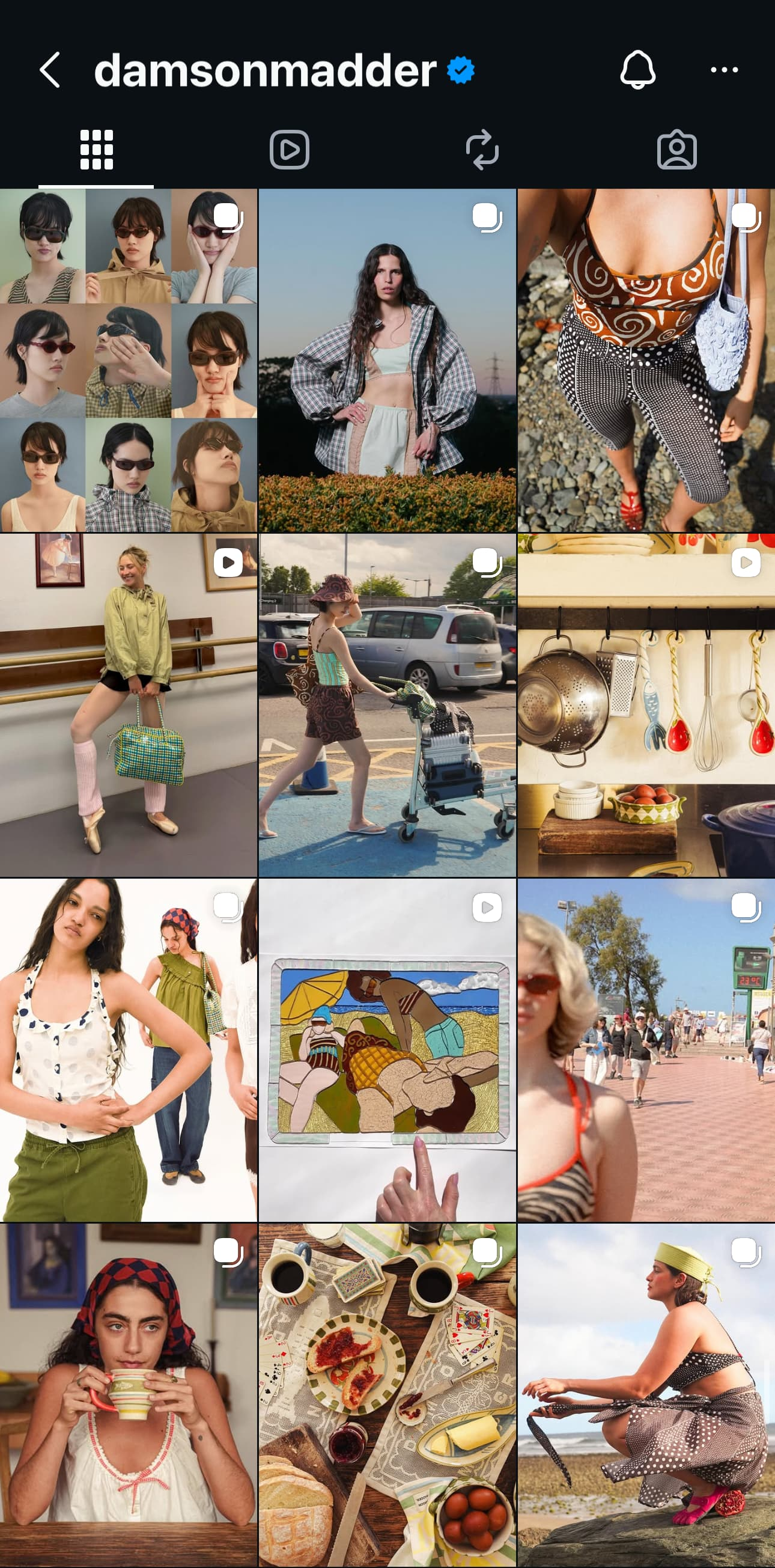
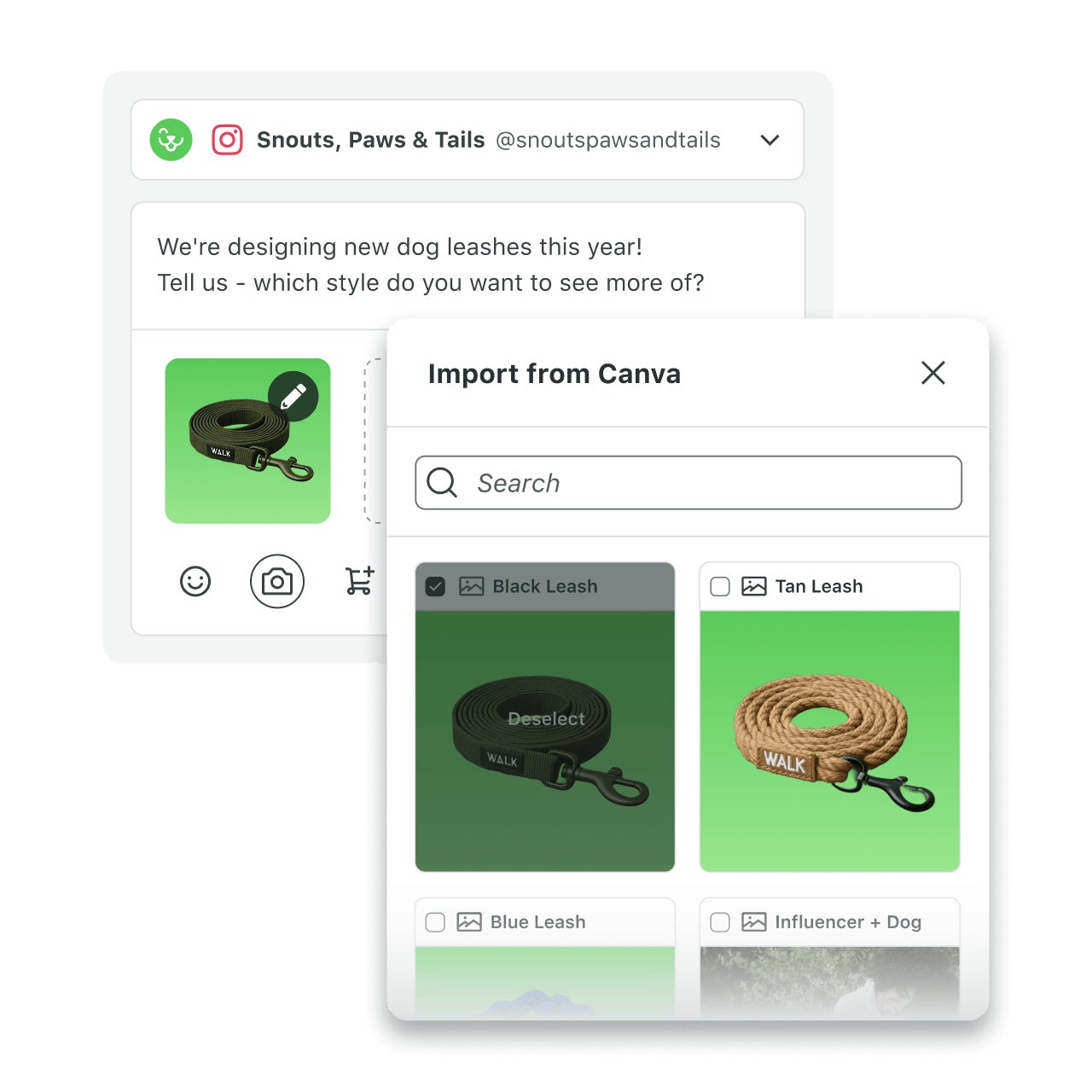
A cohesive grid acts as a digital storefront. Brands like LoveShackFancy have mastered this by leaning into specific color palettes and lighting styles. This creates "instant recall"—the ability for a user to identify a post as belonging to your brand before they even read the username. Achieving this requires planning your grid layout in advance using a visual content calendar, allowing you to see how your upcoming posts will look in relation to your existing content.
3. Captions and the "First Comment" Strategy
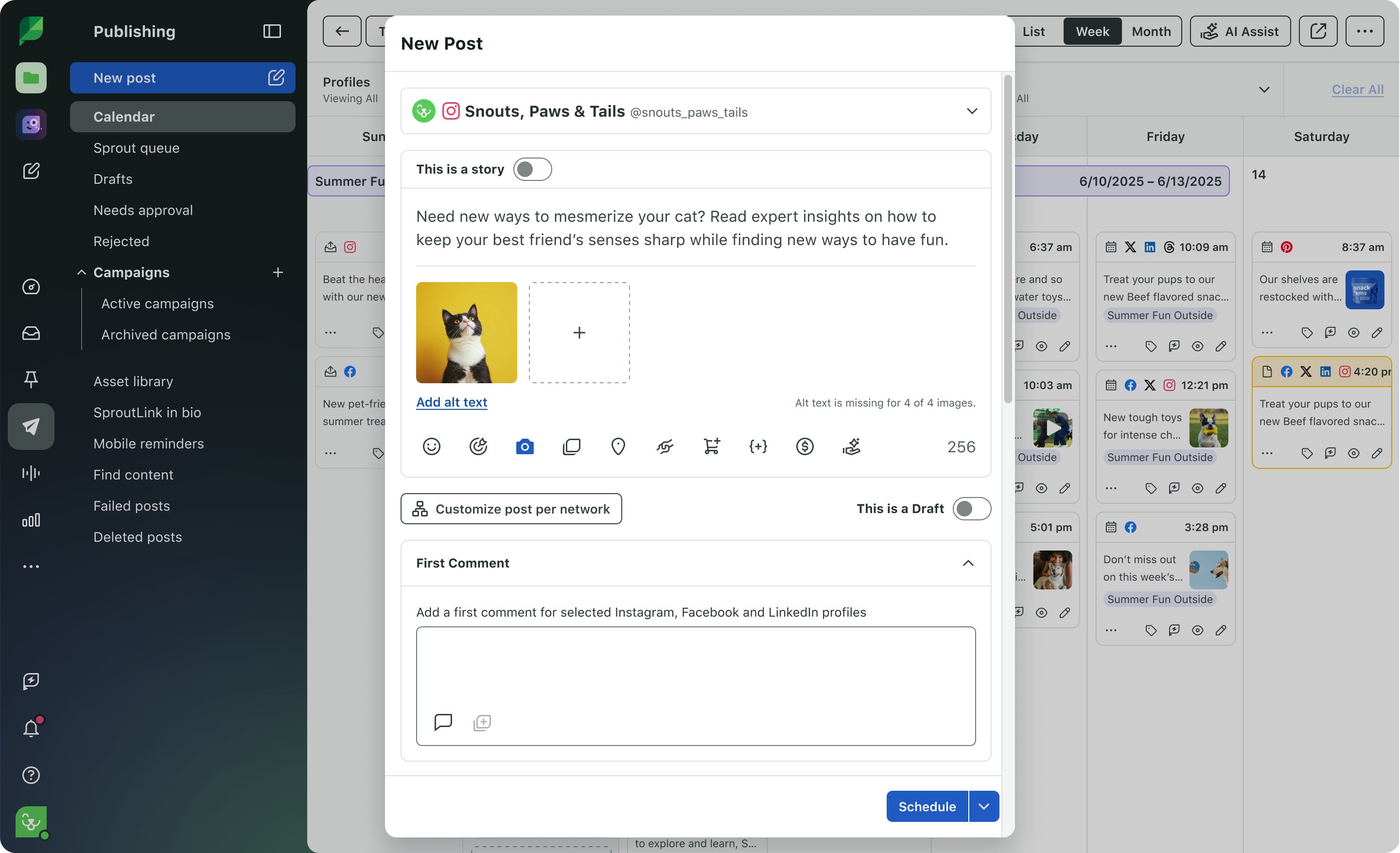
The days of cluttered, hashtag-heavy captions are fading. To keep your messaging clear, adopt a "clean caption" approach. By scheduling your primary hashtags in the first comment, you maintain a professional, readable aesthetic while still reaping the discoverability benefits of SEO-friendly tags.

The Strategy of Ephemerality: Mastering Stories
Stories are the "behind-the-scenes" of your brand. They are the most effective tool for real-time community engagement, disappearing after 24 hours unless saved to a Highlight.
To maximize the impact of Stories:
- Use Interactive Elements: Polls, sliders, and "Ask Me Anything" boxes transform passive viewers into active participants.
- Prioritize Accessibility: With many users viewing content with the sound off, incorporating captions or text overlays is non-negotiable.
- Highlight Curated Themes: Treat your Highlights like chapters in a book—group them by "New Arrivals," "Events," or "FAQs" to provide new visitors with a quick, intuitive way to understand your brand.
The Rise of Reels: Short-Form Domination
Reels are currently the most powerful tool for top-of-funnel growth. Because they are frequently served to non-followers via the Explore page, they represent your best chance for organic discovery.
Production Best Practices:
- The Hook: You have less than three seconds to capture attention. Start with a visually arresting clip or a provocative question.
- Cover Images: Never let the app auto-select a frame. Design a custom cover image to ensure your grid remains aesthetically consistent.
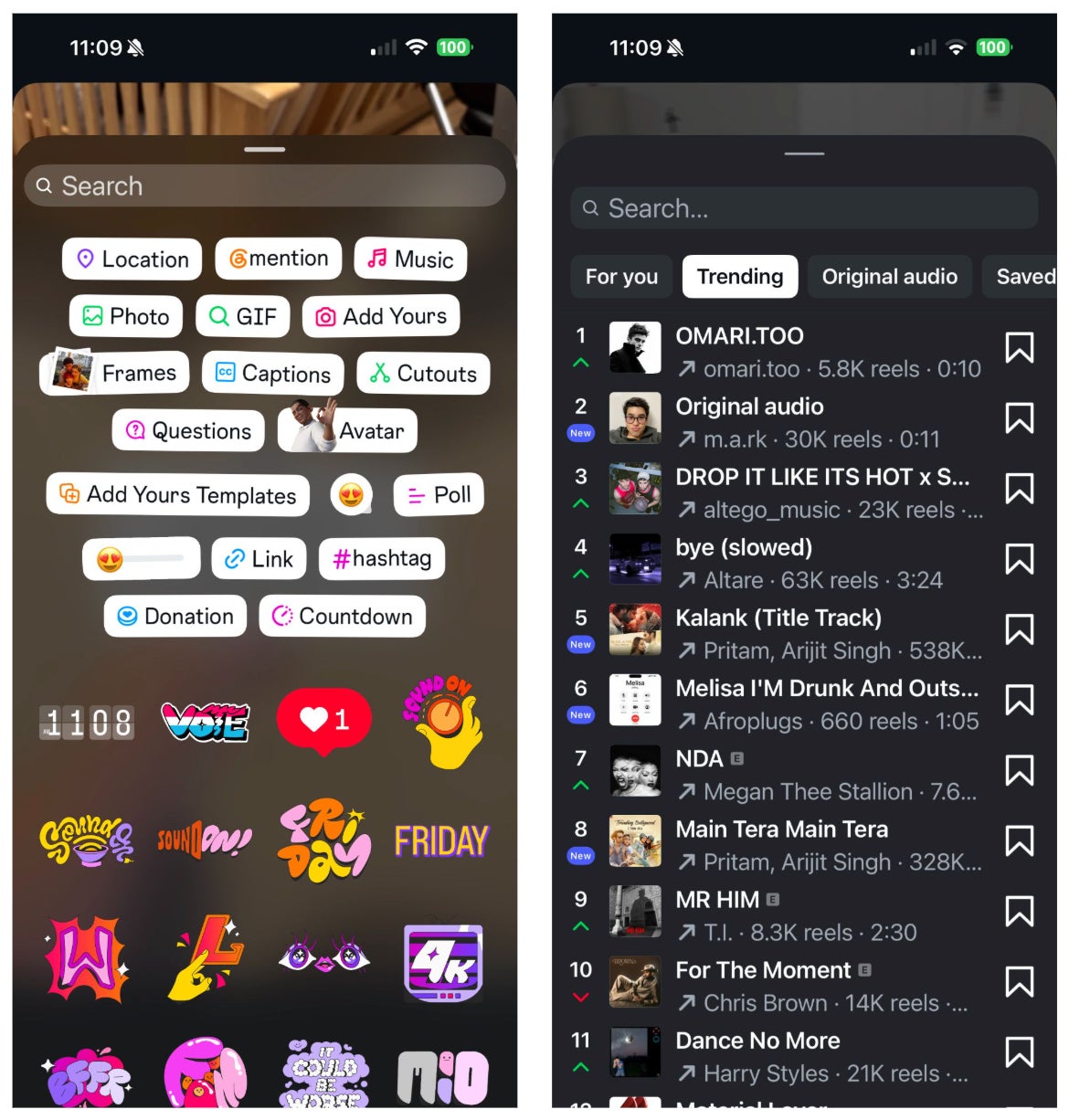
- Strategic Audio: Use trending sounds to signal to the algorithm that your content is current, but ensure your brand voice remains clear through original voiceovers or text-to-speech tools.
Data-Driven Decisions: The Role of Analytics
Gut feeling is not a strategy. The most successful brands on Instagram rely on "post-level performance reports" to refine their approach. By analyzing which formats, captions, and posting times yield the highest impressions and profile clicks, you can move away from vanity metrics—like total followers—and toward business-impacting metrics like conversion and engagement rate.
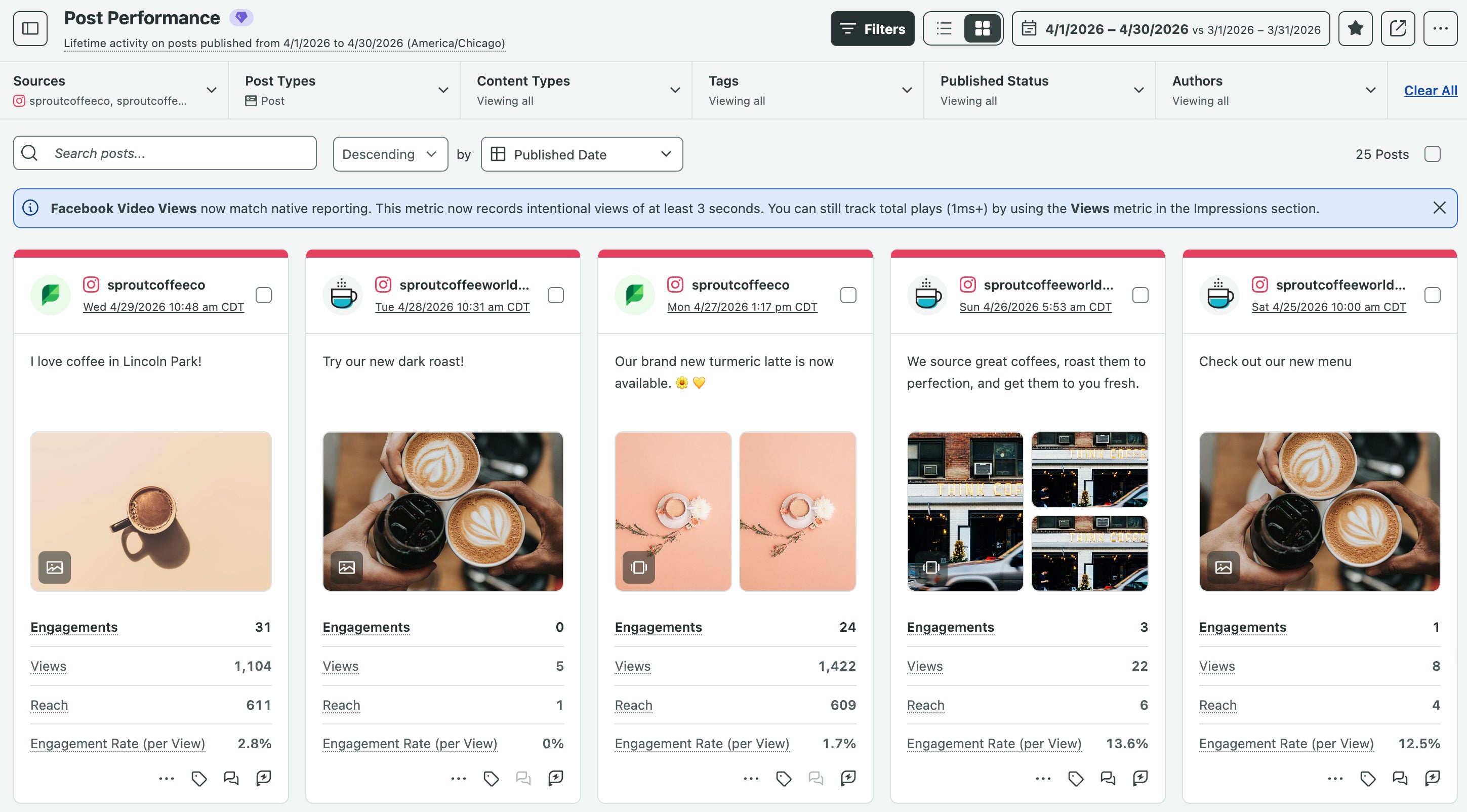
According to the 2025 Sprout Social Index, 65% of consumers are more likely to interact with brands that maintain a strong, consistent social presence. This is only possible if you are constantly testing and iterating based on data. If a particular style of carousel is outperforming your static photos, the data will tell you; it is then up to your team to pivot your resources toward what works.
Implications for Modern Teams
The implications for businesses are clear: the barrier to entry for high-quality social media marketing is rising, but the tools to bridge that gap are more accessible than ever.
- Centralization: Teams must move away from manual, multi-app workflows. Centralizing your social strategy into one dashboard reduces errors and ensures brand compliance.
- Timing: The "when" is just as important as the "what." Utilizing "Optimal Send Times" tools ensures your content hits the feed when your audience is most likely to be active, preventing your hard work from being buried by the algorithm.
- AI Integration: With the rise of AI-assisted tools for caption generation and hook brainstorming, marketers are now able to produce more content without sacrificing quality.
Conclusion: Turning Strategy into Impact
Ultimately, Instagram success is a byproduct of preparation. By combining high-quality visuals, intentional captions, and data-backed scheduling, you can turn your Instagram account into a powerful engine for brand awareness and customer acquisition.
Whether you are a solo entrepreneur or part of a growing marketing team, the key is to stop juggling and start strategizing. By centralizing your workflow, you can move beyond the stress of daily posting and focus on the creative storytelling that turns followers into loyal customers.

Frequently Asked Questions (FAQs)
Q: Is it better to post in the morning or the evening?
A: There is no universal "best time." The best time to post is when your specific audience is most active. Tools like Sprout Social’s Optimal Send Times analyze your unique engagement data to pinpoint these windows for you.
Q: Can I schedule Reels in advance?
A: Yes. Advanced social media management platforms allow you to upload, edit, add cover images, and schedule your Reels to go live at the optimal time, ensuring you never miss a trending moment.
Q: How many hashtags should I use?
A: While Instagram allows up to 30, the most effective strategy is to focus on quality over quantity. Use 3–5 highly relevant, niche-specific hashtags that accurately describe the content of the post to help the algorithm categorize it correctly.
Q: Does the "first comment" trick still work?
A: Yes, it remains a best practice for keeping your captions clean. It allows you to maximize searchability without detracting from the brand voice in your primary post description.


 Ammar Sabilarrohman
 Siti Muinah