Nana Wu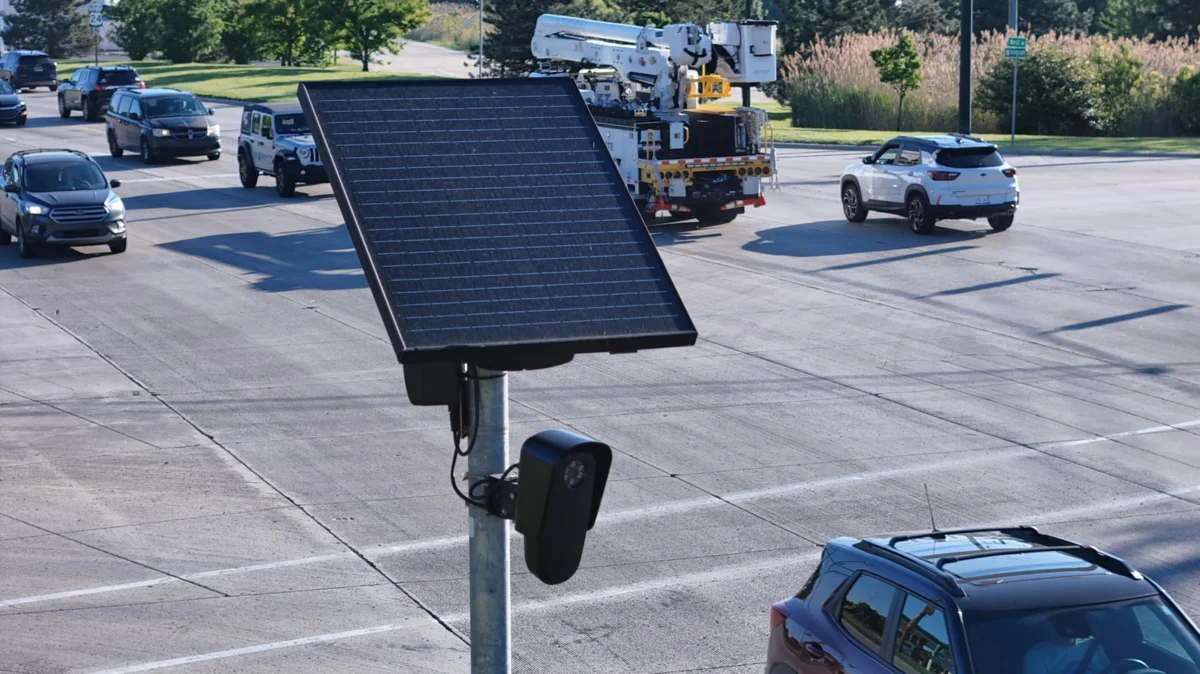
In the modern American landscape, the act of driving has become an increasingly transparent experience. As commuters navigate highways and suburban thoroughfares, they are frequently watched by an invisible, interconnected network of Automated License Plate Readers (ALPRs). Chief among the providers of this technology is Flock Safety, a firm whose cameras have become a ubiquitous presence in public infrastructure.
However, as the scope of this surveillance expands, so too does the resistance. A new, open-source project known as "DeFlock" is arming drivers with the data they need to navigate—and potentially avoid—this growing digital panopticon. By crowdsourcing the precise locations of thousands of cameras, DeFlock has ignited a fierce debate over the balance between public safety and personal privacy.
The Evolution of Traffic Surveillance
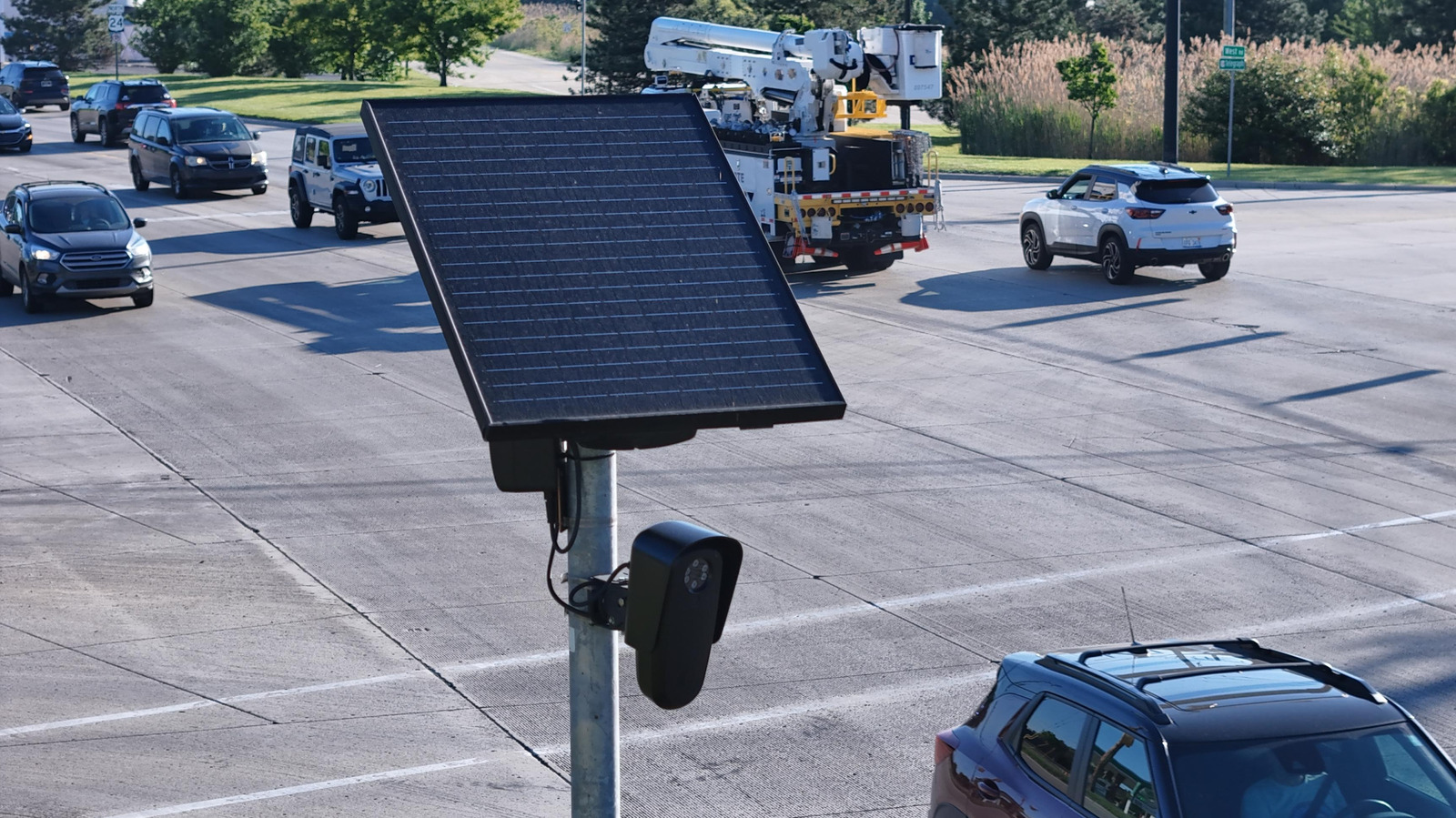
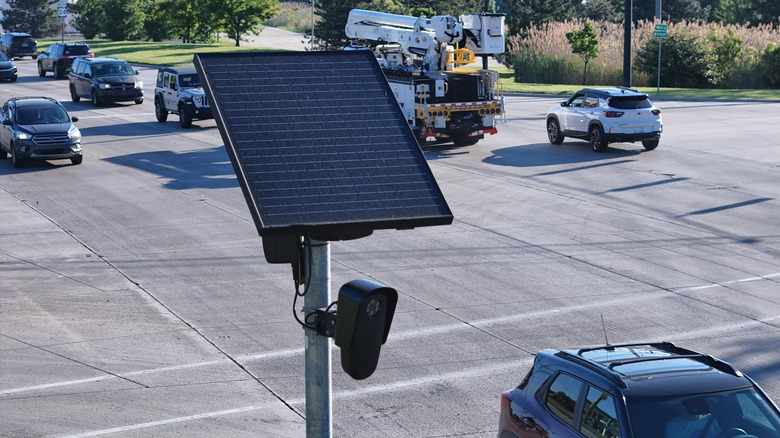
The technology at the heart of this controversy is the ALPR. Unlike traditional traffic cameras designed to catch speeders or red-light runners, Flock Safety’s systems are designed for mass data collection. These cameras do not merely record images; they utilize sophisticated artificial intelligence to capture license plate numbers, vehicle makes, models, and even unique identifying features like bumper stickers or roof racks.
This information is uploaded to a centralized cloud database, creating a searchable history of vehicle movements. For law enforcement agencies, this is touted as a revolutionary tool for solving crimes. For privacy advocates, however, it represents a "mass surveillance dragnet" that monitors law-abiding citizens without suspicion or warrant.
DeFlock: The Crowdsourced Counter-Movement
DeFlock emerged as a grassroots response to the perceived lack of transparency surrounding the deployment of these cameras. As an open-source project, its mission is simple: map the surveillance grid to empower the public.
How the Tool Works
The DeFlock platform serves as a digital atlas for privacy-conscious drivers. By accessing the website, users can input their current location, a city, or a specific zip code to view a mapped interface populated by thousands of data points. Each point represents an identified ALPR system. The platform offers:
- Coordinate Precision: Detailed location data for over 100,000 systems across the United States.
- Technical Context: Information regarding the specific hardware manufacturer of the camera.
- Routing Tools: A feature that allows users to plot a course from point A to point B while intentionally bypassing identified surveillance nodes.
The project relies on a "wisdom of the crowds" model. Because it is open-source, users can contribute new camera sightings, effectively turning the act of driving into a collaborative mapping exercise. While Flock Safety attempted to stifle this effort in early 2025 by issuing a cease-and-desist order, the project remains active, highlighting the difficulty of "shutting down" a decentralized, user-driven database.
Chronology of the Surveillance Debate
The rise of private-sector traffic surveillance has been marked by a series of rapid deployments and subsequent legal challenges.
- 2017–2020: Flock Safety begins its aggressive expansion, partnering with homeowners’ associations and municipal police departments. The marketing focuses on "solving crime" and "protecting neighborhoods."
- 2021–2023: As cameras proliferate, local news outlets begin reporting on the lack of oversight. Privacy concerns grow as it becomes clear that data sharing between agencies is becoming commonplace, often bypassing local privacy ordinances.
- 2024: The emergence of DeFlock signifies a shift in public sentiment. The conversation moves from abstract concerns about "privacy" to tangible, actionable avoidance of surveillance infrastructure.
- Early 2025: Flock Safety issues legal threats against the creators of DeFlock, citing proprietary mapping and business interference. The move fails to curb the project’s growth, leading to a broader public debate about the "ownership" of public space data.
The Case for Safety: Flock’s Data
Flock Safety maintains that the benefits of their technology far outweigh the privacy concerns. According to the company’s 2025 Impact Census, which compiled data from nearly 700 law enforcement agencies across 43 states, the company’s systems were instrumental in solving 20% of cleared criminal cases in participating jurisdictions.
The company further bolsters its argument with humanitarian metrics. Flock claims that their cameras have assisted in the recovery of thousands of missing persons and the identification of stolen vehicles that would have otherwise gone unnoticed. For many municipalities, the ability to provide an immediate "lead" in a criminal investigation—such as identifying a getaway car in seconds rather than hours—is considered a non-negotiable asset for public safety.
The Skeptic’s Rebuttal: Lack of Independent Verification
Despite the company’s impressive statistics, critics like the team behind DeFlock argue that the data is fundamentally biased. They point to two major issues:
- The Echo Chamber Effect: Critics argue that the "Impact Census" and similar reports are produced internally or by agencies that have a vested financial interest in justifying the continued funding of the technology. They contend there is a lack of rigorous, peer-reviewed, independent research to confirm that these cameras actually reduce crime rates over the long term.
- Displacement vs. Deterrence: There is ongoing debate among sociologists regarding whether surveillance truly deters crime or simply displaces it. If a street is under constant watch, does the crime stop, or does it simply move to a residential area that lacks the funding for expensive camera systems?
Implications for Privacy and Civil Liberties
The core of the conflict lies in the nature of the data collected. Flock cameras capture significantly more than just a license plate. The system can track a vehicle’s behavior over time, effectively building a profile of an individual’s lifestyle: where they work, where they worship, which medical clinics they visit, and who they associate with.
The Problem of "Mission Creep"
"Mission creep" is a term often used by privacy advocates to describe how technology initially introduced for high-stakes law enforcement—such as finding stolen vehicles—is eventually used for low-stakes monitoring. For instance, there are concerns that this data could eventually be used to track individuals participating in political protests, or that it could be sold to third-party data brokers, creating a commercial market for the movement history of private citizens.
Legal and Constitutional Gray Areas
The legal landscape is struggling to keep pace with the technology. In the United States, the Fourth Amendment protects against unreasonable search and seizure, but the courts have historically been more lenient regarding data collected in "plain view" in public spaces. However, the scale of this collection—the ability to aggregate millions of data points into a singular, searchable profile—is unprecedented. Critics argue that this constitutes a "mosaic theory" violation, where the collection of many small, non-invasive data points creates an invasive portrait that should be protected by a warrant.
Looking Forward: A Fractured Infrastructure
The battle between companies like Flock and initiatives like DeFlock reflects a growing cultural divide in the digital age. On one side, a society that increasingly prioritizes "security-as-a-service," where technological solutions are bought and sold to mitigate the risks of modern life. On the other, a citizenry that is becoming hyper-aware of the data they generate and is taking proactive steps to obscure their digital footprint.
As cities continue to debate whether to renew contracts with surveillance firms, the existence of DeFlock changes the math. Public officials are no longer just answering to the police and the camera vendors; they are answering to a public that now has the tools to see exactly how their movements are being tracked. Whether this leads to stricter regulation, more transparent data-handling policies, or a total rejection of the technology, one thing is certain: the era of "invisible" surveillance is coming to an end. The digital map of the streets is now being drawn by the people, not just the providers.

 Jia Lissa
 Iffa Jayyana