Evan Lee Salim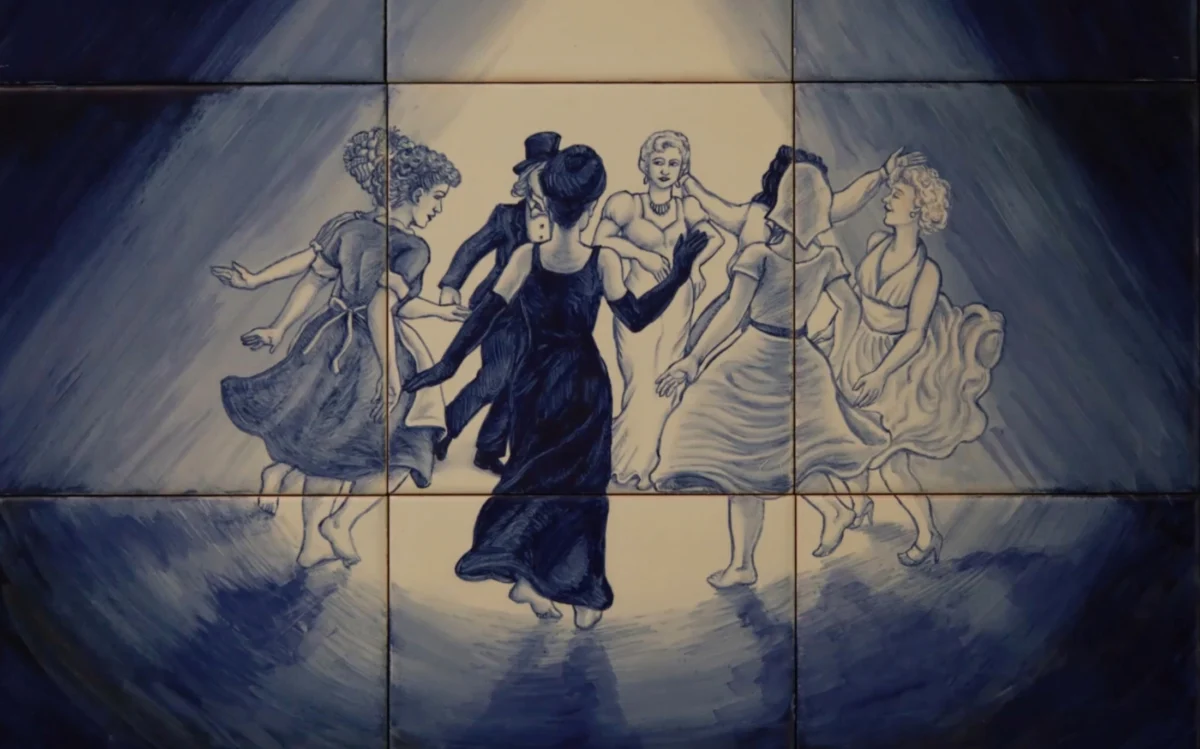
In the sun-drenched valleys of Portugal, the azulejo—the iconic tin-glazed ceramic tile—has long served as a silent guardian of history. Adorning the facades of cathedrals, palaces, and humble dwellings, these fixed, geometric motifs typically immortalize saints, royal lineages, and the stoic, silent figures of religious iconography. However, an audacious new project is set to shatter this stillness.
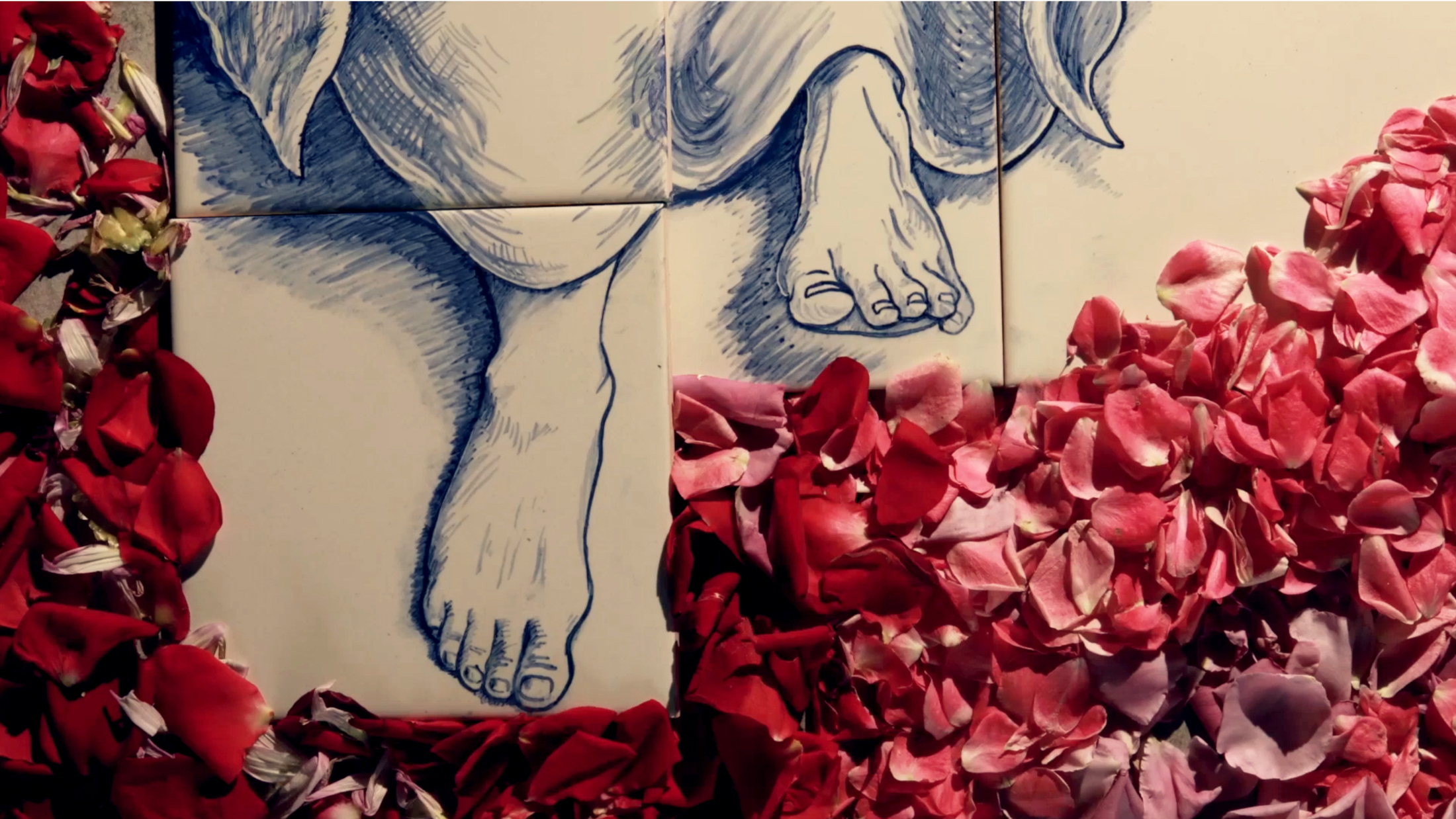
Virgin Fandango, an 11-minute animated short film by acclaimed producer and director Marcy Page, breathes kinetic life into these ceramic canvases. Premiering at next month’s Annecy International Animation Film Festival, the film represents a monumental marriage of traditional Portuguese craft and contemporary stop-motion innovation, transforming the static image of the Virgin Mary into a dynamic, dancing symbol of female empowerment.
The Genesis of a Ceramic Revolution
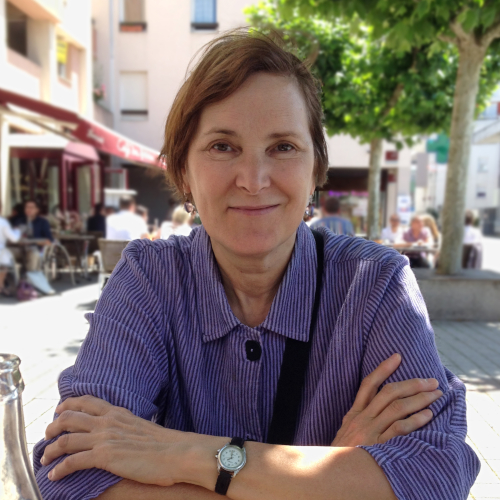
The project finds its roots in the personal life of Marcy Page, an American-Canadian luminary known for her storied career at the National Film Board of Canada. During a transformative sabbatical in Portugal, where she resided with renowned animators Abi Feijó and Regina Pessoa, Page found herself captivated by the ubiquity of azulejos.
"We were surrounded by these beautiful tiles, and I wanted to do something with them—to see how an animated painted-tile film could work," Page explained in an exclusive interview with Cartoon Brew.
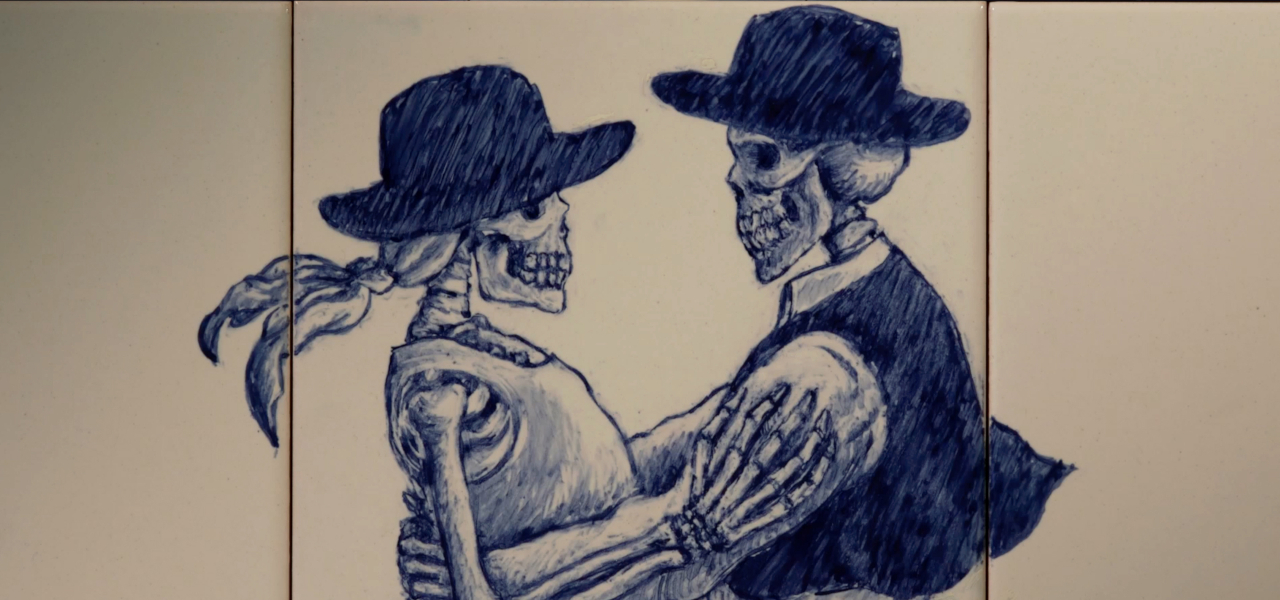
The creative spark, however, was as political as it was aesthetic. Observing that traditional tile murals were almost exclusively dedicated to the glorification of men—kings, saints, and religious leaders—Page sought to disrupt the narrative. She fixated on the figure of Mary, mother of Jesus, traditionally depicted in these murals as an acquiescent, mute vessel. Page envisioned a reclamation: what if the Virgin were a rebellious, political force? What if she were a woman with something to say?
A Monumental Production: 12,000 Tiles and a Village
The production of Virgin Fandango was, by any industry standard, an undertaking of Herculean proportions. Co-produced by Portugal’s Ciclopes Filmes and Canada’s Blue Dada Productions, the film required the creation and manipulation of over 12,000 individual tiles.
The Technical Evolution
The technical demands of the film required a departure from traditional animation norms. Page, who came from a 2D animation background, had to adapt to the physical constraints of stop-motion. A significant breakthrough arrived via a "low-tech" solution proposed by Regina Pessoa: using a mini-projector to cast animation drawings frame-by-frame onto the tiles. This allowed Page to trace and paint with precise registration before physically manipulating the ceramics.
The process was both additive and subtractive. Artists would paint onto the tiles, but could also scratch away layers to create movement and texture. This duality meant that every frame was a handcrafted labor of love.
Engineering the "Set"
Composer and co-producer Normand Roger, a legendary figure in the animation world, noted that the registration process during shooting was the film’s greatest hurdle. Unlike traditional cells, which rely on standard sprockets for alignment, tiles are heavy, uneven, and fragile. The team had to build bespoke frames for every scene to ensure that when one tile was swapped for another, the transition was seamless.
In some instances, the crew had to mount cameras on ceilings or construct multi-level tables to achieve the necessary perspective. The result is a film that feels both intimate and expansive, moving from the microscopic detail of a painted eye to sweeping, wide-angle movements across a mosaic landscape.
A Musical Manifesto
Virgin Fandango is not merely an exercise in visual craft; it is a musical, a form Page felt was essential to capturing the spirit of her protagonist. The score, crafted by Normand Roger, serves as the rhythmic backbone of the film.
"Marcy started with the lyrics," Roger shared. "By the time I joined, three-quarters of the main song was written. We toyed with the idea of hiring a professional singer, but as Marcy continued to record scratch tracks to time the edits, it became clear that her own voice carried the necessary authenticity."
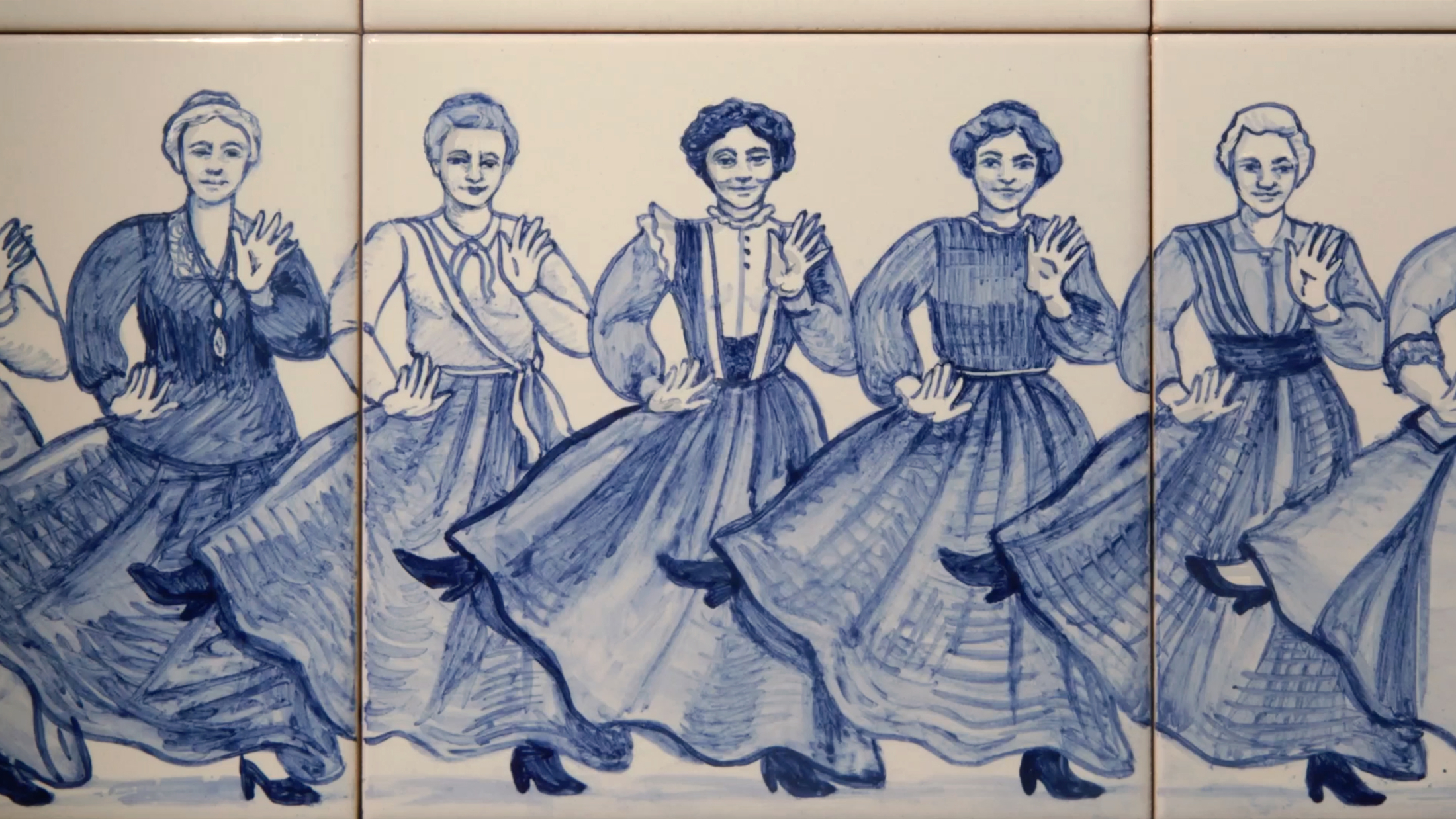
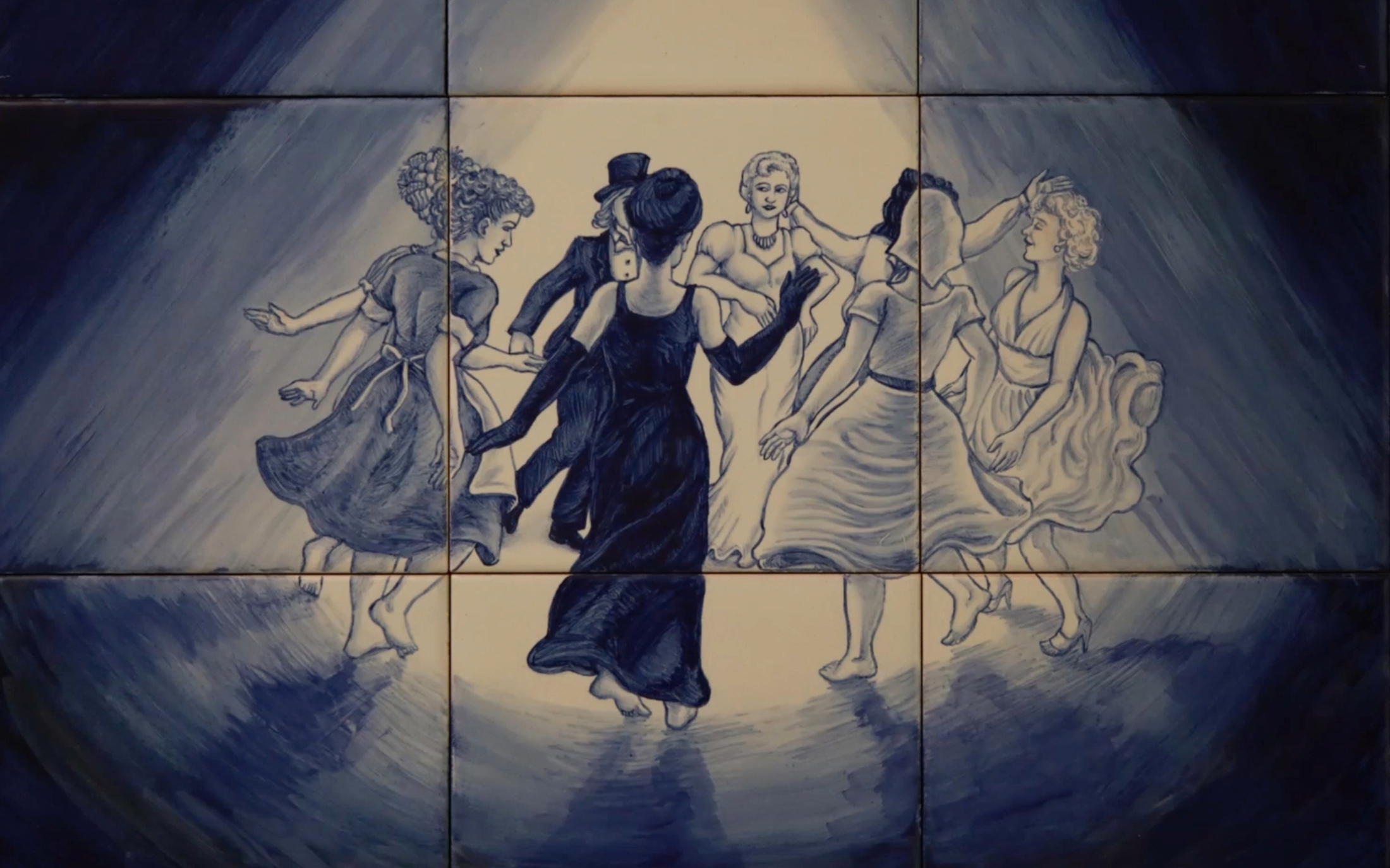
The song, and the accompanying dance, serves as a bridge between the historical Mary and the modern female experience. By incorporating visual nods to over 170 historical women and female animation artists, the film acts as a sprawling, artistic genealogy of resistance.
The Intersection of Producer and Director
For Marcy Page, Virgin Fandango represented a duality of roles that occasionally threatened to derail the project. Balancing the "director’s dream" with the "producer’s nightmare" meant managing a budget and timeline that ballooned as the creative vision expanded from a five-minute concept to an 11-minute narrative.
"I’d say the producer was very frustrated with the director," Page admits with a laugh. "I think I made every mistake that would have driven me crazy as a producer."
Fortunately, the collaborative environment provided a necessary check on her impulses. With Abi Feijó’s expertise in working with animators and Normand Roger’s steady hand in production, the project benefited from a "Portuguese village" of talent. This independent, co-production model allowed for the creative evolution of the film, ensuring that the final output remained true to its experimental roots rather than being stifled by corporate rigidness.
Implications: Reimagining the Sacred
The release of Virgin Fandango comes at a time of heightened global discourse regarding women’s rights. Page began the project during the first presidency of Donald Trump, a period she describes as "heartbreaking" due to the systemic attacks on reproductive rights and gender equality.
By framing Mary as a refugee—fleeing to Egypt with a child and raising a "rebel prophet"—Page successfully pivots from the religious to the political. The film posits that the historical Mary would have been intimately acquainted with state violence, displacement, and the struggle for survival.
"We can’t take anything for granted," Page notes. "The lifelong fight for women’s rights was a major inspiration. In that sense, Virgin Fandango celebrates the vast history of women who stood up for themselves."
Conclusion: The Magic of the Move
As the animation community prepares for the premiere at Annecy, the impact of Virgin Fandango is already being felt. By synthesizing the ancient craft of the azulejo with the fluid, transcendent nature of stop-motion, Page has created a work that challenges the boundaries of its medium.
For Page, the project was ultimately a homecoming—a return to the visceral act of drawing and the "magic" of making the inanimate move. As she reflects on the finished product, it is clear that the 12,000 tiles were never just about the surface area. They were about the weight of history, the persistence of memory, and the necessity of dance in the face of adversity.
With Virgin Fandango, the static tiles of Portugal are no longer silent. They are singing, moving, and, above all, resisting.


 Jia Lissa
 Muslim