

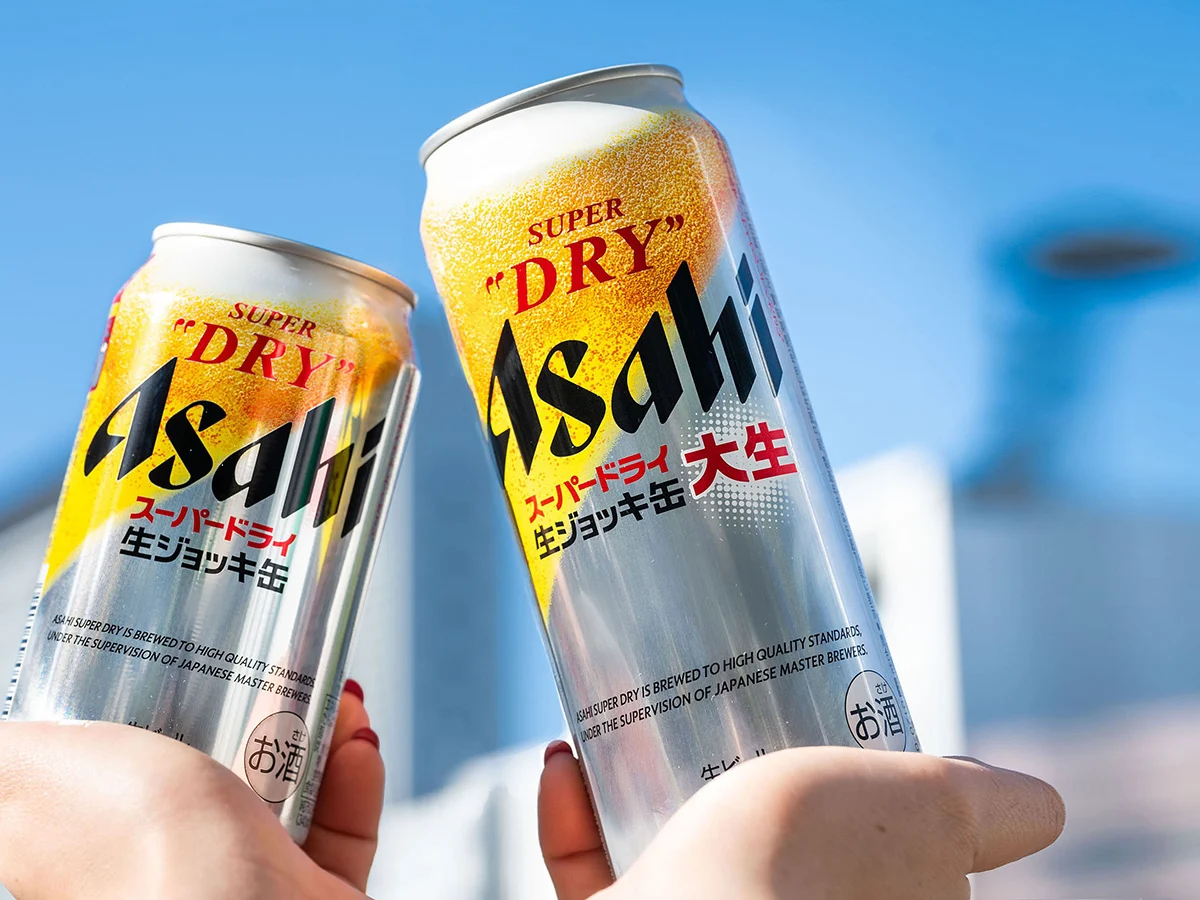
For travelers and locals alike, the quintessential Japanese beer experience is inextricably linked to the izakaya—the bustling, lantern-lit taverns where the clinking of glasses and the pouring of crisp, golden lager create an atmosphere of conviviality. At the heart of this experience is nama (draft) beer. Served fresh from the tap with a perfectly calibrated, frothy "head," Japanese draft beer is celebrated for its aesthetic beauty, mellow flavor, and refreshing bite.
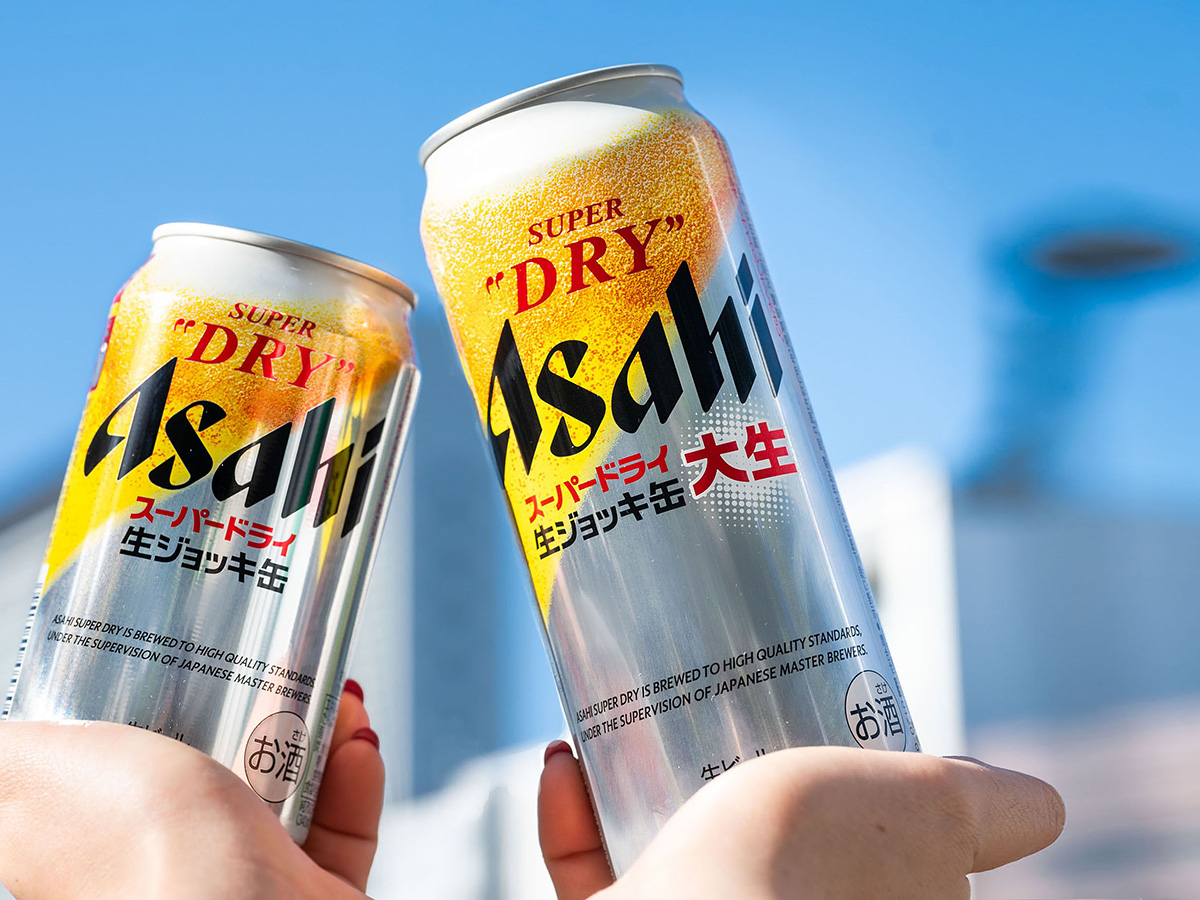
However, the modern pace of life—and travel—rarely permits a leisurely afternoon spent at a pub. Recognizing this gap between the desire for a premium draft experience and the convenience of canned retail, Japanese brewing giant Asahi Breweries, Ltd. has introduced a paradigm shift in beverage packaging: the Asahi Super Dry Nama Jokki Can.

The Engineering of a Draft Experience
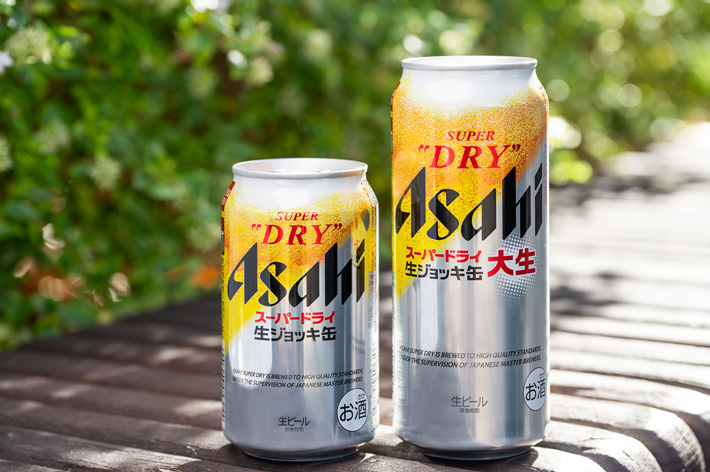
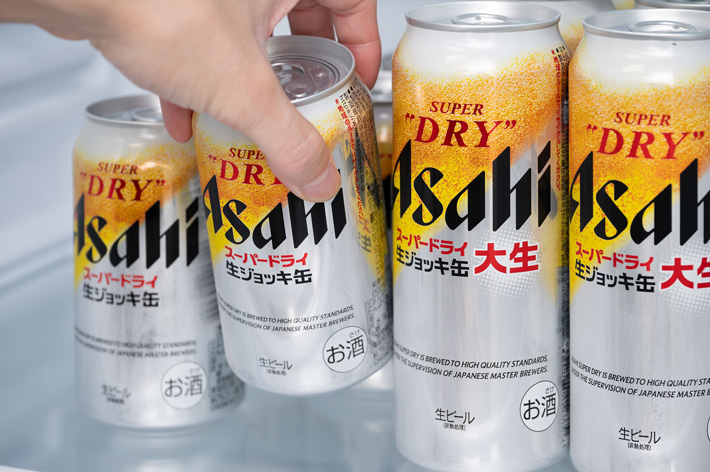
The Asahi Super Dry Nama Jokki Can represents a significant leap in food-tech engineering. By all outward appearances, it resembles a standard 340ml or 485ml aluminum can of Asahi Super Dry. Yet, a closer inspection reveals a radical departure from traditional design. The entire lid of the can is engineered to peel away, creating a wide-mouth opening that mimics the rim of a beer mug, or jokki.
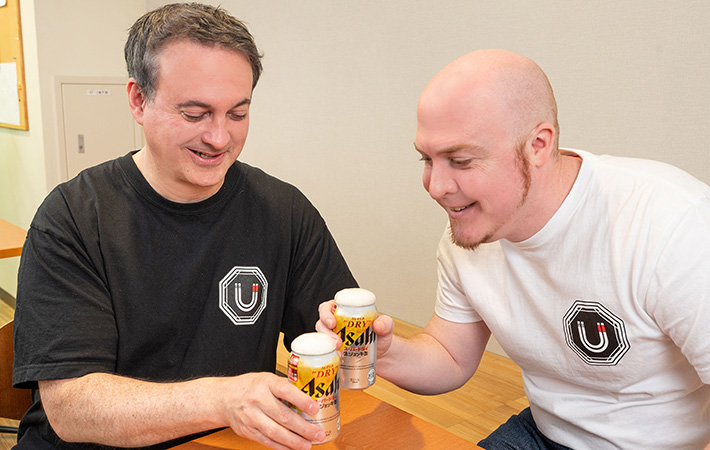
The true genius, however, lies beneath the surface. The interior of the can is treated with a specialized, proprietary coating that induces the rapid formation of microscopic bubbles when the seal is broken. As the internal pressure equalizes, these bubbles rise to create a dense, creamy, and long-lasting foam head—a feat previously reserved for high-end draft dispensing machines found in professional bars.

A Chronology of Innovation
The development of the Nama Jokki Can was not an overnight success but a result of years of research and development aimed at solving the "canned beer compromise."

- Pre-2020: Asahi Breweries identifies a stagnation in the domestic canned beer market, noting that while consumers enjoy the convenience of cans, they perceive a "sensory deficit" compared to draft beer served in glassware.
- October 2021: Asahi officially launches the Nama Jokki Can, marketed as the world’s first canned beer that naturally develops a creamy head upon opening. The release is met with unprecedented demand, causing nationwide sell-outs and forcing the company to temporarily suspend sales to stabilize supply chains.
- 2022-2023: Asahi optimizes production, expanding the availability of both the 340ml and 485ml formats. The product becomes a staple of Japanese convenience store culture and a viral sensation on global social media platforms.
- Present Day: The Nama Jokki Can has cemented its status as a cultural phenomenon, changing how beer enthusiasts perceive the boundaries of "at-home" drinking.
Supporting Data and Technical Specifications
According to data verified by Mintel and Asahi’s own internal quality control, the Nama Jokki Can functions on the principles of gas-liquid dynamics. The wide-mouth design does more than simply provide a sensory experience; it allows for a faster rate of flow, which interacts with the textured interior walls of the can to stimulate carbonation release.

The foam head, or awa in Japanese, serves a functional purpose beyond aesthetics. It acts as a protective barrier, preventing the carbonation from escaping and shielding the beer from oxygen, which can alter the flavor profile. By generating this head naturally, the can ensures that the beer maintains its signature "Super Dry" sharpness—a crisp, clean finish that cuts through the rich flavors of Japanese cuisine—from the first sip to the last.
Official Responses and Industry Impact
Industry analysts have noted that the success of the Nama Jokki Can has forced competitors to re-examine the "canned experience." Asahi Breweries has framed the product as a "lifestyle solution" rather than just a beverage innovation.
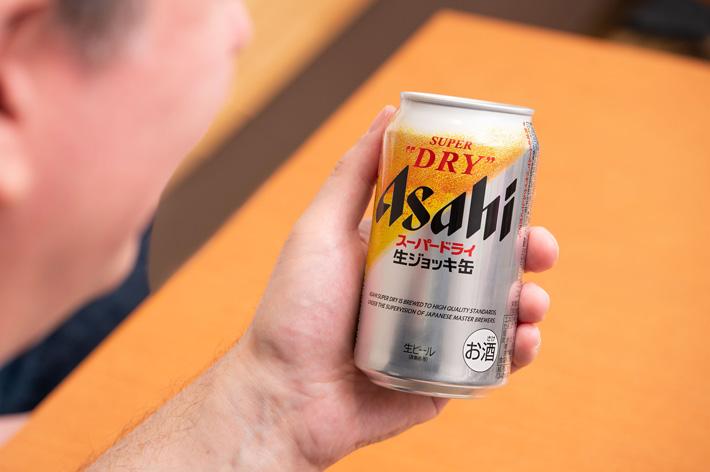
"Our goal was to bridge the gap between the professional tavern and the private living room," a spokesperson for Asahi noted during the product’s expansion phase. "We realized that the enjoyment of beer is 50% flavor and 50% ritual. By democratizing the draft beer ritual, we have allowed our customers to elevate their everyday experiences, whether they are enjoying a meal in a hotel room or watching the cherry blossoms in a park."

Consumer sentiment, as observed by beer enthusiasts and industry bloggers, has been overwhelmingly positive. The "safety-first" design of the wide-rimmed opening—which features rounded, non-abrasive edges—has been praised for its user-centric approach, ensuring that the act of drinking is as comfortable as it is satisfying.
The Implications for Global Beer Culture
The implications of the Nama Jokki Can reach far beyond the borders of Japan. As travelers increasingly seek "authentic" experiences that they can integrate into their own lives, this product has emerged as a premier souvenir. It represents a "portable izakaya," allowing individuals to transport the specific atmosphere of a Japanese night out back to their home countries.

Furthermore, it challenges the long-standing stigma that canned beer is inherently inferior to bottled or kegged beer. By utilizing advanced materials science, Asahi has proven that packaging design can significantly influence the perception of quality. For the global beer industry, the Nama Jokki Can serves as a blueprint for how legacy brands can revitalize their product lines through high-tech, user-focused design.
How to Best Enjoy the Nama Jokki Experience
For those currently traveling in Japan or planning a trip, experts recommend a few best practices to maximize the Nama Jokki experience:

- Temperature Control: The foam generation process is highly sensitive to temperature. The beer should be chilled in a refrigerator for several hours. If the beer is too warm, the carbonation will dissipate too quickly; if it is too cold, the foam may be overly dense. The "sweet spot" is roughly between 4°C and 8°C.
- The Opening Ritual: When opening the can, it is important to do so slowly. The act of pulling the tab and peeling back the lid is part of the experience. The change in pressure is what triggers the creamy head to rise.
- The Environment: While it is perfectly acceptable to drink the beer directly from the can, the Nama Jokki Can is designed to be a companion to food. Pair it with standard konbini (convenience store) fare such as karaage (fried chicken) or onigiri for the quintessential "Japanese traveler" meal.
- Recycling: As with all travel in Japan, environmental stewardship is paramount. Once the beverage is consumed, ensure the aluminum can is placed in the appropriate recycling bin, as Japan’s waste management systems are highly efficient and reliant on proper consumer cooperation.
A Final Note on Responsibility
While the Asahi Super Dry Nama Jokki Can offers a novel and exciting way to enjoy a beverage, it is essential to remember that it is a product containing alcohol. Underage drinking (prohibited for those under 20 in Japan) and drink-driving are strictly enforced. As with any social activity involving alcohol, moderation is the key to maintaining the enjoyment and the safety of your travels.

As you navigate the vibrant streets of Tokyo, the historic alleys of Kyoto, or the mountainous landscapes of Hokkaido, consider the Nama Jokki Can not just as a drink, but as a testament to the intersection of Japanese tradition and modern engineering. It is an invitation to pause, to celebrate the moment, and to enjoy the perfect pour—anytime, anywhere.












No comments yet. Be the first to join the conversation!