

By Giovanni Colantonio
Published May 17, 2026, 8:30 AM EDT
Image: Nintendo via Polygon
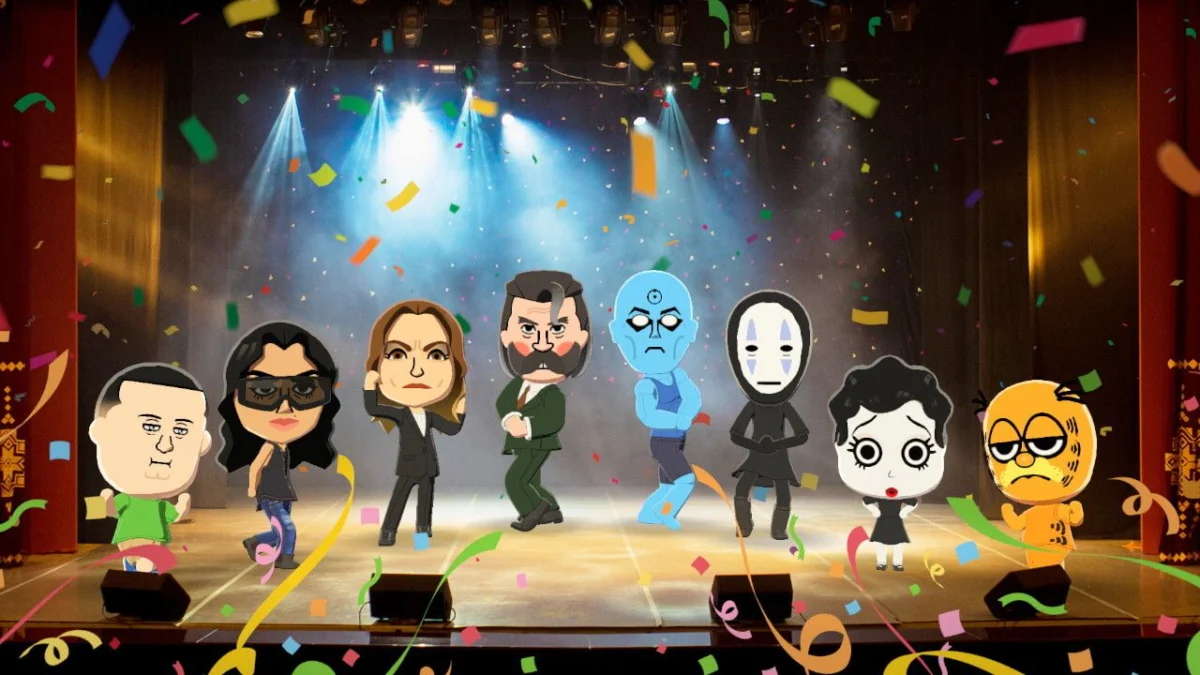
One month after its highly anticipated launch, Tomodachi Life: Living the Dream has not merely delivered a sequel to a beloved cult classic; it has ignited a digital renaissance, transforming a seemingly offline life simulation into an vibrant, interconnected social phenomenon. The game, released on April 16, 2026, has seen its community of players leverage Miis, memes, and an insatiable desire for creative expression to forge a unique online ecosystem, proving that the deepest connections can emerge from the most absurd digital realities.
The original Tomodachi Life on the Nintendo 3DS carved out a niche as a quirky, often surreal, life simulator, selling over 6.7 million copies and cementing its status as a significant, albeit unconventional, hit. For 13 long years—a wait that eclipsed even the most ardent pleas for a new Star Fox title—fans yearned for a follow-up. That pent-up anticipation erupted with Living the Dream, propelling it to an impressive 3.8 million units sold in its first two weeks alone. Yet, the story of Living the Dream isn’t just about sales figures; it’s about the extraordinary lengths its dedicated community has gone to enrich, expand, and redefine its experience.
A Legacy Reborn: The Thirteen-Year Wait for "Living the Dream"
The Cult Phenomenon of the Original
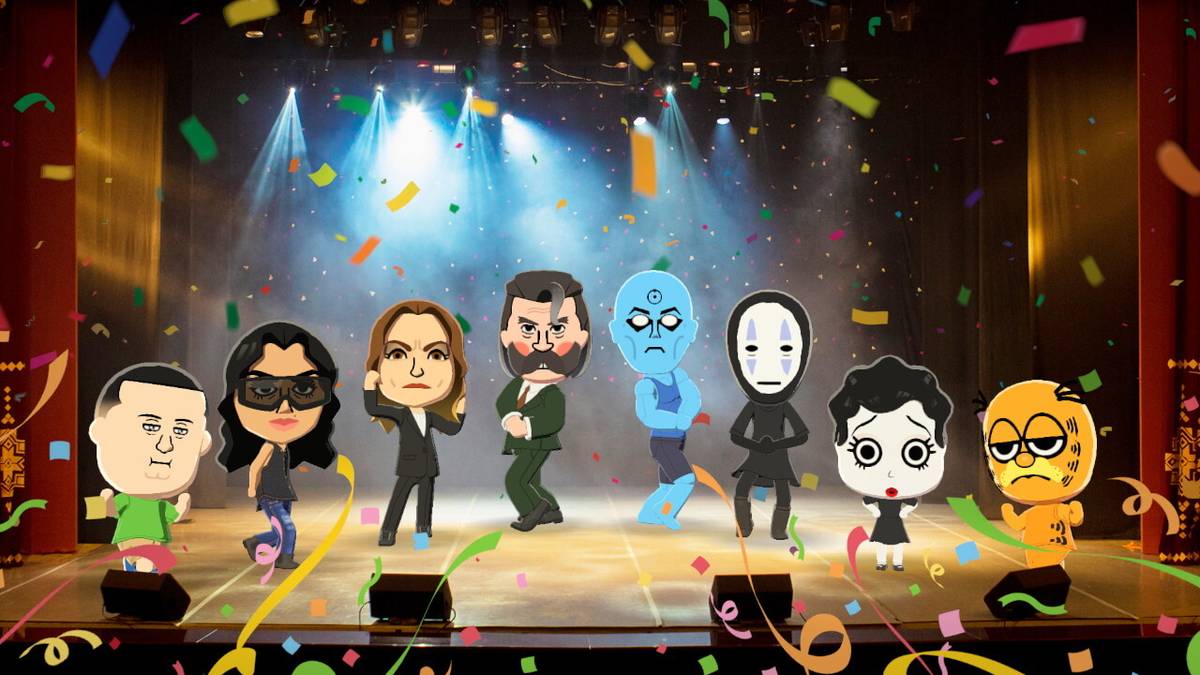
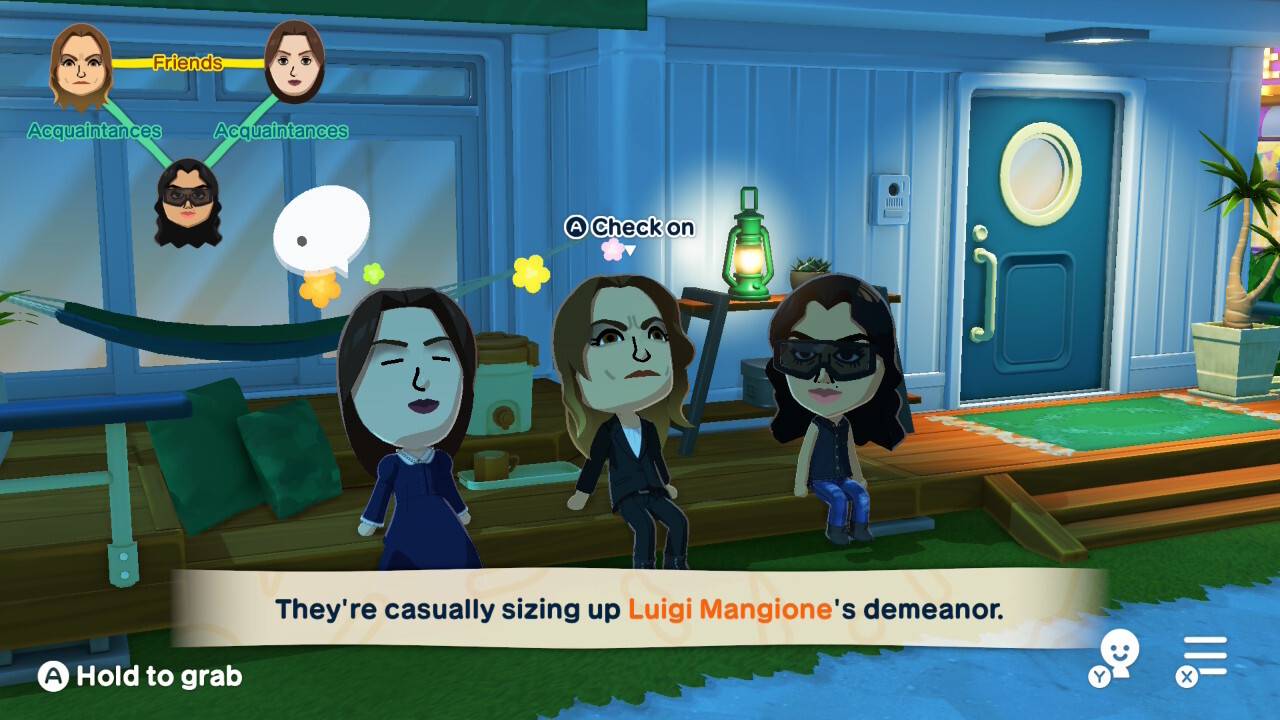
The first Tomodachi Life was a peculiar beast, a game where players populated an island with Miis – avatars often designed to resemble friends, family, celebrities, or fictional characters – and then observed their bizarre, unscripted lives unfold. From unexpected romances to sudden rap battles, the game’s charm lay in its unpredictability and the sheer absurdity generated by juxtaposing familiar faces with outlandish scenarios. It was a digital dollhouse where the dolls developed personalities, formed relationships, and occasionally broke into song, all dictated by a whimsical, often nonsensical, algorithm. This unique blend of personal connection and emergent storytelling captivated a dedicated fanbase, establishing a fervent longing for a successor.
Unprecedented Anticipation and Record-Breaking Launch
The 13-year hiatus between titles only amplified this desire. In an industry often criticized for its rapid iteration of popular franchises, Nintendo’s silence on Tomodachi Life became a testament to its unique position. When Living the Dream was finally announced, it wasn’t just another game; it was the return of a beloved, idiosyncratic friend. This monumental anticipation translated directly into commercial success, with the game quickly becoming one of the fastest-selling titles of the year. Beyond the numbers, however, the launch signaled the awakening of a community ready to dive back into the strange, wonderful world of Miis.

The Sandbox and the Struggle: "Living the Dream"’s Core Design
Unfettered Creation: The God-Hand Experience
At its core, Tomodachi Life: Living the Dream positions players as the ultimate arbiters of their digital world. The game’s premise is simple yet profound: you are the "hand of God," meticulously crafting a personal reality TV show starring Miis of your own design. The creation suite is the game’s undisputed centerpiece, offering unparalleled freedom. Players can sculpt Miis to uncanny likenesses, imbue them with unique voices and catchphrases, and design custom items – from clothing to furniture, even entire house interiors – pixel by painstaking pixel. This emphasis on user-generated content transforms the game into a blank canvas, where the depth of engagement directly correlates with the player’s creative investment. The more effort poured into crafting unique Miis and items, the richer and more personal the simulation becomes.
A Divisive Shift: Missing Features and Fan Discontent
However, this heightened focus on creation has proven to be a double-edged sword, leading to a polarizing reception among long-time fans. Living the Dream notably jettisons several beloved features from its 3DS predecessor. The iconic Concert Hall, where Miis would spontaneously perform original songs, is absent. Fan-favorite minigames, such as Judgment Hall, have vanished. Perhaps most significantly, the nuances in Mii relationships and interactions feel simplified, reducing the organic, unpredictable drama that defined the original.
Critics and veteran players alike have observed that the sequel often feels like a "Mad Libs simulation," where player-created content is slotted into pre-scripted events, rather than driving truly emergent narratives. This mechanical approach, combined with the complete absence of in-game online sharing features, has left a segment of the community feeling that the game sacrifices some of its predecessor’s raw, weird charm for a more polished, but ultimately less spontaneous, experience. There’s a palpable concern that, without future updates or downloadable content (DLC), Living the Dream might struggle to maintain long-term appeal, risking its potential to be a "flash in the pan" despite its initial success. The author, having logged 30 hours, admits to experiencing this sentiment, noting a creeping repetitiveness in Mii conversations and dream sequences, raising the question of whether it is a genuinely adored game or merely a "pretty good user-generated content machine."
Community Ingenuity: Building Bridges in a Disconnected World
External Tools: The Unofficial Online Platform
The lack of official online features within Living the Dream paradoxically became a catalyst for extraordinary community-driven innovation. Within days of the game’s release, resourceful fans began developing external tools to bridge the gap, effectively transforming an isolated single-player experience into a bustling social platform. Websites like TomodachiShare emerged as central hubs for players to upload and share their meticulously crafted Miis, complete with QR codes for easy import. Tomo Board offered a vital solution for tracking the complex, often chaotic, relationship dynamics within players’ islands.
Perhaps the most impactful fan-made utility is Living the Grid, a site that allows users to convert any image into pixel art, providing a template for recreation within Living the Dream‘s detailed creation suite. These tools are more than just conveniences; they represent a collective effort to enhance the game’s enjoyability, echoing the proactive spirit seen in other online gaming communities, such as the fan-made stalk market trackers for Animal Crossing: New Horizons. This immediate outpouring of fan-developed infrastructure clearly demonstrated a community eager to connect and share, irrespective of Nintendo’s design choices.
From Isolation to Interactivity
The impact of these unofficial platforms cannot be overstated. They transformed Living the Dream from a solitary simulation into a shared creative endeavor. Players were no longer just curating their own islands; they were contributing to a larger, collective tapestry of digital life. This grassroots movement underscored a fundamental truth about modern gaming: even in the absence of built-in multiplayer, communities will find ways to connect and collaborate, especially when a game provides such a fertile ground for personal expression. The act of sharing Miis and creations became a form of social currency, fostering a sense of camaraderie and friendly competition that Nintendo had not explicitly designed but inadvertently enabled through its robust creation tools.

The Crucible of Creativity: Memes, Masterpieces, and Meaning
The Rise of the Meme Generator: Satire and Shock Value
The Tomodachi Life subreddit and various social media platforms quickly became showcases for players’ creative "flexes." The game’s capacity for boundless customization, coupled with its lack of content filters, made it a potent meme generator. Within weeks, the internet was awash with Miis of Avatar: The Last Airbender characters, intricate cross-stitch patterns replicating Pokémon Pokopia on an in-game Switch, and even entire Costco stores meticulously recreated. Each new absurd creation seemed to challenge others to push the boundaries further, fostering an unspoken creative arms race. "I see your 2002 Ford Taurus," one player’s creation seemed to declare, "and raise you the AO3 page for a piece of Goku fan-fiction."
However, this freedom also led to a significant amount of "low-hanging fruit" humor. The game’s first week was dominated by juvenile tomfoolery, with players sharing clips of their Miis uttering the crudest phrases imaginable. This reliance on shock value and easy laughs became a point of contention. As writer Abram Buehner articulated in a sharp critique, "Is it meaningful to put Charlie Kirk on your island, or is it just intoxicating to watch the likes roll in on your post about it?" Buehner’s concern highlighted a legitimate fear that Living the Dream might be reduced to a mere vehicle for viral content, valuing cheap social media engagement over genuine creative expression.
Beyond Cheap Laughs: The Nuance of Collaborative Humor
This critique raises valid questions about the nature of online interaction in an era saturated with social media performance. It’s easy to dismiss such antics as superficial. Yet, as the author observes, there’s often more nuance to "shitposting" than meets the eye. Drawing parallels to "deep-fried meme" groups from the late 2010s, the author notes how such seemingly random collections of memes can evolve into genuine communities. What begins as a quest for likes can transform into a collaborative creative process, where shared jokes and internal references forge a unique language among strangers. This iterative process, where one well-made joke inspires others to "yes, and" the bit, fosters creative workshopping and genuine connection. The goal shifts from mere engagement to making friends laugh in novel ways, revealing a sincerity even in the midst of absurdity.
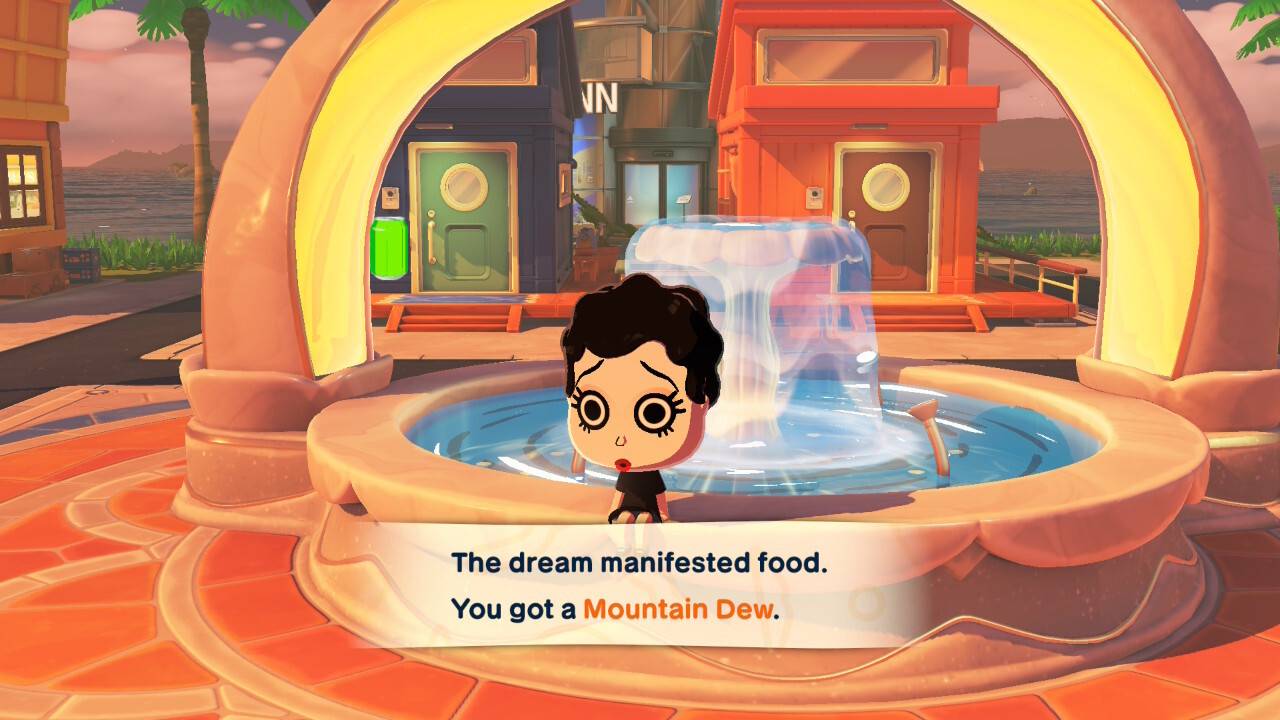
The Tomodachi Life community quickly exemplified this evolution. A prime example is the "cigarette meme." What started with one player sharing in-game cigarettes quickly escalated. The subreddit was inundated with images of newborn Miis clutching Marlboro Reds, while TikTok videos showcased houses transformed into cigarette packs. The culmination was a player meticulously arranging 500 cigarettes on a plate, a reference to a joke from The Orville. This "stupid escalation of an already dumb bit" resonated deeply within the community, becoming a shared moment of collective laughter and a testament to their collaborative spirit.
The Evolution of Artistic Expression
Beyond the humor, the community’s creative journey has also led to truly astonishing artistic achievements. Early on, a Reddit user transformed their Mii house exteriors into perfect replicas of SpongeBob, Squidward, and Patrick’s homes. This sparked a creative "baton-passing," inspiring others to attempt similar feats on grander scales. One player meticulously began transforming their entire island into Mario’s Mushroom Kingdom, recreating Princess Peach’s castle and designing colorful, iconic hills. Most recently, another Reddit user pushed the boundaries further, utilizing the exterior tools to recreate Minecraft‘s distinctive blocky art style across their island. These examples demonstrate a dynamic creative ecosystem, where individual innovations inspire collective progression, pushing the perceived limits of Living the Dream‘s creation suite.
Implications and Future Horizons
Nintendo’s Vision vs. Player Innovation
The story of Tomodachi Life: Living the Dream is, in many ways, a testament to the power of player agency and community innovation. Nintendo’s design philosophy, prioritizing an expansive creation suite over direct online interaction, created a vacuum that players enthusiastically filled. While Nintendo itself has remained largely silent on the community’s external tools and meme culture, their design choices implicitly acknowledge the value of user-generated content. The absence of content filters, for instance, speaks to a trust in the player base, or perhaps a calculated decision to allow the community to self-regulate its eccentricities. This hands-off approach has, ironically, empowered the community to mold the game into something more vibrant and social than its developers perhaps initially envisioned.

Sustaining the Dream: The Path Forward
One month in, the Tomodachi Life community finds itself at an interesting crossroads. The initial novelty of the simulation may be waning for some, with repeated conversations and dream sequences revealing the game’s underlying mechanics. There are fewer truly "new" discoveries and more remixes of existing concepts, albeit with fresh Miis and phrases. However, this doesn’t signal the end, but rather a new phase of creative exploration. The game’s robust creation tools offer an endless canvas, begging to be painted and repainted in countless ways.
The enduring spirit of Tomodachi Life: Living the Dream will ultimately lie in its community’s continued willingness to experiment, share, and evolve. Whether through astonishing pixel art masterpieces or genuinely stupid, yet profoundly communal, memes, the collective act of creation fosters connection. Players hang their works in their online galleries, sparking brilliant new ideas in others or, at the very least, eliciting a much-needed laugh. In an era where digital interaction is increasingly curated and controlled, the wild, unpredictable, and community-driven world of Tomodachi Life: Living the Dream stands as a vibrant testament to the enduring power of human creativity and connection. The dream, it seems, is far from over.











No comments yet. Be the first to join the conversation!