

By Carlos Aguilar | May 13, 2026
In an industry currently defined by the tug-of-war between streaming convenience and the singular power of the big screen, Warner Bros. Pictures Animation (WBPA) has staked a defiant claim for the future of the theatrical experience. During an exclusive open house event held at the studio’s Burbank headquarters—a space historically and symbolically dubbed "Termite Terrace"—executives unveiled an ambitious, high-velocity roadmap that seeks to reconcile the studio’s storied past with a bold, contemporary vision for feature animation.
The gathering, which brought together a mix of animation industry veterans, creative talent, and members of the press, served as a formal declaration of intent. Following years of organizational shifts and market uncertainty, WBPA is repositioning itself as a powerhouse of "bold, modern animated films" designed specifically to lure global audiences back into cinema seats.
A Vision for the Big Screen: The Core Mandate
The primary architect of this new direction, Pam Abdy, co-chair and CEO of Warner Bros. Motion Picture Group, set the stage with a clear mission statement. Addressing the attendees, Abdy emphasized that the studio’s new mandate is not merely to produce content, but to curate a "diverse slate of animated films that connect across generations."
"Our slate is intentionally balanced with reimagined beloved properties through a contemporary lens, while also investing in original storytelling that feels distinctive," Abdy stated. She noted that the studio is intentionally avoiding a "single tone or look," opting instead for a variety of artistic approaches that prioritize depth, sophistication for adult viewers, and "family-friendly" entertainment that possesses the staying power to become a classic.
For Abdy, animation is not just a sub-genre; it is the "foundational piece" of the future of theatrical exhibition. She noted that for many children, animated features serve as the primary introduction to the communal magic of a movie theater. By investing in these projects, the studio is making a calculated bet on the longevity of the theatrical model in an increasingly fragmented digital age.
The Chronology of Change: From "The Day the Earth Blew Up" to a Rejuvenated Future
To understand the weight of this announcement, one must look at the recent, tumultuous history of the Warner Bros. animation department. The studio has faced public scrutiny in recent years regarding the handling of several high-profile projects. The sale of The Day the Earth Blew Up and the infamous shelving and subsequent sale of Coyote vs. Acme to Ketchup Entertainment—a deal that ironically provided Ketchup with the capital to bolster its own distribution capabilities—left many industry observers questioning the studio’s commitment to its own intellectual property.
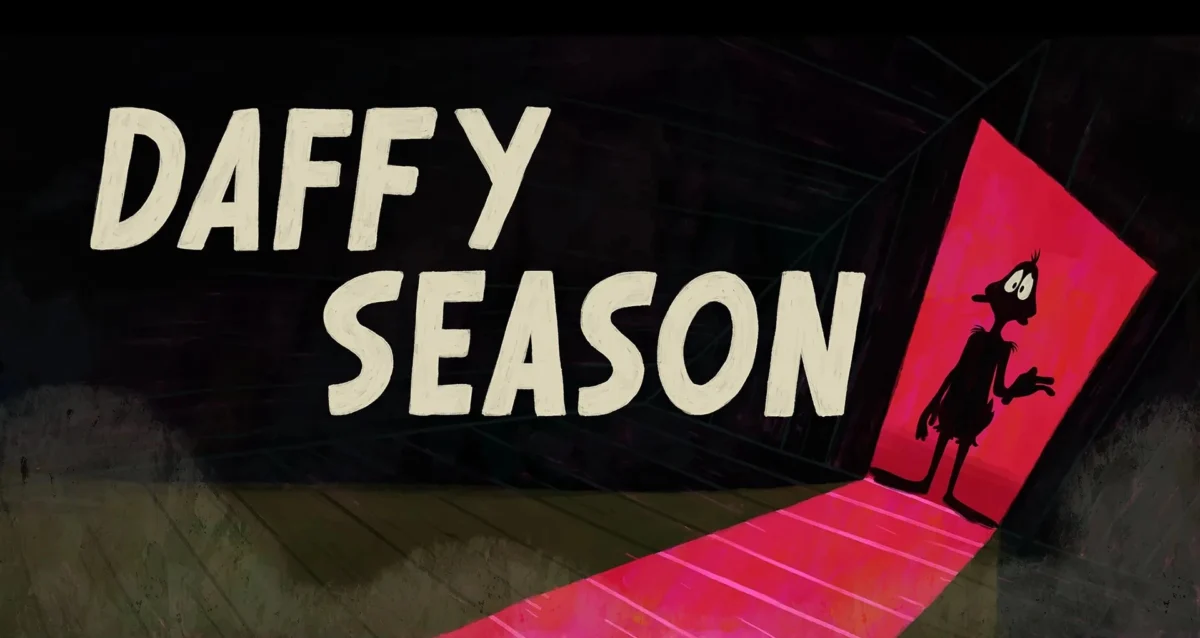
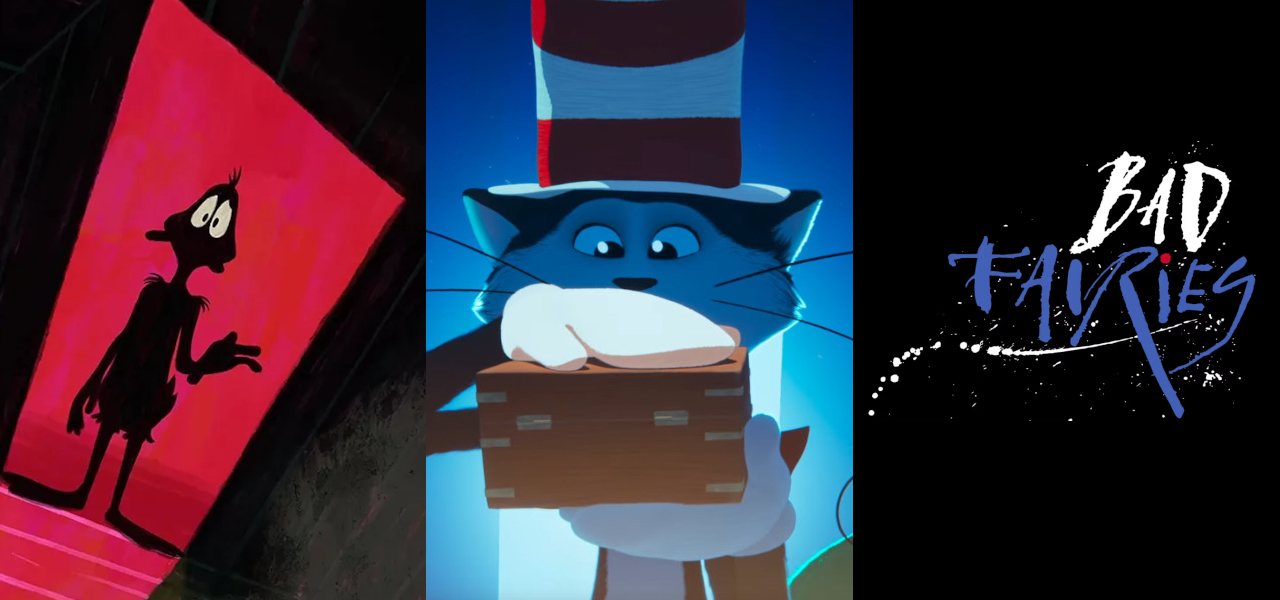
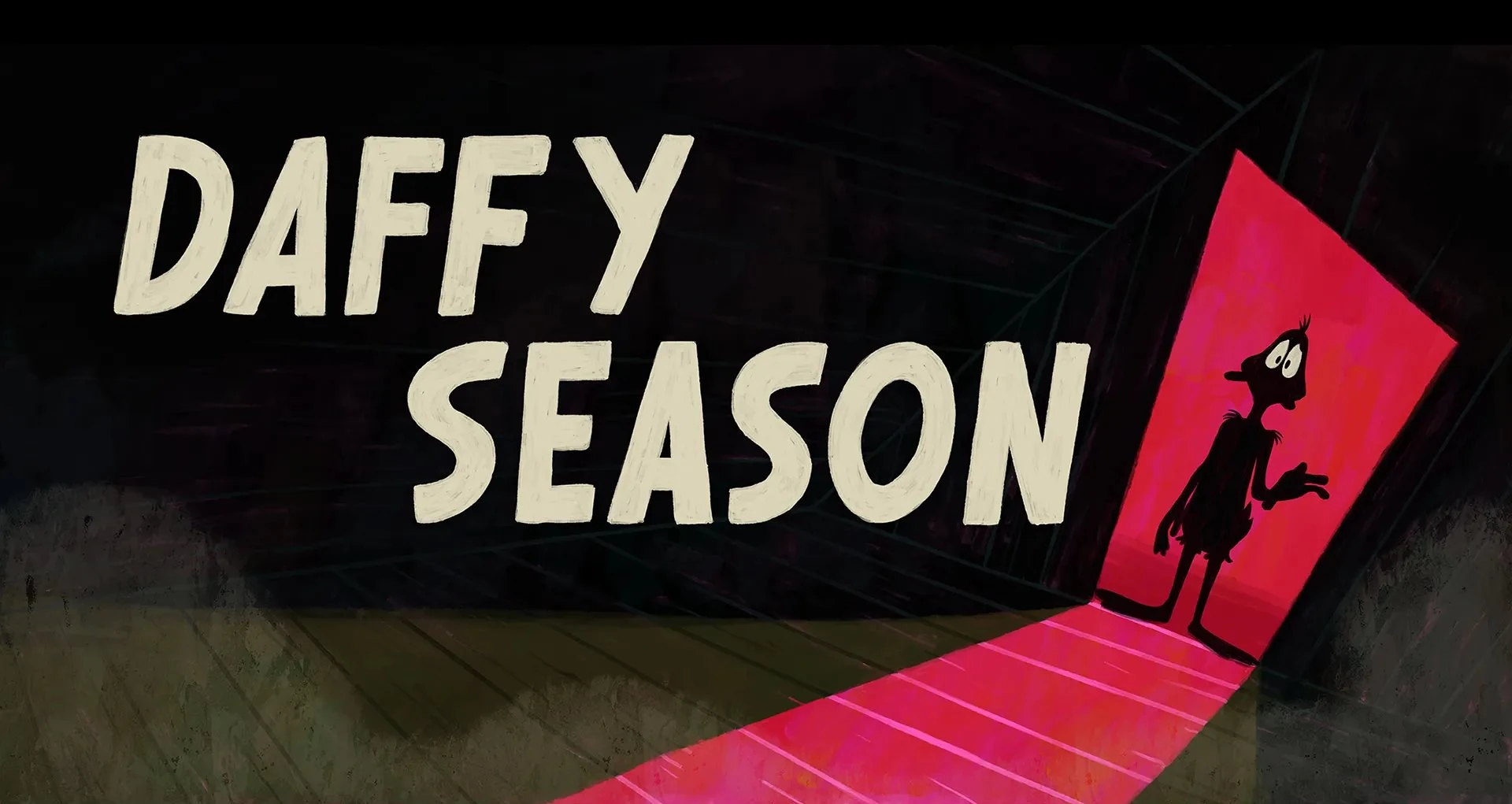
The new leadership at WBPA appears to be viewing these events as a necessary period of "course-correction." The current strategy is centered on reclaiming the prestige of the Looney Tunes legacy. The first major step in this reclamation will occur at the Annecy International Animation Film Festival next month with the debut of Daffy Season, a new theatrical short that Abdy claims is a direct signal of the studio’s commitment to bringing its most iconic characters back to the big screen with the production value they deserve.
.png)
The Ghost of Termite Terrace: Historical Context and Creative Ambition
Bill Damaschke, the president and chief creative officer of WBPA, provided a poignant bridge between the studio’s past and its future. By hosting the event in the very space named after the legendary bungalow on the Warner lot—the birthplace of Bugs Bunny, Daffy Duck, and the Merrie Melodies—Damaschke reminded the audience of the humble, scrappy origins of the studio’s most enduring icons.
"At the time, animation wasn’t a prestigious part of Hollywood’s legacy," Damaschke noted. "Live-action productions were at the glamorous sound stages. The cartoon department was tucked away in a modest bungalow. Yet, from those humble beginnings came one of the most beloved comedians in entertainment history, Bugs Bunny."
Damaschke’s invocation of the past serves a dual purpose: it grounds the modern studio in a legacy of subversive, high-quality comedy while signaling that the current iteration of the studio is ready to embrace that same "outsider" spirit to produce modern hits. He highlighted that the studio is no longer operating under the restrictive, slow-moving development cycles of the past. Whereas the previous iteration, Warner Animation Group, managed only six films in a decade, the new WBPA team has already greenlit seven films for release over the next three years.
An Ambitious Slate: From Puppetry to YA Sci-Fi
The upcoming slate is a sprawling mix of risk-taking originals and high-concept adaptations. Among the highlights discussed:
- The Cat in the Hat: Serving as the studio’s flagship release on November 6, 2026, this film will be the first true test of the studio’s new "filmmaker-driven" ethos.
- Bad Fairies: An original concept that promises to upend traditional fairy tropes. Concept art shown during the event suggests a grittier, more visually adventurous aesthetic than what is typically associated with the genre.
- Margie Claus: A holiday-themed feature starring Melissa McCarthy, whose character design mirrors the actress, aiming for a warm, character-driven appeal.
- Dynamic Duo: A collaboration with the New Orleans-based puppet studio Swaybox. This project is particularly notable for its technical approach, combining large-scale physical puppetry with high-end animation to bring different iterations of the Robin character to life.
- IP Expansions: The slate also includes a new Tom and Jerry entry, a project titled Meerkat Manor, and a development-stage Flintstones feature.
- External Adaptations: The studio is reaching beyond the WB library with an adaptation of Sanrio’s Hello Kitty, an ambitious take on Dr. Seuss’s Oh, the Places You’ll Go!, and an adaptation of the YA sci-fi series The Lunar Chronicles, which the studio has promised will feature a diverse, representative cast.
The Workforce and Global Scale
The sheer operational shift at WBPA is staggering. Damaschke provided data that underscores the studio’s massive expansion. "We now have about 250 artists and filmmakers working across 13 countries," he explained. When factoring in the various partner studios collaborating on these features, the total workforce currently dedicated to WBPA projects exceeds one thousand people.
This distributed, global production model is designed to facilitate faster output without sacrificing the specific artistic "voice" of each project. By moving away from a single, centralized pipeline, WBPA hopes to maintain the flexibility needed to create visually distinct films, ensuring that a movie like Bad Fairies looks and feels fundamentally different from a legacy property like Tom and Jerry.
Implications for the Industry: A "Big Swing" Philosophy
The overarching implication of this strategy is a rejection of the "safe" franchise-churning model that has dominated much of the last decade. Damaschke pointed to the success of KPop Demon Hunters—and the Oscar win for its producer, Michelle Wong—as the "brass ring" for the studio.
"It’s like, ‘Wow, do something bold, fresh, and original that no one believes in, and everyone doubts the whole time you’re working on it, and you might actually win,’" Damaschke noted.
This philosophy of "taking big swings" is a direct response to a market that is arguably suffering from franchise fatigue. By balancing legacy IPs with experimental originals, WBPA is attempting to build a sustainable model that appeals to the nostalgia of adult audiences while capturing the imagination of a new generation of theater-goers.
As Warner Bros. Pictures Animation moves into this high-stakes chapter, the eyes of the animation world will be fixed on the November release of The Cat in the Hat. Whether this "bold, modern" strategy can translate into the box office results that the studio’s leadership clearly envisions remains to be seen. However, one thing is certain: the era of the quiet, low-output animation division at Warner Bros. is firmly in the rearview mirror. The studio has, quite literally and figuratively, returned to Termite Terrace to finish what they started.









No comments yet. Be the first to join the conversation!