

To step off a plane in Okinawa is to immediately feel the friction of the mainland dissolve. If Tokyo is the frantic, neon-lit engine of Japan, Okinawa is its soulful, subtropical heart—a place where the rigid discipline of Japanese society softens into the rhythmic, swaying cadence of the East China Sea. Comprised of over 160 islands, this prefecture is not merely a destination; it is an archipelago of memories, a former sovereign kingdom, and a masterclass in the art of "slow travel."
For the modern traveler, Okinawa represents a new frontier of luxury: not one defined by gold-leaf opulence or high-speed transit, but by the luxury of space, silence, and the profound, unhurried immersion into a culture that has mastered the secret of longevity.
The Ryukyu Legacy: A Sovereign Identity
The most persistent fallacy held by international visitors is that Okinawa is simply "Japan with beaches." To view it as such is to ignore 450 years of history as the independent Ryukyu Kingdom. A maritime powerhouse that served as the primary trade conduit between China, Korea, Southeast Asia, and the Japanese mainland, the Ryukyu Kingdom developed a distinct cultural DNA that remains resilient today.
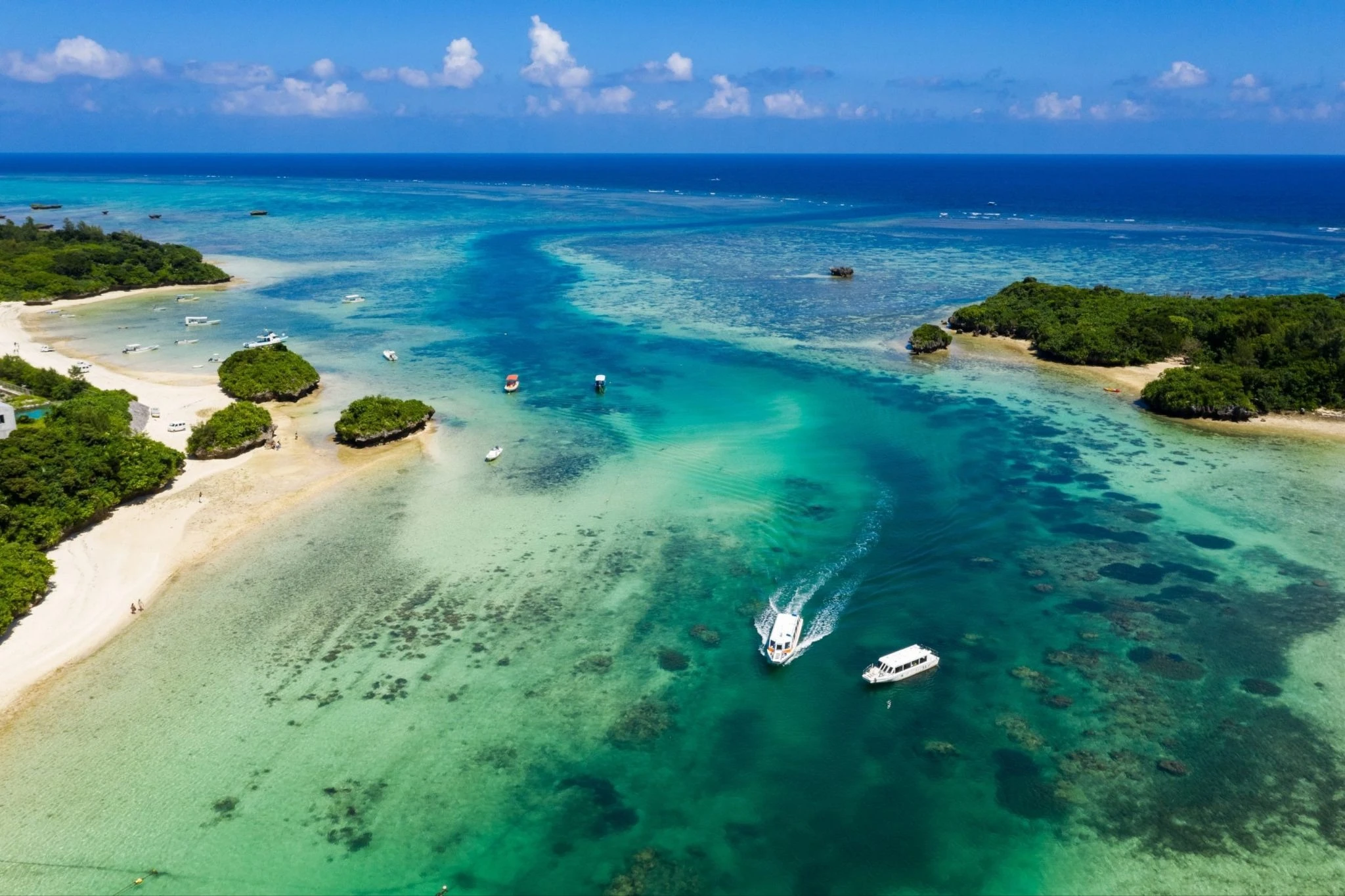
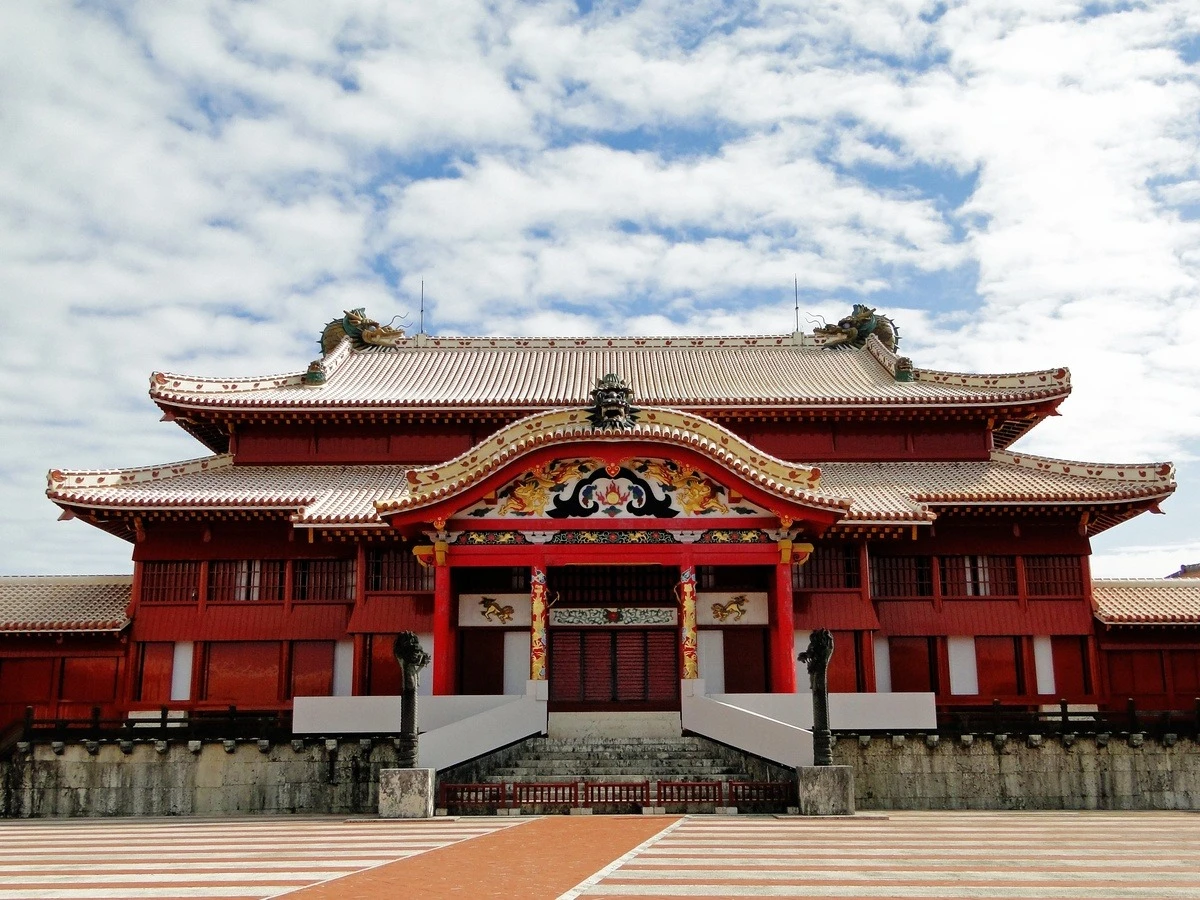
This history is written in the landscape. You see it in the low-slung, red-tiled roofs adorned with shisa—mythical lion-dog guardians designed to ward off malevolent spirits and withstand typhoons. You hear it in the sanshin, a three-stringed instrument whose melancholic, evocative notes provide the soundtrack to island life. Even the architecture of the UNESCO-recognized Shuri Castle—the epicenter of the former kingdom—speaks to a refined, cosmopolitan history that predates modern state borders.
The Sociological Implications of the "Blue Zone"
Okinawa is globally renowned as one of the world’s "Blue Zones," regions where people live longer, healthier lives than anywhere else on earth. This isn’t a coincidence; it is a direct result of the Okinawan lifestyle. The diet—centered on goya (bitter melon), antioxidant-rich purple sweet potatoes, lean pork, and fermented turmeric—is a culinary testament to the island’s commitment to nuchi gusui, or "food as medicine." When travelers dine in Okinawa, they are participating in a tradition that views the table as a source of vitality, not just sustenance.
Chronology of the Archipelago: From Kingdom to Contemporary Haven
To understand Okinawa’s unique position, one must look at the timeline of its evolution:
- 1429–1879: The Golden Age of the Ryukyu Kingdom. A period of immense maritime wealth and cultural synthesis.
- 1879: The Ryukyu Kingdom is formally annexed by Japan and renamed Okinawa Prefecture.
- 1945: The Battle of Okinawa. The island suffers immense destruction, leaving deep scars on the landscape and collective psyche.
- 1945–1972: Postwar occupation by the United States, creating a unique, hybrid culture that persists today in the form of "Taco Rice" and a general, more relaxed atmosphere.
- 1972: Reversion to Japanese sovereignty.
- Present Day: A transition toward sustainable tourism, focusing on deep cultural preservation and the promotion of the Yanbaru National Park.
Navigating the Seasons: When to Experience the Islands
Luxury is defined by the quality of the environment, and choosing the right window for your visit is critical to avoiding the pitfalls of mass tourism.
The Shoulder Seasons (March–May & October–November)
These months offer the "Goldilocks" conditions of Okinawan travel. The summer humidity has either not yet arrived or has finally broken. The ocean remains warm enough for swimming, but the air is crisp, and the trails through the subtropical Yanbaru forest are blissfully empty. This is the optimal time for those seeking the "silent" Okinawa—a place of quiet contemplation and private vistas.
The Peak of Vitality (July–September)
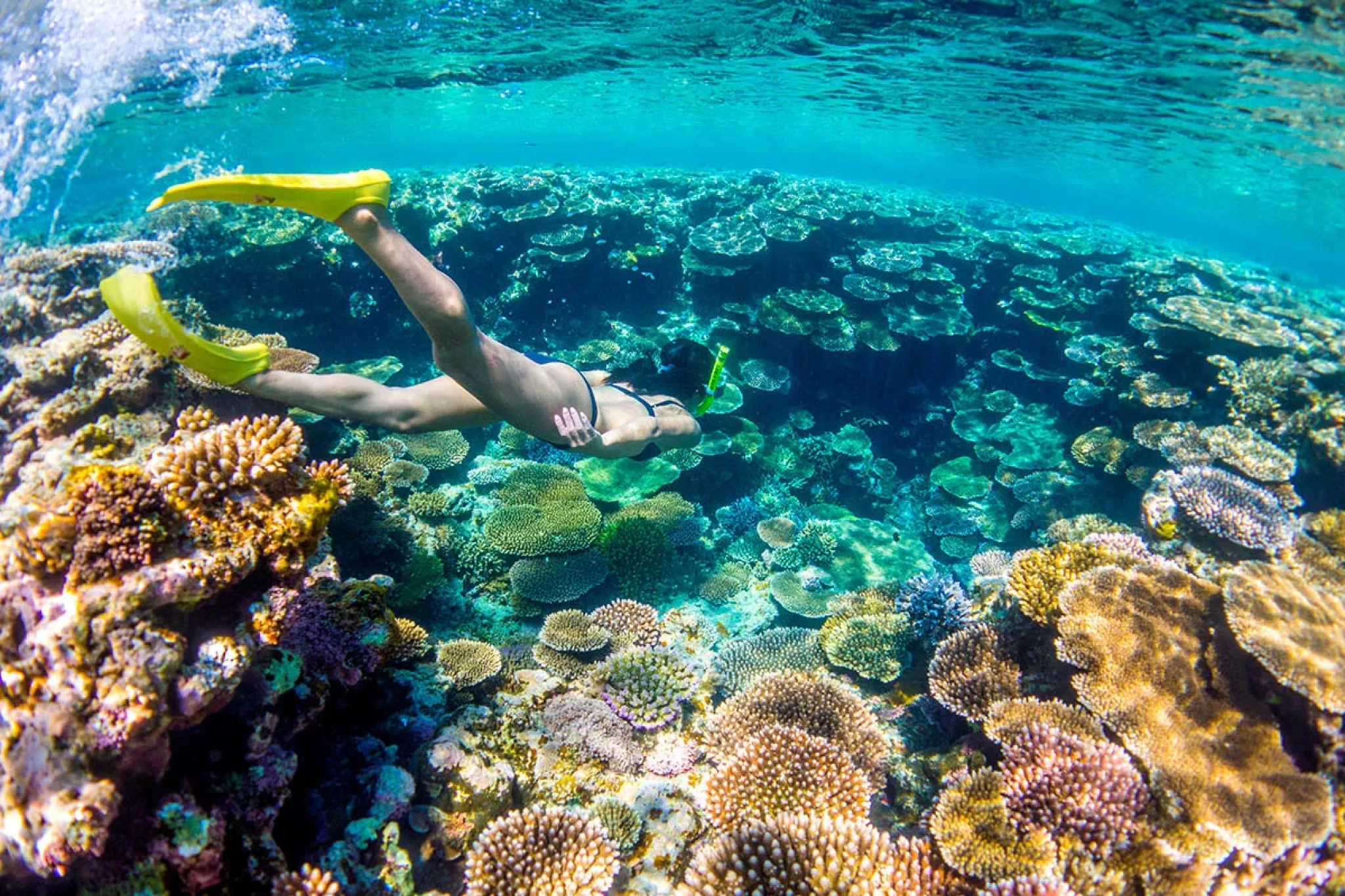
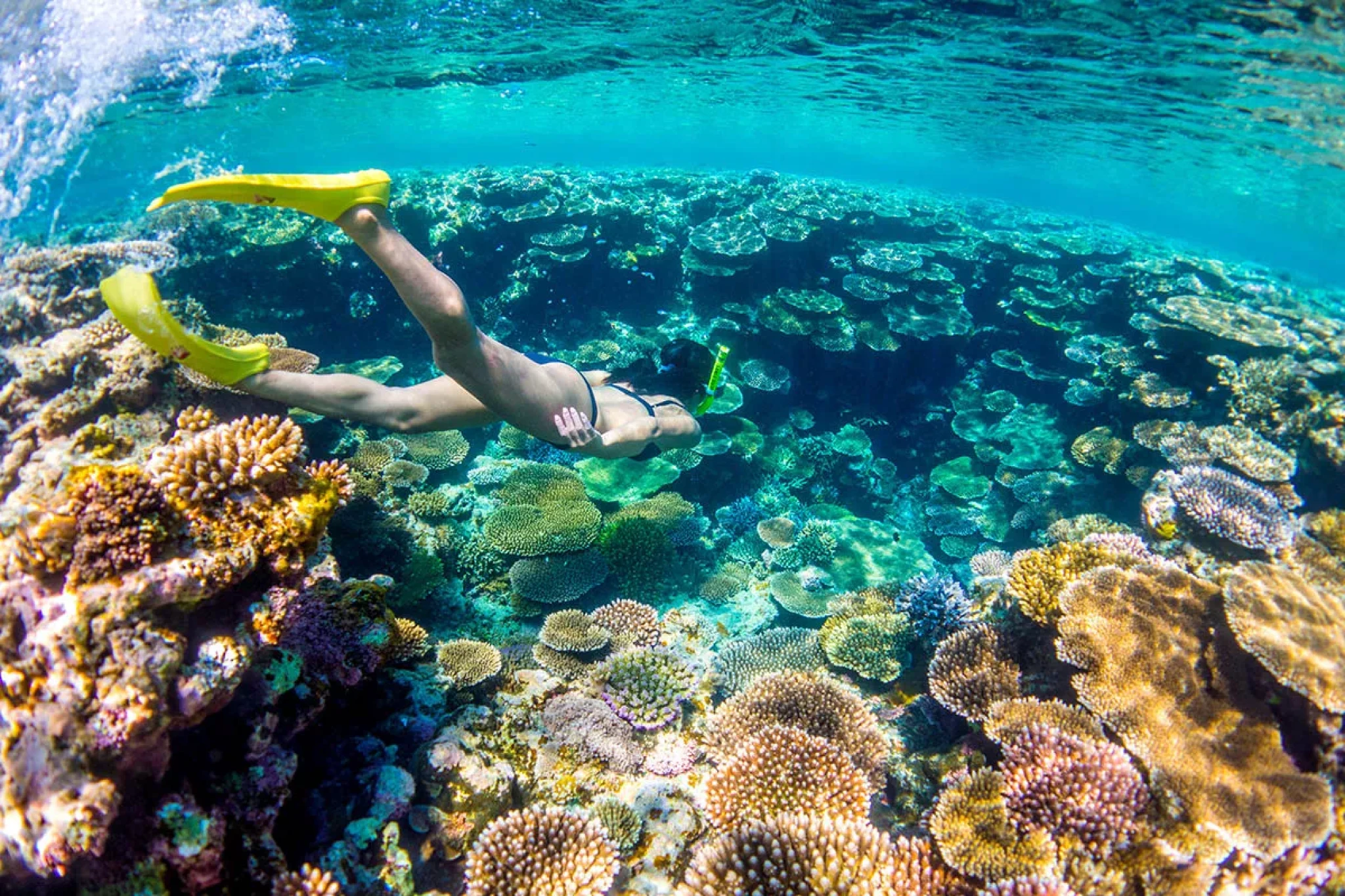
For the water-obsessed, these months are unparalleled. The coral reefs, particularly around the Yaeyama Islands and Ishigaki, are at their most vibrant. The clarity of the water during this period is world-class, attracting divers from across the globe to swim alongside manta rays and schools of tropical fish in the Kerama blue.
The Winter Reprieve (January–February)
While the temperatures are too cool for the beach, the winter months provide a rare, intimate look at the island’s rhythm. This is when the islands host the earliest cherry blossoms in Japan—a deep, vibrant pink that contrasts sharply with the turquoise sea. It is a time for introspection, local festivals, and the quiet enjoyment of warm bowls of Okinawa soba.
Deep Immersion: The Role of Local Guides
While independent travel offers freedom, certain layers of Okinawan life remain obscured to the casual observer. Engaging with local expertise—such as the bespoke services offered by Evertrail Tours—is the difference between seeing a map and reading the soul of the land.
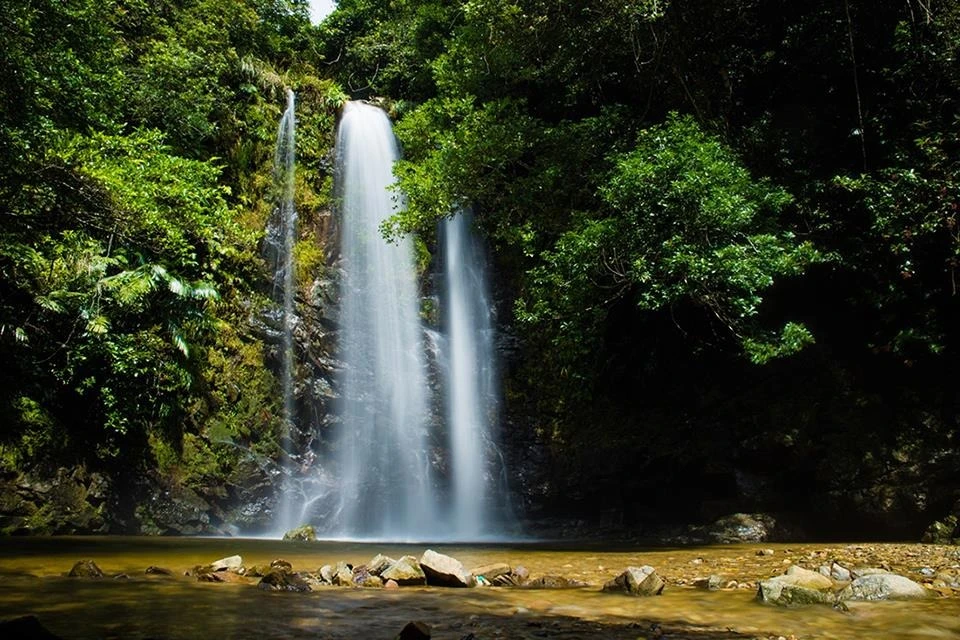
For instance, trekking through the Yanbaru forest without a guide is a walk through a jungle. Trekking with a local expert who can identify the endemic wildlife and explain the spiritual significance of the forest’s "power spots" turns the walk into a spiritual revelation. The same applies to the outer islands, like Izena. Reaching such remote outposts requires navigating ferry schedules and cultural nuances that are best handled by those who call the island home.
Supporting Data: The Infrastructure of Exploration
For the traveler, Okinawa’s infrastructure is a study in contrasts. Naha City boasts an efficient monorail, but the true spirit of the archipelago is found on the open road.
- Car Rental Statistics: Over 80% of independent travelers to the main island rent vehicles. The flexibility to pull over at a roadside stall for fresh sugarcane juice or to find an empty cove on the Kouri Island coastline is essential.
- Logistics: The prefecture’s reliance on ferry networks makes planning a multi-island itinerary a "slow" process. Travelers are advised to allocate at least 48 hours for any island-hopping endeavor to avoid the stress of tight schedules.
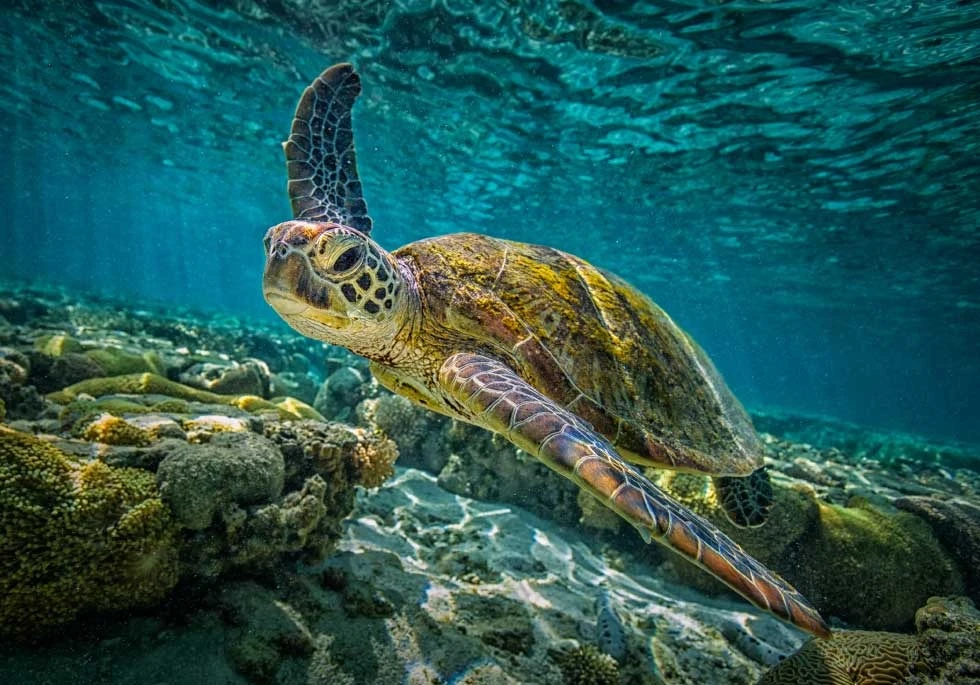
- Safety Protocols: Given the unique marine ecosystems, local authorities and operators emphasize "reef-safe" practices. With global attention on coral bleaching, travelers are encouraged to utilize eco-certified guides who prioritize the health of the biodiversity over the volume of visitors.
Official Perspectives: The Push for Sustainable Tourism
The Okinawa Prefectural Government and local tourism boards have shifted their messaging significantly in recent years. Moving away from the "mass resort" model, the current strategy emphasizes high-value, low-impact tourism.
"We are not looking for the millions," one tourism official noted in a recent regional report. "We are looking for the curious. We want visitors who engage with our history, respect our sacred sites, and support our local farmers. We are selling a way of life, not just a postcard view."
This directive is visible in the recent development of "glamping" sites and eco-lodges that prioritize sustainability, as well as the active restoration of Shuri Castle, which has become a symbol of resilience rather than just a tourist attraction.
The Implications of a "Slow" Destination
What are the implications for the future of travel in Japan? As mainland cities like Kyoto struggle with the pressures of over-tourism, Okinawa offers a template for how a region can protect its identity while welcoming the world. By encouraging visitors to spend more time in fewer places, the islands ensure that the economic benefits of tourism reach the remote villages and small-scale fishermen, rather than just the large hotel chains.
For the visitor, the implication is a challenge: Can you slow down enough to hear the island? The rewards are significant. When you strip away the frantic need to "see it all," you are left with the authentic experience of the Ryukyu people—a blend of ancient tradition, American influence, and a deep, ancestral respect for the ocean.
Conclusion: The Gradual Revelation
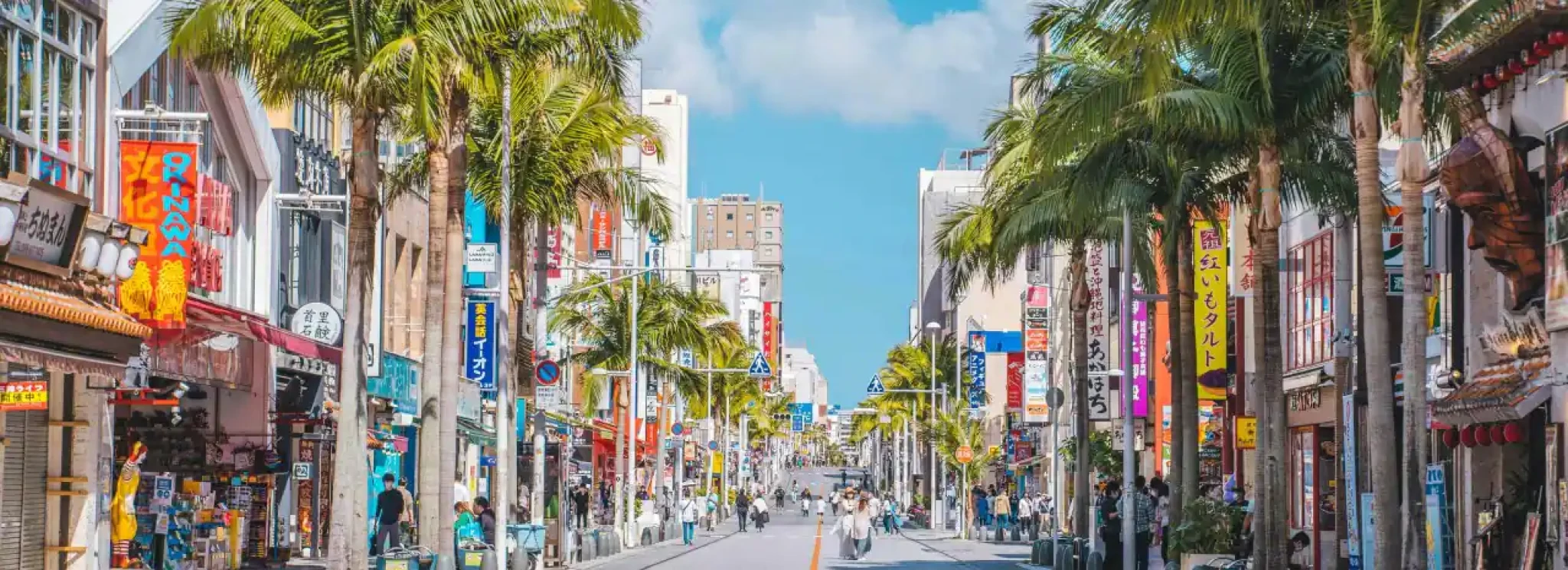
Okinawa does not demand your attention; it earns it. It is a place that rewards the patient, the curious, and the intentional. From the bustling, aromatic stalls of Naha’s Kokusai Street to the silent, sun-drenched beaches of the Yaeyama archipelago, the islands are a masterclass in balance.
As you plan your journey, remember that the most profound experiences are often found in the margins—the bowl of goya champuru shared in a village izakaya, the sight of a sea turtle in the lagoon of an outer island, or the quietude of a hike through the Yanbaru canopy. Okinawa is not a trip you simply take; it is a pace of life you adopt. Once you have touched that rhythm, it remains with you, a lingering melody of wind, salt, and sea that calls you back long after you have returned to the frantic pace of the mainland.












No comments yet. Be the first to join the conversation!