Muslim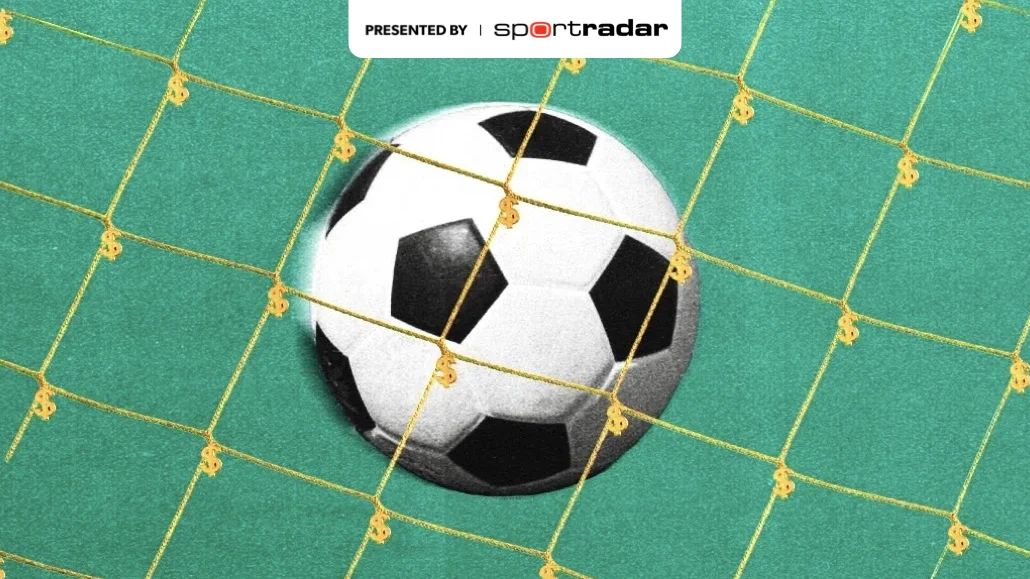
By Julia Waldow | May 14, 2026
As the global countdown to the 2026 FIFA World Cup reaches a fever pitch, the marketing landscape in North America is undergoing a seismic shift. While official sponsors pay millions for exclusive association with the tournament, Heineken USA is demonstrating that a brand can effectively "hijack" the conversation through sheer cultural ubiquity. By increasing its soccer-related marketing spend by a staggering 189% year-over-year, the brewing giant is positioning itself as the de facto "Official Beer of Soccer"—a title it has even sought to trademark—despite not holding an official sponsorship contract with FIFA.
The Strategy: Capitalizing on the "Summer of Soccer"
Heineken’s strategy is a masterclass in experiential marketing and retail integration. The brand is betting that the influx of international visitors and the domestic rise of the sport in the U.S., Canada, and Mexico creates a unique, high-octane environment for beer consumption.
The campaign centers on the new brand platform, "Fans Have More Friends." This initiative is designed to bridge the gap between strangers through the shared language of the sport. It is a pivot away from traditional product-feature advertising, moving instead toward building communities. This platform is not limited to soccer; it serves as a foundational pillar for Heineken’s presence at music festivals like Coachella and other major sporting events, ensuring a consistent brand narrative that emphasizes togetherness.
The Retail and On-Premise Blitz
Heineken is not just counting on brand awareness; it is controlling the point of sale. Across the United States, retail partners such as Publix are seeing limited-edition 12-packs and 24-packs adorned with soccer-themed aesthetics. These aren’t just boxes; they are entry points into a summer-long activation that includes:
- In-Store Displays: Strategic placement of soccer goal displays and floor decals to capture shopper attention during peak purchasing windows.
- The "Bar Kit" Program: Heineken is distributing curated kits to select bars—the unofficial "embassies" for international fans. These kits include branded neon signs and pennants, specifically targeted at locations frequented by expat communities, such as New York’s "Little Brazil."
- Watch Parties: Major urban centers, including Los Angeles, Houston, Philadelphia, New York, and Dallas, will host large-scale, brand-led viewing parties designed to foster the "camaraderie" that Heineken is banking on.
A Chronology of Heineken’s Soccer Pedigree
Heineken’s pivot into the 2026 World Cup frenzy is not a sudden whim; it is the culmination of three decades of strategic sports investment.
- 1997–2027: Heineken’s 30-year partnership with the UEFA Champions League has been the cornerstone of its sports portfolio. While the brand announced this partnership will conclude in 2027, the current year serves as a "victory lap" of sorts, with Heineken rolling out limited-edition aluminum bottles featuring the UEFA logo to celebrate the season’s finale on May 30.
- 2019: Heineken filed for a trademark as "The Official Beer of Soccer." This move signaled the company’s intent to own the category in the public consciousness, regardless of its official status with global governing bodies.
- January 2026: The "Fans Have More Friends" platform launched with a social experiment in New York City. Creator Zac Alsop, acting as a proxy for the brand, used simple flyers to invite strangers to watch a match. The experiment resulted in hundreds of participants joining him at the Central Park Tavern, providing the viral "proof of concept" for the brand’s community-first approach.
- May 2026: The current peak, with the brand accelerating its spend by nearly 200% to dominate the narrative before the June 11 World Cup kickoff.
Supporting Data: Why Soccer is the New Marketing Goldmine
The 189% increase in marketing expenditure is a calculated risk based on shifting demographics and consumption habits. According to Alison Payne, Heineken USA’s chief marketing officer, the math is simple: soccer is a "massive passion point" that naturally lends itself to social consumption.
"Soccer is a huge beer-drinking occasion," Payne stated. "Fans get together to watch their favorite team live. We know it’s going to be a big beer-drinking occasion for Heineken."
Industry analysts agree. Data from advertising platforms like Criteo and AdQuick suggest that in the current market, consumers are increasingly resistant to aggressive, feature-heavy sales tactics. Instead, they are gravitating toward brands that facilitate experiences.
"People aren’t thinking about themselves as consumers in these moments," notes Adam Singer, VP of Marketing at AdQuick. "They’re thinking about being part of something bigger. The brands that mirror that feeling win."
Official Responses and Industry Context
The strategy has drawn attention from industry peers, many of whom are also looking to capitalize on the World Cup’s projected multi-billion-person audience. Heineken’s "ambush" style of marketing—operating as a shadow sponsor—is becoming a common theme among major brands that find the official FIFA sponsorship price tag prohibitive or restrictive.
- Lay’s: The snack giant is leveraging the tournament by featuring soccer stars on chip bags, particularly in the Canadian market.
- Adidas: The apparel brand got a head start, rolling out national team kits as early as October 2025.
- Stanley 1913: The drinkware brand launched a "Fútbol Artist Collection," showing that even non-traditional categories are eager to capture the tournament’s energy.
Despite the crowded space, Heineken’s reliance on its "official" trademark and decades-long heritage gives it a competitive edge. By focusing on the social element of the sport rather than just the match element, Heineken is effectively positioning its product as a necessary companion to the fan experience.
Implications: The Future of Sports Marketing
What does this mean for the future of sports advertising? The success of Heineken’s campaign suggests a move away from "Official Partner" exclusivity. As social media platforms and digital creator economies continue to evolve, brands are finding that they can achieve higher ROI by embedding themselves into the culture of the sport rather than simply putting their logo on a stadium wall.
The implications for this summer are clear:
- Authenticity is the New Currency: Campaigns that feel "forced" are being ignored in favor of those that facilitate genuine social connection, such as Heineken’s viewer meetups.
- Hyper-Localization: By targeting specific bars based on the demographics of visiting fans, Heineken is showing that mass-market advertising is less effective than hyper-targeted, culturally relevant experiences.
- The End of Exclusivity: The rise of "non-official" marketing suggests that FIFA and other global governing bodies may eventually face a decline in the value of their sponsorship packages if brands can successfully capture the audience’s attention without paying the premium.
As the June 11 kickoff approaches, the battle for the fan’s heart—and their glass—is heating up. Heineken’s massive investment and creative agility have set a high bar. Whether this strategy will pay off in long-term brand loyalty remains to be seen, but for now, the message is clear: if you can’t be the official sponsor, be the fan’s best friend.

 Basiran
 Ali Ikhwan