

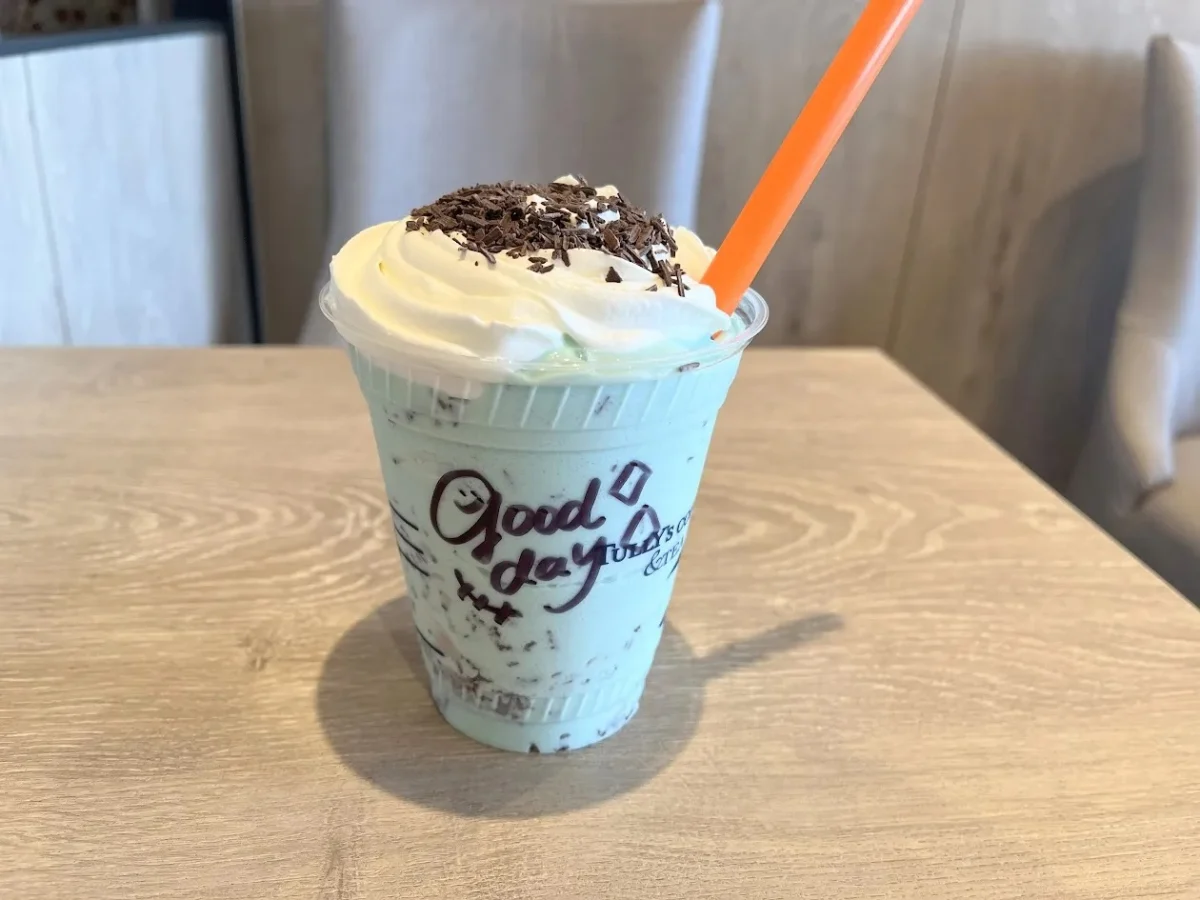
In the landscape of global coffee chains, few markets are as intensely competitive—or as experimental—as Japan. While industry giants like Starbucks dominate the skyline, local favorites often pivot toward hyper-localized, seasonal trends to capture the fickle, flavor-seeking Japanese consumer. This summer, that strategy has reached a new zenith with the launch of the Chocolate Mint Shake at Tully’s Coffee, a release that is currently polarizing and delighting the nation’s most dedicated "Chokomintou" (Chocolate Mint Party) enthusiasts.
The Cultural Phenomenon of the "Chokomintou"
To understand the significance of this beverage, one must first grasp the cultural weight of the term "Chokomintou." In Japan, flavor preferences are often treated with a level of fervor typically reserved for political affiliations or sports allegiances. "Chokomintou" is a play on words, combining "Choko" (chocolate) and "minto" (mint) with "tou," the kanji for "political party."
For years, the chocolate-mint combination has served as a culinary litmus test. To its detractors, the flavor is an unwelcome intersection of dessert and dental hygiene. To its proponents, it is the ultimate refreshing antidote to the brutal, high-humidity summers that define the Japanese climate. The "Chokomintou" movement has grown from a niche culinary preference into a legitimate cultural faction. Proponents wear their love for the flavor like a badge of honor, and every summer, domestic brands engage in an "arms race" to create the most innovative, intense, or balanced mint-based product.
This year, Tully’s Coffee has firmly planted its flag in the center of the battlefield, releasing a shake that is being lauded by early testers as the "golden ratio" of the genre.
A Chronology of the Release
The rollout of the Chocolate Mint Shake was calculated to coincide with the early onset of the Japanese summer, a period when humidity begins to climb, and consumer appetite shifts away from hot lattes toward icy, high-energy refreshments.
- Mid-May 2026: Tully’s Coffee officially announced the limited-edition summer menu, with the Chocolate Mint Shake serving as the flagship product. The announcement triggered an immediate buzz on social media platforms, particularly among the vocal online community of "Chokomintou" supporters.
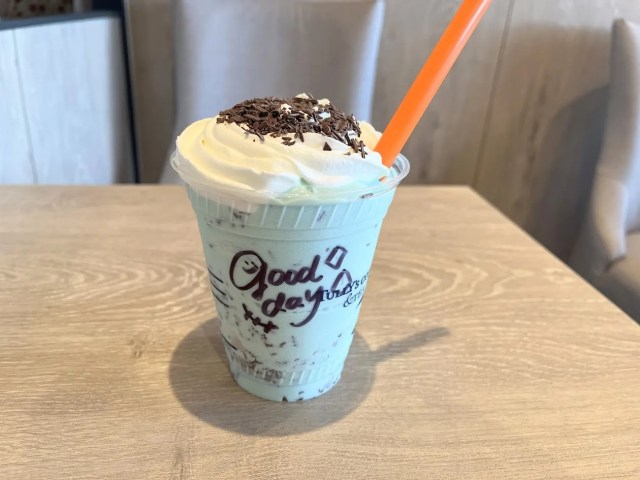
- Late May 2026: Nationwide availability began across Tully’s locations. Reports from the first wave of customers highlighted the shake’s striking visual profile: a vibrant, cooling blue-green hue served with a contrasting high-visibility orange straw.
- Current Status: As of early June, the drink has solidified its status as a viral success. Lines at major urban Tully’s outlets, such as those in Shinjuku and Shibuya, have seen a notable uptick in traffic, with customers frequently requesting the "extra mint" customization option—a feature that has become the defining characteristic of the product’s popularity.
Anatomy of the Shake: A Technical Breakdown
The Chocolate Mint Shake is not merely a drink; it is an exercise in texture and intensity. Priced at 790 yen (approximately $4.98 USD), the product is positioned as a premium treat. Unlike thinner, milk-heavy shakes common in Western fast-food chains, the Tully’s iteration leans into the density of a high-quality dessert.
The Texture Profile
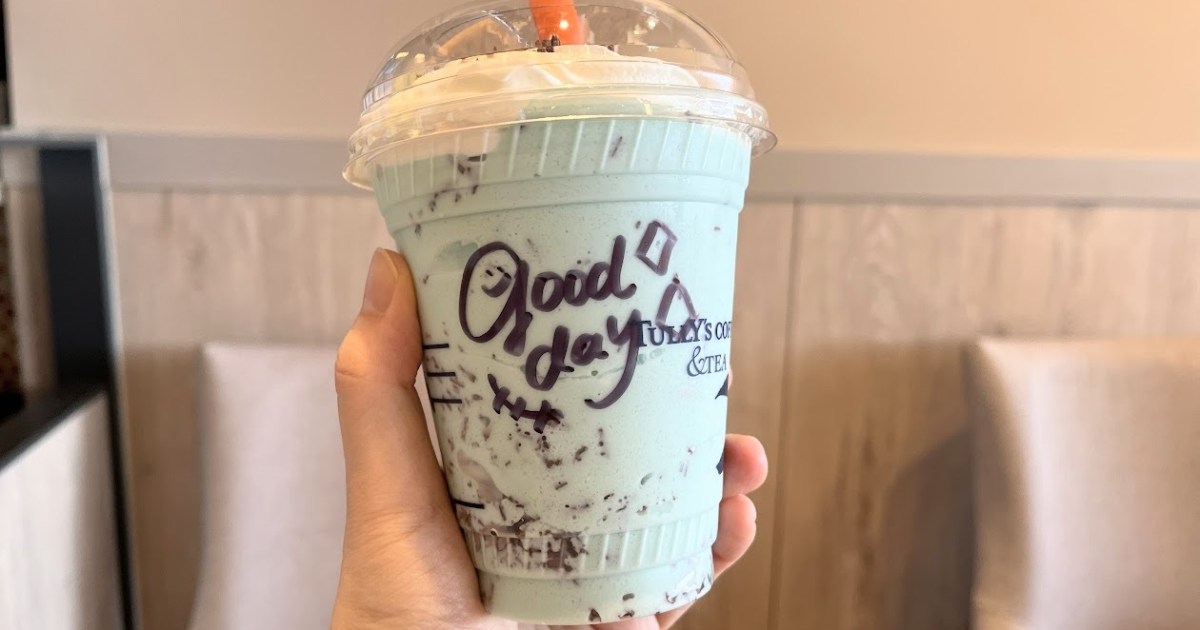
The beverage is described by many as "drinkable ice cream." The viscosity is significant, providing a slow-melting, cooling sensation that lingers on the palate. This is a critical design choice, as it allows the mint cooling agent to have a more prolonged effect on the drinker’s senses during the sweltering heat.
The Flavor Architecture
The brilliance of the Tully’s recipe lies in its restraint. Many mass-market mint products suffer from a "toothpaste" profile—a synthetic, overly aggressive menthol note that lacks depth. The Tully’s shake achieves a "fresh mint zing" that balances the inherent bitterness of the chocolate shavings. The shavings serve two purposes: they provide an aesthetic contrast and a rhythmic, crunchy texture that breaks up the uniformity of the shake.
The "Extra Mint" Customization
Perhaps the most significant factor in the drink’s success is the ability to customize the mint concentration. By allowing users to increase the mint levels, Tully’s has effectively gamified the experience. For the purists, the "extra" setting pushes the drink to the limits of culinary tolerance, creating an invigorating, sharp, and intensely refreshing experience that has earned it the title of the "strongest mint-to-chocolate drink on the market."
Industry Implications and Market Strategy
Tully’s Coffee occupies a unique space in the Japanese market. Often perceived as a more refined, domestically-integrated alternative to the ubiquitous Starbucks, the chain relies heavily on seasonal scarcity to drive foot traffic.
Challenging the Starbucks Hegemony
Starbucks Japan is famous for its limited-edition Frappuccinos, which often feature elaborate, photogenic toppings and complex flavor profiles. However, these are often criticized for being overly sweet or excessively gimmicky. By focusing on a single, classic flavor profile (chocolate mint) and executing it with superior technical precision, Tully’s is effectively signaling a different type of value to the consumer. They are not chasing the "Instagrammable" aesthetic alone; they are chasing the "flavor-obsessed" demographic.
The Economics of the "Limited Edition"
The decision to make this a summer-only exclusive is a textbook application of scarcity marketing. By anchoring the drink to the "brutal" Japanese summer, Tully’s ensures that the product is mentally associated with relief. When a customer reaches for a cup in 35-degree Celsius (95-degree Fahrenheit) heat, they aren’t just buying a shake; they are buying an essential survival tool. This psychological anchoring is what allows a 790-yen price point to remain palatable to the average commuter.
Official Stance and Consumer Feedback
While Tully’s has not released official sales figures, the anecdotal evidence from social media—and the sheer volume of "Chokomintou" discussion—suggests that the move has been a massive success for the brand’s Q2 and Q3 performance.
Consumer feedback has been overwhelmingly positive, with many reviewers noting that the "golden ratio" of the drink—the balance between the sweetness of the cream, the bitterness of the cocoa, and the sharpness of the mint—is unprecedented. Even those who identify as "mint-neutral" have reported being converted by the texture and the lack of artificial aftertaste.
The Road Ahead: What This Means for Future Flavors
The success of the Chocolate Mint Shake suggests a pivot in how major Japanese chains will approach seasonal releases. As consumers become more sophisticated, the "gimmick" era of drinks (which prioritize visuals over substance) may be waning.
The "Chokomintou" movement serves as a reminder that the Japanese palate is highly discerning. If a brand can take a polarizing flavor and elevate it to a professional, high-quality standard, they can turn a niche preference into a national trend. For Tully’s, the challenge will be maintaining this standard as they look toward their autumn and winter lineups.
For now, however, the "Chocolate Mint Party" has found its champion. Whether this shake remains a temporary high-point or marks a permanent shift in Tully’s product development remains to be seen. But one thing is clear: for those currently navigating the heat of a Japanese summer, the "golden ratio" has arrived, and it is cooling the nation one sip at a time.












No comments yet. Be the first to join the conversation!