Iffa Jayyana
In the fast-paced landscape of global business, the ability to synthesize disparate data streams into actionable intelligence is no longer a luxury—it is a requirement for survival. As companies navigate the complexities of digital transformation, Enterprise Resource Planning (ERP) systems have evolved from simple administrative tools into the nervous systems of modern organizations. At the forefront of this evolution is CEGID EKON, a robust, modular ERP solution designed to dismantle information silos and provide a "single source of truth" for businesses of all sizes.
The Evolution of ERP: Beyond Mere Data Management
At its core, an ERP system is the architectural foundation of a company’s operational strategy. It acts as the central hub where financial records, human resources, logistics, and project management converge. By unifying these functional areas, a business can achieve real-time synchronization, ensuring that every department—from the warehouse floor to the executive boardroom—operates on the same data set.
Traditionally, businesses struggled with fragmented systems where the accounting department operated independently of inventory management. CEGID EKON fundamentally alters this dynamic. It does not merely aggregate data; it infuses intelligence into every module. By providing granular visibility and traceability, the platform empowers decision-makers to anticipate market shifts, optimize resource allocation, and maintain a competitive edge in an increasingly volatile global economy.
Chronology and Development: Building a Scalable Foundation
The development of CEGID EKON was driven by a clear mandate: to create a solution that is as flexible as the businesses it serves. The platform’s architecture was designed with the understanding that a startup and a multinational corporation have vastly different needs, yet both require the same level of data integrity.
- Phase 1: Foundation and Integration: The initial development focused on creating a seamless API-driven ecosystem. The goal was to ensure that modules could "talk" to one another without friction, eliminating the manual re-entry of data.
- Phase 2: Modular Expansion: Recognizing that "one size fits all" is a fallacy in ERP, the developers introduced specialized modules—such as construction budget management and advanced logistics (WMS/TMS). This allowed companies to "plug and play" features as their operational complexity grew.
- Phase 3: The Intelligence Era: The current iteration of CEGID EKON emphasizes predictive analytics and "what-if" scenario modeling. By leveraging historical data, the system now assists leaders in forecasting financial outcomes and mitigating operational risks before they manifest.
Supporting Data: The Pillars of Operational Efficiency
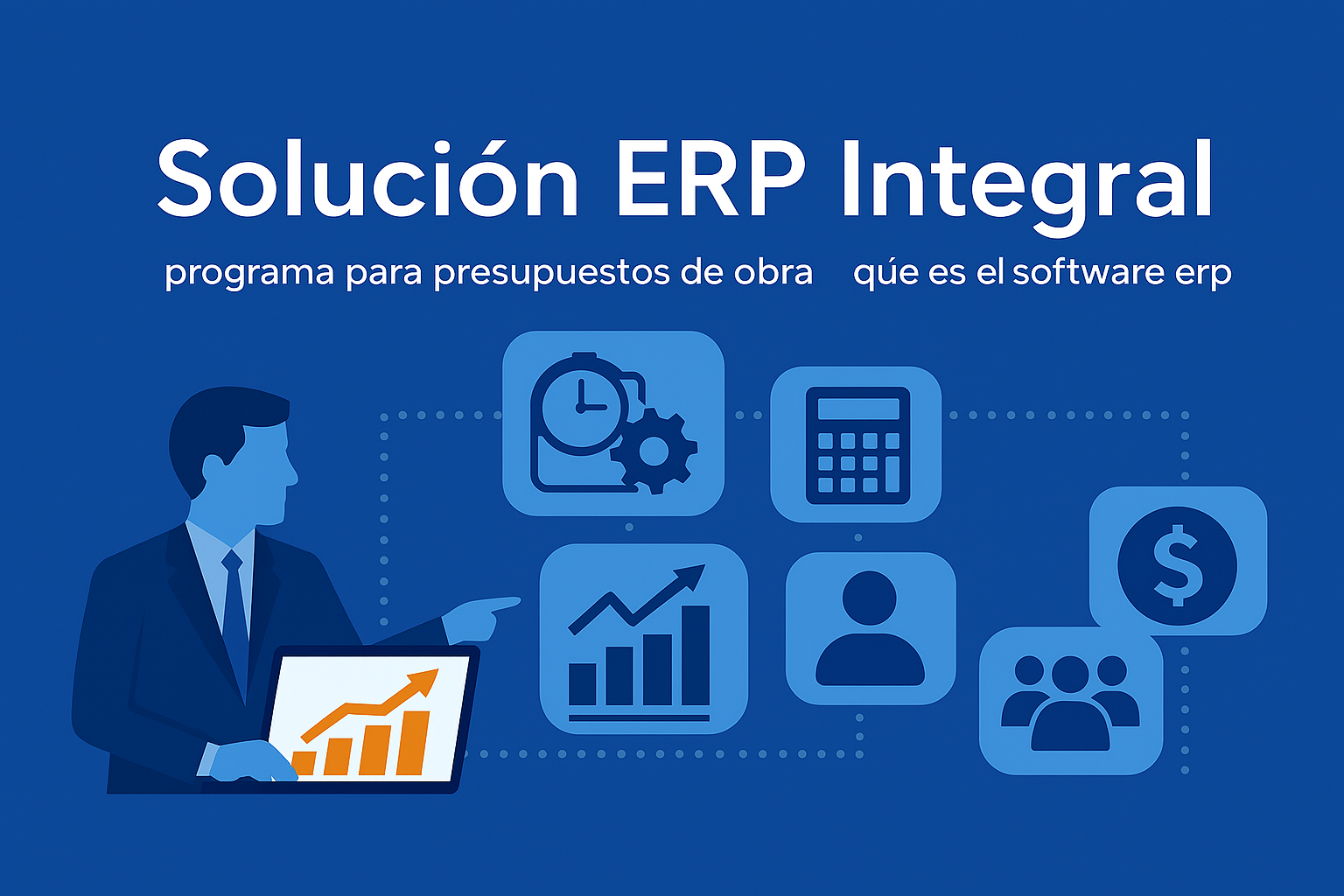
The power of CEGID EKON lies in its comprehensive suite of modules. Below is a breakdown of how these pillars function to support a high-performance business environment:
Core Operational Modules
| Area | Key Functionalities |
|---|---|
| Project Management | Resource allocation, Gantt chart integration, milestone tracking, and precise cost-to-completion analysis. |
| Logistics (WMS/TMS) | End-to-end inventory control, automated picking/packing, and route optimization for supply chain efficiency. |
| Accounting | Multi-location compliance, automated journal entries, and real-time reconciliation with global financial standards. |
| Finance | Cash flow forecasting, "what-if" budget modeling, and comprehensive expense management. |
| Human Resources | Integrated payroll, performance appraisals, employee self-service portals, and absence management. |
| Construction Budgets | Specialized tools for comparing projected vs. actual costs, certification generation, and deviation alerts. |
Official Perspective: The Strategic Implications of Adoption
The adoption of an ERP like CEGID EKON represents a fundamental shift in corporate culture. It moves an organization away from reactive "fire-fighting" toward proactive strategic planning.
Enhancing Organizational Agility
The primary implication of implementing CEGID EKON is the drastic reduction in time-to-decision. When a CEO or CFO can access real-time dashboards that show the financial health of the company, the status of ongoing construction projects, and the efficiency of the logistics chain, the business becomes exponentially more agile.
ROI and Economic Impact
The return on investment (ROI) for such a transition is rarely just a matter of saving on software costs; it is about the "cost of inaction." By implementing CEGID EKON, organizations typically see:
- Reduction in Operational Waste: Through automated inventory tracking and resource management.
- Increased Labor Productivity: Automating repetitive administrative tasks allows staff to focus on high-value initiatives.
- Risk Mitigation: Financial compliance and audit-ready reporting minimize the risk of costly regulatory penalties.
Key Differentiators: Why CEGID EKON Stands Out
In a crowded market of ERP solutions, CEGID EKON distinguishes itself through three specific characteristics:
- Native Scalability: The system is designed to grow with the company. Whether you are managing a local team of 50 or a distributed workforce of 5,000, the architecture remains stable and responsive.
- Sector-Specific Versatility: Unlike generic ERPs, EKON offers deep-dive functionalities for niche industries—most notably in construction and specialized manufacturing—where project-based budgeting is critical.
- User-Centric Interface: The platform prioritizes usability, reducing the steep learning curve often associated with enterprise software. This ensures higher adoption rates among employees, which is the most critical factor in the success of any digital transformation.
The Implementation Process: A Path to Success
Implementing CEGID EKON is not merely a technical deployment; it is a business transformation project. The process is typically structured in four distinct stages:
- Analysis and Discovery: Consultants work with stakeholders to map existing business processes and identify gaps that the new system will bridge.
- Configuration and Customization: The system is tailored to the specific regulatory and operational needs of the company, ensuring that the "out-of-the-box" features are optimized for the client’s unique workflows.
- Migration and Training: Data is securely migrated from legacy systems, and comprehensive training programs are rolled out to ensure staff are proficient with the new tools.
- Go-Live and Optimization: The system is launched, followed by a period of hyper-care where technical support monitors performance and makes real-time adjustments to ensure operational stability.
Conclusion: The Digital Cornerstone
CEGID EKON is more than a software package; it is the digital cornerstone upon which resilient companies are built. In an era where data is the most valuable commodity, the ability to store, analyze, and act upon that data with precision is the ultimate competitive advantage.
By integrating disparate business functions into a single, intelligent platform, CEGID EKON empowers companies to move beyond the limitations of legacy systems. It provides the clarity needed to navigate market turbulence, the efficiency required to maximize margins, and the scalability essential for long-term growth. As businesses continue to face the pressures of globalization and rapid technological change, those equipped with a robust, modular, and intelligent ERP like CEGID EKON will be the ones that define the future of their respective industries.
Investing in CEGID EKON is not just an investment in software; it is an investment in the clarity, sustainability, and long-term success of the entire organization.


 Dwi Wanna
 Siti Muinah