In a remarkable display of community-driven engineering, modders have successfully bypassed hardware restrictions to force-run Nvidia’s cutting-edge DLSS 5 "Neural Rendering" (NR) technology on previous-generation Ada Lovelace graphics cards. This breakthrough, which follows the accidental leak of an early-access build of NBA 2K27, has ignited a firestorm of activity within the PC enthusiast community, proving that the latest in AI-driven graphical upscaling is not as exclusive to the new Blackwell architecture as initially suggested.
The Catalyst: A Leak in the NBA 2K27 Pipeline
The saga began earlier this week when an early-access build of NBA 2K27 surfaced online, containing a mysterious new file: nvngx_dlssnr.dll. Tech enthusiasts and data miners quickly identified the file as the core component of Nvidia’s next-generation Deep Learning Super Sampling technology, colloquially dubbed "DLSS 5."
Initial testing revealed that the DLL file was designed to interface exclusively with Nvidia’s upcoming Blackwell-based RTX 50-series GPUs. When users attempted to run the technology on existing RTX 40-series cards, the application would simply fail to initialize or crash, leading many to believe that the AI model required specific hardware-level logic gates unique to the new Blackwell architecture. However, the modding community—centered largely around the RenoDX Discord server—refused to accept this artificial limitation.
Chronology of the Breakthrough
The race to "jailbreak" DLSS 5 began within hours of the NBA 2K27 leak. Modders initially managed to inject the DLL into Remedy Entertainment’s Control, a title frequently used as a benchmark for graphical fidelity. While the initial results were unstable, they proved that the underlying AI rendering model was capable of executing code on hardware outside of the Blackwell family.
Phase 1: The Control Integration
By leveraging the existing framework provided by ReShade and the RenoDX modding tool, developers were able to map the nvngx_dlssnr.dll into the rendering pipeline of Control. The success of this integration demonstrated that the neural rendering technique—which aims to improve image reconstruction quality through more advanced AI models—was fundamentally compatible with existing Tensor cores found in Ada Lovelace GPUs.
Phase 2: The "Uncle Burrito" Patch
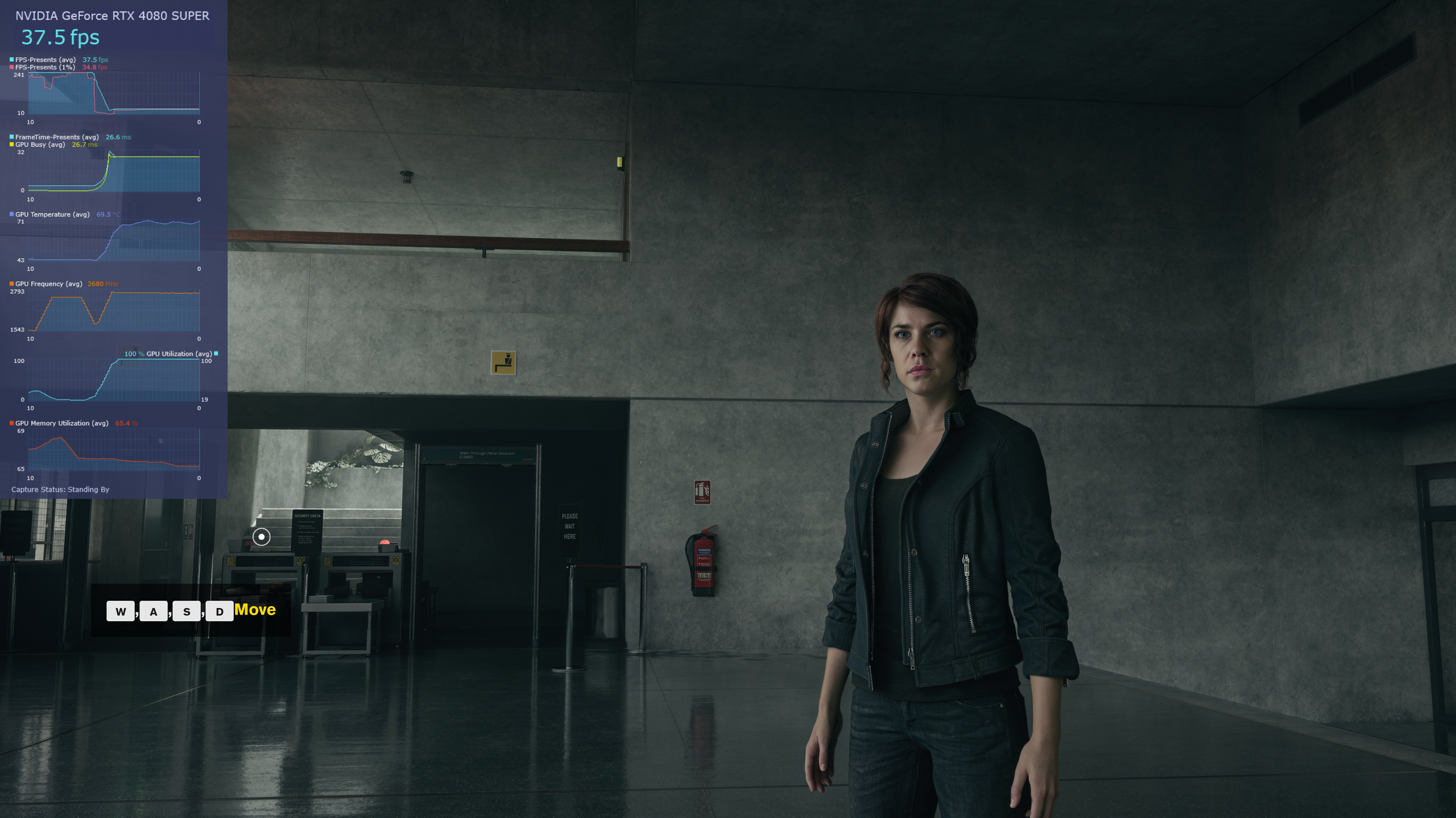
The most significant hurdle was a series of CUDA binary mismatches. The leaked DLL contained specific instructions intended only for the Blackwell architecture. A prominent modder known as "Uncle Burrito" took the initiative to deconstruct the DLL. By identifying the incompatible binaries and patching in compatible alternatives, they successfully enabled the technology to run on an RTX 4080.
"All I had to do was look into it to see what binaries it’s actually using," Uncle Burrito explained in an interview with Tom’s Hardware. "Find the ones that aren’t compatible with Ada, and then patch in fresh ones myself." This confirmation effectively debunked the notion that DLSS 5 required hardware-level exclusivity to function.
Understanding the Technical Landscape
To understand why this mod is so significant, one must look at the transition from DLSS 3/3.5 to the new Neural Rendering standard.
FP8 and Hardware Requirements
The primary point of confusion regarding DLSS 5’s compatibility stems from its reliance on FP8 (8-bit floating point) math. Blackwell GPUs feature native, hardware-accelerated support for FP8, which allows for extremely efficient AI calculations. While Ada Lovelace (RTX 40-series) hardware does not possess the same level of dedicated FP8 acceleration as its successor, it is still capable of reading and executing these operations, albeit with a different efficiency profile.
The Role of CUDA Binaries
Nvidia distributes software that contains multiple "compiled" versions of its AI models, tailored for different architectures. The leaked NBA 2K27 build likely contained only the Blackwell-specific binaries because it was a pre-release internal test build. The modding community’s success effectively "re-compiled" or redirected these calls to utilize the existing binaries present on Ada Lovelace cards.
Implications for the Gaming Ecosystem
The successful deployment of DLSS 5 on RTX 40-series hardware has profound implications for both Nvidia’s product roadmap and the longevity of high-end gaming hardware.
1. The Death of Artificial Obsolescence
Historically, tech companies have been accused of "software-locking" features to newer hardware generations to incentivize upgrades. By proving that DLSS 5 is not natively locked to Blackwell, modders have forced a public conversation about whether Nvidia intends to gate this technology behind a paywall of new hardware. If it runs well on an RTX 4080 today, it sets a precedent that the technology is software-dependent rather than hardware-bound.
2. Performance Trade-offs
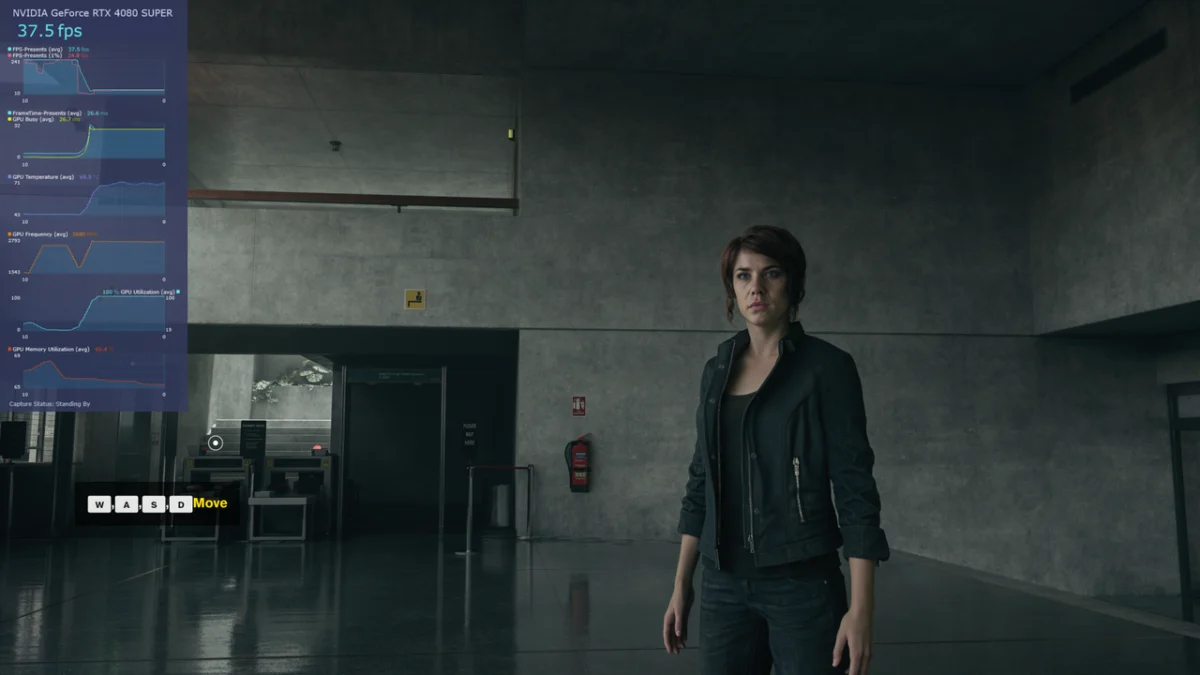
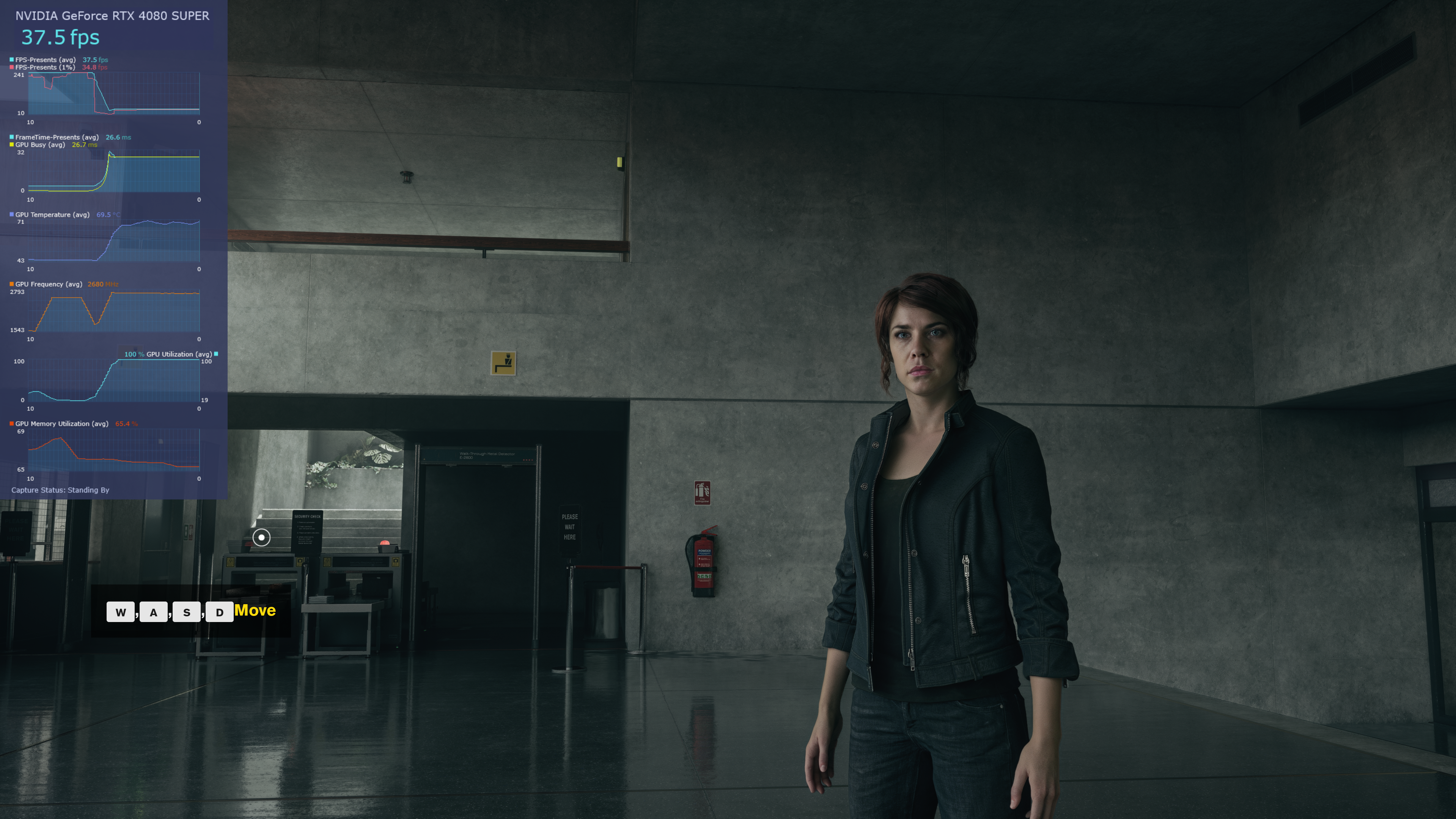
While the mod is a technical marvel, it is not without its caveats. Early tests on RTX 40-series hardware have shown a performance penalty compared to the theoretical performance on Blackwell. In some scenarios, frame rates dropped significantly—in one test, a GPU that produced 71 FPS with standard DLSS fell to 35 FPS under the current, unoptimized, modded DLSS 5 implementation. This suggests that while the AI model is compatible, the current pipeline is not yet optimized for the Ada architecture.
3. The Future of Support for Older Architectures
The success of this mod begs the question: What about the Ampere (RTX 30-series) and Turing (RTX 20-series) generations? Unlike Ada Lovelace, these architectures lack even the rudimentary support for FP8 math that the current DLSS 5 model utilizes. It is highly probable that even with intensive modding, the performance penalty for running this tech on pre-Ada cards would be prohibitive, potentially making the experience worse than using standard DLSS 3.5.
Official Responses and Industry Outlook
As of this writing, Nvidia has not issued an official statement regarding the leaked DLL or the subsequent mods. However, industry analysts suggest that Nvidia is in a difficult position. If the company officially releases DLSS 5 for older cards, it risks undermining the primary selling point of the RTX 50-series (Blackwell). If it continues to restrict the technology, it risks alienating a user base that has already proven the technology can work on their existing hardware.
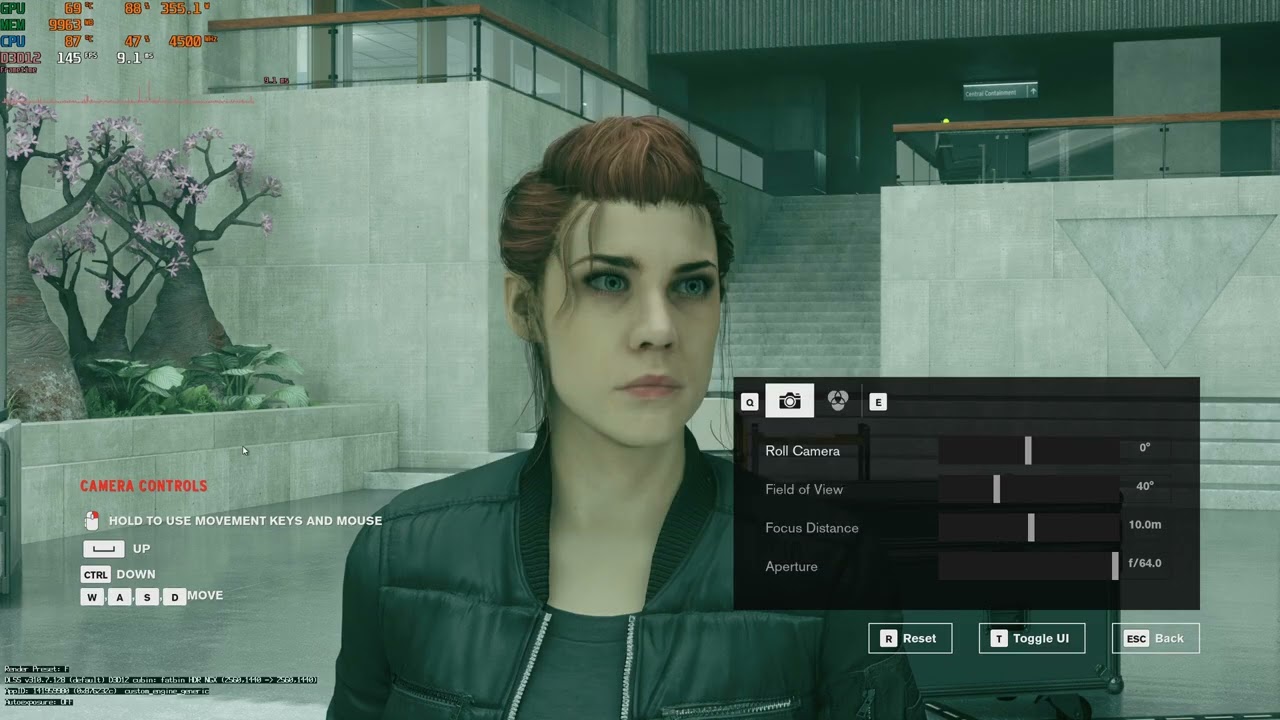
Furthermore, the RenoDX Discord server remains a hotbed of activity. Other developers are working on more efficient versions of the patch, aiming to improve the frame-time stability and reduce the CPU overhead caused by the current "forced" implementation.
Conclusion: A Community Victory
The story of DLSS 5’s premature arrival is a testament to the power of the PC modding community. It highlights the transparency—or lack thereof—in how proprietary software interacts with graphics hardware. While the average user may not be comfortable patching DLL files to get the latest graphical features, the fact that these enthusiasts have bridged the gap between generations ensures that the "Blackwell-exclusive" label will be met with healthy skepticism for the foreseeable future.
As we look toward the wider release of the RTX 50-series, one thing is clear: the divide between what a manufacturer says is "possible" and what a community of dedicated developers can prove is "functional" has never been narrower. For now, RTX 40-series owners can enjoy a sneak peek at the future of AI rendering, provided they are willing to navigate the complexities of the modding scene. Whether Nvidia chooses to embrace this demand or continue the path of architectural exclusivity remains the most compelling narrative in the hardware space for the coming year.