

In the modern gaming industry, the "live-service" model represents the ultimate prize: a perpetual revenue stream, a dedicated community, and a digital ecosystem that thrives for years, if not decades. Titles like Fortnite and Marvel Rivals have mastered the alchemy of consistent updates and seasonal engagement, turning games into cultural landmarks. However, for every success story, there is a wake of high-budget failures—projects designed to last forever that barely survived their own launch weeks.
This is a retrospective on the games that promised a permanent home for players but instead became cautionary tales of market oversaturation, design miscalculations, and the crushing reality that while players have money, they do not have infinite time.

The Illusion of Forever: Understanding the Live-Service Paradox
The live-service model relies on a fundamental bet: that a player will choose your game over all others for their daily entertainment. When companies like Sony, Microsoft, and Square Enix chase this dream, they are not just developing software; they are attempting to manufacture a lifestyle.
The primary failure point for most of these titles is the "engagement trap." Developers often prioritize monetization structures and "content roadmaps" over the core "fun factor." When the novelty of the initial experience wears off—usually within the first 48 hours—players look for the next dopamine hit. If the game cannot provide an endless, rewarding loop, the player base evaporates, taking the project’s long-term viability with it.
A Chronology of Collapse: From Anticipation to Deletion
The history of failed live-service games is a timeline of misplaced confidence. Below is a look at the most significant entries that fell short of their "forever" ambitions.
The Heavy Hitters That Fumbled
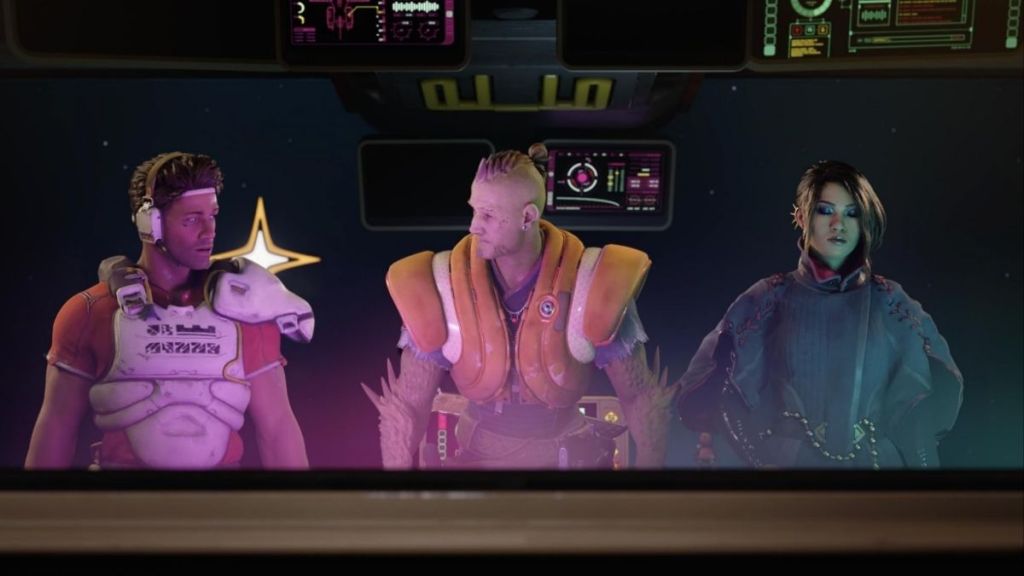
- Concord: Sony’s attempt to claim a slice of the hero-shooter pie resulted in a spectacular collapse. Despite massive production values, the market simply rejected the product.
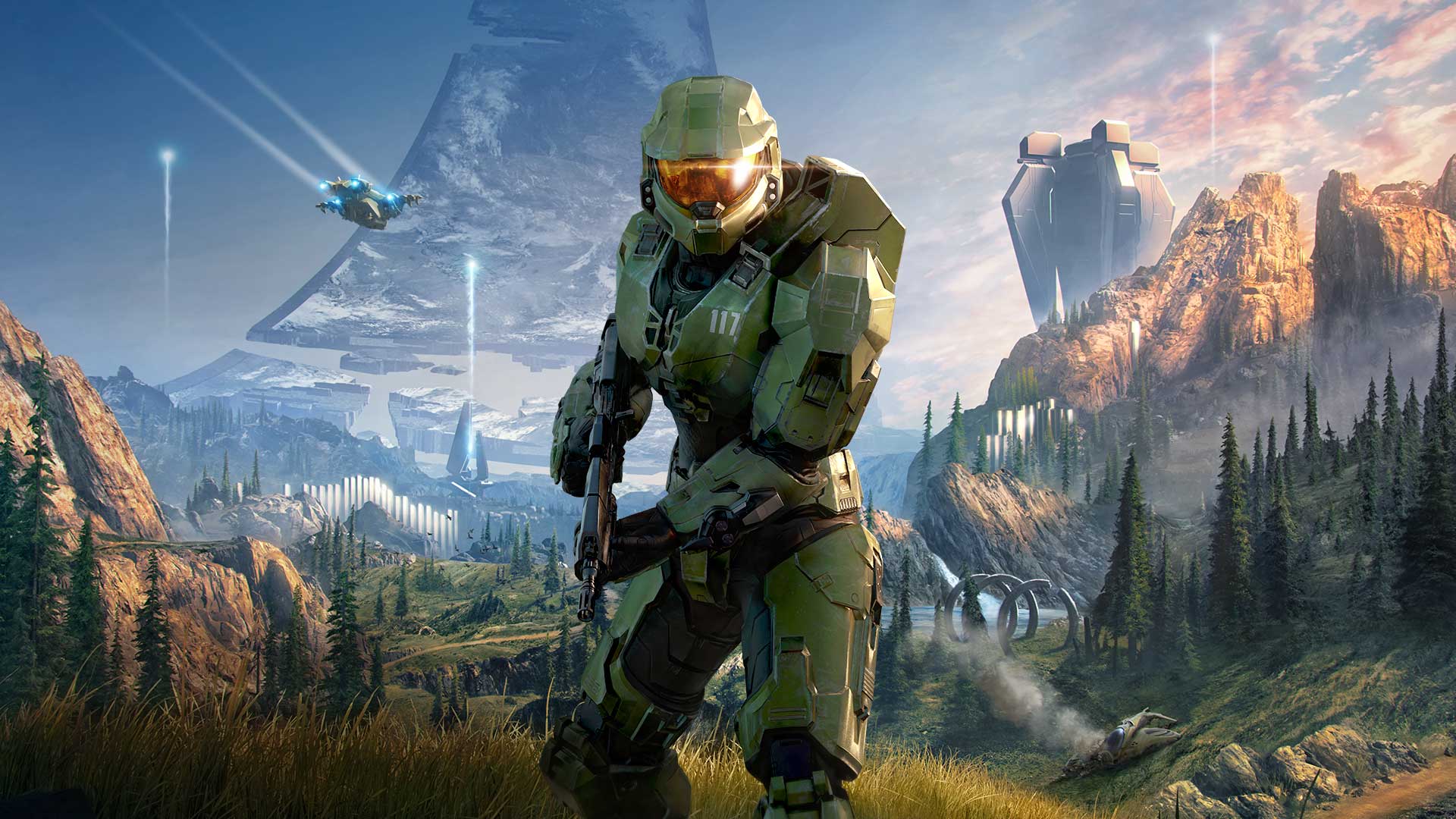
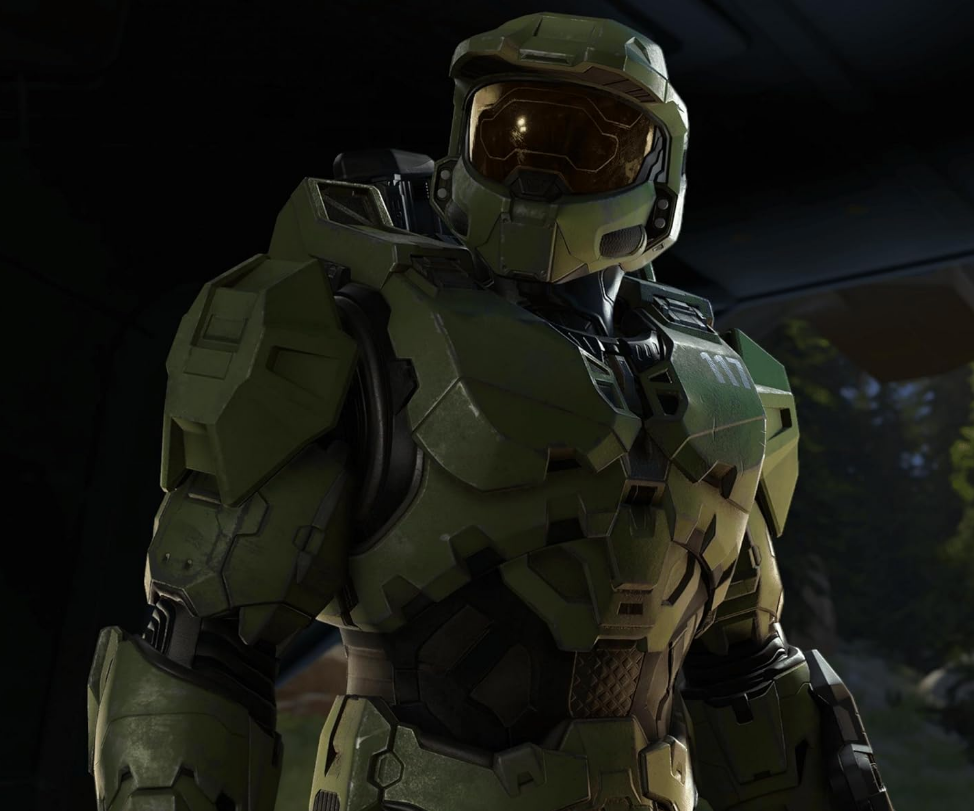
- Halo Infinite: Once heralded as a decade-long platform for the Master Chief, the game’s inability to deliver a consistent cadence of maps and features alienated the core fanbase during its critical first year.
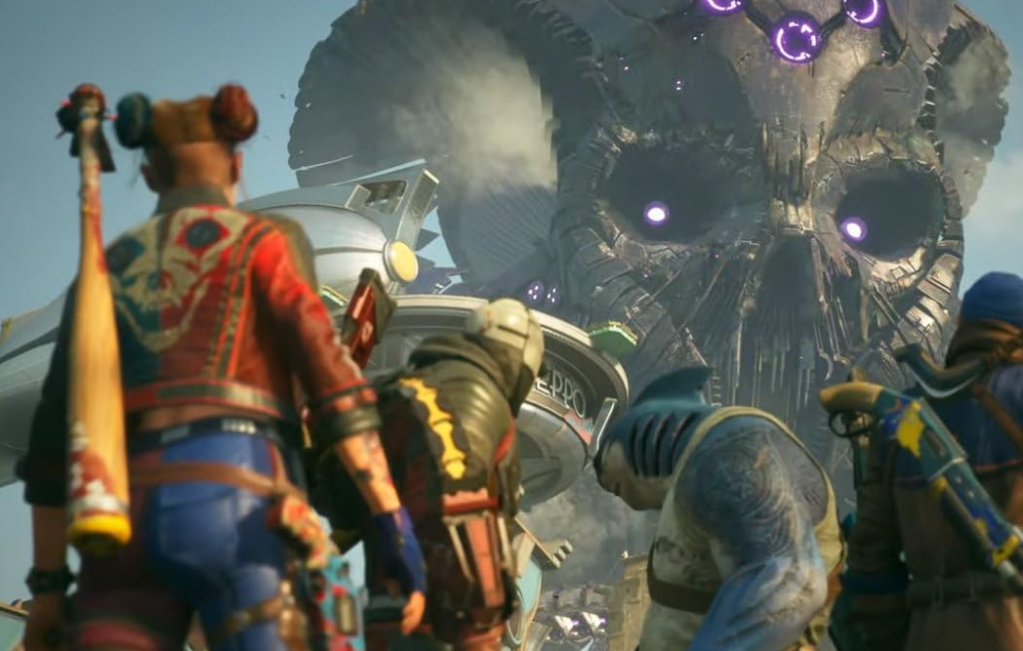
- Suicide Squad: Kill the Justice League: Rocksteady’s pivot to a loot-shooter format proved controversial. The disconnect between the studio’s legacy and the game’s repetitive, service-heavy structure caused a swift decline in sentiment.
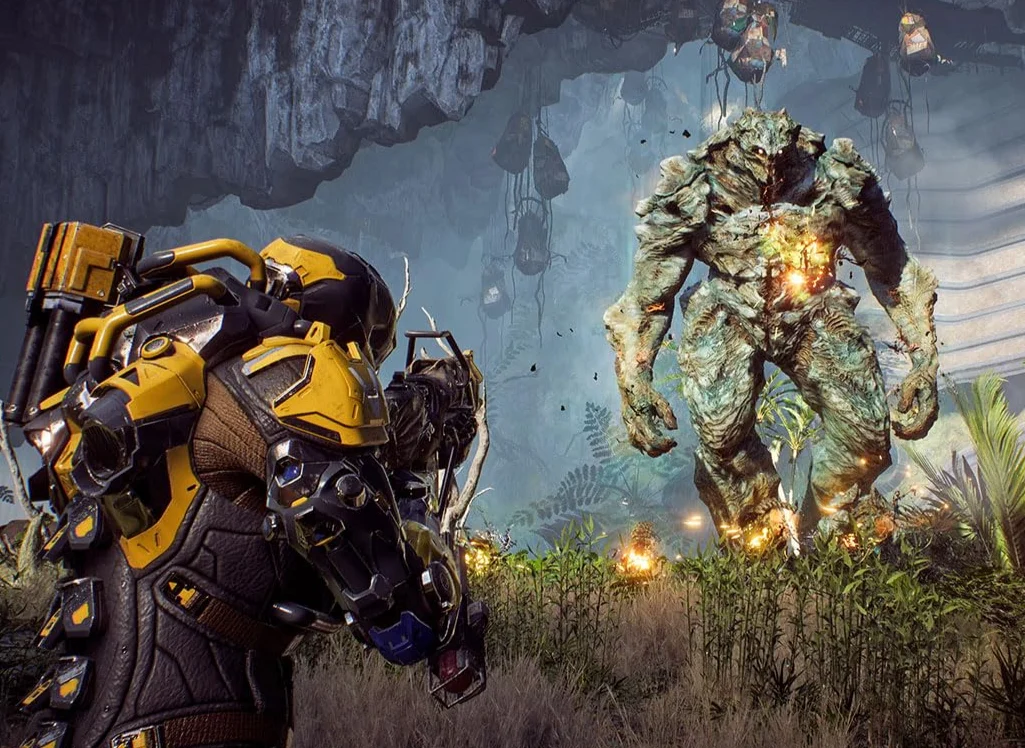
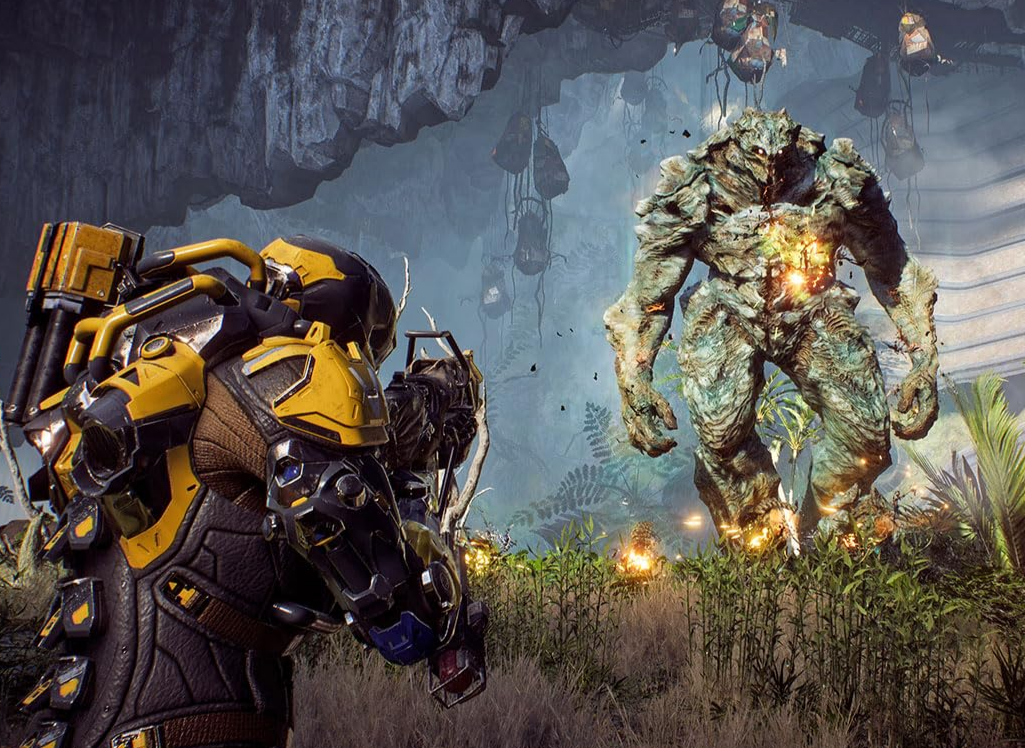
- Anthem: BioWare’s attempt to enter the looter-shooter space became synonymous with "launch failure." Between technical instability and a lack of meaningful endgame, it never recovered.
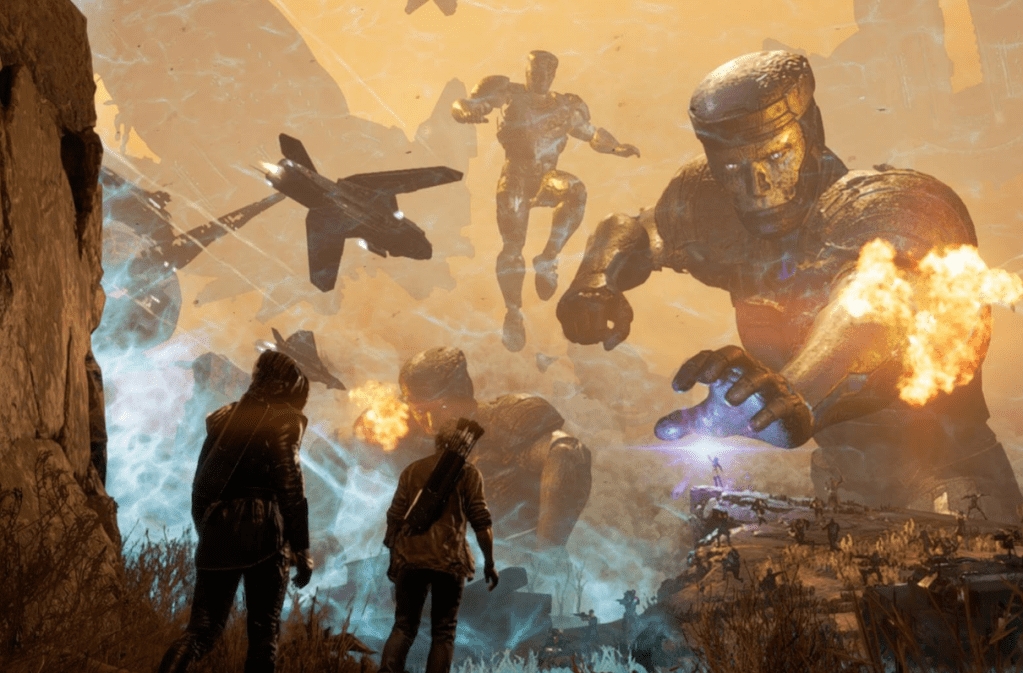
- Marvel’s Avengers: Despite the strength of the IP, the game was plagued by a repetitive loop that failed to evolve, leading to an early exit from the market.
The "What Could Have Been" List
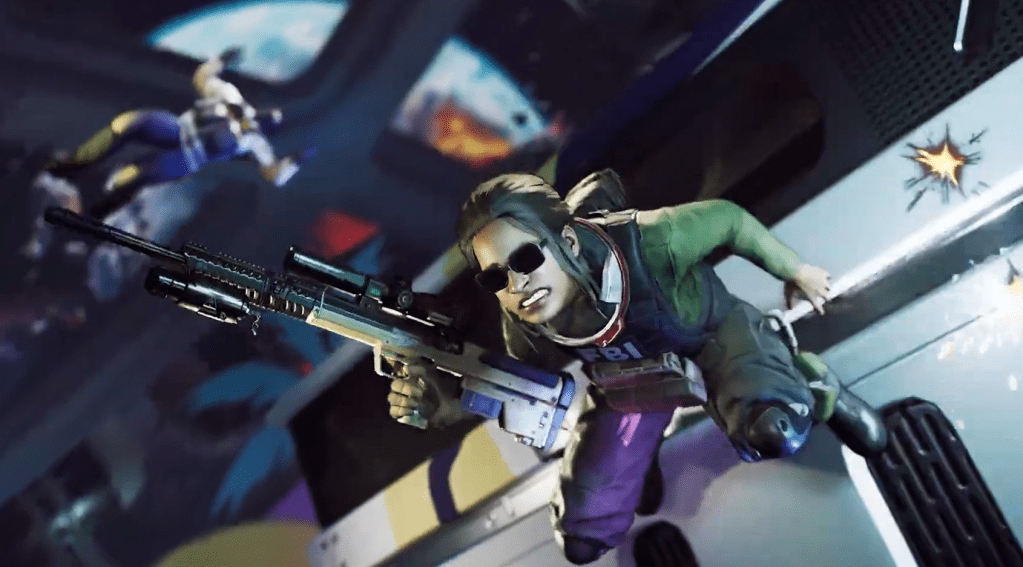
- Hyenas: A rare case where the plug was pulled before the public could even pass judgment, highlighting the brutal cost-cutting measures occurring within major publishers.
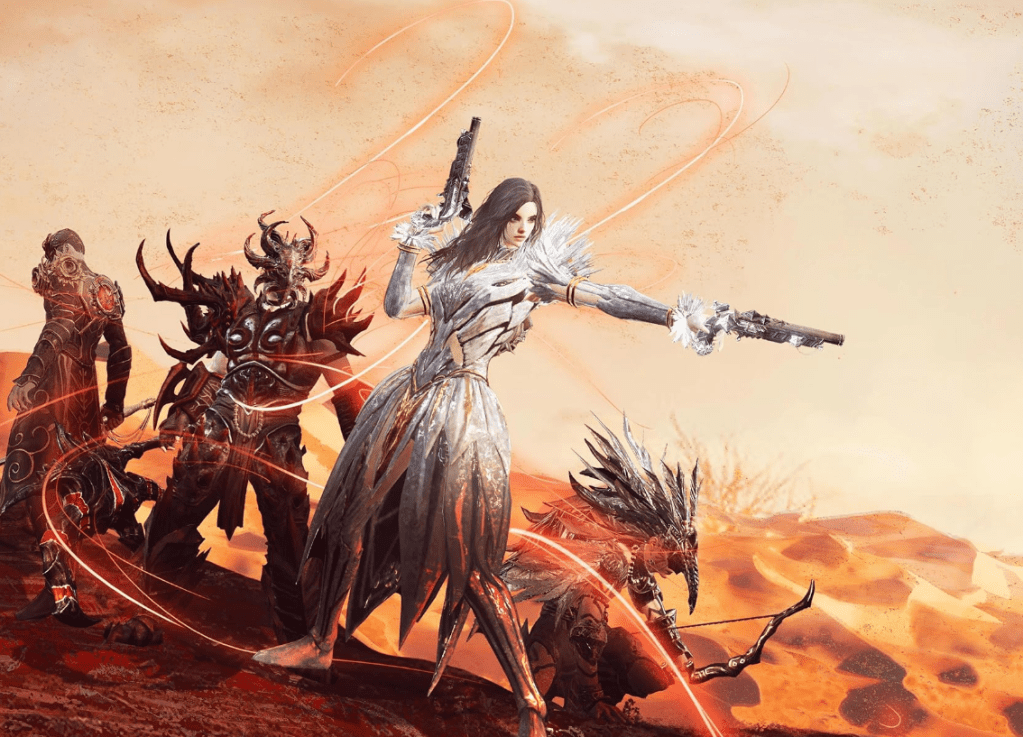
- Babylon’s Fall: A masterclass in how not to launch a service game. With a lack of polish and a shallow progression system, it was shuttered within a year.
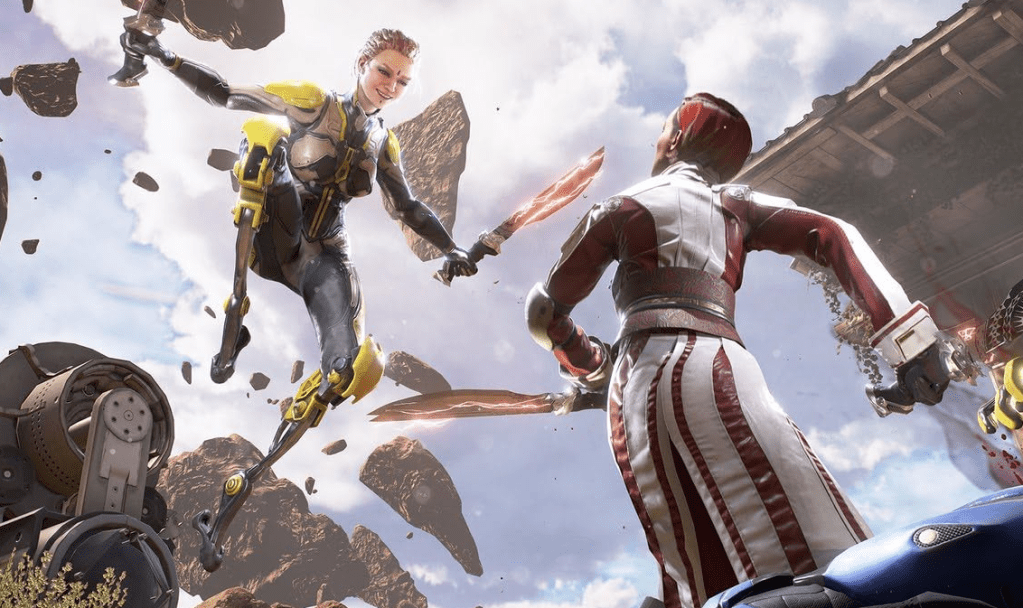
- LawBreakers: A high-skill, high-intensity shooter that was arguably ahead of its time but failed to penetrate the market dominated by established giants.
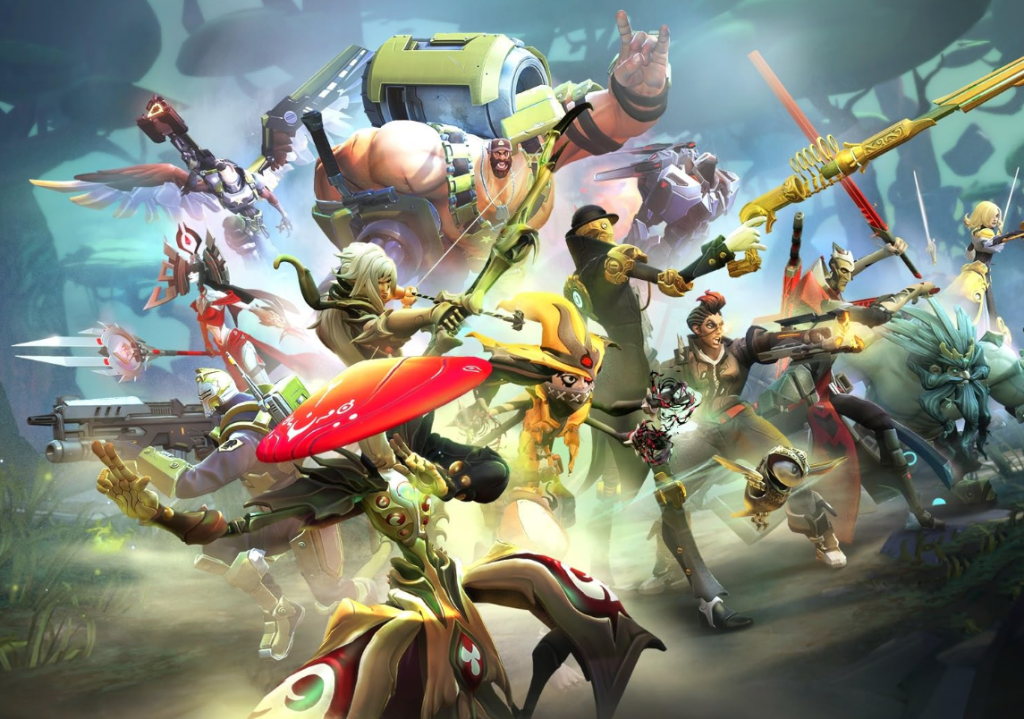
- Battleborn: Forever remembered as the "other" hero shooter that launched alongside Overwatch. It was a fatal case of poor timing.
- Spellbreak: A unique magic-focused battle royale that simply couldn’t maintain the critical mass required to sustain its servers.
- Knockout City: While the gameplay was innovative, the transition from a paid model to free-to-play was not enough to save a game that struggled to maintain its initial hype.
- Redfall: Arkane Studios is known for excellence, but Redfall was the exception. Its buggy, empty world made it impossible for a live-service framework to hold any weight.
- Crucible: Amazon’s first major gaming hurdle. The game was so poorly received that it was actually downgraded from a full release back to a closed beta before being cancelled.
- Evolve: A pioneer in asymmetric multiplayer that fell victim to aggressive monetization strategies that made potential fans turn away in droves.
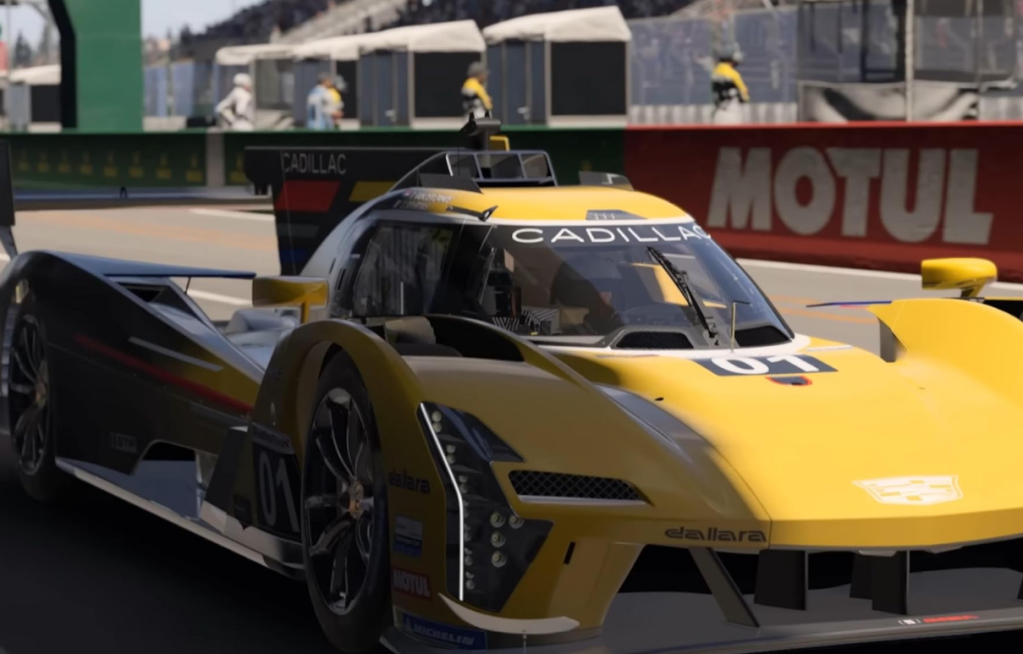
- Forza Motorsport: While not dead in the traditional sense, the reboot failed to capture the long-term racing audience due to a regressive progression system and technical hurdles that dampened the "evolving" promise.
Supporting Data: Why Players Leave
Data analytics from the last decade of gaming show a clear trend: the "First Week Cliff." If a live-service game does not retain at least 40% of its initial launch audience after the first month, the likelihood of a long-term recovery drops below 10%.
The average gamer is now juggling two, perhaps three, "forever" games. When a new title enters the market, it must replace one of those staples. The barrier to entry isn’t just price—it’s time. The games listed above failed not necessarily because they were "bad" (though some were), but because they asked for a commitment that the average player was already giving to games like League of Legends or Destiny 2.
Official Responses: The Corporate Spin
When these games falter, the response from publishers follows a predictable script:
- The "Pivot" Phase: Initially, developers promise that they are "listening to feedback" and that "big changes are coming."
- The "Refinement" Phase: Updates become smaller, and communication becomes sparse.
- The "Sunset" Phase: The studio announces that they are "focusing on other projects," which is industry parlance for "the servers are being turned off."
In the case of Babylon’s Fall, Square Enix was blunt, eventually acknowledging that the project failed to meet the expectations of both the company and the player base. Conversely, with Halo Infinite, Microsoft chose a slower, more painful route, keeping the lights on while slowly shifting resources toward newer iterations of the engine and franchise.
The Implications for the Industry
The "Live-Service Graveyard" has profound implications for the future of interactive entertainment.
1. The End of the "Me Too" Era
Publishers are finally realizing that they cannot simply copy the Fortnite model and expect success. The market is saturated. We are beginning to see a shift back toward high-quality, single-player, or premium multiplayer experiences that do not require a lifetime commitment.
2. The Cost of Failure
The financial risk of these failures is staggering. Hundreds of millions of dollars are being poured into games that, when they fail, provide no return on investment. This is forcing studios to look at smaller, more sustainable projects.
3. The Preservation Crisis
When a live-service game dies, the game itself often ceases to exist. Unlike a disc-based game from 1995 that you can still play today, these modern failures represent a form of "digital loss." When the servers go dark, the art, the code, and the experience vanish forever. This raises significant questions about the preservation of gaming history.
Conclusion
The dream of a game that lasts forever is, in many ways, an antithesis to the creative spirit of game development. Games are meant to be experiences, not jobs. The 15 titles mentioned here serve as a reminder that a budget, a brand, and a roadmap are not substitutes for a compelling, player-first experience. As the industry moves forward, it must learn that true success in the digital age comes not from trying to capture a player’s entire life, but from respecting their time and providing an experience worth remembering—even if it doesn’t last forever.











No comments yet. Be the first to join the conversation!