

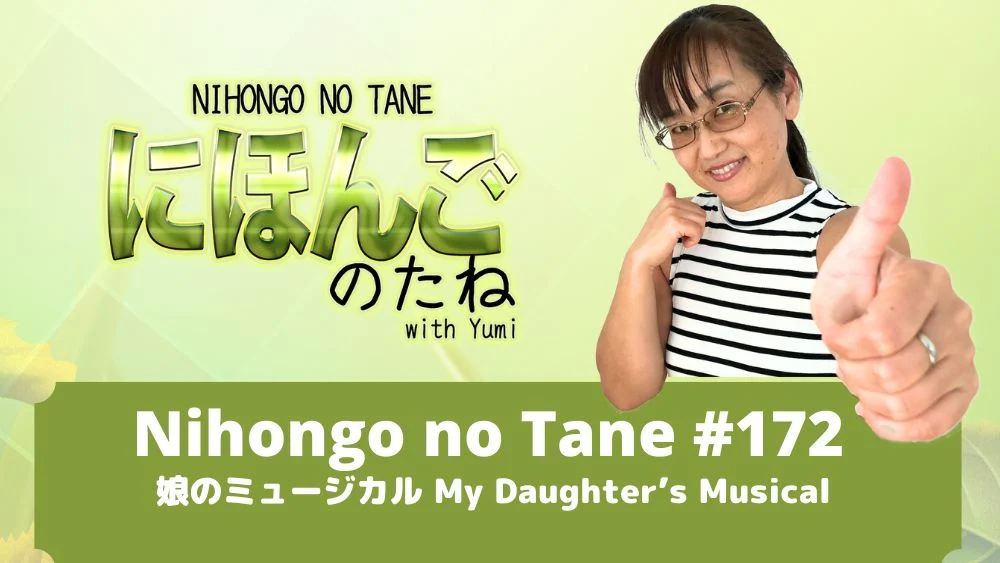
In the latest installment of the long-running Japanese language learning series Nihongo no Tane, host Yumi invites listeners into a deeply personal narrative. In the episode titled "My Daughter’s Musical," Yumi recounts the transformative journey of her 17-year-old daughter, who took a leap of faith by stepping onto the stage for her very first audition. What began as a nerve-wracking attempt to break into the world of theater evolved into a grueling, yet deeply rewarding, summer defined by intensive rehearsals and the exhilaration of live performance.
For students of the Japanese language, particularly those at the upper-beginner to intermediate levels, this podcast serves as more than just a linguistic tool; it offers a window into the dedication required to excel in the performing arts—a theme that resonates across cultures.
The Genesis of a Performance: Main Facts
The core of this episode centers on the transition from amateur interest to professional-level commitment. Yumi’s daughter, previously unaccustomed to the spotlight, decided to challenge herself by auditioning for a local musical production.
The narrative highlights three primary milestones:
- The Audition: Overcoming the initial barrier of entry, which required both vocal and dramatic courage.
- The Rehearsal Period: A summer-long commitment involving rigorous schedules, script memorization, and collaborative choreography.
- The Final Run: The successful execution of nine separate performances, marking a significant achievement for a high school student balancing extracurriculars with personal growth.
This story is presented as part of the Nihongo no Tane initiative, a platform dedicated to helping learners improve their listening comprehension through natural, engaging storytelling. By focusing on the emotional arc of a teenager’s summer, the podcast ensures that the language used is both relatable and contextual, making it an ideal resource for language acquisition.
Chronology of a Summer: From Nervousness to Success
The journey, as detailed by Yumi, followed a clear trajectory of development.
The Preparation Phase
Before the auditions even took place, there was a period of intense uncertainty. The decision to audition was not made lightly. Yumi describes the apprehension that often accompanies such a significant first step. For a 17-year-old, the stakes felt incredibly high, as the audition represented a test of self-confidence as much as talent.
The Audition and Casting
Upon successfully passing the audition, the reality of the commitment began to set in. The production was not a small-scale school play; it required a professional level of discipline. The casting process served as the first point of validation, proving that the daughter’s efforts were recognized by those in charge of the production.

The Rehearsal Grind
The summer months were consumed by rehearsals. The demands of the musical required the cast to be present for long hours, perfecting timing, vocal projection, and stage movement. This phase of the story illustrates the grit necessary to transition from a novice to a performer. It also highlights the importance of the support system—in this case, the family—that helped manage the daughter’s schedule and morale during the more exhausting stretches.
The Performance Run
The culmination of the summer was a series of nine performances. This number is significant; it indicates a professional-grade run that forces a performer to maintain consistency, energy, and emotional resonance night after night. By the final performance, the growth from the girl who walked into the initial audition was palpable.
Supporting Data: Why Narrative Learning Works
The Nihongo no Tane podcast is part of a broader pedagogical strategy utilized by The Japanese Page and Makoto+. Educational research suggests that language learners at the intermediate level often plateau when relying solely on textbook dialogues.
By utilizing "comprehensible input"—stories that are slightly above the learner’s current level but still understandable through context—learners can acquire vocabulary and grammatical structures more naturally. The story of the musical provides:
- Contextual Vocabulary: Words related to theater, auditions, rehearsals, and emotional states.
- Natural Pacing: Yumi’s narration provides a model for standard Japanese rhythm and intonation.
- Cultural Nuance: The story reflects Japanese cultural attitudes toward perseverance (ganbaru) and the social nature of group activities like musicals.
The effectiveness of this method is backed by the platform’s decision to offer supplemental resources, such as shadowing sentences and full transcripts. These tools allow learners to bridge the gap between "listening for the gist" and "mastering the details."
Official Perspective: The Makoto+ Philosophy
The producers behind Nihongo no Tane emphasize that their goal is to make the Japanese language feel alive. By sharing personal anecdotes, the creators avoid the sterile environment of traditional language apps.
According to their mission statement, the inclusion of bonus content—such as haiku lessons and tongue twisters—is designed to provide a comprehensive view of Japanese life and language. The "My Daughter’s Musical" episode is a flagship example of this, as it allows learners to explore the intersection of modern youth culture and the timeless art of storytelling.
For those looking to move beyond the free episodes, the Makoto+ membership provides access to over 100 podcasts. This archive is curated to provide a steady increase in difficulty, ensuring that as a learner’s proficiency grows, so does the complexity of the stories they encounter.

Implications for Language Learners
The implications of this episode for the average Japanese student are twofold: professional development and linguistic mastery.
Cultural Literacy
Understanding the dedication involved in a Japanese extracurricular activity provides insight into the society’s work ethic. The "summer of rehearsals" is a classic trope in Japanese media and life, highlighting the value placed on collective effort and the pursuit of excellence.
Strategies for Improvement
For the listener, this story acts as a roadmap for language study:
- Engage with Content You Care About: Much like the daughter’s passion for the musical, learners are more likely to succeed when they engage with topics that interest them.
- Consistency is Key: The daughter performed nine times; the language learner must listen nine (or ninety) times to master the nuances of the language.
- Seek Feedback: Just as the daughter relied on directors and peers, learners should utilize transcripts and shadowing exercises to refine their output.
Conclusion: The Power of Personal Stories
The "My Daughter’s Musical" episode is a testament to the power of shared experience. Yumi’s ability to weave a narrative that is both linguistically accessible and emotionally engaging serves as a reminder that language is, at its heart, a tool for human connection.
Whether you are an upper-beginner struggling with particles or an intermediate learner looking to refine your listening comprehension, this episode offers a compelling reason to keep practicing. As the summer of rehearsals proved for Yumi’s daughter, the path to success is paved with hard work, persistence, and the courage to take the first step.
For those who wish to delve deeper into the vocabulary used in the podcast or to challenge themselves with comprehension questions, the Makoto+ membership remains a vital resource. By integrating such narratives into a daily routine, learners can ensure that their own journey toward Japanese fluency is as successful and rewarding as a standing ovation on opening night.












No comments yet. Be the first to join the conversation!