


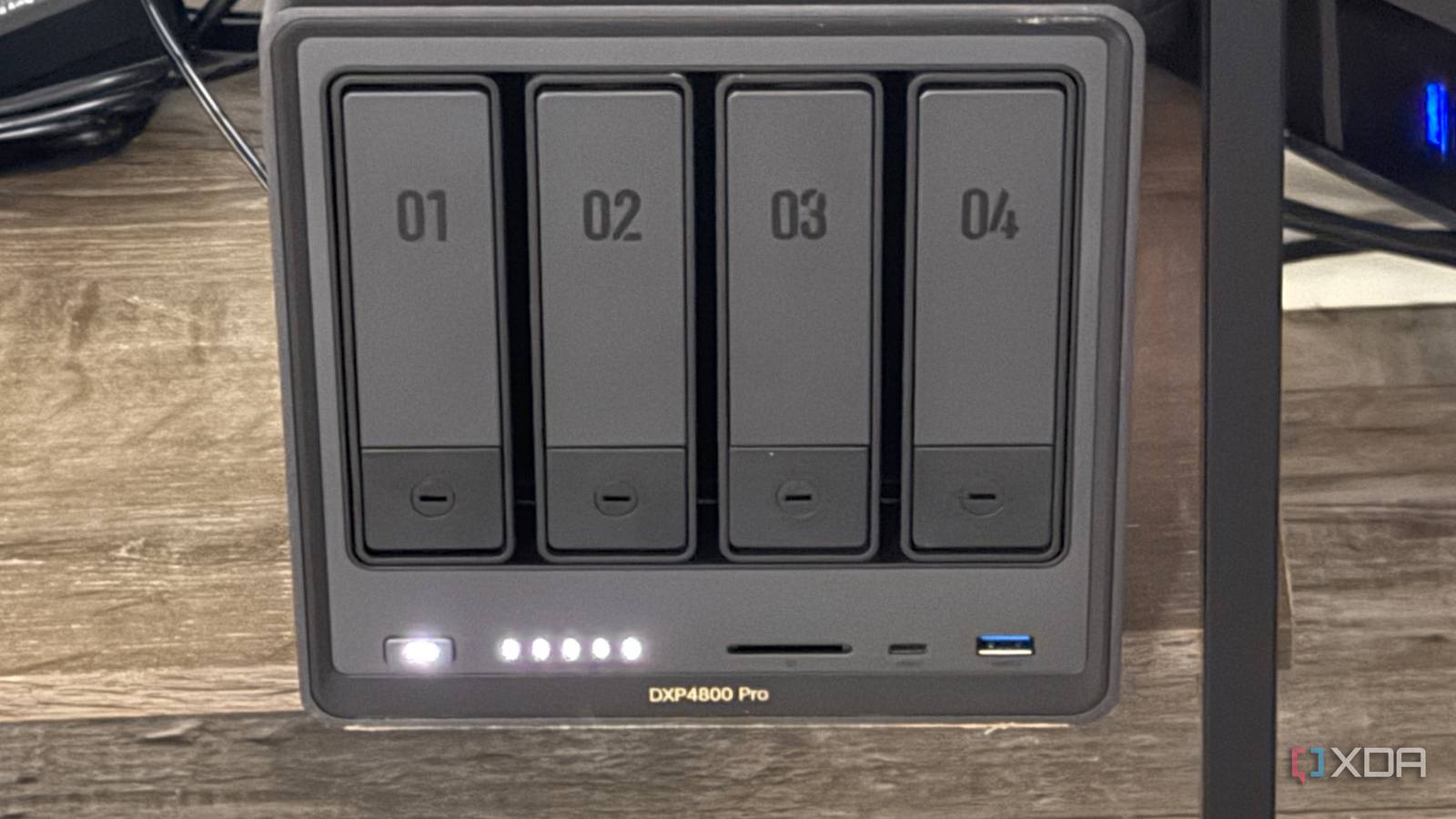
When I first unboxed the UGREEN DXP4800 Pro, my expectations were grounded in traditional utility. Like many enthusiasts who spend their weekends maintaining a home lab, I viewed a Network Attached Storage (NAS) device as a passive repository. It was intended to be the final destination for my digital footprint—a "better storage box" to replace a cluttered ecosystem of Raspberry Pis and budget mini PCs that had, over time, become a maintenance headache.
On paper, the DXP4800 Pro was perfect for this modest role. With its robust drive bays, reliable performance, and an appliance-like architecture, it promised to bring order to the chaos of my data management. However, what transpired over the following months was not a simple reorganization, but a fundamental shift in my home infrastructure strategy. The NAS ceased to be merely a storage destination and evolved into the central nervous system of my home network.
A Chronology of Consolidation
The shift from storage-exclusive device to multi-service powerhouse did not happen overnight; it was a slow, logical migration born of efficiency.
The Media Center Migration
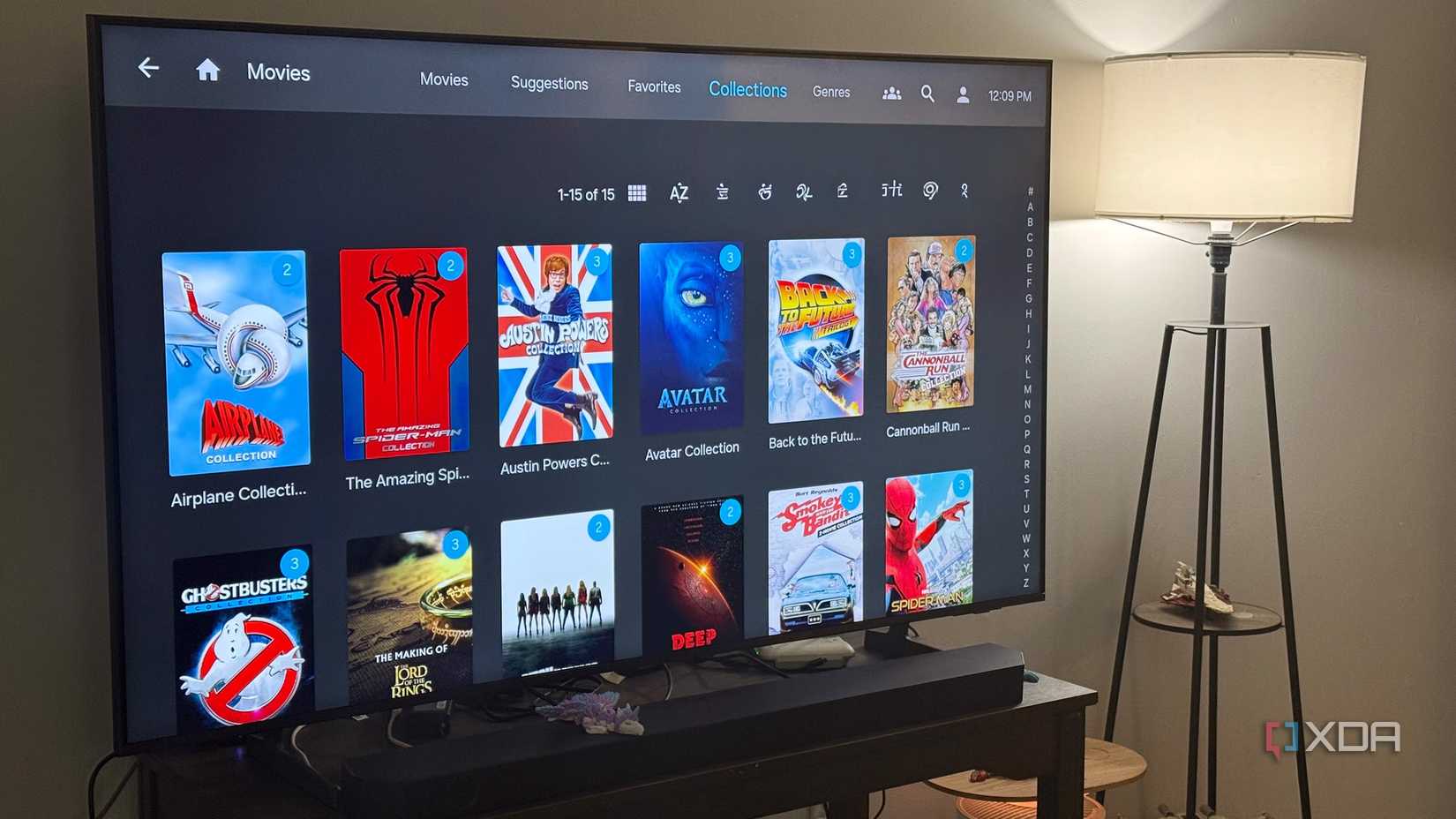
The first domino to fall was Jellyfin. Historically, my media server lived on a separate piece of hardware, detached from the actual physical drives where the content was stored. This architecture introduced unnecessary latency and complexity—constant network calls, permission handshakes between machines, and dual-layer troubleshooting. Since the UGREEN DXP4800 Pro already housed the media, it became irrational to keep the processing power anywhere else. Moving the service onto the NAS eliminated the "middleman" network hop, streamlining the streaming experience significantly.
The Infrastructure "Cleanup"
Once the media server was successfully localized, I began to look at the "background noise" of my home lab: the low-maintenance, high-availability services that are rarely seen but deeply missed when they go offline.
Pi-hole, paired with Unbound for recursive DNS, was the next candidate. These services are the gatekeepers of my network’s privacy and performance. Previously, they resided on a dedicated virtual machine within my Proxmox cluster. While technically sound, it felt like an over-allocation of resources. Migrating these to the NAS proved that the DXP4800 Pro had enough computational headroom to handle these background tasks without breaking a sweat.

Establishing Stability
Finally, I moved my RustDesk relay server to the NAS. Remote access is a mission-critical utility for any home lab enthusiast. By housing the relay on the same box that holds my data, I ensured that as long as the NAS was powered on, my remote access bridge remained stable. What started as a project to clean up my desk ended with a highly efficient, consolidated service hub.
Technical Specifications: The Power Under the Hood
To understand why this consolidation is possible, one must look at the hardware driving the UGREEN DXP4800 Pro. This is not a stripped-down, low-power file server; it is a versatile computing unit.
| Component | Specification |
|---|---|
| CPU | Intel Core i3-1315U |
| Memory | 8GB (Expandable to 96GB) |
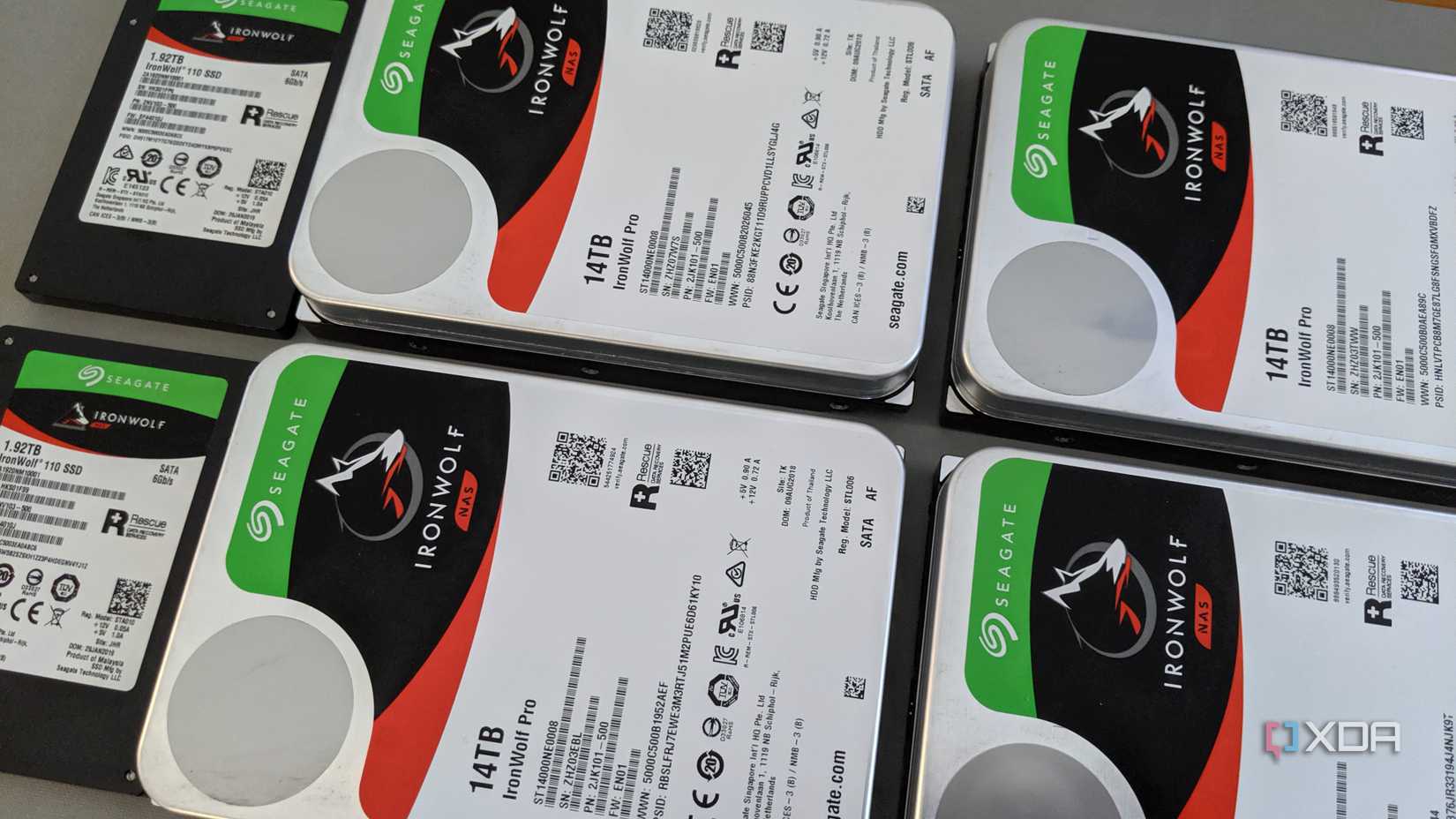
| Storage Bays | 4 x SATA, 2 x M.2 NVMe SSD |
| Connectivity | 10GbE LAN, 2.5GbE LAN, USB-C/A ports |
| Caching | Dual M.2 NVMe slots (up to 8TB) |
The inclusion of the Intel Core i3-1315U provides the necessary single-core and multi-threaded performance to handle multiple Docker containers or VMs simultaneously. The ability to expand memory up to 96GB effectively turns the NAS into a legitimate virtualization host, rivaling the capability of many rack-mount servers from just a few years ago.

The Risks of Consolidation: Avoiding the "Junk Drawer" Effect
While my transition to a centralized NAS architecture has been overwhelmingly positive, it comes with significant caveats that every home lab operator must consider.
The primary danger is the creation of a single point of failure. When a home lab is spread across five distinct devices, a single hardware failure is a nuisance—a temporary outage of a specific service. When that lab is consolidated onto a single NAS, a motherboard failure or a bad firmware update transforms into a total systems collapse. If the NAS goes down, I lose my media server, my ad-blocking, my DNS resolution, and my remote access simultaneously.
Furthermore, there is the psychological "junk drawer" trap. Because the DXP4800 Pro is so capable, it is tempting to dump every experimental project, beta software, and half-finished container onto it. This lack of discipline leads to "configuration drift," where the host system becomes cluttered with dependencies, making it increasingly difficult to troubleshoot when something inevitably goes wrong.
Implications for Future Home Lab Design
The trajectory of my home lab now follows a "deliberate boringness" philosophy. I have learned that the best workloads for a NAS are the ones that are stable, predictable, and essential.
- Proximity Matters: Services that rely heavily on large data sets (like Jellyfin or Nextcloud) benefit significantly from being hosted on the same hardware as the storage.
- Infrastructure Efficiency: Small, "always-on" services like DNS (Pi-hole/Unbound) or remote relays should be hosted on the most reliable, power-efficient piece of hardware in the rack. For me, that is the NAS.
- Experimental Isolation: I have adopted a strict rule: if a service is experimental, unstable, or requires heavy dependencies that might conflict with the NAS OS, it stays on a separate, dedicated mini PC or a remote test node.
Conclusion: The Quietest Box, The Most Important Tool
The transformation of the UGREEN DXP4800 Pro from a storage device to a central server has redefined how I manage my domestic digital infrastructure. It has not eliminated the need for other machines—I still rely on my Proxmox cluster for heavy lifting and experimental testing—but it has fundamentally changed their purpose.
My other machines have been freed from the burden of running small, constant background tasks. They have returned to their original intent: serving as test beds, specialized compute nodes, and playgrounds for new technology.
The DXP4800 Pro did not become the "backbone" of my lab by being the fastest or the most powerful machine in the room. It became the backbone because it was the most stable, the most quiet, and the most reliable. In the world of home labs, sometimes the most important tool is not the one that draws the most attention, but the one that allows everything else to function without a second thought. For the modern enthusiast, the modern NAS is no longer just for storage—it is the bedrock upon which the rest of the lab is built.












No comments yet. Be the first to join the conversation!