Evan Lee Salim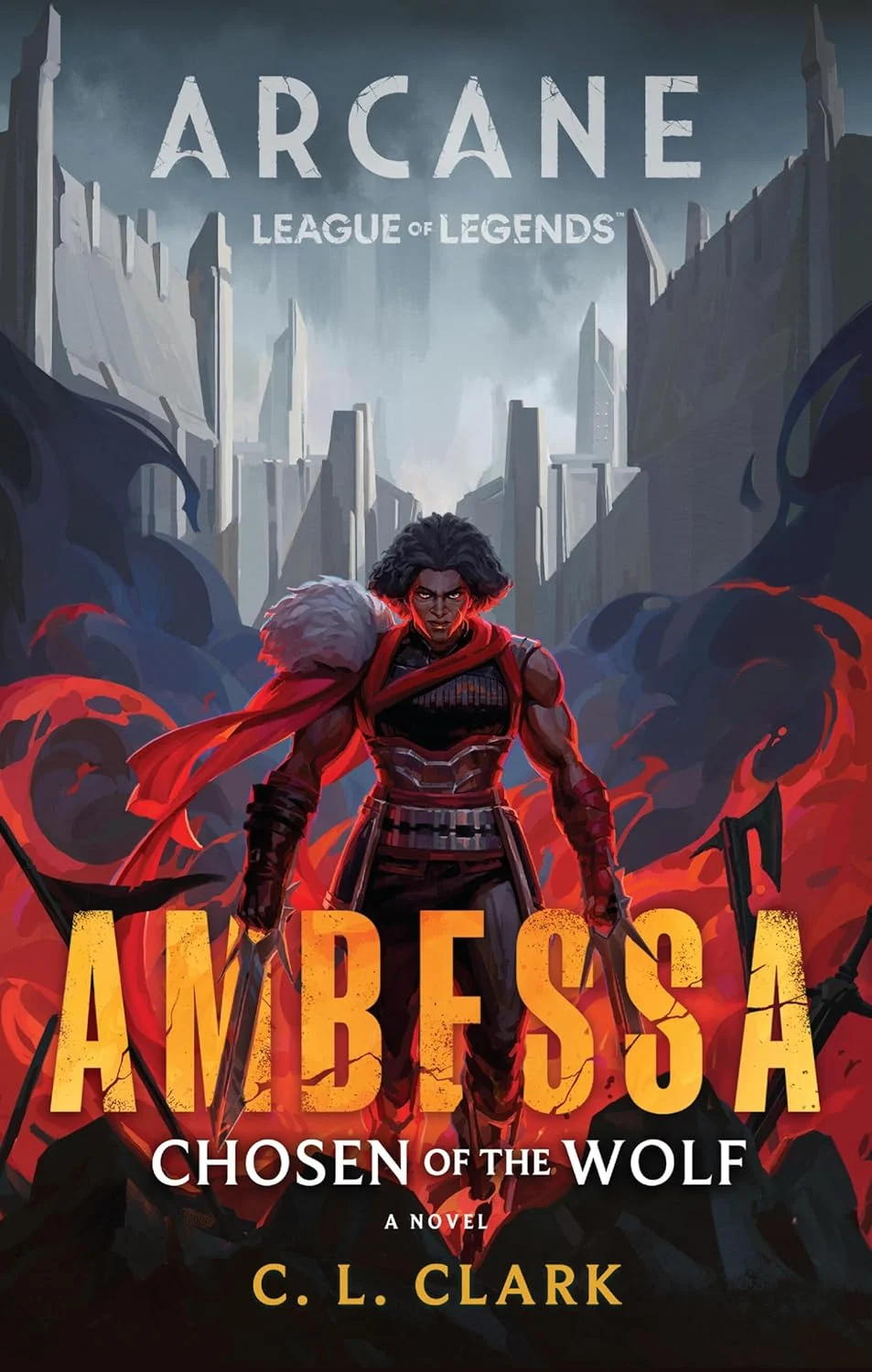
In the landscape of modern media, the line between a digital product and a cultural phenomenon is increasingly porous. The release of C.L. Clark’s Ambessa: Chosen of the Wolf—a prequel novel to the critically acclaimed animated series Arcane—serves as a primary case study in this new era of transmedia storytelling. By synthesizing the brutal, high-stakes political landscape of Riot Games’ League of Legends universe with the nuanced, character-driven prose of a master of military fantasy, the novel acts as both a bridge for existing lore and a gateway for a new, algorithm-driven audience.
The Convergence of Fandom and Technology
The trajectory of Arcane (2021–2024) is inextricably linked to the mechanics of late-stage digital recommendation engines. For many, the show did not arrive as a planned appointment-viewing event, but as a "torrent of discovery" triggered by the algorithm’s recognition of a specific cultural craving. Following the drop of Arcane’s second season, social media feeds became saturated with content celebrating the canonization of the "CaitVi" relationship—the central sapphic dynamic between Vi, the rugged undercity brawler, and Caitlyn, the aristocratic Enforcer.
This intense, organic engagement created a feedback loop. Algorithms, detecting a surge in interest among queer women and fans of character-heavy animation, began prioritizing fan art, cosplay tutorials, and "ship" edits. This digital ecosystem functioned as a hyper-efficient marketing arm, priming audiences for deeper dives into the League of Legends lore, of which Ambessa Medarda is a pivotal, if intimidating, figure.
Chronology: From MOBA to Multimedia Titan
The history of Riot Games’ IP development is one of expansion, moving from the League of Legends MOBA (2009–) into the serialized storytelling of Arcane.
- 2009–2020: The world of Runeterra is established primarily through gameplay, champion biographies, and cinematic trailers. Character arcs are secondary to the competitive nature of the game.
- 2021: Arcane Season 1 premieres, introducing global audiences to the Medarda clan and the political tension between Piltover and Zaun.
- 2024: Arcane Season 2 cements the show’s status as a queer cultural touchstone.
- 2025–2026: Riot Games pivots toward a strategy of prose-based expansion. By enlisting C.L. Clark—an author whose Magic of the Lost trilogy had already established a high bar for military and political fantasy—Riot signaled an intent to lend their IP a literary weight that gameplay alone cannot provide.
Ambessa: Chosen of the Wolf serves as the crystallization of this effort, arriving as a narrative prequel that contextualizes the warlord’s rise to power well before she enters the political fray of Piltover.
Supporting Data: The Synergy of Author and IP
The choice of C.L. Clark for this project was not merely a commercial assignment; it was a thematic alignment. Clark’s own work—notably The Unbroken—is defined by its exploration of colonial violence, the psychological toll of power, and the intersection of sapphic desire with revolutionary struggle.
The Authorial Signature
Clark brings a specific, signature physicality to her writing. Readers of her original work are accustomed to descriptions of swordplay and intimacy that reflect a deep understanding of strength training and anatomical detail. In Ambessa, this translates into a portrayal of the warlord that moves beyond the "monster heel" archetype often seen in professional wrestling or gaming.
Where the show presents Ambessa as an immovable obstacle—a matriarch demanding toughness from her children—the novel provides the "interiority of command." Clark manages to ground the Noxian lore in tangible, sensory details, such as food culture inspired by Ethiopian traditions, elevating the setting from a generic fantasy backdrop to a lived-in, culturally rich world.
The Role of the Arena
A recurring motif in the novel is the arena. In a nod to the game’s origins as a multiplayer combat experience, the arena serves as the crucible for character development. It is the site of Ambessa’s trials, the space where she scouts recruits for her warband, and the setting for the introduction of characters like Rell—a champion familiar to League players but a revelation to Arcane-only viewers. The arena acts as a metatextual acknowledgement of the franchise’s roots: a space of perpetual, high-stakes combat.
Official Strategy and Market Implications
Riot Games’ strategy with Ambessa and similar tie-ins is a calculated move to secure long-term audience retention within the "Runeterra" ecosystem. By commissioning professional novelists, Riot is effectively converting "watchers" into "readers," and eventually, into "players" or consumers of future animated spin-offs.
The Commercial Bargain
As a franchise novel, Ambessa operates under constraints that differ from Clark’s independent work. The narrative pace is dictated by the commercial needs of the IP—it must lead into established plot points, such as Mel’s eventual move to Piltover. Unlike the nuanced, slow-burn political intrigue found in The Unbroken, Ambessa must maintain a velocity that satisfies the high-action expectations of the gaming community.
Furthermore, there is a clear "marketing-first" approach. The novel is designed to generate hype for future projects, particularly those rumored to focus on the Black Rose society, the shadow organization pulling the strings behind the scenes in Arcane.
The "Word-of-Algorithm" Success
Despite these commercial guardrails, the book succeeds as a piece of literature because it treats the character with dignity. By allowing Ambessa to be a mature Black woman who balances warlike fervor with sexual desire, motherhood, and political maneuvering, Clark subverts the typical limitations of fantasy tropes. The novel offers a reparative approach to characters who might otherwise be relegated to two-dimensional antagonists.
Conclusion: The Future of Transmedia
The success of Ambessa: Chosen of the Wolf highlights a significant shift in how intellectual property is managed. We have moved past the era of the "tie-in" novel as a mere cheap cash-grab. Today, these books serve as essential components of a broader, interconnected multimedia universe.
For the reader who came to the book via the algorithm—drawn in by the sapphic tension of Vi and Caitlyn or the visual splendor of Arcane—this novel provides a deeper understanding of the forces that shape their favorite characters. For the author, it provides a massive platform to showcase themes of power, complicity, and resilience.
Ultimately, Riot Games is banking on the idea that the "world" is the product. Whether through the screen, the page, or the controller, the audience is being invited to inhabit a space where the politics of the battlefield are just as complex as the politics of the bedroom. As the Arcane saga continues to evolve, the integration of literary depth into gaming IP will likely become the gold standard, ensuring that even as players turn off their consoles, they remain tethered to the world of Runeterra through the narratives they read.
For those who started their journey with a recommendation on a feed, the path now leads to an expansive library of lore, promising that while the animation may have been the hook, the story is far from over.

 Nana Wu