

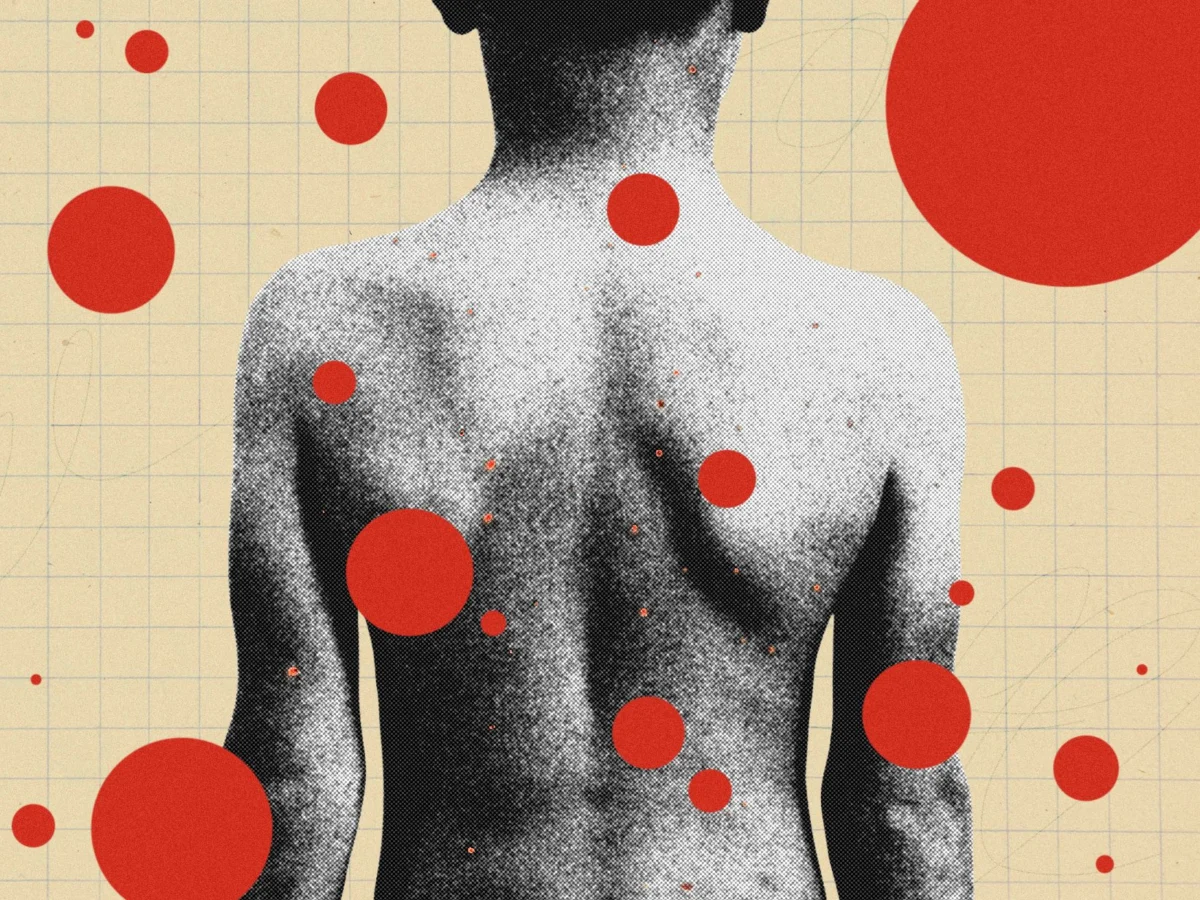
For generations of Gen X and millennial children, the memory of chickenpox is etched in skin and narrative: the relentless, all-consuming itch, the sticky application of calamine lotion, and the indignity of wearing oven mitts to prevent the frantic scratching of blistered skin. For many, this was a formative childhood ritual—a "rite of passage" that often involved being intentionally exposed to a sick friend or relative.
Today, however, that narrative has shifted. With the advent of the varicella-zoster vaccine, chickenpox is no longer an inevitable childhood milestone in much of the developed world. Yet, as the medical community celebrates decades of success in curbing the virus, a troubling trend is emerging. From the fringes of online parenting forums to the algorithms of TikTok, the "chickenpox party"—a practice largely considered a relic of the 20th century—is showing signs of an unwanted revival.
A Legacy of Controlled Infection: The History of the Chickenpox Party
Before the widespread adoption of the varicella vaccine in the mid-1990s, the varicella-zoster virus was a constant, inescapable shadow in childhood. In temperate climates like the United States and the United Kingdom, approximately 90 percent of children contracted the virus before reaching adolescence. Because the disease is generally perceived as a mild, self-limiting illness in young children, parents operated under a pragmatic, if medically misguided, logic: "get it over with."
The term "chickenpox," which likely derives from the French pois chiche (chickpea) due to the shape and size of the telltale blisters, belies a more serious reality. Because the virus can be significantly more severe—and occasionally life-threatening—in adults and adolescents, parents sought to "control" the timing of the infection.
"You were trying to have your child get the disease when they were at the greatest chance of not having complications," explains Dr. Maureen Tierney, associate dean of clinical research and public health at Creighton University. "The rationale was to manage the infection in a ‘controlled environment.’ Families were ready to deal with it, get it over with, and move on."
In the pre-internet era, these parties were organized through informal social networks: school yards, church groups, and pediatric waiting rooms. There was never an official medical recommendation for such gatherings, yet they became a staple of community parenting, fueled by the assumption that infection was an inevitable fact of life.
The Science of Risk: Why "Natural" Isn’t Always Better
The fundamental flaw in the logic of the chickenpox party lies in the unpredictable nature of the immune response. While the vast majority of children recover from chickenpox within a week or two, the virus is not harmless. Approximately three in every 1,000 cases result in severe complications, including bacterial skin infections, pneumonia, meningitis, or encephalitis (inflammation of the brain).
"Some kids get really, really sick," says Jill Morgan, a professor at the University of Maryland School of Pharmacy. "The problem is, if you had these parties, you didn’t know which kids would get over it and be OK, and which kids would end up in the hospital."
Dr. Tierney recalls the stark reality of those risks from her early practice: "I had an otherwise healthy adult patient who died of chickenpox pneumonia. You never forget those scenarios." By intentionally exposing children to the virus, parents were not only gambling with their own child’s health but were also creating a vector for transmission to immunocompromised individuals, pregnant women, and the elderly—populations for whom the virus can be catastrophic.
The Vaccine Revolution: Statistical Triumphs
The introduction of the routine varicella vaccine fundamentally altered the trajectory of the virus. A 2018 analysis of global vaccination trends reveals a dramatic reduction in infection rates in countries that implemented universal childhood vaccination programs, such as the United States, Germany, and Australia.
In the United States, the Centers for Disease Control and Prevention (CDC) reports a roughly 97 percent drop in reported cases since the vaccine was introduced. The impact is echoed globally: Uruguay reported a 94 percent reduction among young children, Canada a 93 percent drop, and Spain an 80 percent decline. These figures represent thousands of hospitalizations averted and countless lives spared from the potential complications of the varicella-zoster virus.
However, the virus remains a latent, opportunistic threat. Even after the initial infection clears, the virus remains dormant in the body’s nerve tissue, waiting to potentially resurface decades later as shingles. Shingles can lead to chronic, long-lasting nerve pain, and recent research has even linked the virus to a higher risk of heart attack and stroke. Furthermore, emerging studies suggest that the shingles vaccine, which targets the same virus, may provide secondary benefits, including lower risks of dementia and slower aging, further underscoring the importance of immunization.
Digital Echoes: The Resurgence of Skepticism
Despite the overwhelming medical consensus, the anti-vaccination movement has gained renewed traction in the wake of the Covid-19 pandemic. Vaccine skepticism, once confined to niche corners of the internet, has migrated to mainstream digital platforms. Algorithms optimized for high engagement often amplify misinformation, leading to a rise in "natural immunity" advocacy.
This movement has moved beyond abstract debate and into tangible, often shocking, territory. Last year, the owner of a children’s indoor activity center in the UK discovered that parents were attempting to organize a chickenpox party within her facility, prompting her to label the behavior as "shocking and selfish." On platforms like TikTok and Facebook, ironic posts about "grass-fed, free-range" parenting choices are increasingly giving way to serious inquiries about how to facilitate infection.
"The tricky part is that when you have such good vaccines, you’re really good at preventing infections," notes Professor Morgan. "We’ve got a catch-22. We’ve prevented those things, but we can’t forget them."
The Broader Implications: A Public Health Warning
The concern among public health experts is that the "chickenpox party" mentality is a symptom of a larger, systemic erosion of public trust in vaccination. The World Health Organization (WHO) has issued urgent warnings regarding the increase in vaccine-preventable disease outbreaks worldwide. Measles, which was once on the verge of eradication, has seen a resurgence in the United States, with 2025 recording the highest number of confirmed cases since 1991.
"That’s a problem," says Morgan. "I’m waiting to hear that the same thing is going to happen with chickenpox."
The irony of the current climate is that the success of the vaccine has made the dangers of the disease seem distant or even non-existent to new generations of parents. When a disease is rarely seen, the fear of the infection wanes, while the fear of the vaccine—often stoked by unchecked digital misinformation—grows.
Public health organizations are now tasked with the difficult job of "re-educating" the public about the risks of diseases that were once common. The goal of eradicating chickenpox, much like the successful global eradication of smallpox, remains a possibility, but only if the momentum of vaccination is maintained.
Conclusion: Bridging the Knowledge Gap
The chickenpox party was a product of a different era—a time when parents felt helpless against a seemingly inevitable childhood disease. In 2025, that helplessness is no longer reality; it is a choice.
As society grapples with the influence of digital platforms on public health, the challenge is clear: we must ensure that the progress made over the last thirty years is not undone by nostalgia or misinformation. Protecting the vulnerable—those who cannot be vaccinated—requires a collective commitment to science. As experts like Dr. Morgan emphasize, "By vaccinating patients, we protect the people who can’t get the vaccine."
Diseases may be difficult to eliminate completely, but they are opportunistic. They wait for lapses in immunity and cracks in public resolve. The battle against the varicella-zoster virus is as much a battle against the "stubborn cultural ideas" that keep these illnesses alive as it is a biological one. If we allow the past to be romanticized at the expense of science, we risk returning to a time when the "relentless itch" was the least of our worries.












No comments yet. Be the first to join the conversation!