Suro Senen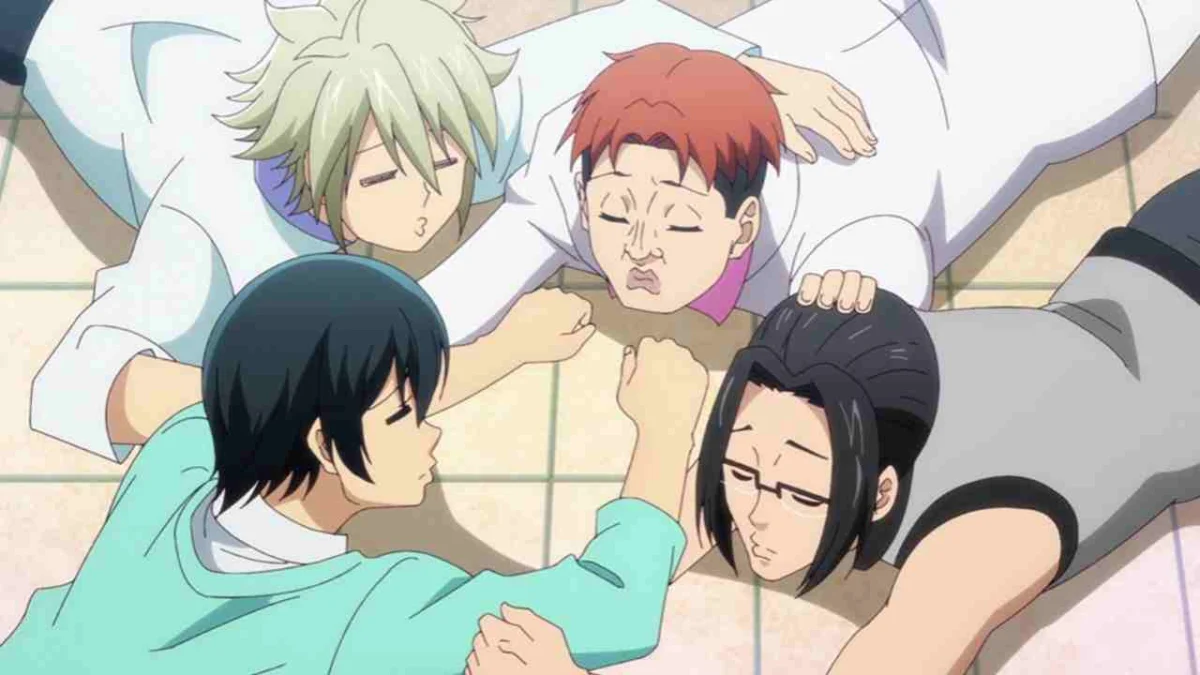
The return of Grand Blue Dreaming for its long-awaited second season has brought with it the same brand of chaotic, alcohol-fueled, and often indecent comedy that made the original 2018 run a cult classic. Episode 5, which aired recently, centered on the high-stakes antics of the Oumi Women’s Festival—an event that should be a highlight of the college social calendar but, in true Grand Blue fashion, devolved into a series of humiliations, misunderstandings, and social sabotage.
As the series moves toward its sixth episode, the narrative tension (and the absurdity) continues to escalate. This article provides a detailed analysis of the current state of the series, a chronological breakdown of the latest events, production insights, and what fans can expect as the festival arc reaches its climax.
I. Main Facts: Release Schedule and Streaming Availability
For fans tracking the weekly progression of Iori Kitahara and his band of eccentric peers, the release schedule remains consistent. Despite the frantic nature of the plot, the production behind the scenes is running smoothly.
- Episode (TBA – Episode 6)
- Release Date: Monday, August 11, 2025.
- Streaming Platform: Crunchyroll holds the international streaming rights for Grand Blue Dreaming (known as Grand Blue in Japan).
- Production Status: There are no reported delays or hiatuses for the upcoming week. The series continues its weekly broadcast on Japanese networks before hitting international streaming services shortly thereafter.
The second season, produced by Studio Zero-G (who also handled the first season), has maintained the distinctive art style characterized by "titan-faced" expressions and high-contrast comedic reactions, ensuring that the visual gag delivery remains as sharp as the manga’s source material.
II. Chronology of Events: A Deep Dive into Episode 5
Episode 5 served as a pivotal moment in the Oumi Women’s Festival arc, focusing on the intersection of social desperation and unintentional self-sabotage.
The Maid Cafe Debacle
The episode opened with Iori Kitahara and Kouhei Imamura finding themselves trapped in a nightmare scenario: the maid cafe organized by Aina Yoshiwara’s academic major. Contrary to the idealized "moe" aesthetic usually found in anime, this cafe featured "maids" (mostly Aina’s classmates) wearing unsettlingly thick, cakey makeup that bordered on the grotesque.
Due to a severe staffing shortage, Iori, Kouhei, and Chisa Kotegawa were coerced into helping. While Chisa managed to maintain some dignity, Iori and Kouhei were forced into crossdressing. This led to a series of comedic set-pieces involving:
- The Visit of the "Friends": Aina’s friends from the first season appeared, immediately recognizing Iori despite his disguise. They took the opportunity to document his humiliation through photography, a recurring theme where Iori’s social standing is constantly threatened by digital evidence.
- Azusa’s Arrival: The ever-perceptive Azusa Binba visited the cafe and, unlike the others, saw through the disguises instantly. However, her visit served a dual purpose, acting as the catalyst for the episode’s secondary plotline involving Kouhei.
Kouhei’s Idol Mission
Kouhei’s character has always been defined by his singular obsession with voice actors (seiyuu). When Azusa revealed that a friend working as stage staff for the festival’s headline VA concert was facing technical difficulties, Kouhei’s priorities shifted instantly.
Despite the cafe being understaffed, the group allowed Kouhei to leave to assist with the concert. This moment highlighted a rare instance of genuine camaraderie; while they often torment each other, the members of the Peek-a-Boo (PaB) diving club respect each other’s "true passions," no matter how niche or obsessive they may be.
The Betrayal of the "Normies"
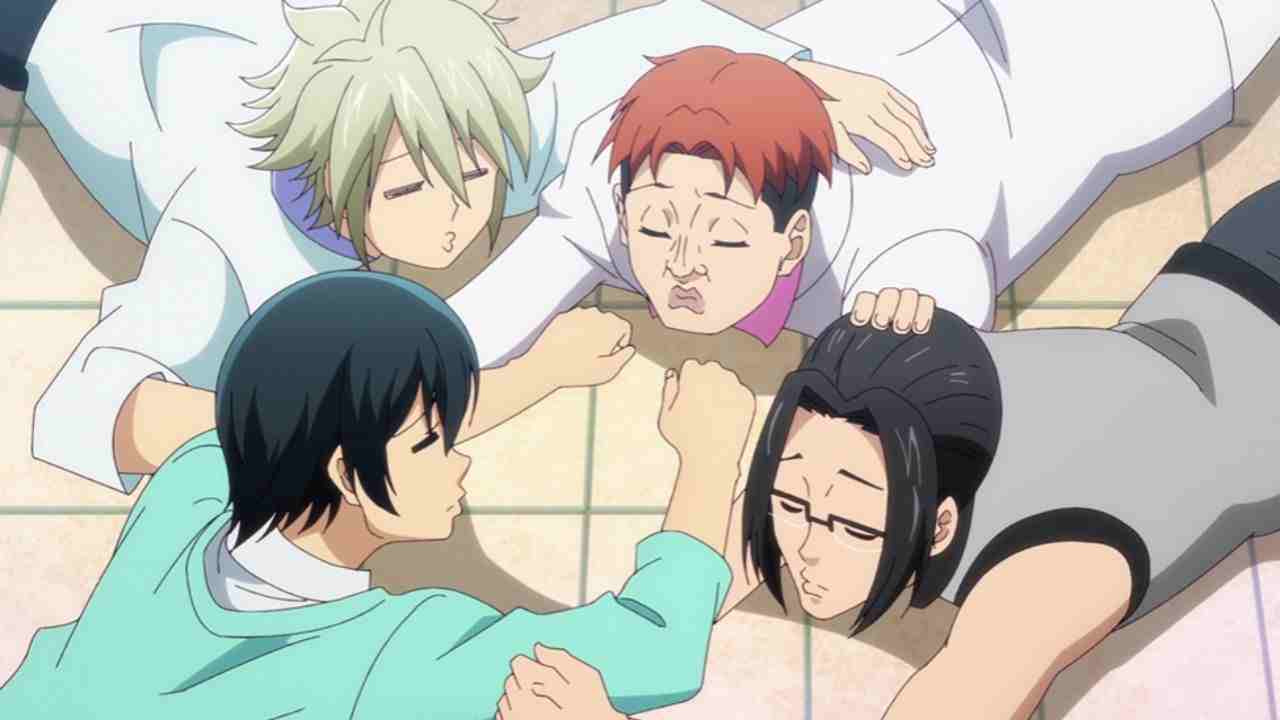
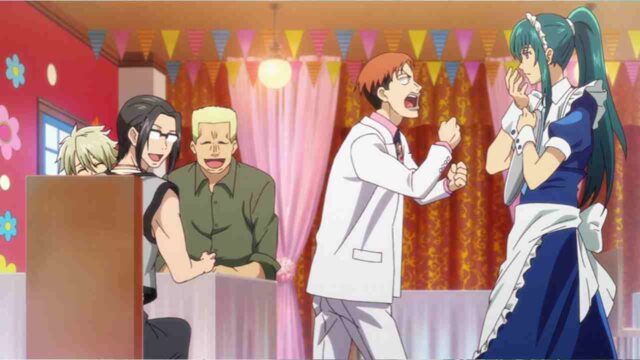
The emotional and comedic core of the episode arrived when Iori’s "normal" college friends—the group of men who frequently serve as foils to the PaB club’s insanity—visited the cafe. They failed to recognize Iori in his maid attire and makeup, even finding his "feminine" persona somewhat attractive.
Iori, eavesdropping on their conversation, discovered their true intentions: they had planned to ditch him for the remainder of the festival, citing his tendency to strip in public and his generally embarrassing behavior as a liability to their chances of meeting women.
The "False Accusation" Revenge
In an act of petty but brilliant vengeance, Iori leaned into his maid persona. He successfully baited his friends into a situation where it appeared they were harassing a "defenseless girl." The scene culminated in Iori summoning security and having his friends forcibly removed from the campus.
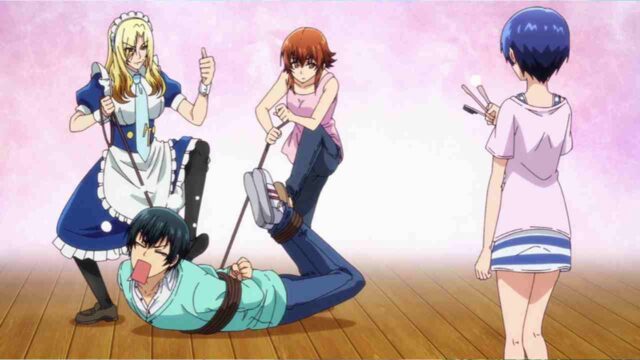
However, this victory was short-lived. Aina, who had been under immense pressure to make the cafe a success, was enraged by the ruckus Iori caused. In a fit of righteous fury, she had Iori himself expelled from the premises, leaving him banned from the very festival he was trying to enjoy.
III. Supporting Data: Production and Contextual Analysis
To understand the impact of Grand Blue Dreaming Season 2, one must look at the data surrounding its production and the legacy of its source material.
The Source Material
Grand Blue Dreaming is based on the manga written by Kenji Inoue (the creator of Baka and Test) and illustrated by Kimitake Yoshioka. Since its serialization in Kodansha’s Good! Afternoon magazine in 2014, it has become one of the most successful "seinen" comedy series in the world. As of 2024, the manga has over 9 million copies in circulation.
Studio and Direction
The return of Studio Zero-G is significant. While many sequels change studios (often resulting in a shift in art style), Zero-G’s retention ensures continuity in the "ugly-cry" and "shock-face" humor that defines the series. The direction continues to prioritize timing and voice acting over fluid animation, which is a stylistic choice common in high-concept comedies.
The Voice Cast
The chemistry between Yuuma Uchida (Iori) and Ryohei Kimura (Kouhei) remains the backbone of the show. Their ability to switch from high-pitched screaming to deadpan delivery is essential for the rapid-fire jokes. In Episode 5, Uchida’s performance as "Maid Iori" showcased his range, effectively playing a character playing another character.
IV. Official Responses and Fan Reception
While official "statements" from the production committee are rare for weekly episodes, the fan reception for Season 2, Episode 5 has been overwhelmingly positive, particularly regarding the adaptation of the "Maid Cafe" chapters.
- The "Ugly Makeup" Gag: Fans on social media platforms like X (formerly Twitter) and Reddit have praised the anime for staying true to the manga’s depiction of the poorly applied makeup. In an industry that often beautifies characters, Grand Blue’s commitment to making its characters look "objectively terrible" for a joke is frequently cited as its greatest strength.
- Pacing Concerns: Some viewers noted that the festival arc is moving at a brisk pace. However, the consensus is that the density of jokes per minute justifies the speed.
- Anticipation for the "Break-In": The cliffhanger ending of Episode 5—showing Iori and his friends teaming up to sneak back into the college—has generated significant buzz. It signals a shift from internal bickering to a "heist-style" comedy format for Episode 6.
V. Implications and Future Outlook: What to Expect in Episode 6
The ending of Episode 5 has set the stage for a high-stakes (and likely high-failure) infiltration mission. The implications for the characters are twofold:
1. The Great Infiltration
Iori, now banned from the campus, faces a major dilemma. If he cannot get back inside, he cannot keep an eye on Chisa. This is a critical plot point because Nanaka (Chisa’s sister) has made it clear that if any man "defiles" Chisa during the festival, Iori will bear the brunt of her terrifying wrath. Consequently, Iori’s motivation to break back in is driven by pure survival instinct.
2. The Scum-Squad Alliance
Iori and his college friends, despite their mutual betrayal in Episode 5, are now united by a common goal: they are all outcasts who want to get back to the "promised land" of the Women’s Festival. This "Scum-Squad" alliance is a recurring trope in the series, where the worst characters team up to achieve a selfish goal, usually resulting in a spectacular disaster.
3. Kouhei’s Professional Success
While the others are busy with criminal trespassing, Kouhei is positioned to actually have a successful night. His involvement with the VA concert staff could lead to a genuine interaction with his idol. In the world of Grand Blue, whenever one character succeeds, it usually serves as a painful contrast to the miserable failure of the others.
4. The Diving Element
While Season 2 has leaned heavily into the festival and drinking aspects of the story, fans are looking forward to the eventual return to the water. The "Dreaming" part of Grand Blue Dreaming refers to the beauty of scuba diving, and the series often uses these chaotic comedy arcs as a "palate cleanser" before returning to the breathtaking underwater cinematography that defines its more serious moments.
Conclusion
Grand Blue Dreaming Season 2, Episode 5, successfully transitioned the story from simple festival fun into a chaotic saga of revenge and social exile. As we look toward Episode 6 on August 11th, the stakes are hilariously low yet personally dire for Iori. Whether he succeeds in his "break-in" or ends up in further disgrace, viewers can expect the same uncompromising, irreverent humor that has made the series a staple of the comedy genre.

 Nana Muazin