Ali Ikhwan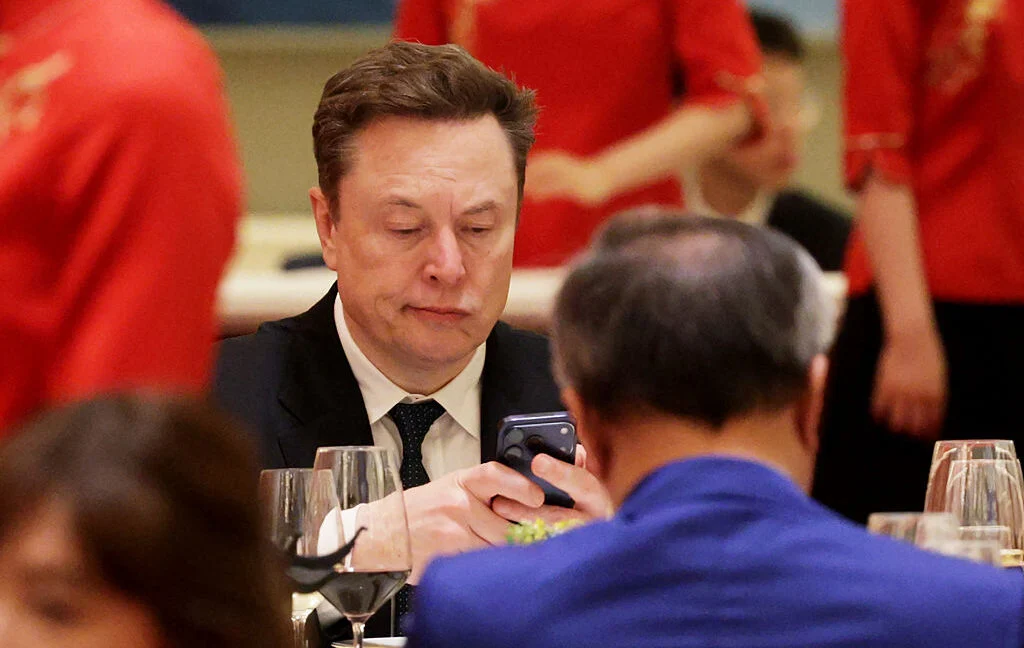
The courtroom atmosphere in the federal district court was palpable, heavy with the weight of Silicon Valley’s most high-stakes corporate drama. As the jury foreperson stood to deliver the verdict, the courtroom fell into a silence that signaled the conclusion of a trial defining the future of artificial intelligence governance. The outcome was decisive: a dismissal of the claims brought forth by Elon Musk against OpenAI, the organization he helped co-found before becoming its most vocal critic.
For Musk’s legal team, the announcement marked a stinging rebuke. Reports from the New York Times depicted the defense counsel as visibly deflated, appearing "sunken in their chairs" as the implications of the jury’s findings rippled through the gallery. Marc Toberoff, a prominent member of Musk’s legal contingent who had served as the primary liaison to the press throughout the proceedings, moved with clinical speed to announce that his client would formally appeal the decision.
Yet, the courtroom was far from a unified scene of professional detachment. While Sam Altman and Greg Brockman—the faces of OpenAI—were absent for the final reading of the verdict, their legal team displayed a sense of triumph. OpenAI attorney William Savitt, whose tactical cross-examination of Musk had become a focal point of the trial, was observed wearing a "wide grin" as the decision was finalized. Savitt’s performance throughout the week—leveraging his deep, historical knowledge of Musk’s business tendencies—had been instrumental in dismantling the plaintiff’s narrative, frequently baiting the billionaire into moments of visible frustration on the stand.
Chronology of a High-Stakes Legal Battle
The trial was the culmination of months of mounting tension between Musk and his former protégés. The legal saga, which sought to challenge the foundational restructuring of OpenAI, centered on allegations of breach of contract and fiduciary duties.
Pre-Trial Maneuvering
The case began with Musk’s assertion that OpenAI had abandoned its "non-profit" mission, effectively transforming into a for-profit subsidiary of Microsoft. Throughout the discovery phase, Musk’s team sought to unearth internal communications that would prove a conspiracy to prioritize commercial gain over safety. However, the timeline of events presented by the defense countered these claims, highlighting that the organizational shifts were transparent, widely discussed, and legally compliant.
The Trial Phase
During the trial, the courtroom became a stage for clashing philosophies. Musk’s testimony was marked by digressions and sharp rebuttals. Savitt, having represented Musk in past legal capacities, utilized this familiarity to dismantle Musk’s testimony, forcing the billionaire to account for inconsistencies in his own historical statements. The turning point occurred when Savitt presented a timeline of emails that suggested Musk was fully aware of, and even supported, the early structural pivots that he would later characterize as illegal.
The Final Days
As the trial neared its conclusion, Musk’s focus appeared to drift. After delivering his testimony, the billionaire notably failed to return to the courtroom, eventually shirking a direct court order that required his availability for potential follow-up questioning. His absence was compounded by his decision to prioritize attendance at a high-profile summit between Donald Trump and Chinese President Xi Jinping. This perceived abandonment of the proceedings, for which his legal team was forced to issue a formal apology to the court, underscored the widening gap between the gravity of the legal challenge and Musk’s own priorities.
The Evidence: Why the Claims Failed
The jury’s decision to dismiss the claims as "untimely" suggests that the legal threshold for the lawsuit was not met. The evidentiary support for the defense relied on three primary pillars:
- The Statute of Limitations: OpenAI’s legal team argued successfully that the specific actions Musk contested had occurred well outside the legal window for litigation. By waiting years to challenge the organizational structure, Musk’s claim was weakened, essentially barring the court from intervening in actions that had already been solidified as industry standards.
- Internal Documentation: OpenAI provided a robust paper trail of board meeting minutes and communication logs. These documents detailed a transparent decision-making process involving multiple stakeholders, contradicting the narrative that the shift to a capped-profit model was a surreptitious "coup."
- Cross-Examination of the Plaintiff: The defense’s most effective tool was Musk himself. By highlighting his contradictory public statements—often made on the social media platform X (formerly Twitter)—against his sworn testimony, Savitt undermined the credibility of the claims. The jury was left with a portrait of a plaintiff whose personal grievances had outpaced his legal evidence.
Official Responses and Stakeholder Positions
The reaction to the verdict was swift, reflecting the polarized nature of the AI industry.
Microsoft’s Triumphant Stance
Microsoft, whose massive investment in OpenAI was a central point of contention, issued a formal statement that left little room for ambiguity. A spokesperson stated:
"The facts and the timeline in this case have long been clear, and we welcome the jury’s decision to dismiss these claims as untimely. We remain committed to our work with OpenAI to advance and scale AI for people and organizations around the world."
This statement serves as a green light for the continued integration of OpenAI’s models into the Microsoft ecosystem, signaling that the company perceives the legal threat as essentially neutralized.
OpenAI’s Silence
In contrast to the public statements from investors, OpenAI leadership maintained a professional silence immediately following the verdict. By allowing their legal counsel to speak for them, Altman and Brockman signaled a desire to pivot back to product development and research, minimizing the public "victory lap" to avoid further antagonizing their former co-founder.
Implications for the Future of AI
The dismissal of this lawsuit is more than a legal victory; it is a watershed moment for the governance of artificial intelligence.
A Precedent for Corporate Governance
This trial has set a high bar for future litigation involving non-profit-to-for-profit transitions. By ruling that the claims were untimely, the court has effectively shielded mature tech entities from "legacy" challenges by former partners who may have grievances regarding corporate direction. This provides a level of legal stability that investors in the AI sector have been desperate for.
The Musk Factor
For Elon Musk, the defeat is a significant blow to his efforts to exert control over the direction of the AI industry. His attempt to use the judiciary as a lever to force OpenAI back into a non-profit model has failed, and the legal costs—both financial and reputational—are substantial. The apology issued by his team regarding his absence from the courtroom suggests a recognition that his personal brand of "disruptive" management does not always translate well into the rigid, rule-bound environment of a federal trial.
Industry Trajectory
With this legal obstacle cleared, OpenAI is positioned to accelerate its aggressive expansion plans. The verdict serves as a validation of the current structure of the AI "arms race," where massive capital investment is seen as the necessary fuel for technological breakthroughs. Critics, however, argue that this outcome ignores the ethical concerns that Musk initially championed, suggesting that the industry may now move forward with even less oversight from its early proponents.
As the legal teams prepare for the appellate process, the industry remains focused on the rapid evolution of large language models. The verdict ensures that the status quo remains, but the friction between the pioneers of the field—and the philosophical divide over how AI should be controlled—remains as intense as ever. For now, the gavel has fallen, the courtroom is empty, and the world of artificial intelligence continues its relentless, unbridled march forward.


 Nila Kartika Wati
 Asep Darmawan