Nana Muazin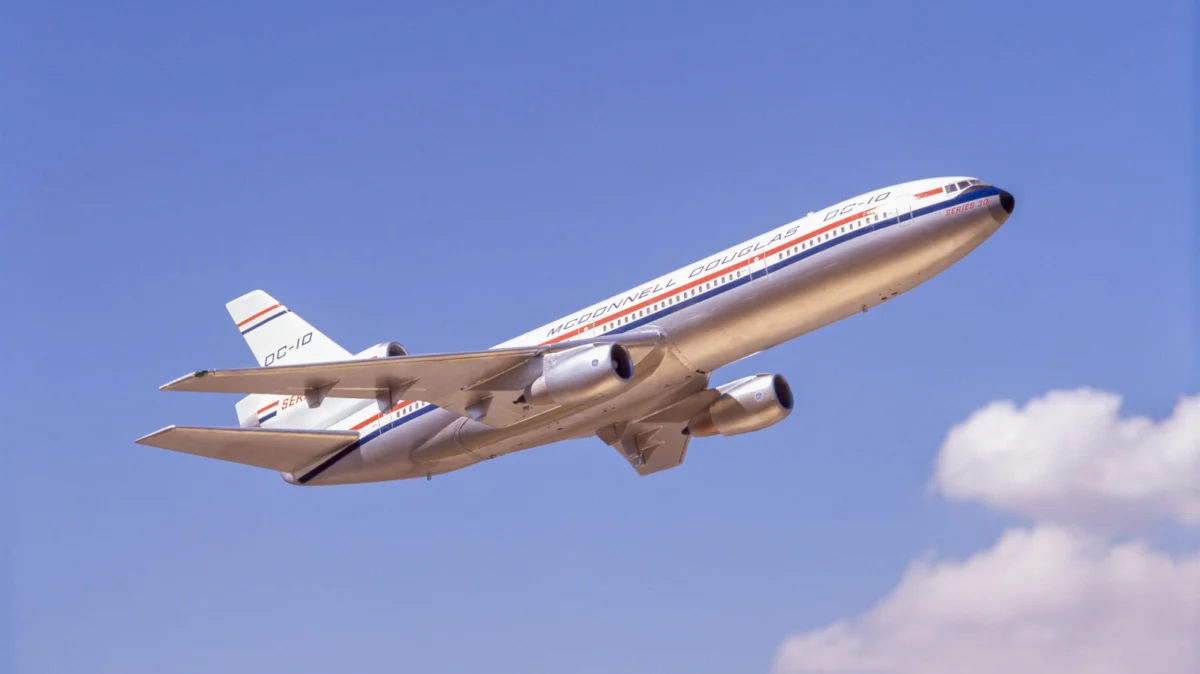
The "Golden Age of Travel"—that mid-century period spanning the post-World War II boom through the 1970s—is often romanticized in film and literature as a time of sophisticated leisure. Images of passengers sipping cocktails in spacious lounges, flight attendants serving multi-course meals, and travelers dressing in their Sunday best to board a Boeing 747 evoke a sense of elegance long lost to the modern commuter. However, beneath the veneer of luxury, the aviation landscape was fundamentally different in ways that modern passengers might find startling, if not outright dangerous.
To understand how far we have come, one must examine the drastic shift from a regulated, elite experience to the hyper-efficient, high-volume model of the 21st century.
The Chronology of Change: From Regulation to Mass Transit
The trajectory of the airline industry was irrevocably altered by the Airline Deregulation Act of 1978. Before this pivotal legislation, the U.S. federal government strictly controlled routes, fares, and service standards. Because airlines could not compete on price, they competed on service. This gave rise to the "Golden Age" amenities: free gourmet meals, abundant legroom, and the luxury of uncrowded cabins.
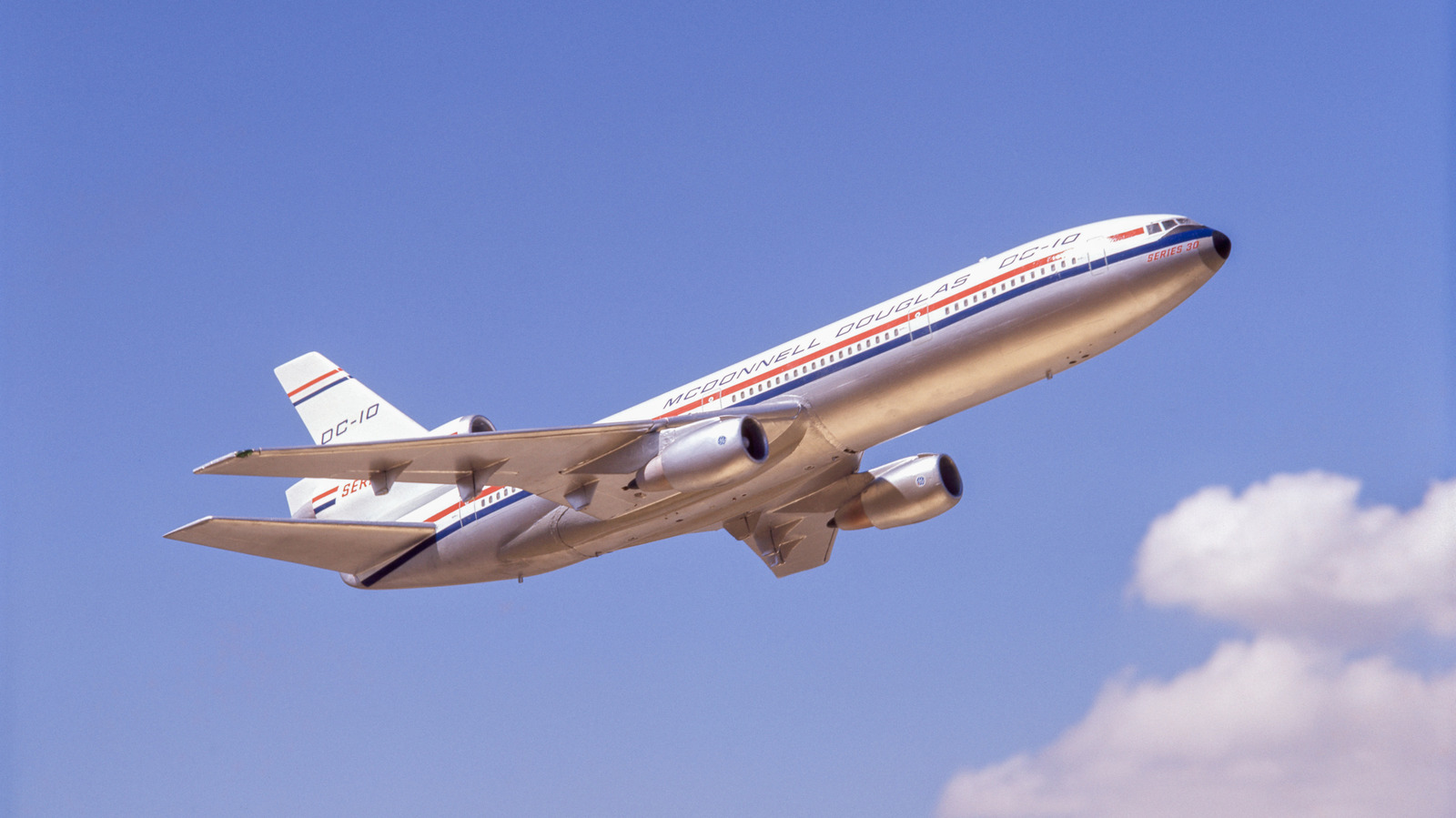
Following deregulation, the market opened to intense competition. New carriers emerged, and legacy airlines were forced to cut costs to remain viable. Over the next four decades, the industry transitioned through several distinct eras:
- 1970–1978: The regulated era, characterized by high costs, high luxury, and significant safety risks.
- 1979–2000: The transition to mass-market flying; the introduction of the "hub-and-spoke" model and the gradual phasing out of smoking.
- 2001–Present: The post-9/11 security era, defined by the creation of the TSA, advanced biometrics, and the "unbundling" of services (charging for bags, seat selection, and food).
Smoking and the Lavatory Hazard
Perhaps the most jarring difference between the 1970s and today is the ubiquity of smoking. In the 1970s, the cabin was a communal environment where a thin curtain was the only barrier between "smoking" and "non-smoking" sections. The air quality was abysmal, and passengers frequently lit up cigarettes at their seats.
This practice persisted for decades, despite mounting evidence of health risks and fire hazards. The turning point occurred in 1973, when a catastrophic fire on a Varig flight from São Paulo to Rio de Janeiro—caused by a cigarette discarded in a lavatory bin—resulted in 123 fatalities. This incident began the long legislative push toward a total ban. Following a series of incremental restrictions, President George H.W. Bush signed legislation in 1990 prohibiting smoking on domestic flights of six hours or less. By 2000, the ban was absolute across all U.S. carriers.
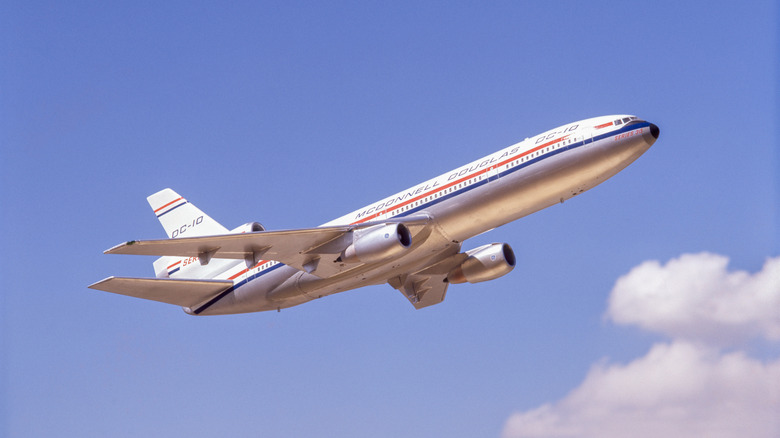
Interestingly, even in the modern era, airplanes are still equipped with ashtrays in the lavatories. This is not a relic of the past, but a mandatory safety feature; if a passenger ignores the law and lights a cigarette, the crew must have a safe place to extinguish it to prevent a fire.
The Security Paradigm Shift
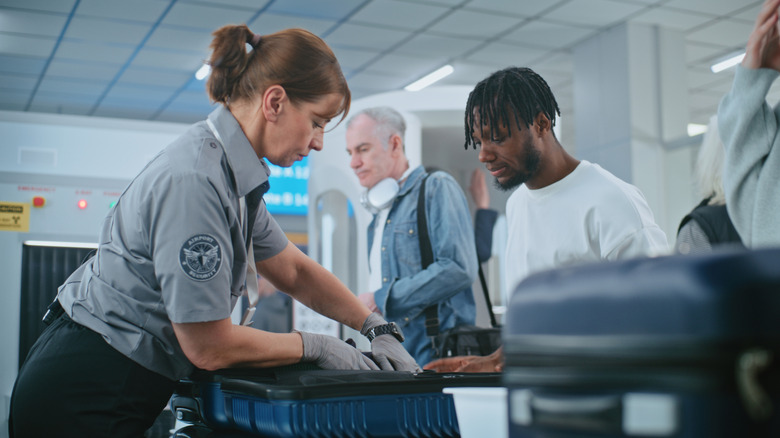
Security in the 1970s was practically non-existent by modern standards. In the early part of the decade, passengers could often walk to the gate to see off loved ones without a ticket, and metal detectors were not mandatory until 1973.
The rise of high-profile hijackings in the 1960s forced the FAA to mandate locked cockpit doors and the deployment of Sky Marshals. However, the true transformation occurred on September 11, 2001. The subsequent formation of the Transportation Security Administration (TSA) moved security from a task handled by individual airlines to a centralized, federal mandate. Today, the focus has shifted to behavioral analysis, biometric identification, and advanced imaging technology. While the lines and invasive procedures are a source of constant passenger frustration, the security protocols in place today have effectively neutralized the hijacking threats that plagued the 1970s.

The Economic Implications: "The Unbundling"
The deregulation of 1978 had a profound effect on the average passenger’s wallet. When adjusted for inflation, the cost of an airline ticket today is roughly 50% lower than it was in 1978. This democratization of flight has allowed billions of people to travel, transforming air transport from a luxury for the wealthy into a standard utility.
However, the "cost" of this accessibility is the unbundling of services. In the 1970s, the ticket price covered everything. Today, airlines utilize an "a la carte" pricing model. Checked bags, seat assignments, early boarding, and Wi-Fi are now revenue streams. While this allows budget-conscious travelers to save money by opting out of extras, it has led to a perception of "dime-and-diming" that defines the modern passenger experience.
Supporting Data: Comfort and Capacity
If travelers feel more cramped today, it is not a matter of perception; it is a measurable reality.
- Seat Pitch: In the 1970s, the average seat pitch (the distance from one seat back to the same point on the seat in front) was approximately 34 inches. Today, the industry standard for economy class has shrunk to roughly 31 inches.
- Seat Width: Seats have narrowed from an average of 18 inches to approximately 17 inches.
- Occupancy: Airlines now aim for maximum capacity, leading to the use of thinner, more rigid materials to shave off inches of thickness, creating the illusion of more space while simultaneously reducing cushioning.
Safety: The Most Significant Improvement
While the loss of legroom and the introduction of baggage fees are valid complaints, they pale in comparison to the most vital metric of all: safety.
During the 1970s, the aviation industry was statistically dangerous. Between 1966 and 1977, the fatality rate stood at one death per 350,000 passengers. In contrast, the modern era is remarkably safe. Data from the National Transportation Safety Board (NTSB) and the FAA indicates that the fatality rate is now approximately one per 13.7 million passengers.
This improvement is the result of rigid safety protocols, the mandatory investigation of every minor incident to identify systemic risks, and the integration of advanced flight-management computers that automate much of the piloting process, reducing human error.

Official Responses and Industry Outlook
Aviation regulators and industry leaders argue that the trade-off—a reduction in personal space in exchange for near-perfect safety and extreme affordability—is a success story. According to the International Air Transport Association (IATA), the airline industry is focused on "sustainable growth."
Official responses from carriers often emphasize that the "Golden Age" was an era of inefficiency. Airlines today operate with computer-driven precision, optimizing fuel consumption and flight paths to ensure that aviation remains a viable, carbon-conscious industry. While they acknowledge the consumer’s desire for more comfort, the current business model relies on high-density seating to keep ticket prices low enough for the mass market.
Conclusion
The evolution of commercial flying since the 1970s represents a trade-off between the luxury of the few and the accessibility of the many. While we may look back at the wide seats, free meals, and glamorous service of the past with nostalgia, we are living in the safest, most accessible era of flight in human history. The "necessary evil" of modern air travel is, in truth, a marvel of logistics and engineering that has shrunk the globe, making the world more interconnected than at any point in history. We may have lost the extra legroom and the cigarettes, but we have gained the world.


 Ali Ikhwan
 Muslim