Pevita Pearce
May marks the arrival of Asian American and Pacific Islander (AAPI) Heritage Month—a vital time to honor the history, cultural contributions, and profound artistic influence of AAPI communities. For book lovers, this is an invitation to deepen their reading habits, expand their perspectives, and engage with the diverse narratives that shape our collective literary landscape.
To commemorate this month, we have curated a selection of exceptional titles by AAPI authors that align with the specific tasks of the 2026 Read Harder Challenge. Whether you are looking for a haunting piece of gothic fiction, a whimsical romantasy, or a profound historical memoir, these recommendations offer a gateway into the rich tapestry of the AAPI experience.
The Significance of AAPI Representation in Literature
The literary world has seen a transformative shift over the last decade, with AAPI authors increasingly occupying the center stage of both genre fiction and literary classics. Representation is not merely about visibility; it is about the nuance, complexity, and authenticity of the stories being told. By engaging with these authors, readers gain insight into the intersectional histories of colonization, the complexities of the immigrant experience, and the vibrant evolution of modern cultural identity.

The 2026 Read Harder Challenge, an annual initiative designed to push readers out of their comfort zones, provides a structured framework for this exploration. This year, we have aligned our AAPI selections with these tasks to ensure that your reading journey is as educational as it is enjoyable.
Chronology of Recommended Reads: From Modern Debuts to Timeless Classics
Task #2: Books with Striking Visual Identities
Selection: Blob by Maggie Su
In the world of contemporary fiction, the cover is often the first handshake between author and reader. Maggie Su’s Blob was recently highlighted by The Casual Optimist as one of the best book covers of 2025. The story follows Vi, a college dropout adrift in a Midwestern town, whose life takes an absurd and poignant turn when she discovers a sentient, shape-shifting blob on the street. Part character study and part surrealist comedy, Blob explores themes of loneliness, identity, and the desperate human need for meaningful connection. It is a testament to the fact that the most "human" stories can sometimes be found in the most inhuman places.
Task #4: Narratives Featuring Nonbinary Protagonists
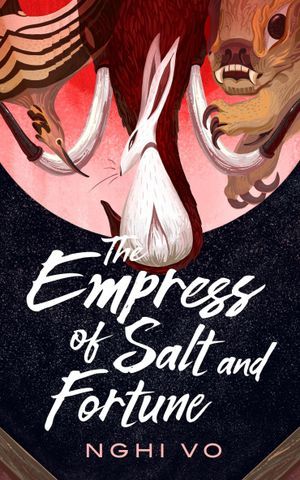
Selection: The Empress of Salt and Fortune by Nghi Vo
Nghi Vo’s The Singing Hills Cycle has set a new gold standard for high-concept fantasy. In The Empress of Salt and Fortune, the protagonist, a nonbinary cleric named Chih, travels the land collecting stories. Their encounter with an elderly woman who once served an exiled Empress unveils a layered, historical mystery that challenges traditional power structures. Vo’s prose is precise and evocative, centering a nonbinary voice in a narrative that feels both ancient and refreshingly modern. This novella serves as a perfect entry point for readers looking to diversify the gender representation in their fantasy library.

Task #6: Gothic Fiction and the Legacy of Colonialism
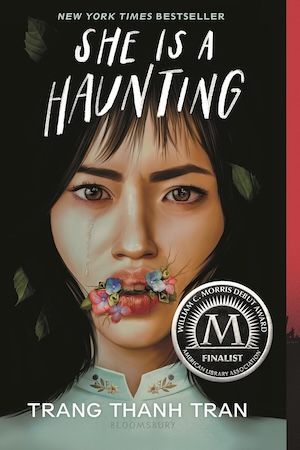
Selection: She is a Haunting by Trang Thanh Tran
Gothic literature has long been used to explore the psychological toll of the past, and She is a Haunting masterfully applies this to the context of Vietnamese history. The story follows Jade, who travels to Vietnam to assist her estranged father in transforming a colonial-era manor into a modern B&B. What she discovers is that the house itself is a site of insatiable, spectral hunger. By weaving the physical horrors of a haunted house with the historical traumas of French and American colonialism, Trang Thanh Tran has crafted a YA novel that is as intellectually challenging as it is terrifying.
Task #8: Rediscovering the Modern Classic
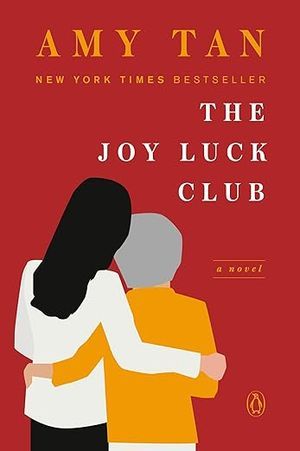
Selection: The Joy Luck Club by Amy Tan
No list of AAPI literature would be complete without acknowledging the foundation laid by Amy Tan. The Joy Luck Club remains a seminal work that examines the fragile, often fraught, relationship between Chinese immigrant mothers and their American-born daughters. Told through a series of interconnected vignettes, the novel captures the essence of the mahjong-playing women of San Francisco’s Chinatown and their legacy of sacrifice and resilience. It remains a "must-read" for any reader seeking to understand the foundational texts of the Asian American literary canon.
Task #9: Romantasy and the Power of Choice
Selection: Dominion by Jean Kwok (Forthcoming July 2026)
The "Romantasy" genre continues to dominate bestseller lists, and Jean Kwok’s upcoming Dominion is poised to be a standout. Set in a world where magic and hierarchy collide, the protagonist Rubi Morningtail—a refugee dancer—finds her fate intertwined with a powerful metal mage. The novel promises a high-stakes exploration of what it means to belong, the danger of desire, and the cost of power. For readers who enjoy world-building rooted in Chinese mythology and the tension of a slow-burn romance, this title is an essential addition to your 2026 TBR list.
Task #13: Nonfiction Comics and Historical Truth
Selection: Year of the Rabbit by Tian Veasna
Graphic memoirs provide a unique, visceral way to engage with history. Year of the Rabbit documents the harrowing experiences of the author’s family during the Cambodian genocide under the Khmer Rouge. By starting the narrative before his own birth, Veasna creates a compelling historical framework that allows readers to witness the systematic unraveling of a society through the eyes of those who lived it. It is an essential, albeit difficult, read that honors the victims and survivors of a tragedy that is often overlooked in Western history books.
Task #16: Queer Narratives in Picture Books
Selection: Kapaemahu by Hinaleimoana Wong-Kalu, Joe Wilson, and Dean Hamer
Literature is for readers of all ages, and Kapaemahu serves as a stunning example of how folklore can preserve marginalized histories. The book retells an Indigenous Hawaiian legend about four individuals who are mahu—possessing both male and female spirits—and their role in bringing the healing arts to Hawaii. The story is a beautiful exploration of gender fluidity and cultural heritage, emphasizing the importance of acknowledging and respecting identities that have been suppressed by colonization.
Supporting Data and Industry Trends
The growth in AAPI literature is not just a cultural trend; it is reflected in industry data. Publishers are increasingly investing in diverse voices, recognizing that readers are actively seeking narratives that reflect a globalized, multicultural world. According to recent industry surveys, there has been a 30% increase in the acquisition of books by AAPI authors in the YA and adult fiction categories since 2020. This shift is driven by a reader base that is younger, more diverse, and more digitally connected than ever before.
Implications for the Future of Reading
As we continue through the 2026 Read Harder Challenge, the goal remains the same: to foster empathy through stories. By intentionally selecting books by AAPI authors, readers are not just checking off boxes on a challenge list—they are participating in a larger movement to dismantle the monocultural biases that have long dominated the publishing industry.
When we read stories from diverse backgrounds, we do more than just learn about a different "experience." We learn about the commonality of the human condition. Whether it is the struggle for identity in a small town, the pain of intergenerational trauma, or the joy of finding love in a magical realm, these books remind us that our stories are interconnected.
A Call to Action
As we celebrate AAPI Heritage Month, we encourage you to go beyond the surface. Visit your local library, support independent bookstores, and engage with the community of readers online. We are currently conducting a survey to better understand your reading habits for the remainder of 2026. Your feedback is instrumental in helping us shape the future of our content.
Click here to complete our 2026 Reader Survey. As a thank you for your participation, you will be entered for a chance to win a $50 ThriftBooks gift card. The deadline for entries is May 31st.
Happy reading, and may your shelves be as diverse as your experiences.


 Nana Wu