

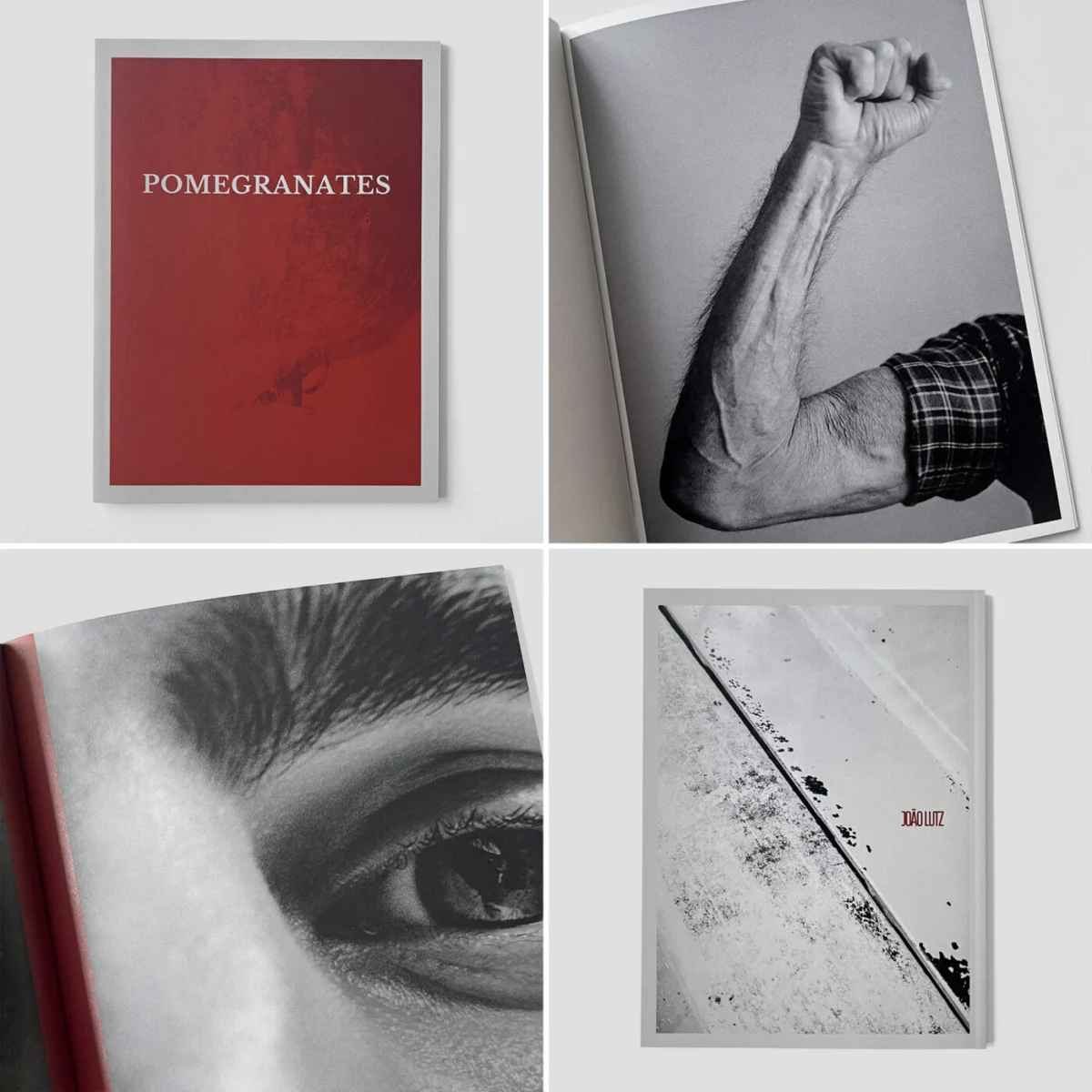
In the quiet corners of artistic practice, photography often serves as a mirror, reflecting not just the world as it exists, but the world as it is felt. For one emerging visual artist—recently forced to navigate the complexities of immigration and the sudden relocation from the United States back to their native Brazil—the camera has become something more profound: a bridge between the fractured landscapes of memory and the grounded reality of the present.
Through a deeply personal new book project, this artist is challenging the boundaries of visual storytelling. By documenting the ephemeral, the traumatic, and the nostalgic, they are inviting audiences to consider a provocative premise: what happens when we choose to trust the heart’s memory over the mind’s clinical recollection?
The Genesis of a Creative Perspective: Defining Moments
To understand the weight of this new body of work, one must first look at the foundations of the artist’s identity. The path to this current project was not a straight line, but a collection of formative experiences that shaped their creative lens.
The Contemplation of the Road
The artist traces their imaginative capacity back to the long, rural drives of their childhood. Raised on a farm far from the bustle of urban life, the 10-to-12-hour car journeys with their parents were not merely transit; they were sanctuaries of conversation. In these hours, the boundaries between reality and fiction blurred through "imaginative talks," a practice that fostered a lifelong passion for exploration and storytelling.
Confronting the Void
The second pillar of the artist’s identity is the central subject of their new book—a difficult childhood experience that, until recently, had remained largely submerged. By finally addressing this period, the artist has begun to untangle the roots of their intimacy, their fears, and their persistent urge to document the world. For the artist, the act of creation has become a form of healing, a daily exercise in self-discovery.
The Power of Shared Experience
The final influence is the profound realization of communal healing. Through dialogues with others who have traversed similar dark, uncertain landscapes, the artist found the courage to trust the unknown. This shift from isolation to connection provided the necessary emotional infrastructure to bring their project to life.
A Life in Flux: The Impact of Immigration and Displacement
In the past year, the artist’s life underwent an abrupt, involuntary transformation. After three years of living and working in the United States, a sudden change in their visa status necessitated an immediate departure. Given only 20 days to pack their life and return to Brazil, the artist found themselves in a state of rapid transition.
"Being here has been challenging but also refreshing," the artist reflects. "So much has changed me in my past three years living in the U.S. and I am very grateful for that. This has definitely allowed me to see home differently."
This displacement has profoundly impacted their artistic practice. No longer seeking the grand narratives of a migrant experience, the artist has pivoted toward a quiet, almost obsessive focus on domestic intimacy. They are currently practicing "memory photography"—capturing the mundane details of their apartment, the way light hits a wall, or the texture of a morning routine. It is a deliberate effort to combat the volatility of life with the permanence of the image.
The Medium as Healing: Why Photography?
The core of the artist’s project lies in the tension between memory and visual evidence. The artist acknowledges a fundamental paradox: as a visually oriented person, they were haunted by the lack of photographic records from a critical, difficult period of their childhood.
"One of the hardest parts of accepting the experience is not having many visual memories from it," they explain. "Photography naturally came as not only fitting, but necessary for me to go through this process and fill in the missing parts of my story. In a way, being able to bring photography to this has been my way of seeing what I can’t remember."
Instinct vs. Intention: The Creative Cave
When asked about their creative process, the artist identifies as "100% instinctual." Their work typically arrives in "hyper-focus bursts," where they descend into a creative cave, operating without a map or a destination.
While they admit a desire to cultivate more intentionality in their future work, the current project demanded an instinctual approach. The book follows a non-linear trajectory, mirroring the exact order in which memories surfaced. Unlike previous projects, which allowed the artist to step back and adopt a "third-person" analytical view, this work was too visceral to be detached. It remains, for the artist, a living part of their identity.
Implications: A Call to Trust the Heart
The artist is acutely aware of the risks involved in such radical transparency. Their goal is not to elicit pity or to occupy the role of a victim, which they describe as an "anchor" that prevents growth. Instead, they frame the project as a personal challenge: to trust memories that the mind might doubt but the heart knows to be true.
The Wisdom of Trust
The guiding mantra for this project came from a mentor who had survived a similar ordeal: "Trust your feelings; if you feel them, they are real, and that is just enough." This simple, yet revolutionary advice served as the catalyst for the entire book. It gave the artist the permission to stop seeking external validation for their lived experience and instead rely on the integrity of their own emotional truth.
Looking Forward: A New Definition of Success
As the artist settles into their life in Brazil, their aspirations have shifted away from traditional markers of professional achievement. When asked about their goals for the coming year, they are clear: they wish to build a life centered on "loved ones, time, and purpose," rejecting the expectations imposed by external societal pressures.
Their long-term ambition is remarkably humble yet deeply profound: "I want to have memories and good stories to tell, no more than that."
Analysis: The Future of Documentary Art
The artist’s work sits at an interesting intersection of art therapy and documentary photography. As the digital age encourages us to curate our lives for public consumption, this project serves as a counter-narrative. By focusing on the "unremembered" and the "unseen," the artist suggests that the most valuable photographs are not those taken for an audience, but those taken for oneself—to prove that one was there, that one survived, and that the feeling was real.
As the book begins to reach its audience, the implications for the viewer are clear. The project does not ask the audience to judge the accuracy of the artist’s past, but rather to empathize with the courage it takes to look back at one’s own history without fear. In doing so, the artist has not only filled the missing parts of their own story; they have provided a roadmap for others to do the same.
In a world that is increasingly obsessed with high-definition, curated realities, this artist’s commitment to the blurry, difficult, and honest edges of memory is a testament to the power of photography to heal. Whether they are capturing an apartment in Brazil or reconstructing a childhood dream, they are proving that, ultimately, the most important thing to document is the truth of our own existence.









No comments yet. Be the first to join the conversation!