

By Jamie Lang | May 18, 2026
For nearly a decade, the creative team behind Big Mouth—Mark Levin, Jennifer Flackett, Andrew Goldberg, and Nick Kroll—dominated the streaming landscape by turning the visceral, often mortifying reality of adolescent anxiety into a hit comedy. Their ability to find the humanity in the most awkward stages of development set a new standard for adult animation. However, following the conclusion of their long-running project, the group faced a daunting creative challenge: how to evolve while maintaining the sharp, empathetic, and irreverent voice that defined their previous success.
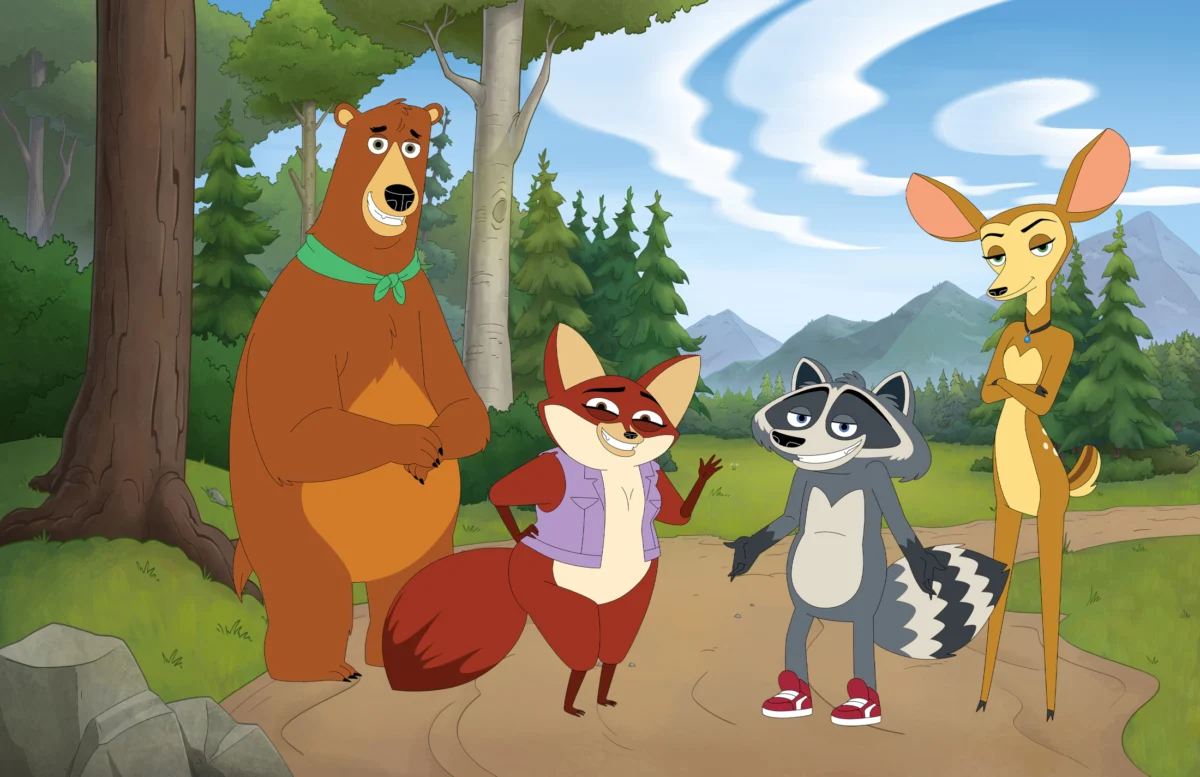
The answer, as it turns out, is Mating Season, a new Netflix animated series produced in collaboration with the indie powerhouse Titmouse. If Big Mouth was a deep dive into the hormonal chaos of puberty, Mating Season serves as its spiritual successor, shifting the focus to the equally exhausting, often absurd search for connection in adulthood.
The Evolution of a Concept: From Feature to Series
The journey of Mating Season was not a linear path. Initially conceived as a standalone feature film, the project underwent significant structural shifts during its early development. According to Jennifer Flackett, the team quickly realized that the thematic terrain they wanted to explore—the complexities of adult relationships, the pressures of modern dating, and the search for "the one"—was far too vast for a 90-minute runtime.
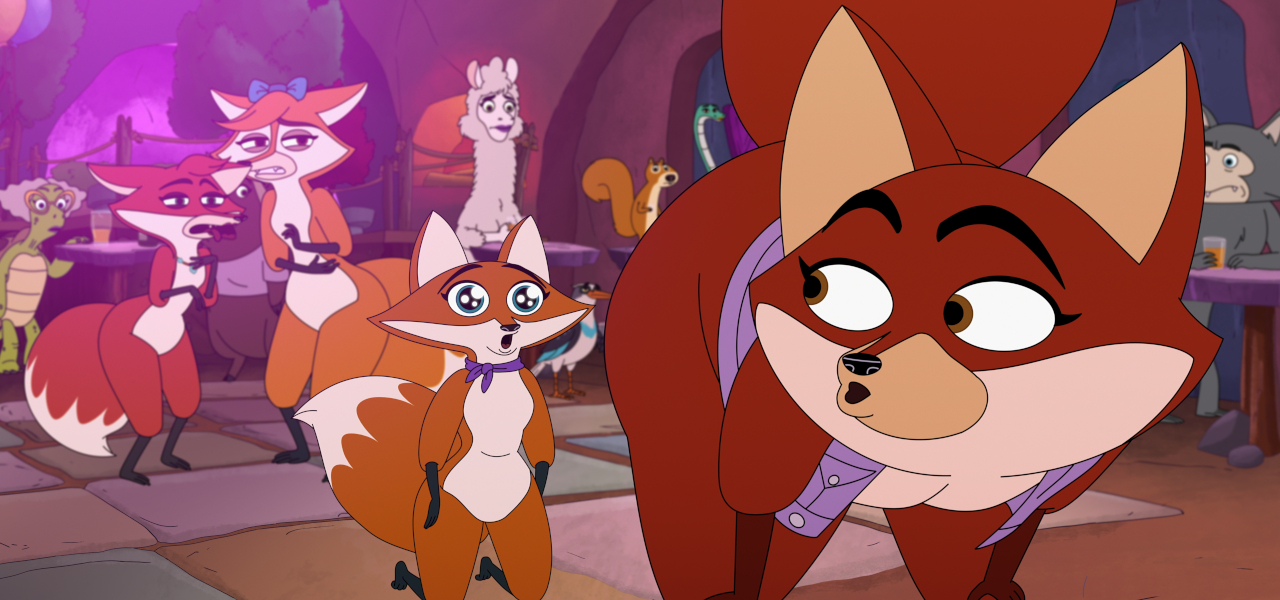
"We were interested in telling stories about the next phase of life," Flackett explains. "We were looking at that period of time in your 20s where you are essentially navigating the wilderness of adulthood, trying to find your person. We realized there were just so many stories to be told here that it necessitated a series format."
The team briefly toyed with the idea of a live-action project, but ultimately returned to animation. They found that the medium provided a unique freedom to tackle subjects that would be far too sensitive or visually challenging to portray with human actors. By utilizing a world populated by anthropomorphic bears, raccoons, foxes, and deer, the creators were able to bypass the "uncanny valley" of human intimacy, instead leaning into the inherent absurdity of the animal kingdom to highlight the human condition.
Chronology of Development: A Decade of Trust
The success of Mating Season is deeply rooted in the stability of its creative team. Many of the key personnel from Big Mouth transitioned directly into this new production, creating an environment that felt less like a pilot season and more like a well-oiled machine.
"It wasn’t like a first season in a lot of ways," Flackett notes. "It was kind of like our 11th or 12th season together."
This continuity allowed for a level of experimentation that is rarely afforded to new shows. The collaboration with the studio Titmouse was a deliberate choice, solidified by the team’s positive history with the animation house. As Andrew Goldberg recalls, the decision to partner with Titmouse was based on both their artist-friendly culture and the high level of trust established by animation supervisor Anthony Lioi, who had previously worked with the studio.
"We went around and visited all the different animation houses in L.A.," Goldberg says. "Titmouse stood out because we liked their vibe and we valued Anthony’s opinion. He trusted them, and he liked working there. That trust became the foundation of our entire production process."
Supporting Data: The Science of the Absurd
While the show is undeniably a comedy, the writers took an unexpectedly rigorous approach to the source material. To properly build the world of Mating Season, the writing staff engaged in what they described as "extensive wildlife research."
"We like to write, but we also like to learn," Goldberg says. "We spent hours sitting together as a staff watching nature documentaries. We wanted to see how animals actually behave so we could use those behaviors as metaphors for human relationship struggles."
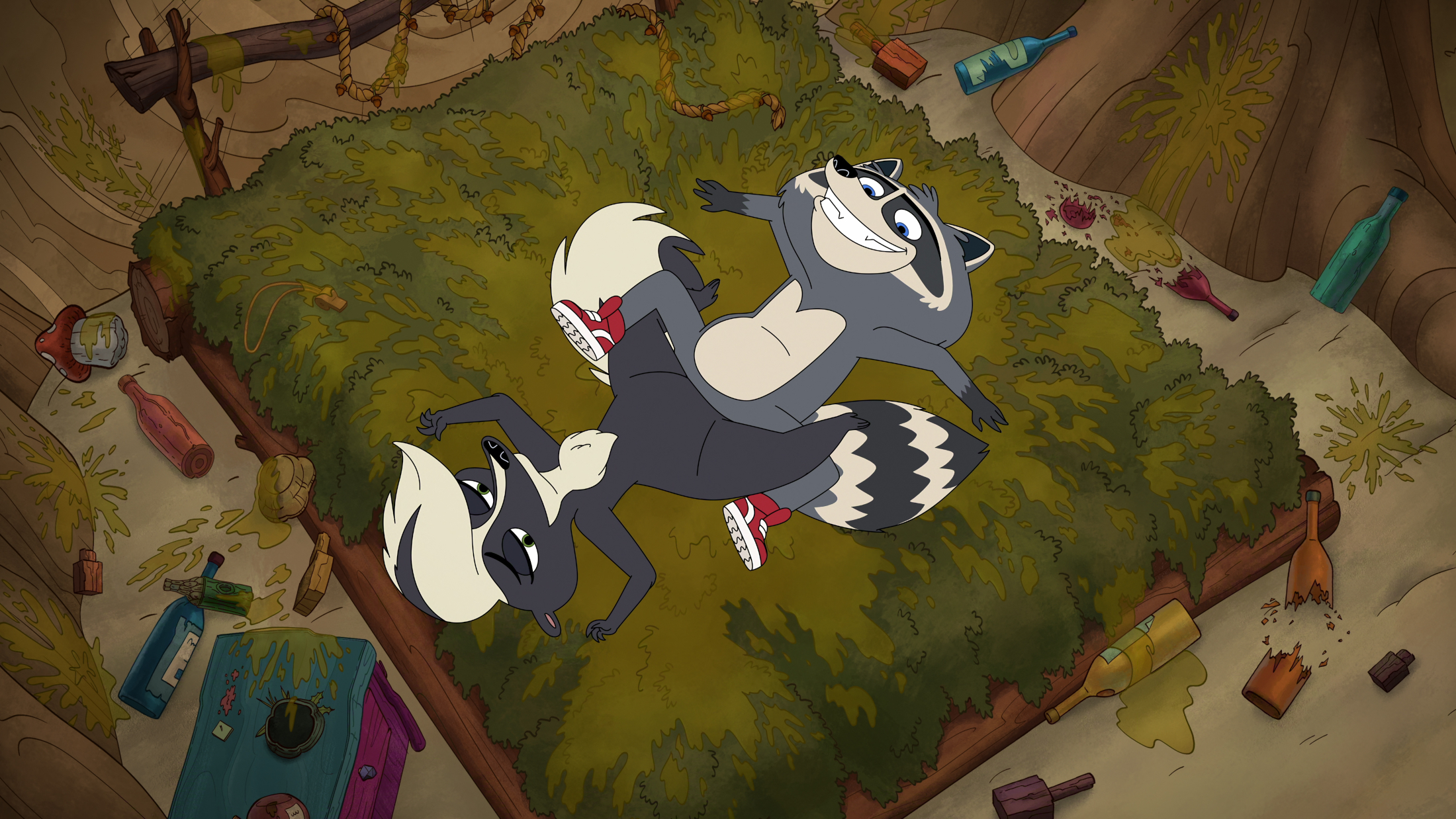
This research provided the writers with a treasure trove of biological quirks—such as the "copulatory tie"—that serve as both high-concept comedy and biting social commentary. Unlike Big Mouth, which relied on abstract metaphors like trains or skating to represent sexual tension, Mating Season embraces the biological reality of its characters.
"Sex between animals is funnier," Flackett laughs. "You can look at it in a way where you aren’t thinking, ‘Oh, my eyes.’ It allows us to be more direct, more honest, and, ultimately, much more absurd."
Official Responses: Crafting the Visual Language
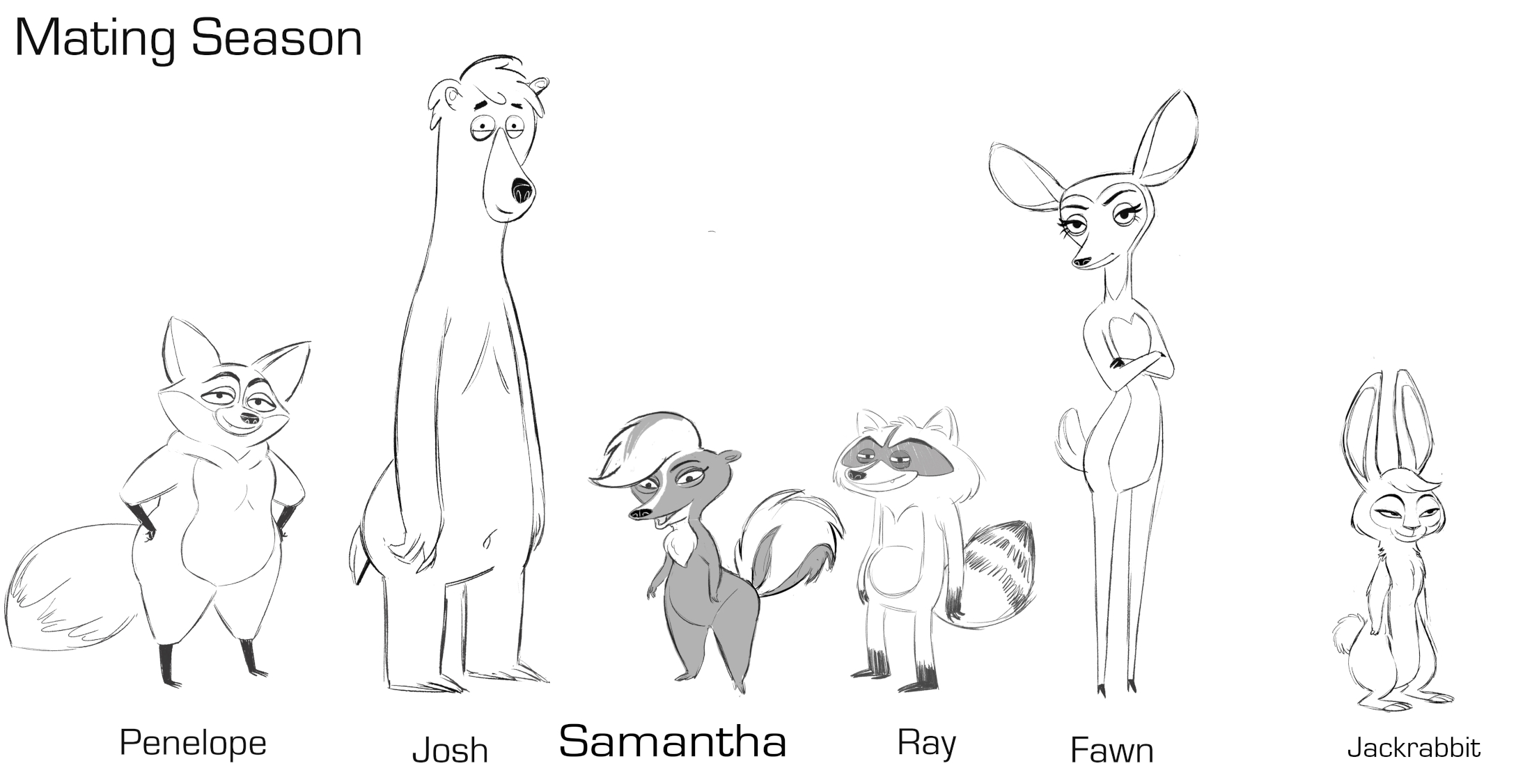
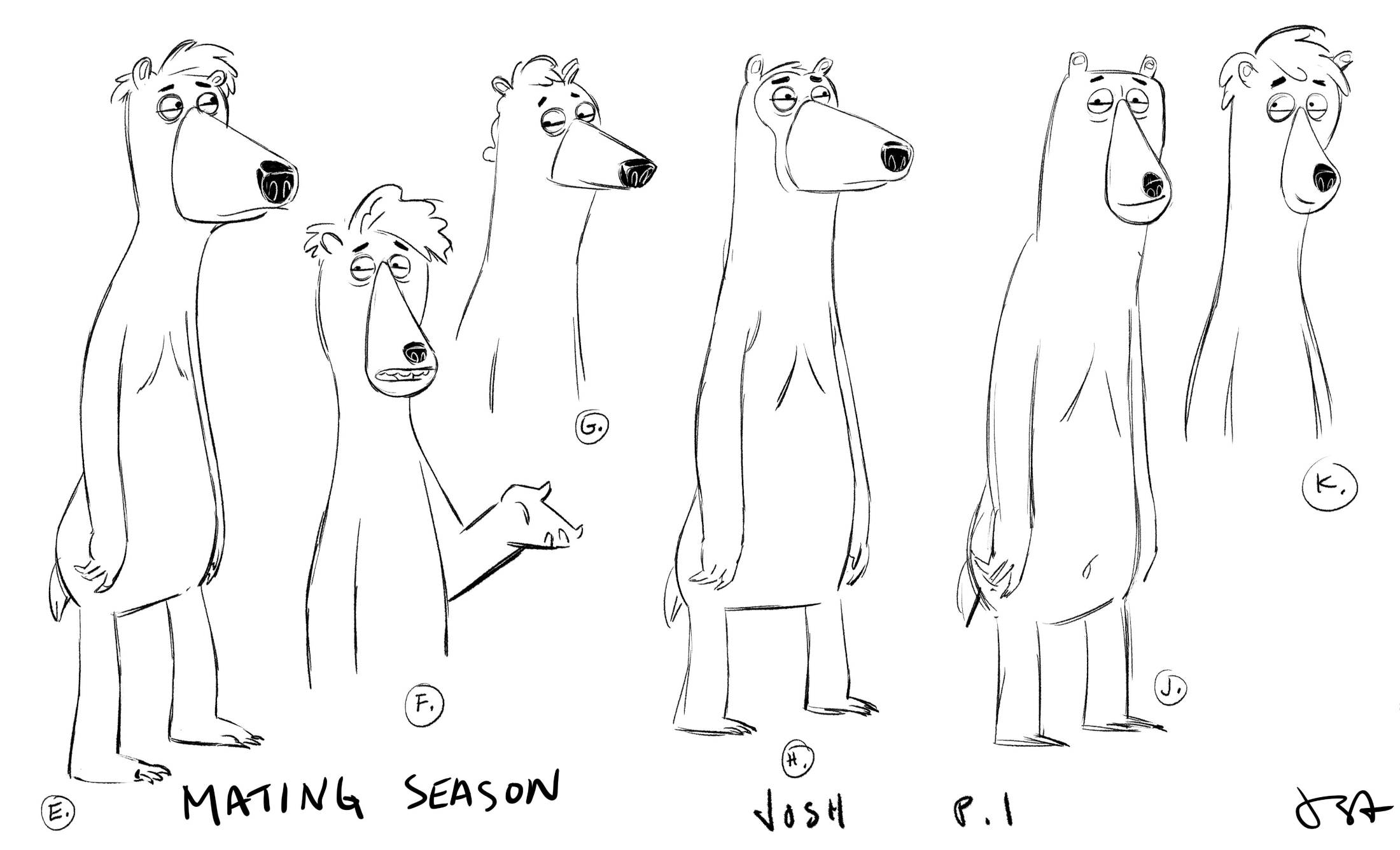
One of the most significant hurdles for the production was determining the visual rules of the world. How "human" should these animals be? The creative team eventually landed on a hybrid model: the characters generally walk upright, interact, and work like humans, but they regress to all-fours when they are driven by instinct, panic, or primal conflict.
Animation supervisor Anthony Lioi recalls that this design challenge was actually a turning point for the show’s humor. "We designed Fawn the deer standing up on two legs," Lioi explains. "But her proportions didn’t work when she went on all fours. So, we decided to just draw a real deer with Fawn’s head. We realized that the joke is that as they return to all fours, they become more animal. It defined our visual identity."
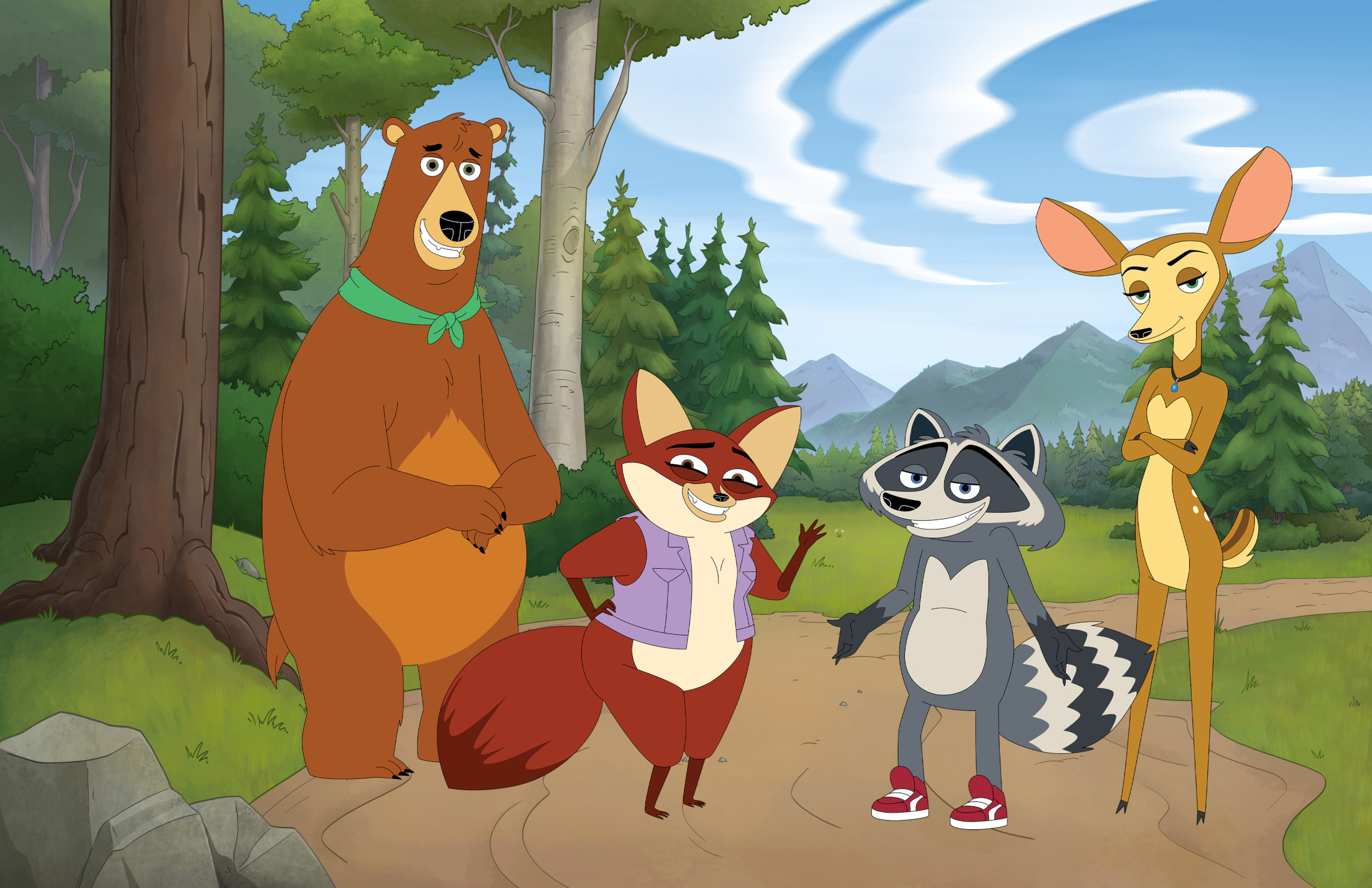
This "rule-based" approach extends to every interaction. As Goldberg points out, the characters act like people until they have a specific reason not to. "If they’re going to get down and charge each other, they’re animals. If they’re on a date, they’re people."
The Production Pipeline: A Commitment to Quality
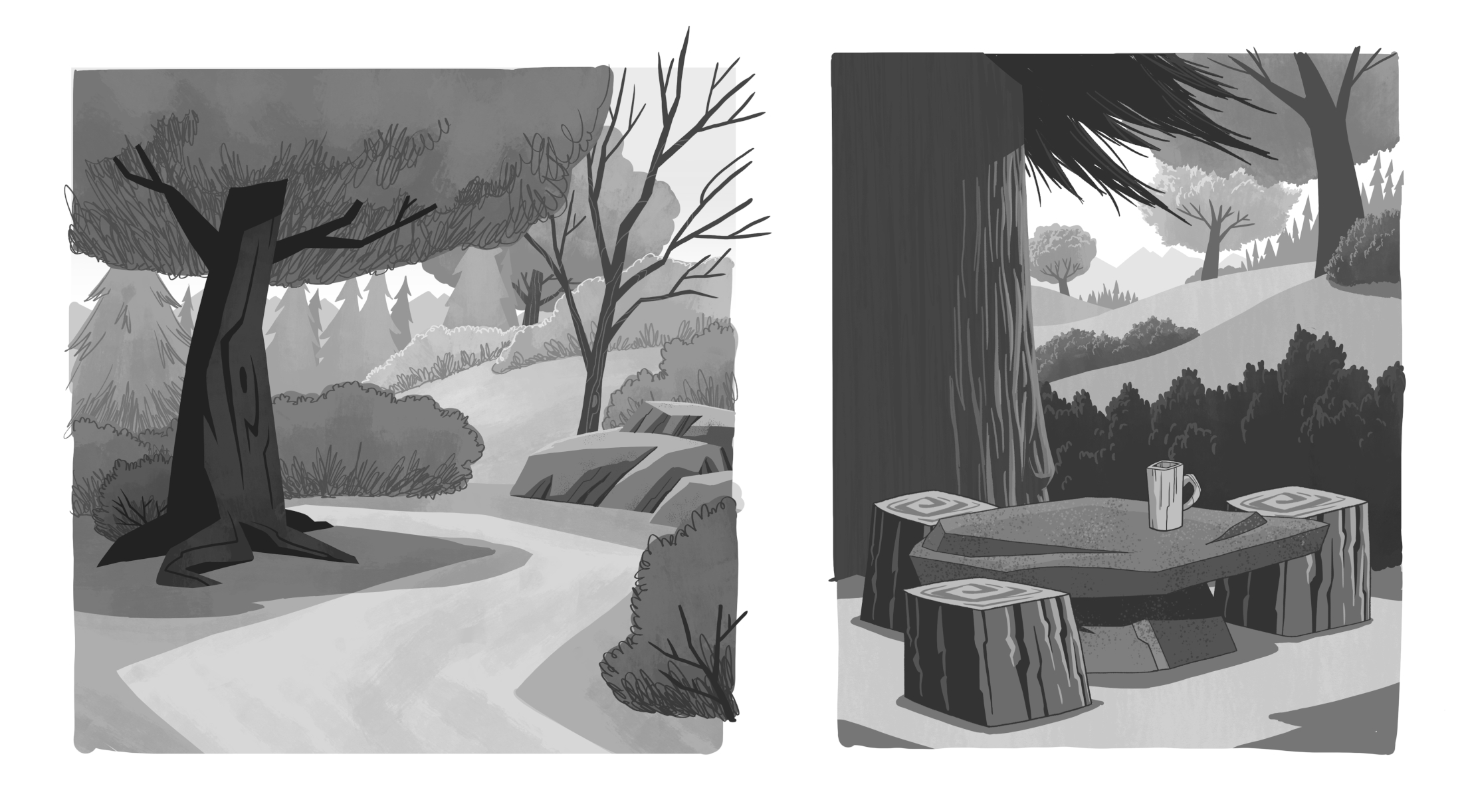
Beyond the character design, the production process itself stands out in the industry. The team employs a highly refined, script-driven pipeline that emphasizes rewriting before storyboarding.
"We don’t want to waste a lot of pencil mileage on jokes that aren’t working," says Mark Levin.
This philosophy is championed by Anthony Lioi, who notes that this level of pre-production work is rare in television animation. "So many shows I’ve been on operate under the mantra of ‘We’ll fix it in the animatic,’" Lioi says. "But this team figures things out every step of the way. It ensures that the quality only gets better as we move forward."
Implications for the Future of Adult Animation
The implications of Mating Season go beyond its potential ratings. By prioritizing a "repeatable and enjoyable process," the show sets a benchmark for how sustainable, high-quality adult animation can be produced in an era of tightening industry budgets.
"The process is everything to us," Flackett insists. "You can’t control how the show will be perceived by the audience. You hope they like it, but the only real control you have before release is the culture you build on set. We wanted to make sure it was a good experience for everyone involved."
As the series prepares for its premiere, it stands as a testament to the idea that the most effective way to tell human stories is often to remove the humans entirely. By stripping away the ego and self-consciousness associated with the human form, the creators of Mating Season have managed to highlight the universal, often painful, but ultimately relatable panic of wanting to be loved.
Underneath the raunchy jokes, the woodland chaos, and the anthropomorphic design, Mating Season is a deeply grounded look at contemporary life. It poses a question that every adult eventually asks: In a world that forces us to act like civilized people, how much of our wild, primal self are we willing to sacrifice for the sake of companionship?
With the combined pedigree of the Big Mouth team and the technical prowess of Titmouse, Mating Season is poised to be more than just a successful follow-up; it is a bold step forward in the evolution of adult animation, proving that even when we act like animals, we are still searching for the same, distinctly human things.










No comments yet. Be the first to join the conversation!