Layla Zulfa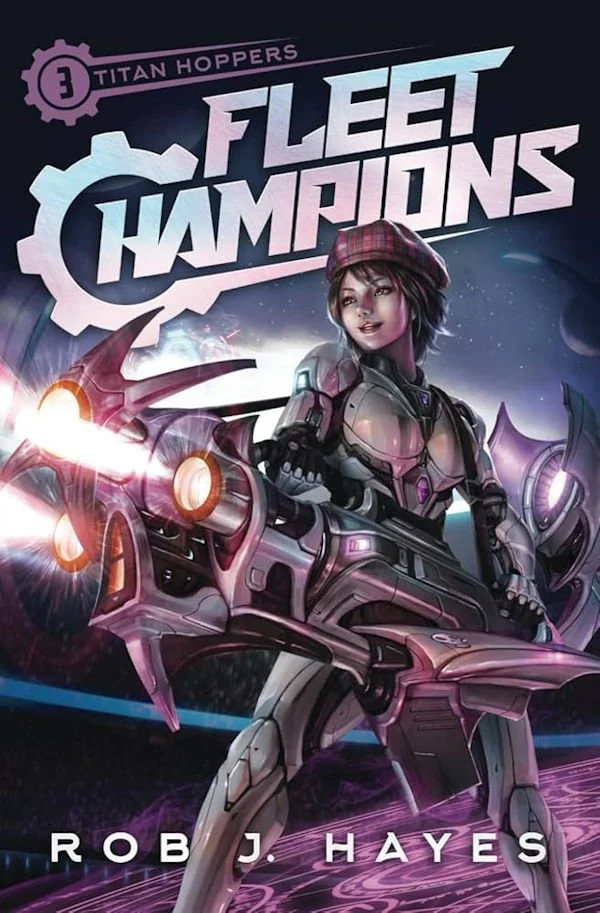
The landscape of modern progression fantasy has shifted, moving away from simple power-level accumulation toward narratives that prioritize psychological depth and the heavy, often brutal consequences of combat. Nowhere is this evolution more apparent than in the latest installment of the celebrated space-faring series: Fleet Champions.
Following the harrowing events at the Spire and the monumental achievement of opening their Second Gates, protagonists Iro and Emil have ascended to the status of "Heroes of the Fleet." However, as the latest narrative arc reveals, fame in this unforgiving sector of space is far from a luxury—it is a target. As the series matures, Fleet Champions elevates the stakes, blending high-octane martial spectacle with a harrowing examination of what it means to hold power when the survival of one’s people hangs in the balance.
The Core Conflict: A Tournament of Survival
The central premise of Fleet Champions pivots on an ultimatum that threatens to destabilize the fragile peace between the Home Fleet and the aggressive Raider Fleet. The Raiders, having spent years terrorizing the protagonist’s people through resource theft and systemic violence, have issued a bold demand: ownership of the wing.
To circumvent what would effectively be an annihilatory war, the Home Fleet leadership has agreed to a grand martial tournament. This is not merely a contest of skill; it is a high-stakes diplomatic maneuver where the outcome will determine the future sovereignty of the fleet. Iro and Emil, now the public faces of the Home Fleet, are thrust into the arena.
The narrative tension is compounded by the shadow of the "Black Cloaks," an enigmatic organization whose interest in the tournament suggests that the combatants are playing a part in a much larger, more dangerous game than they realize. The tournament serves as the primary stage for the book’s explosive action, yet the true conflict lies in the participants’ struggle to maintain their humanity under the intense pressure of public expectation and the looming threat of the Raiders.
Chronology of Escalation: From Spire to Arena
The trajectory of the series has been one of consistent, calculated growth. To understand the gravity of Fleet Champions, one must look at the path traveled:
- The Spire Era: The series began with the foundational elements of progression fantasy—characters seeking to overcome limitations within a constrained environment. The Spire acted as the crucible for Iro and Emil’s initial growth.
- The Second Gate Awakening: The breakthrough that granted them their current notoriety. This phase established the mechanics of power within the universe, setting the rules that the protagonists would later have to navigate.
- The Heroic Burden: Following their victory, the protagonists were transformed into symbols. This shift from private combatants to public icons provides the catalyst for the current book’s conflict.
- The Martial Tournament: The current focal point. This is the moment where the "crash-boom" spectacle meets the reality of political warfare, forcing the characters to reconcile their personal growth with their duty to the fleet.
Character Evolution: The Weight of Rage
Perhaps the most compelling aspect of Fleet Champions is the deconstruction of the "hero" archetype through the character of Iro. In previous volumes, Iro occupied the space of a classic protagonist—driven, capable, and fundamentally righteous. However, this installment dares to explore the "darker edge" of his growth.
As his power increases, so does the momentum of his rage. The narrative makes a pointed distinction: Iro would never harm the innocent, but the line between neutralizing a threat and excessive force is becoming increasingly blurred. The book asks a fundamental question: Is his cold, disciplined exterior a reflection of his true nature, or is it a carefully maintained performance masking a volatile core?
This internal tension adds a layer of dread to every combat sequence. Readers are no longer just cheering for a win; they are watching to see if Iro loses himself in the process.
Supporting Data: The Found Family Dynamics
The series has consistently relied on the "found family" trope to anchor its characters, but Fleet Champions subjects these bonds to unprecedented stress. The narrative suggests that in a setting as harsh as the deep void, loyalty is not a given; it is a finite resource that must be continuously earned and defended.
The strain placed on the crew is not intended to shatter them, but to force a specific type of evolution. By denying the characters the comfort of automatic, unwavering support, the author creates a dynamic where the strength of their relationships is as critical as their martial capabilities. This reinforces the series’ core theme: that true strength is not solely defined by the ability to shatter an opponent, but by the ability to hold one’s own people together under extreme duress.
Lateral Progression: Redefining Strength
One of the most refreshing aspects of Fleet Champions is its rejection of the "straight-line" power trajectory common in the genre. When the characters face bottlenecks that defy conventional solutions, the narrative refuses to allow them to simply "grind" their way to victory.
Instead, the protagonists engage in what can be described as "sideways progression." They reject the molds forced upon them by their society and the rules of their predecessors. They seek unconventional approaches, forcing the reader to consider the definition of strength itself. In this universe, to be strong is to be adaptive, creative, and, most importantly, authentic to one’s own limitations and potential.
Implications and Thematic Weight
The implications of Fleet Champions extend far beyond the arena. The mysteries surrounding the Titans and the origins of the fleets remain, providing a sense of scale that prevents the story from becoming too insular. The tournament is a microcosm of a much larger, more complex history that is slowly coming to light.
The ending of the book is particularly notable for its refusal to provide easy closure. It is described as "brutal" and "open," leaving the characters—and the readers—in a state of profound emotional flux. By embracing loss and sacrifice, the series avoids the trap of low-stakes heroism. It forces the audience to engage with the reality that, in a world where everyone is a weapon, there are rarely clean victories.
Critical Reception and Future Outlook
The critical consensus suggests that Fleet Champions is the turning point for the series. By escalating the consequences of every action, the author has transitioned the work from a standard progression fantasy into something with significant literary weight.
- Emotional Stakes: The shift from physical growth to emotional cost has resonated deeply with the readership.
- Narrative Complexity: The inclusion of the Black Cloaks and the unresolved history of the Titans ensures that the series maintains its "page-turner" quality.
- Thematic Integrity: The book maintains the "crash-boom" entertainment value that fans of the genre expect while simultaneously layering in a sophisticated critique of power.
As we look toward the future of the series, the trajectory is clear: the characters are moving toward a confrontation that will likely challenge their fundamental understanding of their own reality. If Fleet Champions is any indication, the path forward will not be paved with simple power-ups, but with the difficult choices that define a true leader in a crumbling galaxy.
The series is no longer just about who can hit harder or move faster. It is about the cost of maintaining one’s morality in an environment that demands constant violence. It is, ultimately, a study of humanity in the void—a testament to the idea that even in the face of insurmountable odds, the refusal to conform is the most powerful weapon of all.


 Evan Lee Salim
 Siti Muinah