Jia Lissa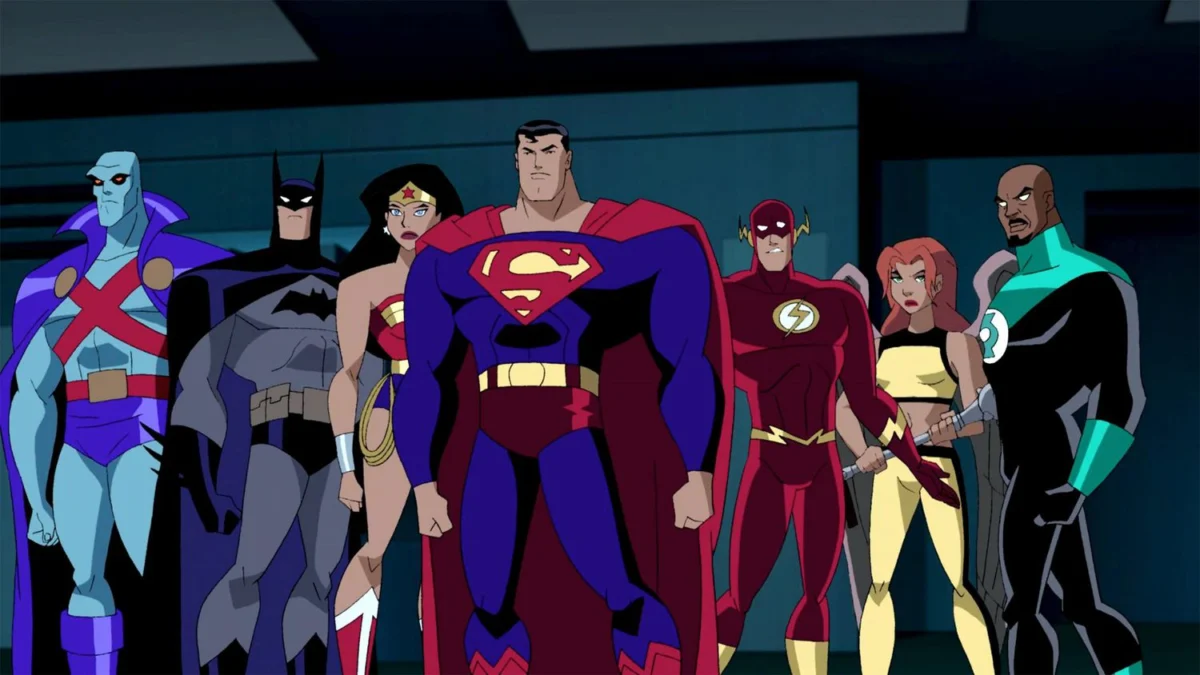
As the DC Universe (DCU) enters its inaugural phase under the stewardship of James Gunn and Peter Safran, the cinematic landscape is undergoing a radical, foundational transformation. With Superman poised to define the aesthetic and tonal DNA of this new shared reality, and satellite projects like Creature Commandos and Peacemaker already fleshing out the fringes of this world, the question of the hour is no longer if the Justice League will assemble, but who will be invited to the table.
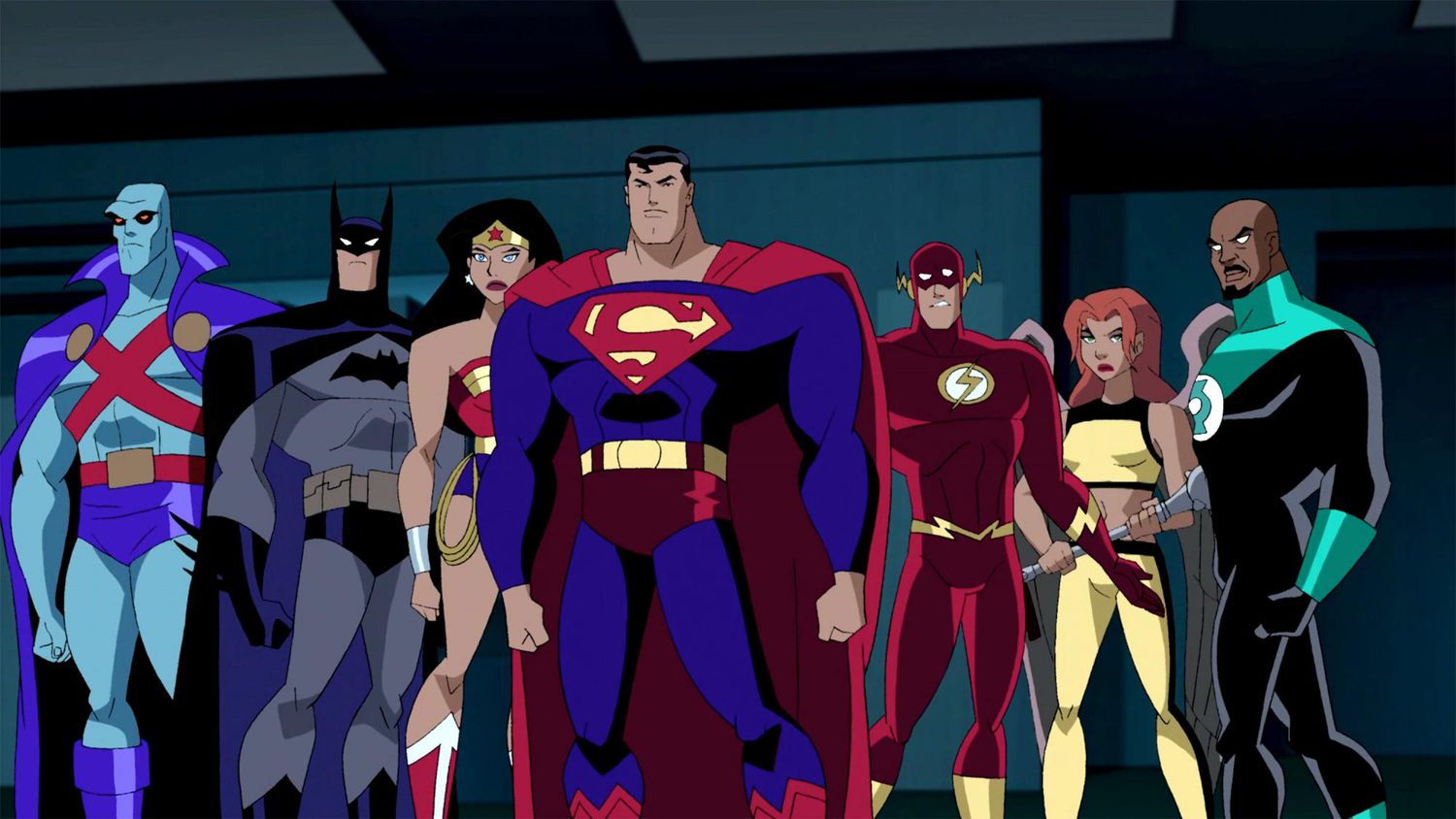
While the "Big Seven" are widely considered an inevitability—a core roster that historically balances the archetypal power of Superman and Wonder Woman with the tactical brilliance of Batman and the cosmic scale of Green Lantern—the true brilliance of the modern DCU lies in its potential for depth. This is a universe that seems poised to look beyond the obvious, reaching into the deep-cut archives of DC Comics to find members who can challenge, ground, and evolve the concept of a superhero team.
The Foundation: Establishing the DCU Timeline
The DCU is currently in its nascent stage. Unlike the fragmented attempts of the previous decade, the current strategy involves a tightly integrated narrative web. By prioritizing character-first storytelling, Gunn’s team has created a vacuum that the Justice League must eventually fill.
Historically, the Justice League debuted in 1960’s The Brave and the Bold #28. In that seminal appearance, the team was already fully formed, leaving decades of comic book history to fill in the gaps via retcons and origin stories. The current DCU has the unique advantage of building these relationships in real-time. If the precedent set by the Superman film holds, we should expect a League that feels earned—a culmination of smaller, localized heroics coalescing into a global defense force.
The Wishlist: Defining the Roster Beyond the Icons
To truly differentiate the new DCU, the creative team must move beyond the "god-like" tier and include characters who bring texture to the table. Below are the essential, fan-favorite candidates who could redefine the Justice League for a new generation.
Black Canary: The Legacy Tactician
Dinah Lance is arguably the most logical addition to an early-stage Justice League. With a history rooted in the Golden Age, her evolution from a solo vigilante to a veteran commander of the Birds of Prey and the Justice Society makes her a perfect foil for the "Big Seven." She represents a bridge between street-level justice and world-ending threats. Her inclusion would provide the team with a necessary pragmatic perspective, grounding the cosmic stakes in the grit of human-level combat.
Green Arrow: The Necessary Contrarian
Every team needs a dissenter. Oliver Queen is not just a master archer; he is the moral barometer of the DC Universe. Often depicted as a loud-mouthed, left-leaning activist, he serves as the perfect antagonist to the status quo. In a world of super-powered beings, having a human who isn’t afraid to tell Superman he is wrong—or that his power is an unchecked liability—is essential for the team’s narrative health.
Vixen: The Magical Powerhouse
Mari McCabe’s ability to tap into the "Red" via the Tantu Totem offers a visual and functional versatility that is tailor-made for high-budget cinema. Beyond her unique powers, Vixen brings a global perspective to the League. Her history as a supermodel and a humanitarian creates a character who is as comfortable in the public eye as she is in the trenches.
Blue Beetle and Booster Gold: The Heart of the League
The "Bwah-ha-ha" era of the Justice League, spearheaded by Keith Giffen and J.M. DeMatteis, proved that superhero teams need levity. Blue Beetle (Ted Kord) and Booster Gold are the ultimate duo. Their dynamic—a tech-obsessed genius paired with a desperate, fame-seeking time traveler—is the superhero equivalent of the classic odd-couple trope. Bringing them into the DCU would provide the necessary "goofball" energy to balance the heavy, mythic weight of the core founders.
Steel: The Artisan’s Touch
John Henry Irons serves as a poignant reminder that not all heroes need superpowers; some just need a genius-level intellect and a hammer. As a character who stepped up to fill the void left by a fallen Superman, his inclusion would provide a distinct "craftsman" aesthetic to the team. Unlike the cold, analytical brilliance of Mister Terrific, Steel is defined by his warmth and his dedication to humanity, making him the heart of any tech-heavy operation.
Strategic Casting and Thematic Parallels
The selection process for the Justice League is inherently a study in contrast. By incorporating characters like the Silver Sorceress, the DCU could effectively reclaim themes often seen in the Marvel Cinematic Universe—such as the nature of reality-warping magic—but through the unique lens of DC’s Champions of Angor.
Furthermore, characters like Plastic Man and The Question offer distinct narrative hooks. Plastic Man, once identified by Grant Morrison as the "Dionysian" figure of the League, provides an agent of chaos that prevents the team from becoming too rigid. Conversely, The Question—whether the conspiracy-theorist version or the hard-boiled Renee Montoya iteration—offers a noir-inspired, investigative element that adds intellectual weight to the team’s mission parameters.
Official Responses and Industry Context
While James Gunn has remained tight-lipped regarding the official lineup, his public appreciation for the Justice League International era and his penchant for "misfit" characters suggest that the final roster will not be a simple copy-paste of the 1960s lineup. Gunn has frequently emphasized that he wants the DCU to feel "lived in," a directive that strongly favors characters with histories, flaws, and specific, non-supernatural motivations.
The industry expectation is that the Justice League will be a rotating roster, mirroring the modern comic book model where the team functions more as a hub of operations than a static group of seven individuals.
Implications for the DCU
The implications of this diverse, expanded roster are significant:
- Narrative Flexibility: A larger, more varied bench allows for smaller "A-teams" to be dispatched to specific corners of the globe, allowing the DCU to cover more ground without exhausting the core cast.
- Tonality: By balancing the gravitas of Superman with the humor of Booster Gold and the cynicism of Green Arrow, the DCU can avoid the "monotone" trap that has plagued previous shared-universe experiments.
- Audience Engagement: Deep-cut characters like Aztek or Blue Devil reward long-term comic book readers while offering casual audiences fresh, unpredictable power sets and personality types.
Conclusion: The Path Forward
As we look toward the future, the Justice League of the DCU stands at a crossroads. It has the opportunity to be more than just a gathering of the strongest beings on Earth; it can be a cohesive, multifaceted entity that reflects the complexities of its world. Whether through the tactical wisdom of Black Canary, the chaotic joy of Plastic Man, or the grounded heroism of Steel, the potential for a truly legendary ensemble is within reach.
The DCU is growing, and with careful selection, the upcoming Justice League will not just meet expectations—it will redefine them for the next decade of blockbuster storytelling.

 Azzam Bilal Chamdy
 Nila Kartika Wati