

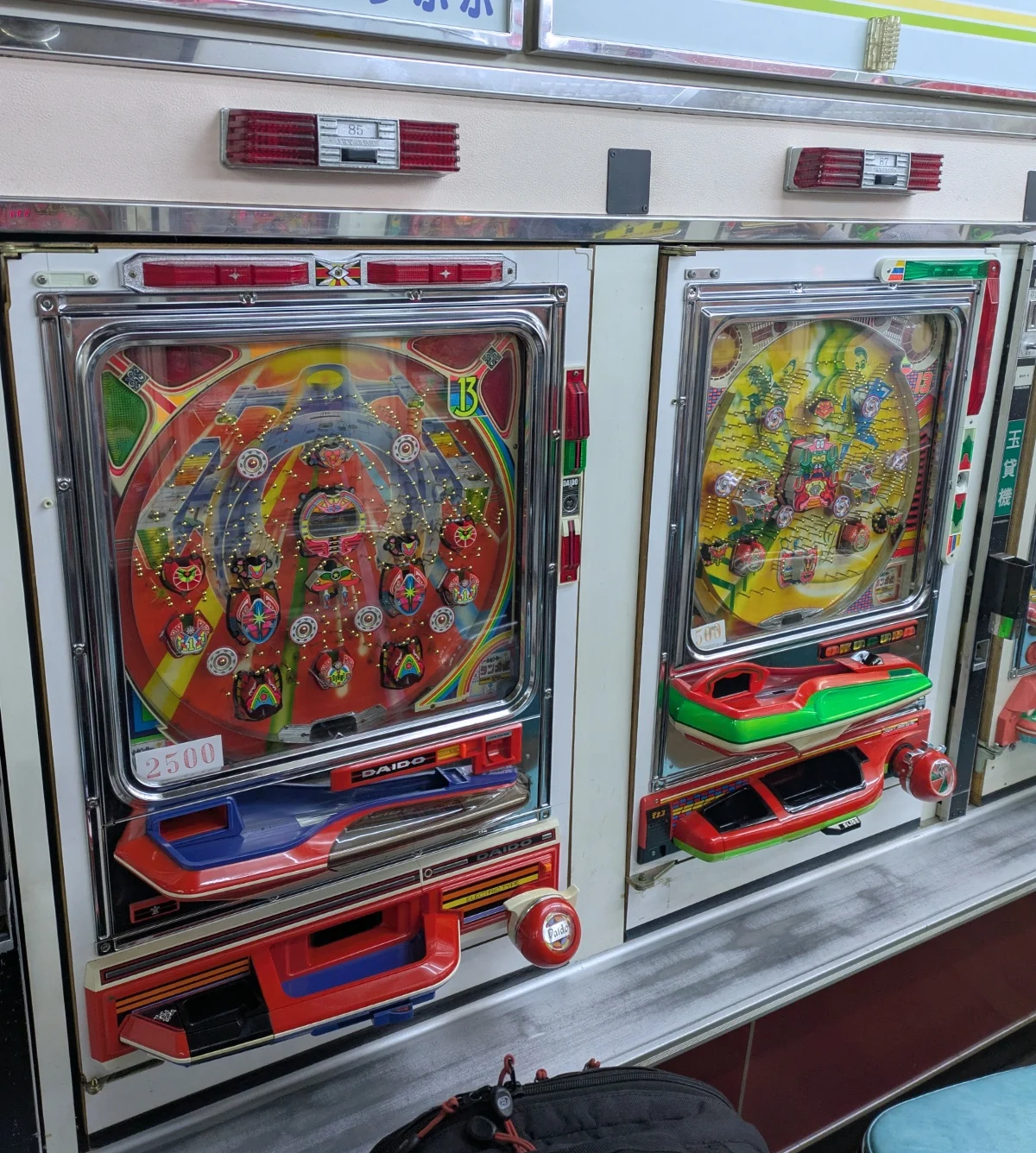
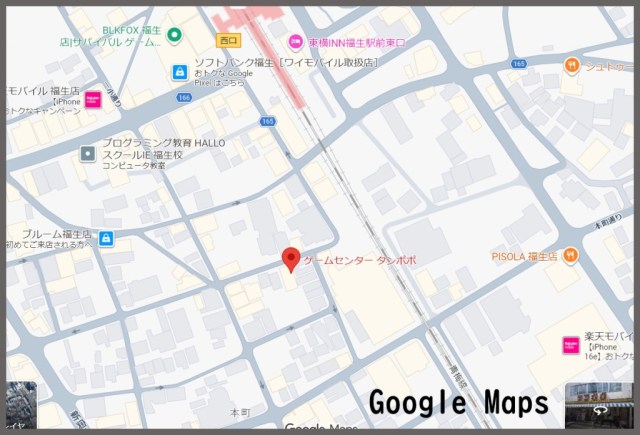
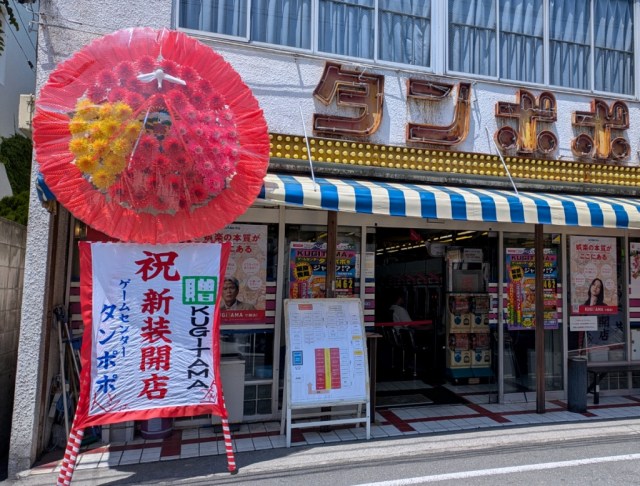
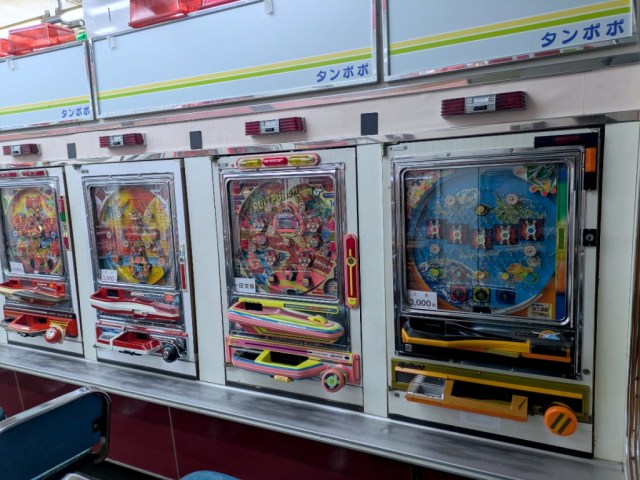
In the sprawling suburban expanse of western Tokyo, tucked away just a three-minute walk from Fussa Station, lies a destination that defies simple categorization. To the casual observer, "Game Center Tampopo" (蒲公英) might sound like just another neon-lit haunt for rhythm games and claw machines. However, upon stepping through its threshold, visitors are greeted not by the aggressive electronic chirps of modern consoles, but by the rhythmic, tactile clatter of thousands of steel balls cascading through brass pins.
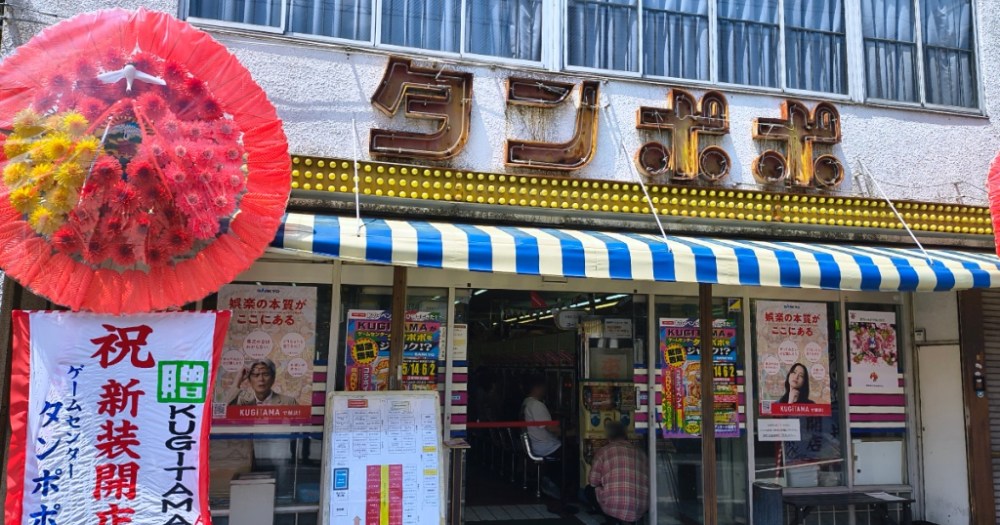
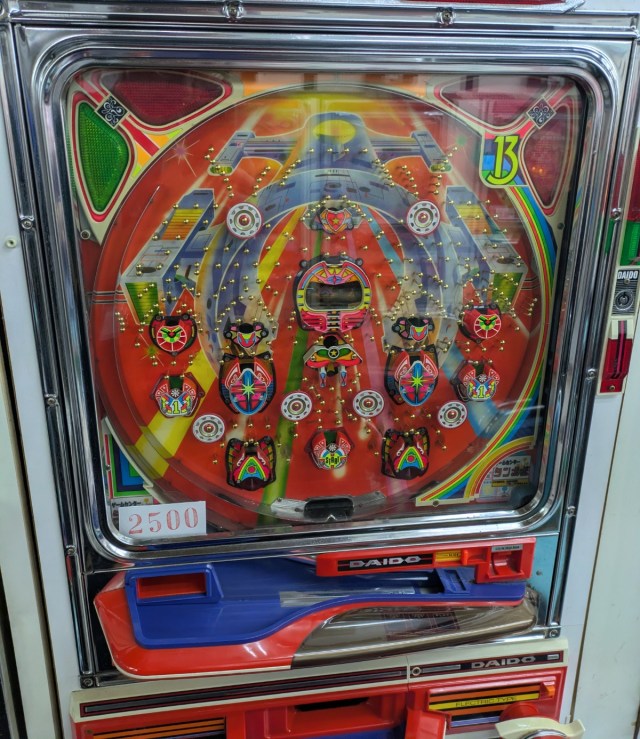
Tampopo is a living museum—a bridge to an era when pachinko was a purely mechanical craft. It is a space where 70 vintage pachinko machines and 19 classic slot machines have been granted a second life, preserved for the pure joy of play rather than the pursuit of profit.
The Evolution of the "Game Center"
For seasoned Tokyoites and culture seekers like our resident correspondent, Mr. Sato, the hunt for "game centers" is often a quest for nostalgia. While Japan is world-renowned for its cutting-edge gaming technology, the allure of the "suburban arcade" remains a potent draw for those who remember the analog charm of the 1980s and 90s.
Mr. Sato, an experienced gamer with a penchant for historical discovery, ventured to Fussa with the expectation of finding retro video game cabinets. Instead, he discovered a sanctuary for "minashi machines"—pachinko units that have reached the end of their legal service life for commercial gambling. By repurposing these machines, Tampopo has carved out a unique niche that functions more as a cultural preservation project than a traditional gaming establishment.
A Chronology of a Forgotten Craft
To understand why Tampopo is a phenomenon, one must understand the lifespan of a pachinko machine. In the highly regulated world of Japanese gambling, pachinko parlors operate under strict guidelines. Machines must be periodically certified to ensure fairness and mechanical integrity. Once a model passes its mandated service date, it is legally barred from being used in a setting where players can exchange balls for monetary prizes.
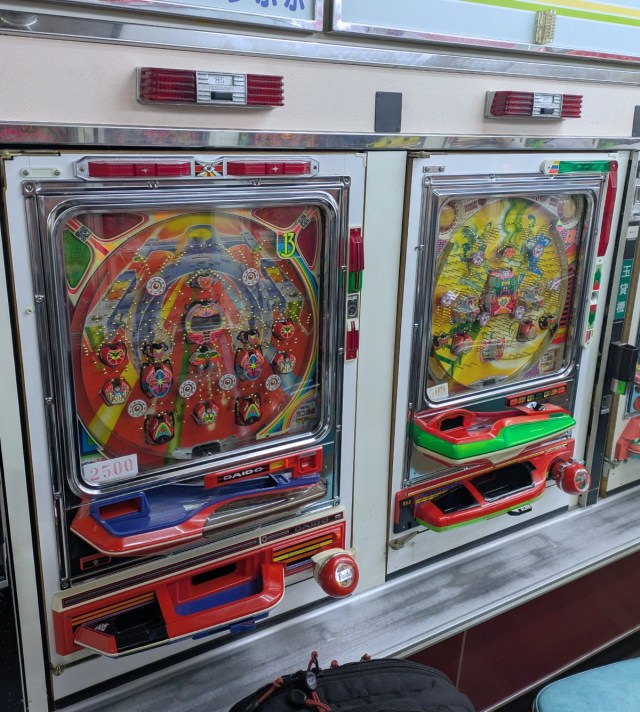
Historically, this meant that thousands of beautifully engineered, complex, and iconic machines were destined for the scrap heap.
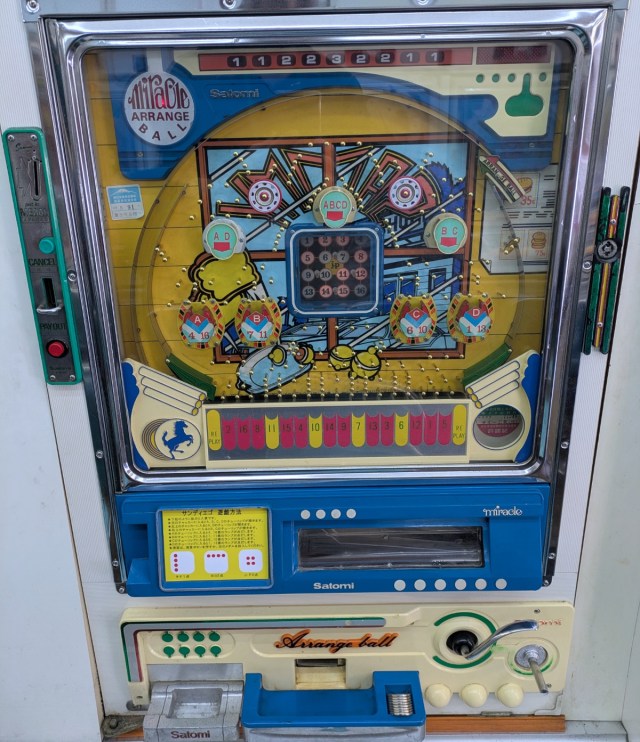
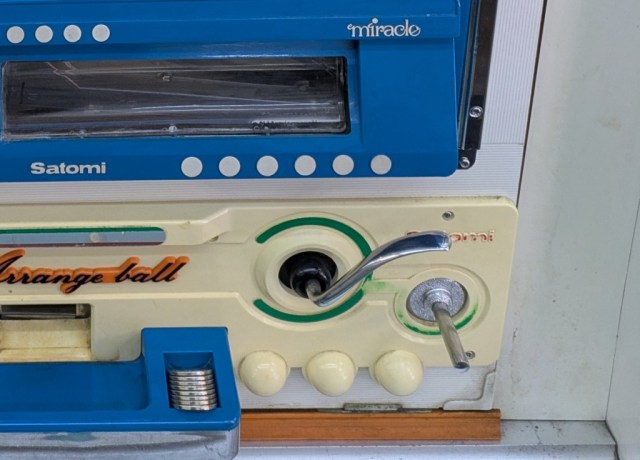
- The Prime Era: During the late 20th century, these machines were the pinnacle of mechanical entertainment. Every pin, bumper, and spinner was a physical, hand-tuned component of the playing field.
- The Digital Shift: As the new millennium dawned, modern machines pivoted toward high-definition video displays and digital effects, prioritizing visual spectacle over mechanical tactile feedback.
- The "Minashi" Intervention: Tampopo emerged as a response to this shift. By operating as a non-gambling facility, they bypass the regulations that force machines into retirement. Because there are no cash prizes—or any prizes at all—the machines are effectively transformed from tools of commerce into instruments of hobbyist appreciation.
The Mechanics of Play: How Tampopo Operates
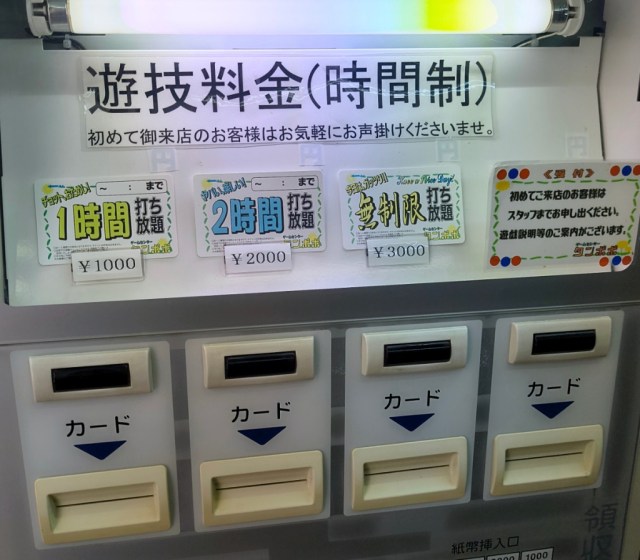
Unlike the high-stakes, smoke-filled parlors of downtown Tokyo, Tampopo offers a serene, smoke-free, and transparent environment. The establishment has replaced the traditional, often opaque, "ball-for-cash" economy with a simple, flat-rate admission model.
Pricing Structure
- One Hour: 1,000 yen (approx. $6.50 USD)
- Two Hours: 2,000 yen
- Full Day (10 a.m. to 8 p.m.): 3,000 yen
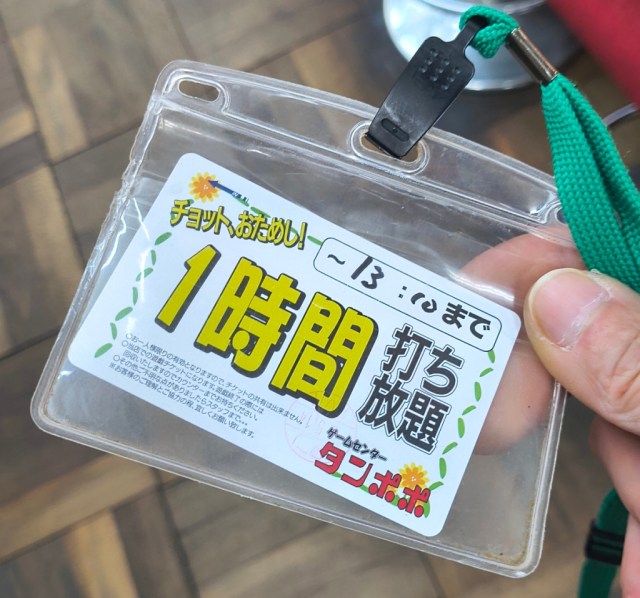
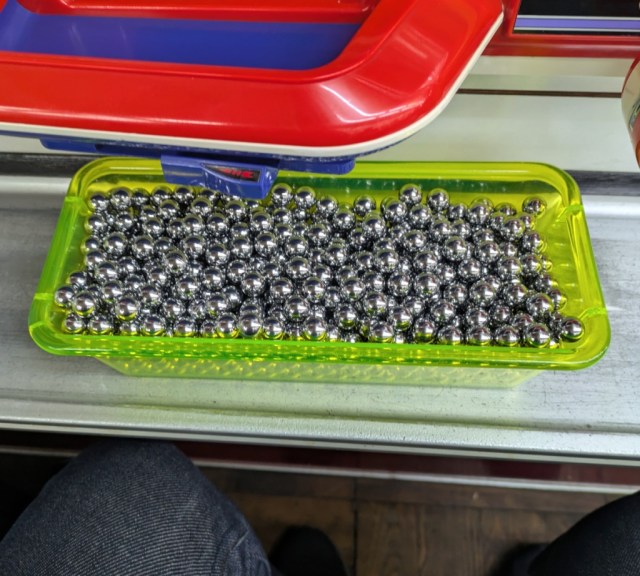
Upon payment at the entrance, visitors receive a lanyard with their session time, allowing them to play an unlimited number of balls for the duration of their visit. When a player runs low on ammo, there is no need to feed more money into a machine; they simply return to the supply area for a refill. This removes the "gambler’s anxiety," allowing players to focus entirely on the craftsmanship of the game board.
Supporting Data and Observations
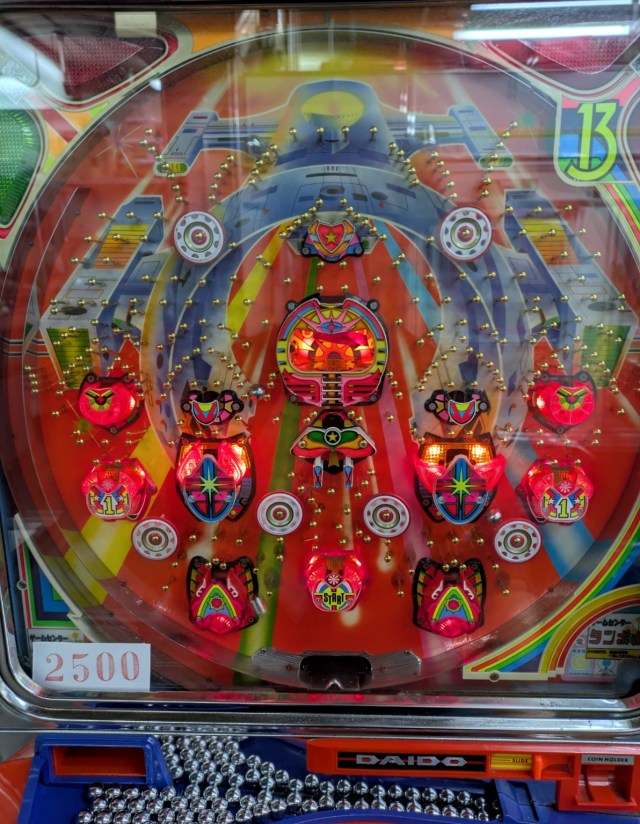
The facility houses a total of 89 gaming units: 70 pachinko machines and 19 slot machines. The experience is starkly different from modern parlors, where the sensory overload of flashing LED screens often masks the actual gameplay. At Tampopo, the focus is on the physics.
Mr. Sato noted that the experience is akin to a "retro tech museum." Having spent a year working in a traditional pachinko parlor during his youth, he found the atmosphere at Tampopo to be vastly superior. The absence of gambling pressure creates a camaraderie among visitors who are there specifically to appreciate the design evolution of the machines.
Implications for Gaming Culture
Tampopo’s existence raises interesting questions about the preservation of Japanese pop culture. While retro video games have seen a massive resurgence in popularity, retro pachinko has remained largely inaccessible to the general public due to legal barriers.
By de-coupling the hardware from the gambling industry, Tampopo has essentially "liberated" the machines. This has profound implications for:
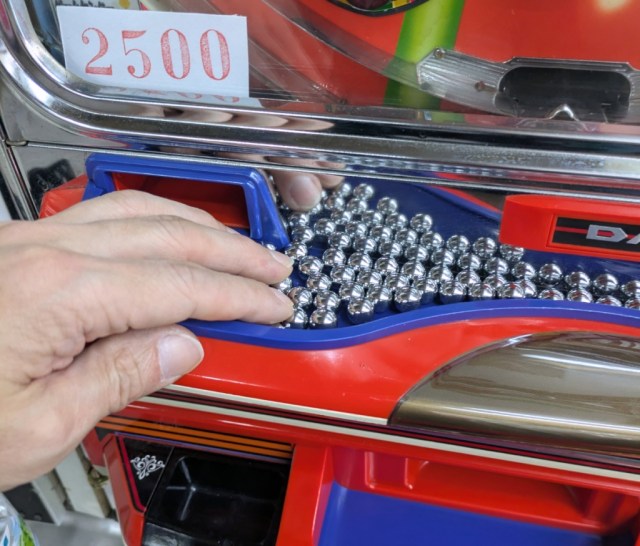
- Mechanical Preservation: It allows younger generations to experience the tactile satisfaction of physical pin-based gaming, which is rapidly vanishing from the public sphere.
- Cultural Heritage: It preserves the design aesthetics of a bygone era, serving as a physical archive of Japanese industrial design.
- Social Gaming: It shifts the perception of pachinko from a potentially addictive vice to a legitimate form of arcade-style recreation, making the hobby accessible to a wider demographic, including families and history enthusiasts.
A Haven for Enthusiasts: The Verdict
For those looking to step back in time, Tampopo is not just a venue; it is a vital piece of the puzzle that makes up Japan’s rich entertainment landscape. It proves that with a bit of creativity and a respect for history, industries that are often viewed with skepticism can be transformed into centers of community and education.
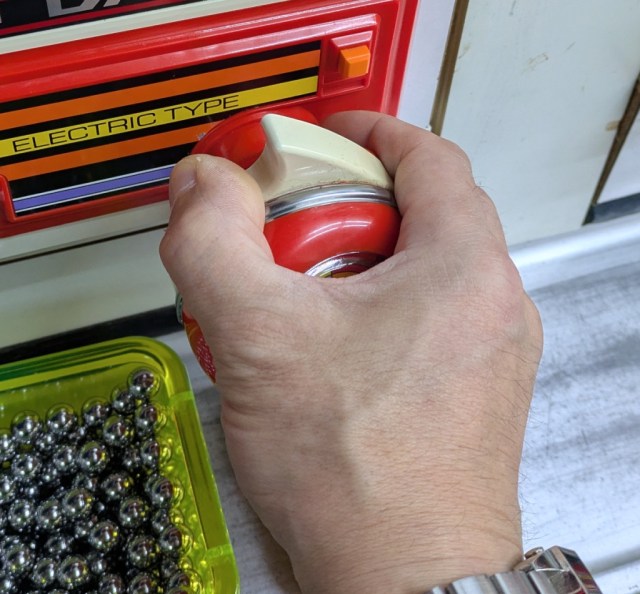
The facility’s commitment to keeping these machines operational, clean, and accessible ensures that the "golden age" of mechanical pachinko remains alive. Whether you are a hardcore gamer, a mechanical tinkerer, or simply a traveler looking for a unique slice of local life, Fussa’s "Game Center Tampopo" offers an experience that you simply cannot find anywhere else in the world.
Visitor Information
- Establishment: Game Center Tampopo (蒲公英)
- Address: Tokyo-to, Fussa-shi, Honcho 135
- Operating Hours: 10:00 AM – 8:00 PM
- Closed: Wednesdays (unless a public holiday)
- Official Website: tanpopo777.com
In an age of digital transformation, there is something deeply grounding about the sound of steel on brass. At Tampopo, the game never truly ends; it just waits for the next person to pull the lever and watch the cycle begin anew.












No comments yet. Be the first to join the conversation!